


What Is Hashish? A Complete Guide to Hash, How It’s Made, and How to Use It

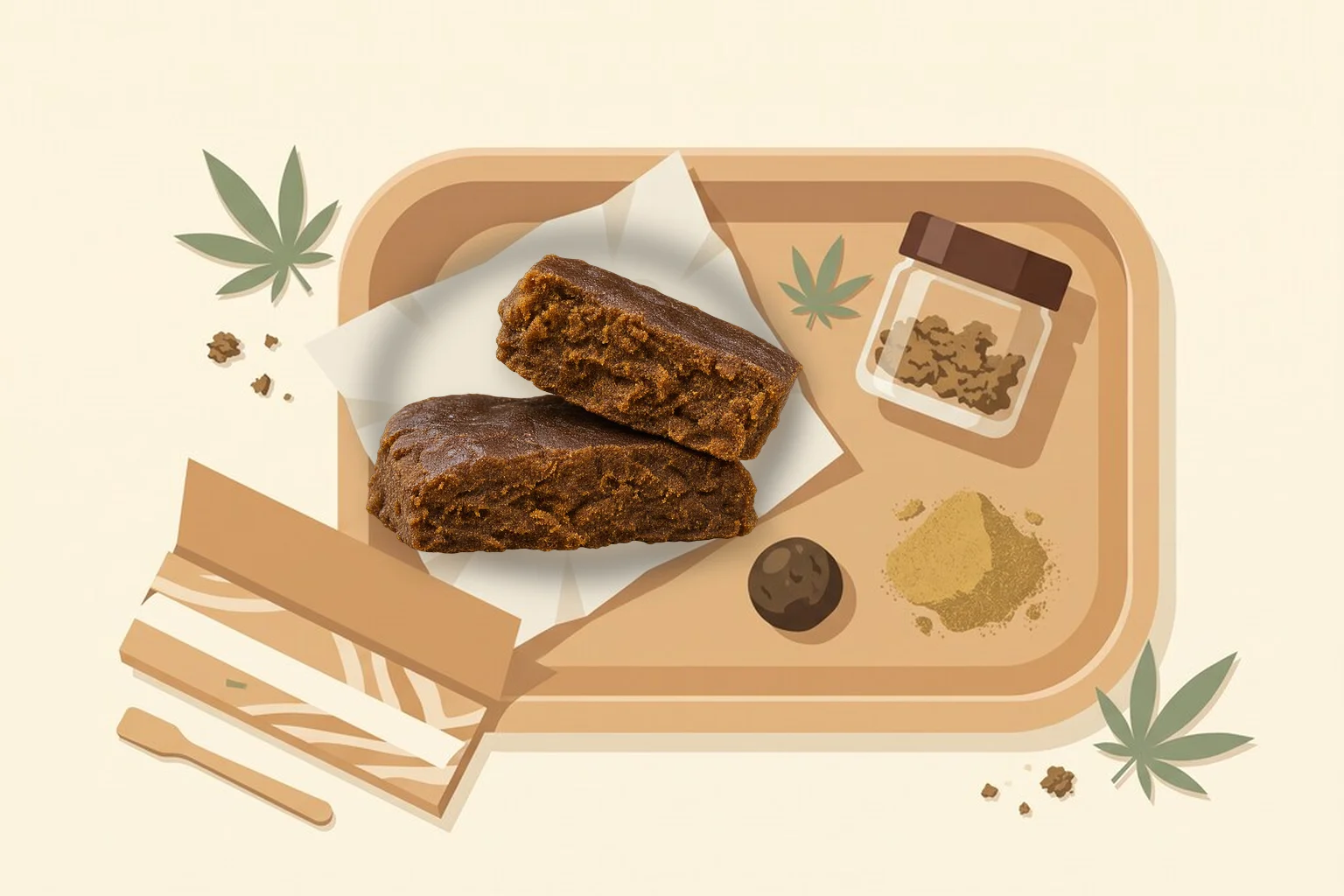
Hashish is a concentrated form of cannabis made by collecting and pressing the resin glands, called trichomes, from the cannabis plant. It is one of the oldest cannabis products in the world, and is having a serious comeback thanks to modern solventless methods like ice water extraction and rosin pressing. If you have ever crumbled a dark, sticky block onto a bowl or sprinkled golden kief into a joint, you have already met a form of hashish.
In this guide, you will learn what it is made of, how it is made, common ways adults use it, what the experience may feel like, what to keep in mind before trying it, and where it currently stands legally in 2026.
🔑 Key Takeaways:
- Hashish is pressed trichome resin from the cannabis plant, sold as blocks, balls, or powder.
- Potency can range from about 20% to 80%+ THC depending on type, method, and starting material.
- Hemp-derived THCA hash is a modern, lab-tested option that becomes intoxicating when heated.
- Federal rules changed in late 2026; state laws still vary, so always check your local regulations.
- Start with a small amount, use a glass or ceramic piece, and verify quality through a COA.
What Is Hashish?
Hashish is a compressed concentrate made from the resin glands of the cannabis plant. Those glands, called trichomes, hold many of the plant’s naturally occurring compounds, including THC, THCA, CBD, and terpenes. Separate them from the leaf and flower weed, press them together, and you have hash.
The word comes from the Arabic term for “grass” or “herb,” and “hash” is simply the shortened English version. Regional names are worth knowing too. In India and Nepal, hand-rubbed resin is called charas. In parts of South Asia and the Caribbean, people use the phrase “ganja hashish” loosely, though “ganja” traditionally refers to the dried flower itself, not the concentrated resin.
Finished hash can look very different depending on how it was made and how old it is. Colors range from pale blonde and golden to deep dark brown or near-black. Texture can be dry and crumbly, soft and pliable, or sticky and oily. These are all legitimate forms of cannabis products, each with its own feel and flavor profile.
-
Low stock
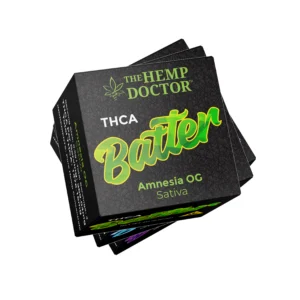
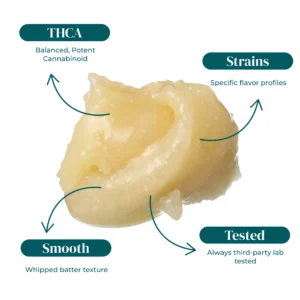
THCA BATTER | 2G
$49.95 — or Original price was: $49.95.$37.46Current price is: $37.46. every 2 weeksShop Now This product has multiple variants. The options may be chosen on the product page -
Sale!On Sale
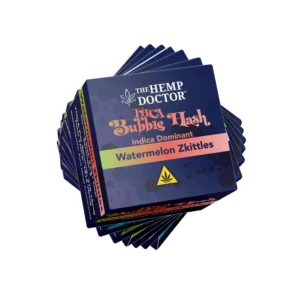
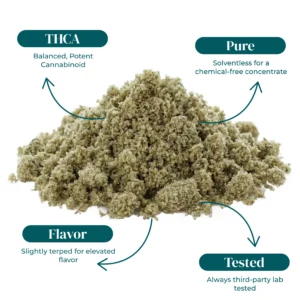
60% OFF : THCA BUBBLE HASH | 2G
Original price was: $44.95.$17.98Current price is: $17.98.
A Brief History of Hashish
Hash has ancient roots across Central Asia, the Middle East, India, Nepal, and North Africa, where hand-rubbing and dry sifting go back centuries. It traveled along trade routes and reached Europe in the 1800s, inspiring curiosity among writers and artists. Paris had its famous “Club des Hashischins” in the 1840s.
Hashish arrived in the United States in the 20th century and went through the same prohibition era as the rest of the cannabis plant. The modern revival really kicked in once ice water extraction and rosin pressing became popular in the 2000s and 2010s, letting growers make clean, solventless concentrates from high-quality flower.
What Is Hashish Made Of?
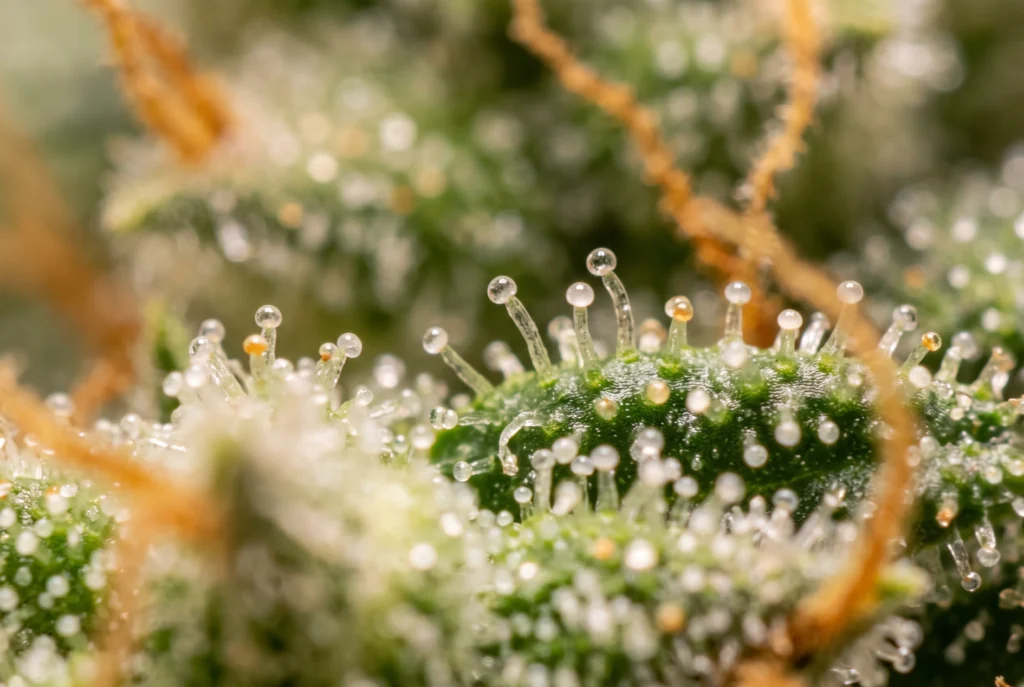
Hashish is made mostly of trichomes, the tiny mushroom-shaped resin glands that coat cannabis flowers. These glands are where the plant stores naturally occurring compounds and aromatic terpenes, which is why separating them from stems, sugar leaves, and other plant material gives you a more concentrated product with a cleaner flavor.
There is a simple relationship between kief and hash worth remembering. Kief is loose, unpressed trichomes, like the powder that collects in the bottom chamber of a grinder. Once you compress that powder with heat or pressure, it becomes a hash. Same raw material, different form.
How Is Hashish Made?
Every method of making hash follows the same basic idea: separate the trichomes from the plant, then compress them. The techniques just differ in how they handle that separation.
Dry Sifting
Dried flower is gently shaken over a series of fine mesh screens. The trichomes fall through while the plant material stays on top. The collected kief is then pressed into blocks or balls.
Ice Water Extraction, Also Called Bubble Hash
Flower is agitated in ice water, which makes the trichomes brittle and causes them to break off. The slurry is filtered through micron-sized “bubble bags” to isolate the resin. The result is bubble hash, often graded based on purity and how cleanly it melts.
Hand-Rubbing, Also Called Charas
Workers rub live, resinous flowers between their palms until a thick layer of sticky resin builds up. That resin is scraped off and rolled into dark, pliable balls. This is one of the oldest techniques still in use.
Heat and Pressure, Also Called Rosin
Hash or whole flower is sandwiched between heated plates and squeezed until the oils ooze out. No solvents, no added chemicals, just heat and pressure. Hash rosin is prized for flavor and purity.
Solvent-Based Hash Oil
Butane, propane, or ethanol can strip plant compounds from the material to make hash oil or shatter. Purists do not consider these “true” hash because solvents are involved, but they are common in dispensary concentrates.
Common Types and Textures of Hashish
Hash comes in several distinct styles, and each has its own look and best use.
- Pressed traditional hash from Morocco, Afghanistan, or Lebanon tends to be firm, brick-shaped, and brown to black.
- Bubble hash feels sandy when lower grade and almost greasy when it is full-melt quality, with colors from blonde to tan.
- Dry sift and kief look like loose golden powder.
- Charas and temple balls are soft, sticky, and often very dark.
- Hash rosin is sappy, oily, and ready to dab.
Our THCA Bubble Hash is a good modern example of solventless pressed resin. Explore more in our THCA concentrates collection or browse strains in the strain guide to see which profiles match your flavor preferences.
How Do You Smoke Hashish? Different Ways to Use It
There are plenty of ways adults use hash, from very traditional to very modern. Here is a quick rundown with practical notes.
In a Joint, Spliff, or Blunt
Step 1: Crumble small pieces between your fingers, or warm a piece and roll it into thin “snakes.”
Step 2: Lay the hash down with your ground flower so everything burns evenly.
Step 3: Roll as usual. For the basics, see our guide on how to roll a zoot.
Pro Tip: A little goes a long way. Start with a pinch.
In a Bowl, Pipe, or Bong
Step 1: Pack a bowl of flower as you normally would.
Step 2: Top it with a small crumble of hash rather than placing hash directly on the screen alone — that can cause it to burn too hot or fall through.
Step 3: Light and smoke as usual. Our hash pipe 101 walks through the specifics.
In a Vaporizer or Dab Rig
Step 1: Use a concentrate-compatible vaporizer, or a dab rig for full-melt bubble hash and hash rosin.
Step 2: Set your temperature: lower for more flavor, higher for bigger clouds.
Step 3: Load a small amount and inhale.
New to dabbing? Check our different ways to dab explainer first.
Hot Knives
Step 1: Heat two knife blades (traditionally on a stovetop).
Step 2: Press a small piece of hash between the hot blades.
Step 3: Inhale the vapor as it releases.
Eating Hashish
Step 1: Heat the hash first so the THCA converts to THC — it won’t work raw.
Step 2: Melt it into butter or oil.
Step 3: Bake or cook with the infused butter or oil as you would any recipe.
Step 4: Start with a small serving and wait before taking more — infused foods take longer to kick in and last much longer than smoking.
Onset and Duration by Method
| Method | Onset | Typical Duration |
| Smoking, such as a joint or bowl | 1 to 5 minutes | 1 to 3 hours |
| Vaporizing | 1 to 5 minutes | 1 to 3 hours |
| Dabbing | Under 1 minute | 1 to 3 hours |
| Eating, such as infused food | 30 to 90 minutes | 4 to 8 hours |
“Start low, go slow” applies to every single method, especially the first time with a new batch.
How Strong Is Hashish?
Hashish is significantly stronger than dried flower. Most flower tests between 15% and 25% THC. Pressed hash can run from about 20% to 60%, bubble hash often lands in the 50% to 70% range, and hash rosin can push 60% to 80%. Put another way: if flower is a cup of coffee, hash rosin is closer to a shot of espresso, same basic effect, far more concentrated per gram.
A practical way to picture the gap: a single small crumble of 60%+ hash dropped on a bowl of 20% flower can noticeably change the whole hit. You’re not just adding a little extra, you’re roughly tripling the potency of that one bowl.
Here’s the part that catches people off guard with hemp-derived hash. THCA isn’t the same thing as THC, but it turns into THC when it’s heated, like when you light it up. The catch is that the conversion loses a bit along the way, so you multiply by 0.877 to get the real number.
Take our lab-tested THCA Bubble Hash, which comes in around 68.86% THCA. Heat that up, and you’re looking at roughly 60% actual THC. So even though the product is technically legal hemp on paper, once you smoke it, it hits like a strong concentrate. That’s why someone expecting something mild from “THCA hash” can end up a lot higher than they bargained for.
For more on this conversion and the compound itself, read our primers on what THCA is and THCA vs THC.
Potency also shifts based on starting material, extraction method, grade, age, and how the hash is stored. A jar left warm and exposed to light will lose potency faster than one kept cool and sealed. If you’re used to flower, treat hash as roughly two to four times stronger per hit, and size your first dose accordingly rather than matching your usual flower habit.
What Does Hashish Feel Like?
The hashish experience overlaps with flower but often feels more intense because the plant compound and terpene concentration is much higher. Short-term experiences commonly reported by adult consumers include:
- Euphoria
- Relaxation
- Altered perception
- Heightened sensory perception
- Increased appetite
- Dry mouth
- Red eyes.
- Colors, music, and food may feel more vivid.
Experienced adult consumers often describe hash as heavier and longer-hitting than a comparable amount of flower. Terpene content shapes the overall vibe, which is why solventless methods that preserve terpenes may feel more flavorful and full-spectrum than some highly refined products.
Because potency is high, onset and duration vary based on how you consume it. If you smoke it, you will usually feel it in minutes. If you eat it, give it at least an hour before deciding whether to have more.
Things to Know Before Consuming Hashish
Hash is a high-potency cannabis product, so it’s best approached thoughtfully.
Effects of Overdoing It
At higher amounts, some users report increased heart rate, uneasiness, racing thoughts, dizziness, or impaired coordination. These effects are usually temporary but can feel intense if you take too much. Drinking water, eating something, and resting in a calm space may help you feel more settled.
Tolerance and Lung Health
With heavy, frequent use, some adults may build tolerance or find it difficult to cut back. Smoking anything can also be harsh on the lungs. Pay attention to your patterns and take breaks when needed.
Product Quality
Untested products can contain unwanted contaminants such as pesticides, mold, heavy metals, or residual solvents, so quality matters just as much as potency.
Ground Rules
A few simple habits make for a better experience:
- Stay 21+, or follow the legal age in your state
- Never drive after consuming
- Start with a very small amount
- Avoid mixing with alcohol
- Choose products with current lab results
Is Hashish Legal?
At the federal level in the United States, marijuana-derived hashish is still a controlled substance. State laws are far more varied. Adult-use states may allow possession and purchase for people 21+, and some states run separate cannabis programs with their own rules on top of that. One thing worth knowing: possession limits for concentrates like hash are usually lower than for flower, sometimes significantly so, so a quantity that would be fine with flower could put you over the line with hash.
Hemp-derived THCA hash is in a more unsettled spot right now, and it’s worth paying close attention to the dates. Under the Continuing Appropriations and Extensions Act, 2027, P.L. 119-103, the federal hemp definition is being phased in on a schedule. The synthetic-cannabinoid exclusion took effect November 12, 2026, and the total THC standard (which counts THCA toward the 0.3% limit), along with a 0.4 mg per-container cap takes effect December 11, 2026. In plain terms, the federal window that currently allows high-THCA hemp products is closing on a specific date, and in the meantime, state rules can already be stricter than the federal baseline.
Given how fast this is moving, treat anything you read today as a snapshot, not a permanent answer. Always check your current state law before buying, carrying, or shipping hash, and never travel internationally with it; cannabis laws do not carry across borders the way you might expect.
How to Make Hashish at Home
The easiest home method is pressing kief. Collect kief from your grinder, scoop it onto parchment paper, and fold the paper over it. Apply gentle heat and pressure, a hair straightener works surprisingly well for this, and within a few minutes you’ll have a small puck of pressed hash. It’s a low-effort way to put grinder kief, which usually just sits forgotten in that bottom chamber, to good use.
Dry sift works on the same principle but at a larger scale. Shake well-cured flower over stacked micron screens and collect what falls through. The finer the screen, the cleaner the resin, though you’ll get less of it.
Ice water hash takes more patience but rewards you with a better product. You’ll need frozen flower, ice, cold water, a bucket, and bubble bags in a few different micron sizes. Agitate everything for 15 to 20 minutes, let the trichomes sink to the bottom, then strain through the bags from largest micron size down to smallest. Dry the collected resin thoroughly on parchment afterward. This step is easy to rush, but any moisture left behind can mold a batch you spent hours on.
One line worth repeating: never attempt butane or other solvent extraction at home. The fire and explosion risk is real, and no amount of potency is worth losing a kitchen, or worse, over it.
Hashish vs Other Cannabis Concentrates
Hash is one of many concentrates on the market, and the differences between them come down to method, solvent use, potency, and texture. Here is a side-by-side look.
| Concentrate | How It’s Made | Solvent? | Typical THC | Texture | Common Use |
| Pressed hash | Sifted or rubbed resin, pressed | No | 20 to 60% | Firm block, brown | Joint, bowl topper |
| Bubble hash | Ice water + micron bags | No | 50 to 70% | Sandy to greasy | Bowl topper, dab when fully melted |
| Kief / dry sift | Screen sifting | No | 20 to 60% | Loose powder | Sprinkle on flower |
| Hash rosin | Heat + pressure on hash | No | 60 to 80% | Sappy, oily | Dab, vape |
| Shatter / wax | Butane or propane extraction | Yes | 60 to 90% | Glassy or waxy | Dab |
| Live resin | Solvent on fresh-frozen plant | Yes | 60 to 90% | Sauce, badder | Dab, vape cart |
| Distillate | Distilled and refined oil | Yes | 85 to 95%+ | Clear thick oil | Vape cart, infused foods |
If you want to shop these formats, browse THCA concentrates or THC vape cartridges to see what fits your routine. You can also read our deep dives on live resin vs distillate and live resin vs live rosin.
How to Check the Quality of Hashish
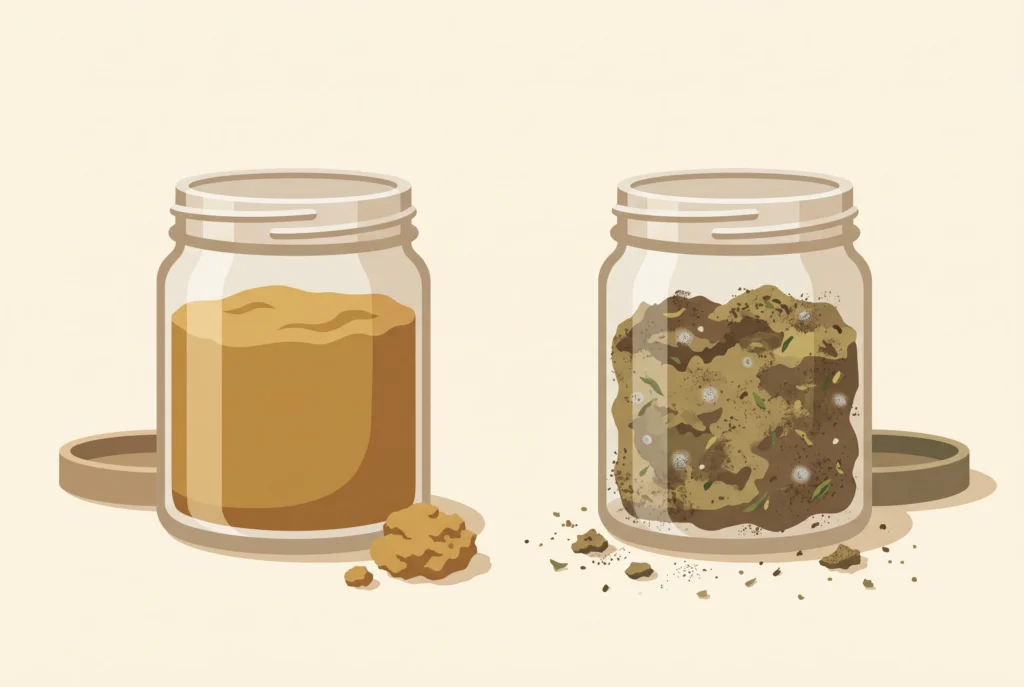
Good hash looks, smells, and behaves a certain way, and a few quick checks will tell you most of what you need to know before you buy or smoke it.
1. Start with a visual check. You’re looking for consistent color, no visible plant material, no unwanted growth, and a surface that isn’t overly dusty.
2. Then there’s the bubble test: Touch a flame briefly to a tiny piece, and quality hash bubbles cleanly and burns down to light gray ash. If it barely reacts or doesn’t bubble at all, that’s a sign of lower quality.
3. The press test is just as telling and doesn’t require fire. Warm a small piece between your fingers. Good hash softens and turns pliable, almost like soft candy. If it stays hard and crumbly no matter how long you work it, it was likely made from older or lower-grade material.
4. Smell tells its own story. Fresh, quality hash should smell terpene-rich, not flat. A musty or hay-like smell usually points to poor storage or a rushed cure, while anything crackling or chemical-smelling can mean leftover solvent, which is worth avoiding altogether.
None of these checks beat a third-party Certificate of Analysis, though. That’s the one that actually shows potency alongside screening for pesticides, heavy metals, residual solvents, and microbials, and it’s worth asking for before anything else.
“Most of our customers top a bowl of flower with a little bubble hash or crumble it into a pre-roll for an extra kick. It’s an easy way to try hash without jumping straight to a dab rig,” says Lauren Shade, Customer Service and Retail Warehouse Manager.
How to Store and Thaw Hashish
Hash stays fresh longest when it’s kept cool, dark, and sealed away from air. An airtight glass jar is the gold standard, or you can wrap it in parchment and tuck that inside a sealed container. Keep it away from light, heat, and open air, since all three will slowly change its terpene and cannabinoid content, even if the hash still looks fine on the outside.
For short-term storage, a cool cabinet or the fridge works well. If you’re holding onto a larger batch for the long haul, the freezer preserves freshness best. The part people tend to get wrong is the thaw. When you’re ready to use frozen hash, let the sealed jar come fully to room temperature before you open it. Opening it too early lets condensation form directly on the hash, and that moisture can soften the texture and invite mold over time.
Once it’s ready, handle it with a dab tool or clean parchment rather than warm fingers. Body heat is enough to melt the delicate trichome heads on contact, and that’s flavor and potency you can’t get back.
Hashish vs Weed
Hash and weed come from the same cannabis plant, but they’re different products with very different strengths. Weed is the dried flower itself. Hash is the concentrated resin pulled from that flower. That’s really the whole answer to “is hashish weed”: same plant, very different form, almost like asking whether apple juice is an apple.
A few comparisons help the difference actually land. Hash is typically two to four times more potent per hit than flower, with a more concentrated terpene punch and a heavier feel overall. Flower, on the other hand, is easier for beginners to portion out, cheaper per gram in most markets, and more forgiving if you end up taking a bit more than planned. Think of flower as the version with more room for error, and hash as the version where a little really does go a long way.
Hash shines when you want efficiency, flavor density, and a stronger experience without smoking as much material. If you’re new to cannabis altogether, flower is the friendlier place to start, and you can always work your way up to hash once you’ve got a feel for your own tolerance. For a beginner-friendly format, THCA flower or pre-rolls are both solid entry points.