Hemp Ban November 2026: What to Do Before It Hits

Quick Answer: On November 12, 2026, federal law stops recognizing synthetic and non-naturally-produced hemp cannabinoids, like THC-P and THCV, etc., as hemp, while naturally found compounds including THCA and Delta 8 THC get a separate deadline of December 11, 2026. If you currently buy products with these cannabinoids, check what’s in them now and ask us about availability before November 12.
The hemp ban in November 2026 isn’t one switch. It’s a two-step change to how federal law defines hemp. The first step comes from Section 781 of the funding law signed in November 2025 (P.L. 119-37). In September, President Trump signed H.R. 6500, which pushed most of that change back to December 11, 2026. Only part of it stays on November 12. That part is narrower than most headlines suggest, and it matters for what you can still order today.
This guide explains what changes on November 12 and what doesn’t. You’ll see which cannabinoids are covered and how that applies to products you may already own. You’ll also get a step-by-step checklist, practical stock-up guidance, and current ways to save on anything you decide to buy. State rules apply on top of federal rules, and we’ll point that out where it matters.
🔑 Key Takeaways
- November 12 covers only cannabinoids the cannabis plant can’t make naturally, like THC-O, THCV, Delta 10, and THCP acetate. Natural THCA isn’t covered on that date.
- Some cannabinoids are still disputed. Sources disagree on converted delta-8 and HHC, and the FDA hasn’t published its list of naturally produced cannabinoids. Our products that list delta-8, THCP, or an unnamed “hemp cannabinoid” are worth checking first.
- A product can be federally compliant and still restricted in your state, so check both.
- Prepare early and buy as much as you can. Read each product’s COA, verify your age, and factor shipping time into your order. Most flower, concentrates, and THC vapes are final sale, and no one knows yet what happens to products you already own.
- The date could change, but nothing has passed yet. December 11 brings the bigger total THC change. Until Congress acts, treat November 12 as the date that counts.
What Happens on November 12, 2026
The exclusion of hemp-derived cannabinoid products containing cannabinoids “not capable of being naturally produced” by Cannabis sativa L. takes effect November 12, 2026. This applies to certain synthetic cannabinoids and products containing cannabinoids that were synthesized or manufactured outside the plant.
In plain English: if a cannabinoid can’t exist in the plant on its own, and the only way to get it is through a lab process, that compound loses federal hemp status on November 12. After November 12, intermediate and final hemp-derived cannabinoid products that fall within this exclusion are no longer classified as hemp under federal law.
Natural THCA isn’t on the November 12 list because Section 2019 of H.R. 6500 pushes the change from November 12 to December 11, 2026, for cannabinoids the cannabis plant can make naturally. THCA flower and hemp-derived Delta-9 both fall into that group.
The 0.3 total THC on a dry weight basis standard and the 0.4 milligrams of total THC per container cap are both on the December 11 schedule, not November 12.
The underlying law is Pub. L. No. 119-37, a funding act signed on November 12, 2025. Section 781 of that act changes how federal law defines hemp under 7 U.S.C. §1639o. It builds on the 2018 Farm Bill’s definition, which counted only delta-9 THC. When the change takes effect on December 11, hemp will be measured by total THC instead.
Which Cannabinoids Does November 12 Cover?
If the cannabis plant doesn’t make it on its own, it falls on the November 12 wipe-out side of the line. If you buy THC-O products such as THC-O gummies, that’s the category most directly in scope for the earlier date.
A few cannabinoids sit in a gray area: delta-8 THC, HHC, and THCP when they’re “converted,” meaning made in a lab by chemically changing another hemp compound, usually CBD. Experts disagree on which deadline applies. Some sources say they lose hemp status on November 12, 2026, along with THC-O. Others say they fall under a later deadline, which Congress set for December 11 when it signed H.R. 6500 on September 2, 2026. Until that’s settled, these are the products to check first.
The disagreement has a specific cause. The FDA hasn’t published a list identifying which cannabinoids count as naturally produced. Until that list comes out, treat the November 12 scope for HHC, converted delta-8, and THCP as unresolved, and plan for both possibilities.
Delta-10 THC is a similar case. It can appear in the plant in trace amounts, but almost every commercial delta-10 product is converted from CBD.
| Cannabinoid | Nov. 12 Status | Note |
| THC-O acetate | Covered | Lab-made. The clearest case. |
| Delta-8 (converted) | Disputed | Sources split between Nov. 12 and Dec. 11. |
| HHC | Disputed | Mostly lab-made. |
| THCP (converted) | Disputed | Same split as delta-8. |
| Delta-10 | Gray area | Mostly made from CBD. |
| THCA, natural delta-9 | Not covered | Later deadline: Dec. 11. |
Does It Affect the Products I Buy From The Hemp Doctor?
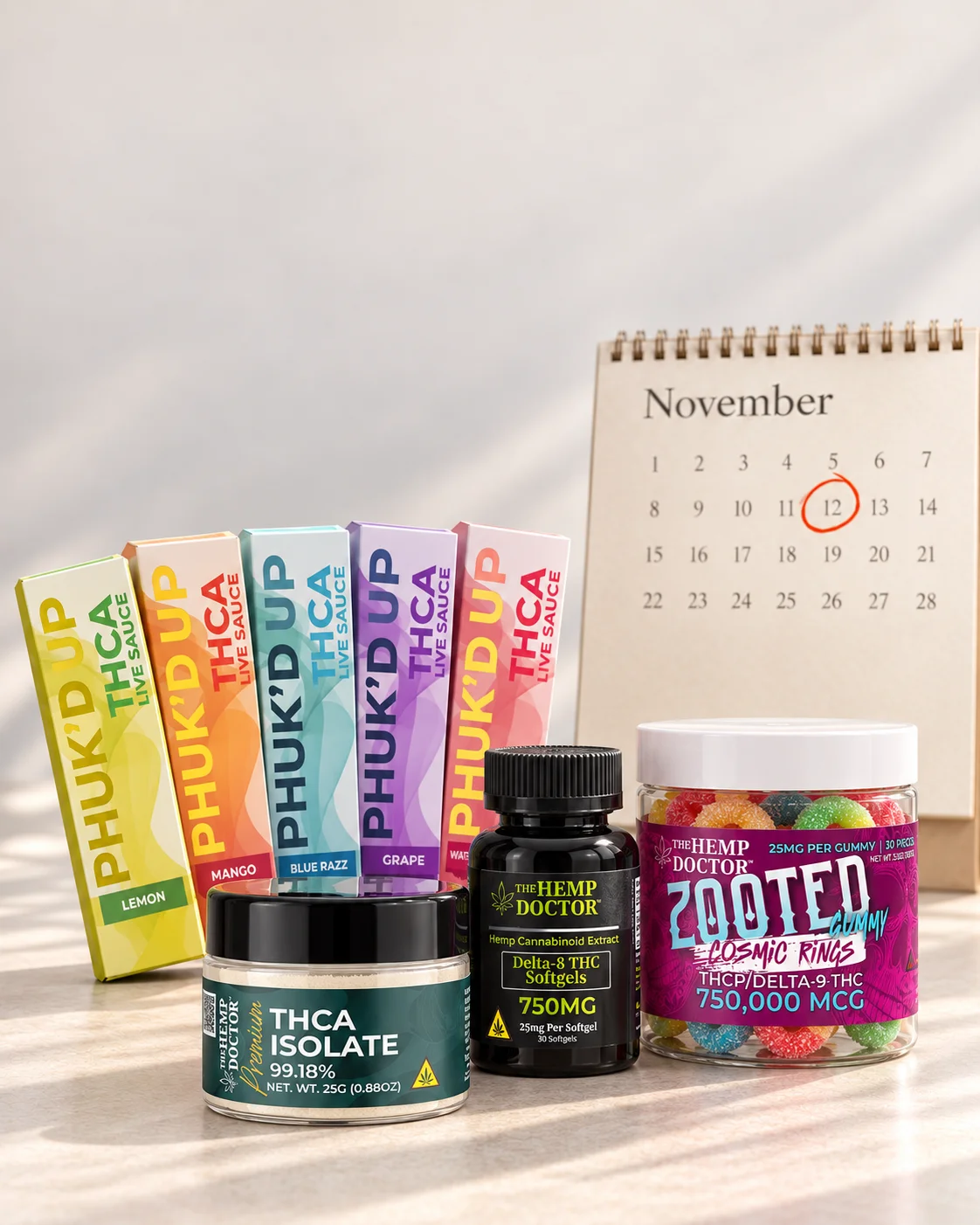
It depends on which cannabinoids are in the product. Here’s a simple view of the products most likely to need a label check. None is a clear-cut November 12 case, but each lists a cannabinoid in the gray area. Several also list an unnamed “hemp cannabinoid,” which is worth asking support about. Our compliance team will confirm each line before November 12.
- KAYO 3G Disposable Vape
- KAYO 2G Vape Cartridge
- PHUK’D UP Live Sauce Vape 1G
- PHUK’D UP THC Blend Vape 6.5G
- PHUK’D UP THC Blend Gummies 420 mg
- Zooted THCP + Delta-9 Gummies
- D8:D9 Gummies
- Delta-8 THC Medibles Gummies
- Delta-8 THC Softgels
Not covered on November 12: THCA flower and pre-rolls, THCA live resin vapes, delta-9 edibles, THC seltzers, CBD, CBG and CBN products, and pet CBD, as long as the label doesn’t list the cannabinoids above. So the safest move is to stock up on your favorite products now.
-
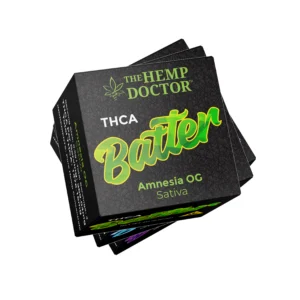
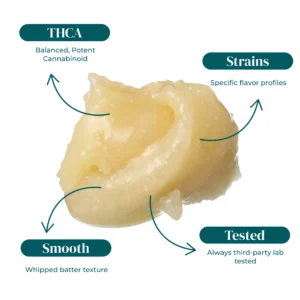
THCA BATTER | 2G
$49.95 — or subscribe to save 25%Shop Now This product has multiple variants. The options may be chosen on the product page -
Sale!On Sale


Liquidation: ZOOTED | THCA LIVE RESIN DISPOSABLE VAPE | 1G
Original price was: $34.95.$24.47Current price is: $24.47.Shop Now This product has multiple variants. The options may be chosen on the product page -
Sale!On SaleNew Product
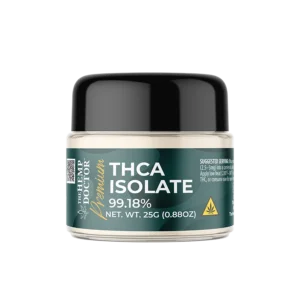
THCA Isolate Powder
Original price was: $79.95.$54.95Current price is: $54.95.Shop Now This product has multiple variants. The options may be chosen on the product page
Does It Affect My State?
Yes. State law applies on top of federal law, so the two can point in different directions. A product can be federally legal and still banned in your state. It can also be restricted federally and still allowed under a state program. However, post December 12, unless changed, companies will no longer be able to ship products across state lines. So if you want your products delivered to your door, it is best to order now.
To see where your state stands on November 12, 2026, read our state-by-state legality intercom.
The Hemp Doctor Customers: Your Step-by-Step Plan for November 12
Here’s the practical sequence. It works for one order or for a planned restock.
Step 1. Check your product’s ingredients. Open the product pages for what you usually buy and look at the cannabinoids and the lab report (COA). If a label lists delta-8, THCP, or an unnamed “hemp cannabinoid,” it’s worth a closer look.
Step 2. Decide what you’ll realistically use. Buy what you’ll use in the next few months. Most flower, concentrates, and vapes are final sale, so only order what you’re sure you want.
Step 3. Order early to allow for shipping. Orders take 2 to 5 business days to process, then 2 to 10 to ship. Priority shipping is faster (1 to 5 days). Orders of $99 or more ship free after discounts. Orders of $200 or more, and all vapes, need a signature on delivery, so make sure someone can receive the package.(The packages are discreet)
Step 4. Set up your account and verify your age now. We require 21+ verification. Doing it today means a verification hold can’t delay an order later.
Step 5. Check your state’s rules. Federal and state law apply separately, and your state may have earlier or stricter rules than the federal date.
Step 6. Ask our support team if anything is unclear. Ask three things: what’s actually in the blend, what the order cutoff is, and whether the product will keep being sold after the deadlines.
Step 7. Treat December 11 as its own date. The November 12 list is narrow. For most buyers, the bigger change comes on December 11.
Should You Stock Up With Our Products?
Stocking up makes the most sense, but do remember that certain hemp products have shelf lives. Edibles can change in strength, flavor, and texture over time, and vape cartridges don’t last forever either.
Also keep our return rules in mind. Flower, concentrates, and vapes are final sale, meaning you can’t return them or get a refund once you buy them. Some special sales are final sales, especially if the products are heavily discounted.
Here’s what we don’t know yet: whether you can use your products you already own in public or at home once the new rules start. That depends on how strictly the rules are enforced, how your state responds, and which cannabinoids the FDA lists as “naturally produced.”
How to Save While You Prepare
If you decide to stock up, stack today’s savings instead of paying full price out of urgency. Here are the ways to save at The Hemp Doctor:
| Savings | What You Get |
| Inventory clearing sales | We’re clearing inventory on certain products until November 12. |
| Black Friday and Cyber Monday (BFCM) | Don’t miss it. It may be your last chance to stock up at sale prices |
| Free shipping | On orders of $99 or more after discounts, and on all subscription orders |
| Deals page | Automatic discounts and overstock pricing, including deep cuts like the KAYO 3G disposable at $15 when it’s in stock |
| Month-long bundles | Typically 25% to 35% off while supplies last |
| Subscribe & Save | 25% off recurring orders, with a two-renewal minimum before you can cancel without a fee |
| Lucky Joint Club | About 10% back in points on qualifying orders, tier perks, plus special sale items on the canteen page |
| Flash sales | We run them regularly, so make sure you sign up on our mailing list. |
| Military discount | Available with verification |
| Sezzle | Split a larger order into installments at checkout. |
For a deeper walkthrough of stacking promotions, our Black Friday/all-year-round shopping savings tips cover the mechanics.
How to Store What You Buy
Yes, hemp products can change over time, and it’s usually easy to tell. You might notice an off smell, a color change, gummies that have turned hard or sticky, or a burnt or sour taste from a vape. The good news is that most of this is preventable with the right storage, depending on the format.
Here’s how to keep each one at its best:
| Product | How to Store it | Freezer? |
| Flower | Airtight glass jar, cool room temperature, out of direct light. Humidity is the enemy. | Only if fully dry and sealed. Repeated freeze-thaw does more harm than good. |
| Gummies and edibles | Sealed, cool, and dry. Humidity is the enemy. | Usually no. It often changes the texture. |
| Vape cartridges and disposables | Upright at room temperature, away from heat. | No. Cold thickens the oil and reduces airflow. |
| Tinctures and oils | Dark glass bottle, away from light and heat, cap tightly closed. | Not needed |
| Softgels | Original bottle, cap tightly closed, cool and dry, away from heat and humidity. | Not needed |
If you want to stock up with minimal shelf-life worry, start with our THCA Isolate Powder. It’s one of our longest-lasting products and one of our most flexible. You can stir it into smoothies and cold drinks, bake with it, or use it as a bowl topper or a dusting for flower and pre-rolls. Our guide, 8 Ways to Use THCA Isolate Powder, walks through each method.
If you want a deeper breakdown, see how to store delta-8 THC by product type and how to store CBD products by product type.
Could the Date Change?
It could, but only if Congress passes a new law, and nothing has passed yet. Congress has already delayed part of the law once. The day before the signing, the U.S. House voted 370-48 to accept the Senate’s version of H.R. 6500, the Continuing Appropriations and Extensions Act, 2027. Section 2019 of that bill moves the federal hemp THC ban from November 12 to December 11, 2026. The synthetic cannabinoid piece stayed on November 12.
Two other bills could change things further. The HEMP Act (H.R. 1287), a bipartisan bill introduced in January 2026, would set up a federal regulatory framework for hemp-derived cannabinoids instead of banning them. The Hemp Planting Predictability Act would push the H.R. 5371 hemp provisions from November 2026 to November 2028. Neither has passed.
Expect the picture to shift as the next appropriations fight unfolds, and treat any talk of a “last-minute delay” as uncertain until it’s signed law.
Final Word
The hemp ban in November 2026 starts with a narrow federal rule on November 12. It targets cannabinoids the hemp plant can’t make naturally. Synthetics like THC-O are the clearest case. The FDA still hasn’t resolved converted delta-8, HHC, and THCP until it publishes its list.
For most shoppers, the right move is simple: check your COAs, confirm your state’s rules, and buy only what you’ll actually use. Then wait for official updates instead of social media rumors.
If you’re deciding what to buy before November 12, start with the products most likely to need a closer label check, like Delta-8 THC products, and look at their current COAs.
This article is for general information, not legal advice. Hemp rules are changing quickly, and no one knows yet exactly which products the November 12 rule will cover. Before you order, check your state’s laws and the lab report (COA) for any product you’re considering.