What Is Hemp Milk? Nutrition, Taste, and Uses

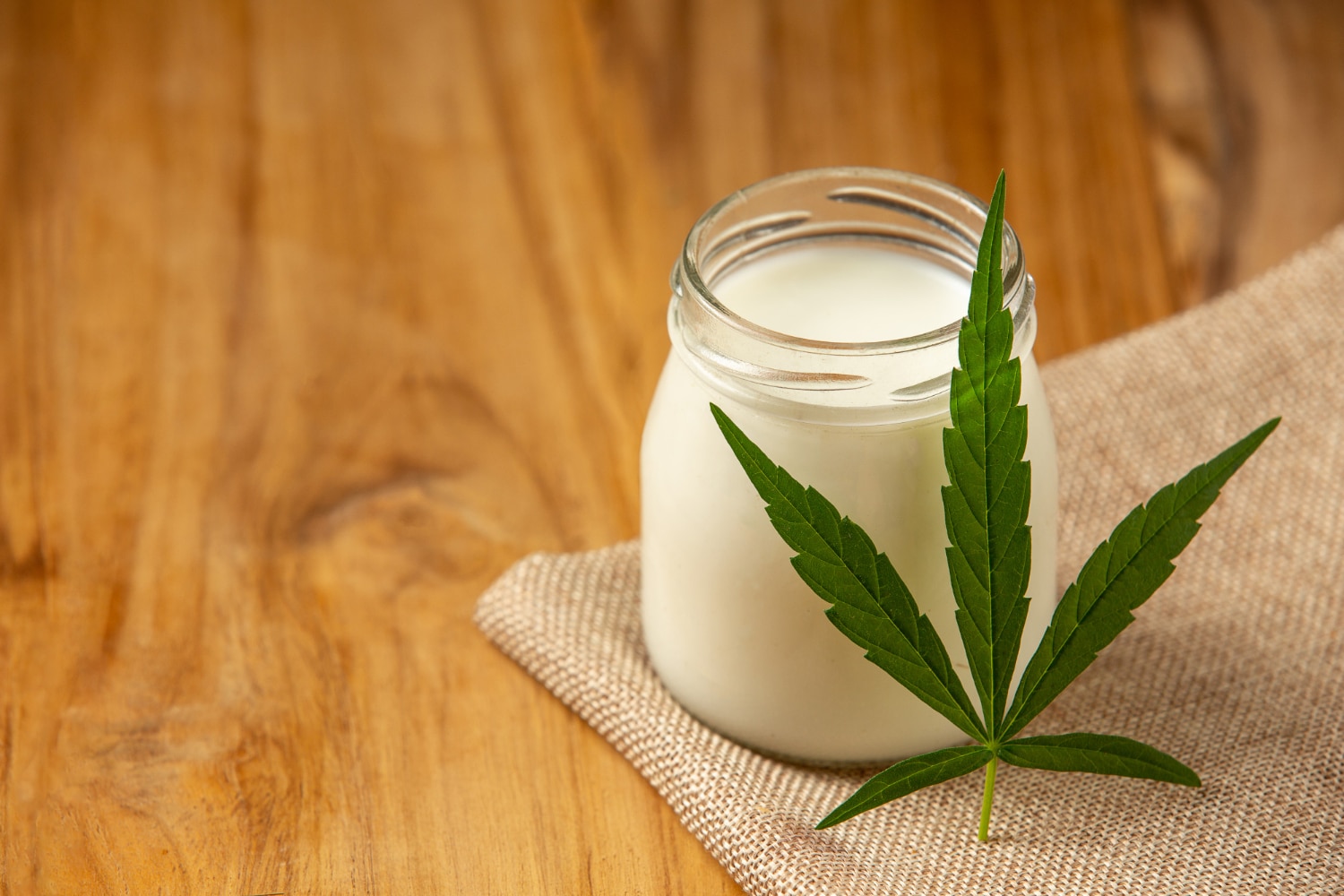
Quick Answer: Hemp milk is a dairy-free plant milk made by blending hemp seeds or hemp hearts with water. It has a mild, nutty, slightly earthy flavor and does not get you high because it comes from hemp seeds, not marijuana flower.
If you’re exploring dairy-free, nut-free, or soy-free milk options, plant-based hemp milk might already be on your radar. Many people wonder what it’s made from, whether it contains THC, how it tastes, and how it compares with almond, oat, soy, and dairy milk.
This guide covers what to know before trying hemp milk for the first time or adding it to your routine. We’ll walk through hemp milk nutrition, taste, homemade vs. store-bought options, common uses, and how to decide if this plant-based milk alternative fits your preferences.
🔑 Key Takeaways
- Hemp milk is made from hemp seeds and water, and it is dairy-free, vegan, and typically nut-free and soy-free.
- It does not cause intoxication and is not the same as CBD drinks or cannabis beverages.
- It has an earthy, nutty flavor and a creamy consistency.
- Nutrition varies widely depending on brand, recipe, and fortification, so always check labels.
- Homemade hemp milk is simple to make but usually does not include added calcium, vitamin D, or B12.
What Is Hemp Milk?
Hemp milk is a non-dairy beverage made by blending water and seeds from the hemp plant. You may also see it labeled as hemp seed milk. It is widely available and can be used in place of cow’s milk in many recipes.
Commercial hemp milk comes in both refrigerated and shelf-stable versions. Some brands offer unsweetened, vanilla, or lightly sweetened varieties. Like other plant-based milk alternatives, hemp milk can go into smoothies, cereal, coffee, baking, and cooking wherever you’d typically reach for dairy milk.
What Is Hemp Milk Made From?
At its simplest, hemp milk is made from hemp hearts — also called hulled hemp seeds — blended with water. That’s the basic homemade formula. The final beverage is diluted once blended, so the nutrition profile depends on how much hemp seed is used.
Store-bought versions often contain additional ingredients beyond seeds and water. Common additions include salt, natural flavors like vanilla extract, sweeteners in flavored versions, oils, gums, or stabilizers for texture, and added nutrients such as calcium, vitamin D, or B12 in fortified products. Since ingredient lists vary by brand, check labels to know exactly what you’re getting.
Does Hemp Milk Get You High?
No, hemp milk does not get you high. Hemp milk is made from seeds, not marijuana flower.
Hemp milk is also not the same as CBD drinks or other cannabis beverages. Products made from hemp seeds are not intended to have mind-altering effects and may contain only trace amounts of THC, depending on the product and brand standards. If you’re exploring hemp-derived CBD products, those are a separate category from food-based hemp items like hemp milk.
If you’re subject to strict workplace or competitive testing, choose products from reputable brands that provide clear testing or quality standards. People with strict testing requirements should do their own research before adding hemp-based products to their routine.
What Does Hemp Milk Taste Like?
Hemp milk has a distinctive flavor that sets it apart from other plant-based options. Most people describe it as earthy, nutty, and slightly grassy, with a creamy consistency. Homemade versions can taste stronger than store-bought versions, especially when made with a higher seed-to-water ratio.
The texture tends to be creamy when made with enough hemp hearts, which is one reason it appeals to people looking for alternatives to thinner plant milks like rice or almond. Vanilla or lightly sweetened versions taste more familiar to people new to this nutty flavor, making them a good starting point.
Hemp Milk Nutrition: What to Know
Hemp milk nutrition depends heavily on the seed-to-water ratio, brand, flavor, and whether the product is fortified.
When comparing labels, pay attention to calories per cup, protein per cup, total fat, added sugars, calcium, vitamin D, vitamin B12, and sodium. Hemp seeds themselves are nutrient-dense, but hemp milk is diluted when blended with water — so the final beverage may contain less of certain nutrients per serving than whole hemp seeds.
Avoid assuming hemp milk is automatically a high-protein drink. Check the nutrition label to see what you’re getting per serving.
Hemp Seeds vs. Hemp Milk
Whole hemp seeds and hemp milk are not nutritionally identical. When hemp seeds are blended with water to make hemp milk, the concentration of seed-based nutrients changes depending on the recipe.
This means hemp milk may contain less protein and fewer minerals per serving than you might expect if you’re thinking about whole hemp seeds. Always check the nutrition label when comparing hemp milk to soy, pea, dairy, almond, or oat milk.
Fortified vs. Unfortified Hemp Milk
Fortified and unfortified hemp milks can be very different. Some store-bought hemp milks include added calcium, vitamin D, vitamin B12, or other nutrients. Others do not.
Homemade hemp milk is usually unfortified unless you add separate ingredients yourself. If you plan to use hemp milk regularly in place of dairy milk, compare labels and choose the option that best fits your overall eating routine.
Why People Choose Hemp Milk
Many people choose hemp milk because it works well as a dairy-free, plant-based milk alternative. It can be a practical option if you want something creamy, seed-based, and different from almond, oat, soy, or coconut milk.
Hemp milk is dairy-free and vegan. It is also typically nut-free and soy-free, though anyone with strict allergy concerns should check labels for facility and cross-contact information. Many brands are also gluten-free, depending on ingredients and processing.
Hemp milk’s creamy consistency works well in everyday uses from smoothies to cereal. It is also easy to make at home with just two base ingredients: hemp hearts and water.
Potential Downsides of Hemp Milk
Hemp milk has real trade-offs worth knowing before you buy.
The earthy flavor may not appeal to everyone, especially those used to more neutral-tasting milks like almond or oat. Protein content varies significantly between products and is often lower than soy, pea, or dairy milk.
Homemade versions usually are not fortified, which means they typically do not include added calcium, vitamin D, or B12. Flavored versions may contain added sugars, and some store-bought options include oils, gums, or stabilizers that not everyone wants in their diet.
Hemp milk can separate and typically needs shaking before use. It may also be harder to find than almond, oat, or soy milk at some grocery stores. And if you’re avoiding seeds or hemp-derived foods for any reason, this one won’t work for you.
Homemade vs. Store-Bought Hemp Milk
Deciding between homemade and store-bought hemp milk comes down to balancing convenience against ingredient control. Both can work depending on your priorities.
Comparison Table: Homemade vs. Store-Bought Hemp Milk
| Factor | Homemade Hemp Milk | Store-Bought Hemp Milk |
|---|---|---|
| Ingredients | Hemp hearts and water, plus optional flavorings | Hemp base plus possible salt, sweeteners, oils, gums, stabilizers, and added nutrients |
| Flavor | Fresh, nutty, sometimes stronger | Often milder and more consistent |
| Texture | Creamy but may separate | Usually smoother and more stable |
| Nutrition | Depends on recipe ratio | More consistent label information |
| Fortification | Usually not fortified | Often fortified with calcium, vitamin D, or B12 |
| Convenience | Requires blending | Ready to use |
| Shelf life | Usually a few days in the fridge | Longer, depending on packaging |
| Cost | Can be cost-effective if hemp hearts are affordable | Convenient but may cost more per serving |
How to Make Hemp Milk at Home
Making hemp milk at home is straightforward. Add hemp hearts and water to a blender, typically using a ratio of about 1/4 to 1/2 cup of hemp hearts per 2 cups of water, depending on how creamy you want it. Blend until smooth.
From there, add optional ingredients like a pinch of salt, vanilla extract, cinnamon, dates, or maple syrup for flavor. One advantage of hemp milk over some other homemade plant milks is that straining is often not necessary because hemp seeds blend smoothly without much grit.
Store your hemp milk in a sealed container in the refrigerator and shake before using. Homemade hemp milk is best used within three to five days.
Best Ways to Use Hemp Milk
You can use hemp milk in many places you would use dairy milk or another plant milk. That said, the earthy, nutty flavor may be more noticeable in some applications than others.
Hemp Milk Use-Case Matrix
| Use | How Hemp Milk Performs |
|---|---|
| Coffee | Can work, though the earthy flavor may be noticeable; barista-style versions may foam better |
| Smoothies | Works very well because fruit, cocoa, or nut butter can balance the flavor |
| Cereal or granola | Good for people who enjoy a nutty taste |
| Baking | Often works as a 1:1 swap for milk in many recipes |
| Savory sauces | Use unsweetened hemp milk only; flavor may be noticeable in delicate sauces |
| Drinking plain | Best chilled; vanilla or lightly sweetened versions may be more approachable |
Hemp Milk vs. Other Milks
When comparing hemp milk vs. almond milk and other alternatives, think in terms of trade-offs rather than declaring one universally better. Each option has strengths and limitations depending on your dietary needs, taste preferences, and how you plan to use it.
Hemp Milk vs. Almond Milk
Hemp milk is usually nut-free, while almond milk contains tree nuts. This makes hemp milk a better fit for people avoiding tree nuts. Almond milk tends to be more widely available in grocery stores and may be lower in calories depending on the brand.
Hemp milk usually has a creamier, more earthy flavor compared to almond milk’s lighter, slightly sweet taste. Cost can also differ by brand and store. Sustainability comparisons vary based on farming practices, water use, processing, packaging, and transportation for both options.
Hemp Milk vs. Oat Milk
Oat milk is usually naturally sweeter and often creamy, making it popular for coffee drinks. Hemp milk is typically nuttier and earthier in flavor. Oat milk often contains more carbohydrates per serving.
Hemp milk may appeal to people avoiding oats or wanting a seed-based option instead of a grain-based one. If you’re looking for something that foams well for lattes, barista-style oat milk generally performs more consistently than standard hemp milk.
Hemp Milk vs. Soy Milk
Soy milk often has more protein than hemp milk, making it a common choice for people prioritizing protein intake. Hemp milk may be preferred by people avoiding soy for dietary or personal reasons.
Both are plant-based and commonly available in unsweetened versions. Compare labels for protein, added sugar, fortification, sodium, and ingredient preferences.
Hemp Milk vs. Pea Milk
Pea milk is often higher in protein per serving than hemp milk. If hitting a specific protein target matters to you, check labels to compare. Hemp milk may have a more distinctive nutty or earthy taste.
Both can be useful options for people avoiding dairy, nuts, or soy. Your best fit depends on taste, nutrition label, availability, and how you plan to use it.
Hemp Milk vs. Dairy Milk
Hemp milk is dairy-free and plant-based, which makes it suitable for vegans and people avoiding dairy. Dairy milk generally has more consistent protein and naturally occurring nutrients.
Some fortified hemp milks include added calcium, vitamin D, vitamin B12, or other nutrients. However, labels vary, so compare specific products to find the option that best fits your eating routine.
Plant Milk Finder:
Which Milk Is Right for You?
Tell us what you need to avoid and what matters most — the tool ranks all eight common milk options and gives you a personalized reason for each pick.
These filter out any milk that doesn’t qualify — check all that apply.
Select one or more — the more you choose, the more precisely the recommendations fit you. Selecting none shows the most generally versatile milks.
Hemp seeds, hemp milk guides, and lab-tested hemp-derived CBD products for every routine.
Milk rankings are based on general product category characteristics. Individual brands vary — always check nutrition labels for protein, added sugar, fortification, and ingredients. This tool is for general educational guidance only. For allergy concerns, consult your healthcare provider or allergist before trying a new product.
How to Choose the Best Hemp Milk
Shopping for hemp milk gets easier when you know what to look for. Consider these factors when comparing products:
- Choose unsweetened versions for everyday use if you want to avoid added sugars.
- Look for fortified options if added calcium, vitamin D, or B12 matter to your routine.
- Check protein per serving if protein is a priority.
- Review the ingredient list to see if it matches your preferences regarding oils, gums, or stabilizers.
- Consider whether refrigerated or shelf-stable packaging works better for how often you plan to use it.
- Pick vanilla or original flavor depending on whether you want something more neutral or slightly sweet.
- If you’re using hemp milk for coffee drinks, look for barista-style versions designed to foam better.
Is Hemp Milk Right for You?
Deciding whether hemp milk fits your routine depends on what you’re looking for in a milk alternative.
Hemp Milk May Be a Good Choice If You Want
- A dairy-free milk alternative
- A vegan milk option
- A usually nut-free plant milk
- A usually soy-free option
- A creamy texture
- A nutty or earthy flavor
- A milk alternative for smoothies, cereal, baking, or coffee
- A simple homemade plant milk recipe you can make with minimal equipment
Hemp Milk May Not Be the Best Fit If You Want
- A very neutral flavor
- The highest-protein plant milk option
- A milk that foams easily in every coffee drink
- A fortified product when you only plan to make it at home
- A widely available option at every grocery store
- A seed-free milk alternative
Goal-Based Hemp Milk Decision Table
| Goal | Is Hemp Milk a Good Choice? | Other Options to Compare |
|---|---|---|
| Dairy-free milk | Yes | Almond, oat, soy, pea, coconut |
| Nut-free milk | Usually yes | Oat, soy, pea, rice |
| Higher protein | Sometimes, check label | Soy, pea, dairy |
| Lower sugar | Yes, if unsweetened | Unsweetened almond, soy, pea |
| Coffee foam | Sometimes | Barista oat, soy, pea |
| Creamy smoothies | Yes | Oat, soy, coconut |
| Neutral flavor | Maybe not | Almond, oat, rice |
| Simple homemade milk | Yes | Oat, almond, cashew |
| Fortified dairy replacement | Only if fortified | Fortified soy, pea, dairy |
Is Hemp Milk Sustainable?
Hemp is often discussed as a crop with practical growing characteristics, including relatively low water needs compared with some other crops. However, avoid broad claims like “the most sustainable milk” without context.
The overall environmental impact of any milk depends on farming practices, water use, processing, packaging, and transportation. When comparing hemp milk to almond, oat, soy, or dairy, the answer depends on specific brand sourcing and production methods.
Conclusion
Hemp milk is a dairy-free, plant-based milk made from hemp seeds and water. It offers a creamy consistency and a nutty, slightly earthy taste that works well for smoothies, cereal, coffee, and baking. It does not get you high and is not the same as CBD drinks.
Whether hemp milk is a good fit for you depends on your priorities. Nutrition varies between homemade and store-bought fortified versions, so compare labels when making your choice. Consider your taste preferences, protein goals, fortification preferences, ingredient standards, and how you plan to use it.
If you’re curious, try unsweetened hemp milk in a smoothie or cereal first. Once you know whether you like the flavor, test it in coffee or baking to see how it works in different applications.
If you’re exploring hemp beyond the kitchen, you can also browse The Hemp Doctor’s CBD, CBG, and CBN collection for hemp-derived options that may fit different adult lifestyle routines.
-
D8:D9 THC GUMMIES | 65MG
Price range: $4.95 through $59.95 — or subscribe to save 25%Shop Now This product has multiple variants. The options may be chosen on the product page -
-