How Much Is a Weed Pen in 2025?


Weed pens in 2025 typically range from $20 to over $300. This is based on The Hemp Doctor’s market review of leading online dispensaries and cannabis vape retailers. With so many new brands and models hitting the shelves, the variety of choices can make shopping for the right one feel overwhelming, especially if you’re trying to balance price with quality.
While it’s tempting to grab the cheapest vape, low price doesn’t always equate to good value. Knowing what influences the cost of a weed pen can help you avoid disappointment and make smarter, longer-lasting choices.
This guide breaks it all down by explaining how different types of weed pens are priced, what features to look for, and how to find the best balance between performance and price.
🔑 Key Takeaways
- Disposables are affordable and convenient, and typically priced $20–$40.
- Rechargeables are a mid-range option priced between $30 and $80, offering improved performance and flexibility.
- Premium Pens, particularly high-end models with advanced features and high-quality materials range from $80 to $300+.
Average Weed Pen Prices in 2025
Low-End Price Range: Disposable Pens, Budget Brands ($40 or less)
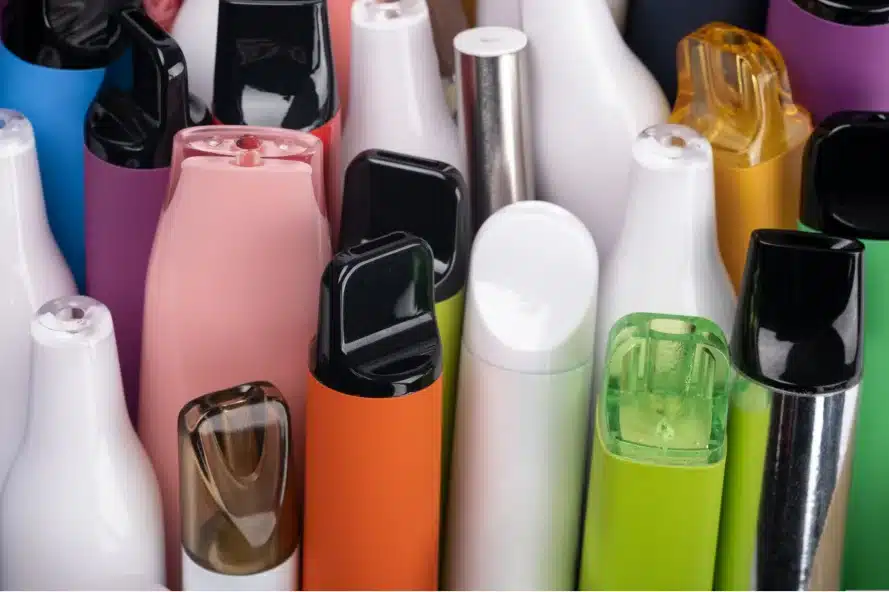
As a general rule, you’ll spend less on disposable vapes than you will on durable gear, but it’s still important to find products that strike a decent balance between affordability, performance, and lasting longer than the bare minimum.
You can find budget vapes for under $40, sometimes way under. Just try not to give in to the temptation of shockingly low prices. You’re not going to find a legitimate, safety-tested five-gram disposable for five or ten bucks.
Oil capacity matters too. One- and two-gram disposables are typical, but pens loaded with six grams or more of oil aren’t that rare anymore, either. Of course, you’ll only find those heftier gram options in hemp brands since licensed dispensaries face strict THC limits preventing them from selling high-capacity vapes.
One-gram vapes from a budget brand might cost $20, but if you spot a six-gram option at that same price, be wary.
It’s smart to compare prices and avoid overspending, but ultra-cheap products could contain harmful additives. Vitamin E acetate, linked to lung injuries in illicit vape products, shows why proper testing matters.
How Much Is a Dab? (Weight, Cost, and What You’re Really Getting)
Mid-Range: Reliable Rechargeable Pens, Popular Brands ($30 – $80)
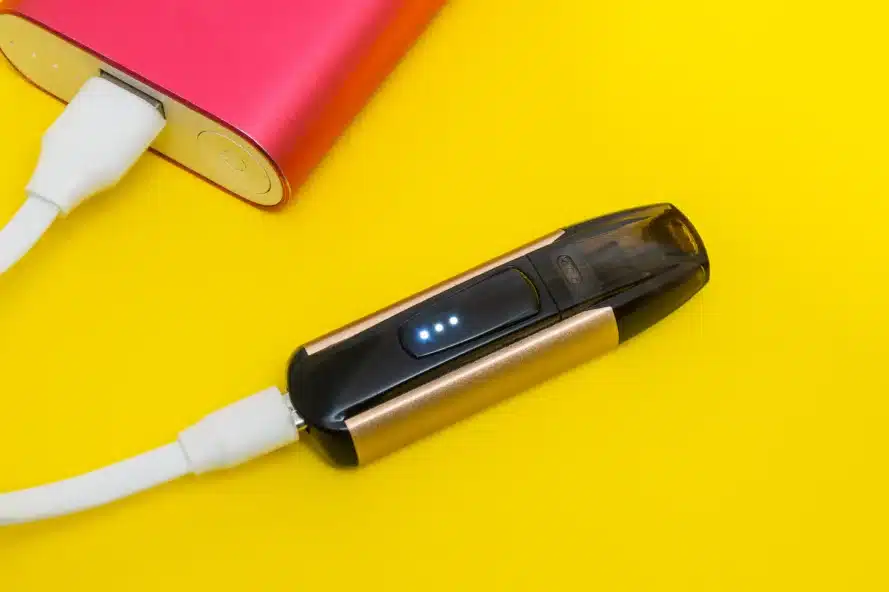
If you’re able to invest slightly more, you’ll find a wider assortment of rechargeable vape pens and cannabis cartridges (get to know what carts are) from established brands. Products in this bracket usually run $30 to $80 and outperform their budget counterparts in several ways—though what matters most depends on you. If you’d rather keep it basic, these products might border on overkill.
Rechargeable pens often last longer, produce more consistent vapor, and feel more solid in your hand. You may also discover additional features, such as variable voltage settings, preheat functionality, haptic feedback, and LED indicators.
For many people, this mid-range category is the sweet spot. You’re getting quality, useful features, and decent value without blowing your budget.
High-End: Premium Devices, Luxury Brands, Advanced Features ($80 – $300)
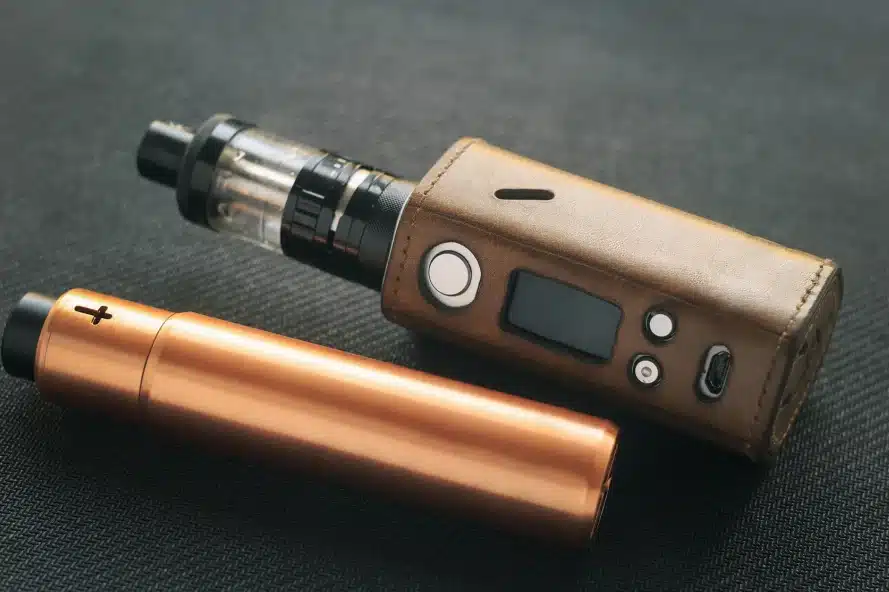
Once you enter the higher end of the price range, longevity should be just one of your concerns. It probably isn’t worth splurging on expensive gear unless you’re also getting unique features, durable materials, or exceptional performance.
High-end weed pens can cost anywhere from $80 to $300 or more. You might get temperature control, app connectivity (like the PAX Era Pro), custom heating profiles, or dosage tracking. Premium brands also tend to have better overall build quality: more durable components, stricter quality control, and designs that deliver cleaner, more nuanced vapor.
High-end cannabis vapes also tend to come with sleeker designs, fancier packaging, or even a generous warranty.
Some are designed specifically for cannabis concentrates and can handle various types of extracts, not just pre-filled cartridges—of course, effective mid-range dab pens aren’t unheard of, either. You’ll just have a wider selection if you’re open to investing.
Discover what a dab pen is and explore its capabilities.
Factors That Affect Weed Pen Prices
In line with the ample diversity of today’s cannabis market, weed pens feature a wide range of characteristics that impact their cost, including:
- Extract type: If you’re interested in live resin, live rosin, or other specialty extraction methods, expect to pay more than you would for standard distillate. These extraction techniques take more time, finesse, and specialized equipment—craftsmanship that you’ll likely pay extra for.
- Battery life and rechargeability: Pens with longer-lasting batteries or rechargeable disposables cost more than basic single-use options or stick batteries. Better battery tech, fast charging, and extended capacity all bump up the price.
- Features: Expect to pay more for features like temperature control, digital displays, or app connectivity. Every extra feature adds complexity and cost.
- Brand reputation: This isn’t the final boss of pricing, and pens from established brands might carry a very reasonable price tag. But generally speaking, trusted brands with strong safety records and quality control tend to price their products higher than unknown retailers.
- Oil quantity: Here’s a straightforward one. More oil means higher prices. A five-gram disposable weed pen will cost significantly more than the one-gram alternative, though the per-gram price might actually be cheaper with larger quantities.
- Design and materials: Vapes built from higher-end materials like stainless steel often cost more than simple plastic models. You get a sturdier, more polished device, but premium materials don’t automatically mean better performance.
Types of Weed Pens and Their Average Cost
Different types of weed pens come with varying price tags, each serving distinct needs and budgets.
Disposable Pens ($20 – $80)
Disposable weed pens are the simplest and usually the most affordable option available. These all-in-one devices come pre-loaded with oil and a built-in battery. Prices generally range from $20 to $80, depending on the oil quantity, brand, and quality.
The main appeal is convenience: no charging or cartridge swapping, just vape until empty and dispose.
With that in mind, the per-gram cost can sometimes (but not always) be higher than other options, and you’re limited to whatever strain or oil type comes pre-loaded.
Rechargeable Batteries with Pre-filled Carts ($15 – $80)
These setups combine a rechargeable battery with replaceable cartridges that you swap out when empty. Most use the 510-thread standard, which is a universal screw-style connection that allows you to mix and match batteries from different sellers with carts from nearly all manufacturers.
Basic 510 batteries start around $15, while higher-end options can reach $80 or more. Replacement carts typically run $20 to $80 each.
This approach offers more flexibility than disposables: you can experiment with various strains and brands while keeping your trusty battery, and the universal threading means you’re not locked into one ecosystem.
Wax Vape Pens ($30 – $150)
These devices are designed specifically for concentrates like wax, shatter, or budder, rather than oil cartridges. Prices typically range from $30 to $150, with pro-level units costing even more.
Dab pens require more upkeep and technique to use correctly, but they can deliver outstanding flavor and potency if you’re into concentrates.
Dry Herb Vaporizers ($80 – $400)
While technically not “weed pens” in the cartridge or extract sense, portable dry herb vaporizers deserve a mention. These devices heat ground cannabis flower to create vapor without combustion. Quality units start around $80 and can exceed $400 for top-tier models.
Saving Money on Weed Pens: Source Matters
Where you shop impacts how much you’ll spend. Each source comes with pros and cons.
Direct from Brand Websites – Avail bundles or loyalty discounts.
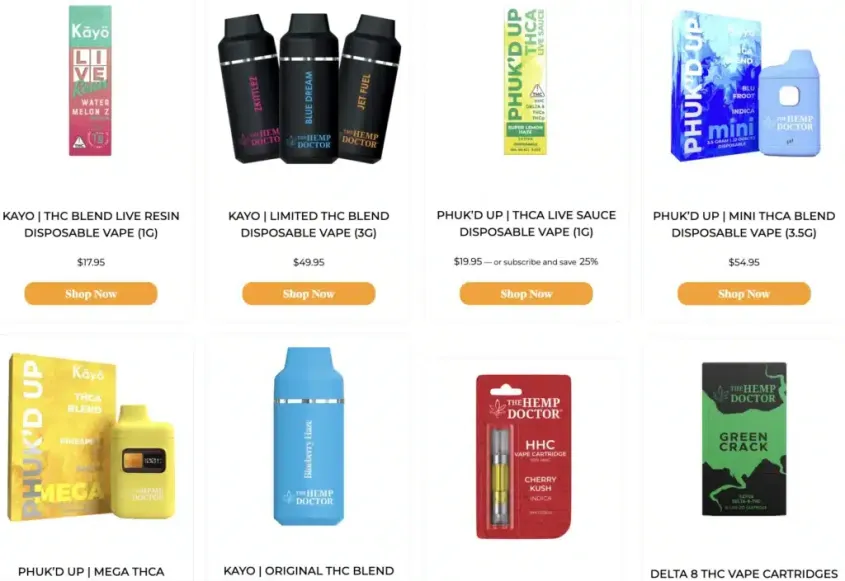
Buying directly from manufacturers gives you access to their full lineup, limited-edition releases, and dedicated customer support. Many brands offer first-time buyer discounts, loyalty programs, or bundle deals to help reduce the costs.
The catch? You’re stuck with just that one brand’s products, though that’s not a bad thing if you are already a fan of what they make.
Multi-Brand Online Retailers – Price variety with occasional deals.
Multi-brand platforms allow you to shop from multiple brands, making it easier to compare prices and product specifications in one shopping platform. Because they work with numerous suppliers, they often feature competitive pricing, sales, clearance events, or offer bulk discounts.
The downside is that you can’t physically inspect products before purchasing, and shipping times can vary. It pays to check return policies, lab reports, and customer feedback before committing to a purchase from these online retailers.
Licensed Dispensaries – Price depends on state/local taxes.
How much you spend on a dispensary vape depends strongly on your state. You probably won’t spend the same amount on a vape from a New Jersey dispensary as you would in Washington or Montana, where the tax on cannabis retail sales is twenty percent or higher, compared to New Jersey’s humble 6.6 percent.
That said, the before-tax cost of cannabis is also crucial to consider, and states with higher tax rates could still offer affordable products (and vice versa).
Dispensaries do have their perks, though, such as knowledgeable staff and products that you can bring home that same day.
Physical Brand Stores – Higher trust, brand exclusives.

Some larger cannabis brands operate their own retail locations, offering brand-specific expertise and sometimes exclusive products. These tend to have higher prices but provide the most hands-on customer service.
If you’re near or passing by areas in North Carolina, visit The Hemp Doctor’s four physical brand stores located in Mooresville, Salisbury, Huntersville, and Concord.
What’s the Most Cost-Effective Weed Pen?
Occasional users – Disposable weed pens
Regular users – Rechargeable vape pens
Heavy users – Five-gram disposables or bulk cartridge purchases
This one is complicated and depends heavily on your usage patterns, preferences, and local market conditions. But the short answer: there’s no singular “most cost-effective” weed pen.
For occasional users, disposable weed pens might actually be the most cost-effective option despite their (sometimes) higher per-gram prices. You avoid the upfront investment of a battery, and there’s no risk of your gear sitting neglected for months. Compare this to regular users, who will likely save money with rechargeable systems. The initial investment pays off quickly when you’re buying carts on a routine basis.
Heavy users may find the best value in larger capacity options such as five-gram disposables or bulk cartridge purchases despite the higher upfront cost. Per-gram prices become cost-effective when you buy more, which is a perk worth noting here.
Don’t forget about the hidden costs, either. Cheap pens need constant replacement, while a quality vaping device can last you years. Always consider reliability, warranty coverage, and how much your time is worth.
Weed Pens Cost $20–$100 and Up
The cost of weed pens can vary tremendously, and it might not be as straightforward as we’d like it to be. Your individual preferences, how often you vape, and local prices all play a role in what you’ll end up spending. You can find decent budget pens starting at around $20, while high-end models can go for $100 or more.
The key is to understand what you’re paying for and whether those features are actually important to you. Just because a luxury wax pen costs $200 doesn’t mean it’s the best choice if the added features won’t benefit you.
On the other hand, extremely low prices can sometimes lead to compromises in quality, safety, or reliability, potentially costing you more in the long run.
A good approach is to start with a budget or mid-range pen to help you figure out what you like. From there, whether you gravitate towards low-cost disposables or premium setups, you’ll be better equipped to make a choice that suits you.
- 50% Off
KAYO | ORIGINAL THC BLEND DISPOSABLE VAPE | 3G
$25.00Shop Now This product has multiple variants. The options may be chosen on the product page - 50% Off
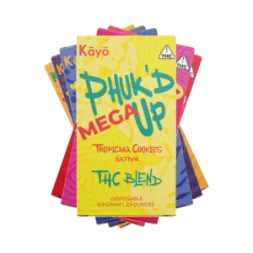

PHUK’D UP | THC BLEND DISPOSABLE VAPE | MEGA 6.5G
$40.00Shop Now This product has multiple variants. The options may be chosen on the product page - Limited Time

KAYO | LIMITED THC BLEND DISPOSABLE VAPE | 3G
$15.00Shop Now This product has multiple variants. The options may be chosen on the product page