How Much Is a Dab? (Weight, Cost, and What You’re Really Getting)

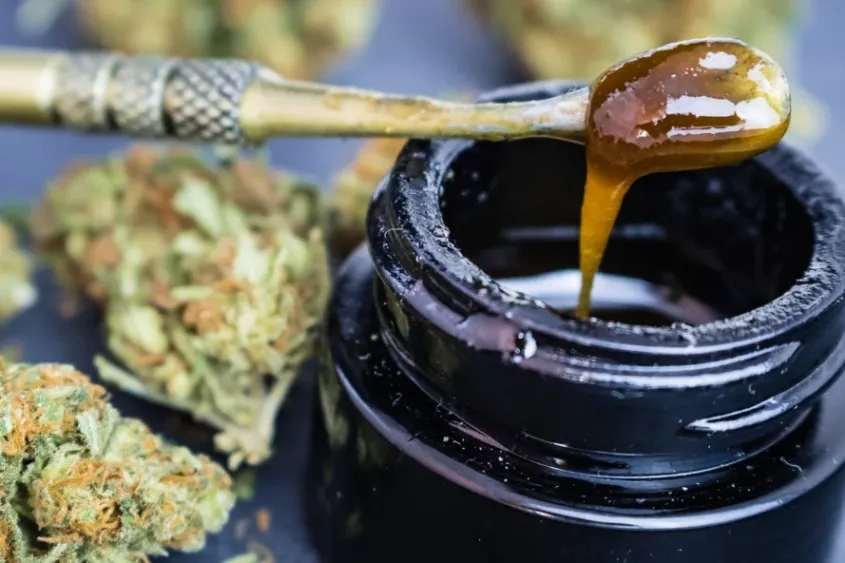
It’s difficult to pin down a single “average” price for dabs when there are so many variables at play. That said, a gram of concentrate typically costs $20 to $60 in US dispensaries, but dabbing doesn’t have to break the bank.
There are ways to keep costs down, just like there are times when it genuinely makes sense to invest in better gear or richer, more potent concentrates. It’s all easier to navigate once you know what to look for.
What Is a Dab?
Let’s clarify what people mean when they talk about a dab.
A dab is a small amount (sometimes very small, sometimes not) of cannabis concentrate vaporized at high heat. While cannabis flower can be either smoked or vaped, concentrates aren’t meant to be combusted. You can infuse joints with a small amount for an extra kick, though.
As for vaping and smoking equipment, you have a few options. Portable vaporizers and dab pens are a common entry point. Other users prefer traditional dab rigs, which usually consist of a glass rig, a banger (the component you apply heat to), and a torch.
Dabs provide a far higher concentration of THC than flower. It’s a massive part of their appeal, alongside the abundance of flavor-rich terpenes. But for first-time dabbers, this level of potency can be a lot. A dab smaller than a grain of rice might be more than enough for someone with little to no tolerance.
It’s also worth clarifying that “dab” doesn’t describe one specific type of extract. More accurately, it refers to how that extract is consumed. Shatter, wax, crumble, live resin, and live rosin can all be dabbed, despite their differences. Some concentrates are made using solvents like butane, while others are solventless, produced using only heat and pressure.
What Are the Different Ways to Dab? and How to Smoke Shatter, Dab, Wax and More: A Guide for Beginners
How Much Does a Dab Cost on Average?
Concentrates typically sell for $20 to $60 per gram, with some brands exceeding that range. Budget options include cured waxes, crumbles, or shatters, while expensive products include flash-frozen live concentrates or solventless options like live rosin.
Because dabs are sold by weight rather than by dose, the cost per dab depends on how much concentrate you’re using per session. Assuming roughly 15 to 25 dabs per gram, the cost looks something like:
- $25 per gram = about $1 to $1.60 per dab
- $40 per gram = about $1.60 to $2.60 per dab
- $60 per gram = about $2.40 to $4 per dab
In reality, you really only need around 0.05 grams of concentrate for a dab, especially with higher-potency products. Experienced dabbers may use more (sometimes double that or beyond), but even then, a single gram typically stretches across multiple sessions (lasting anywhere from a few sessions up to a week). Paying $50 or $60 per gram can feel steep, but you’re rarely consuming it all at once.
Cost of Dabbing Equipment
Dabbing is more reliant on specialized equipment than smoking flower, and that’s where costs can add up. The total investment varies depending on how simple or elaborate the setup is.
There are also ongoing costs to consider. Replacement coils or atomizers, butane for torches, cotton swabs, and cleaning solutions all factor into the long-term cost of your gear. None of these expenses is particularly large on its own, but together they shape the overall cost of dabbing.
How Much Is a Dab Pen
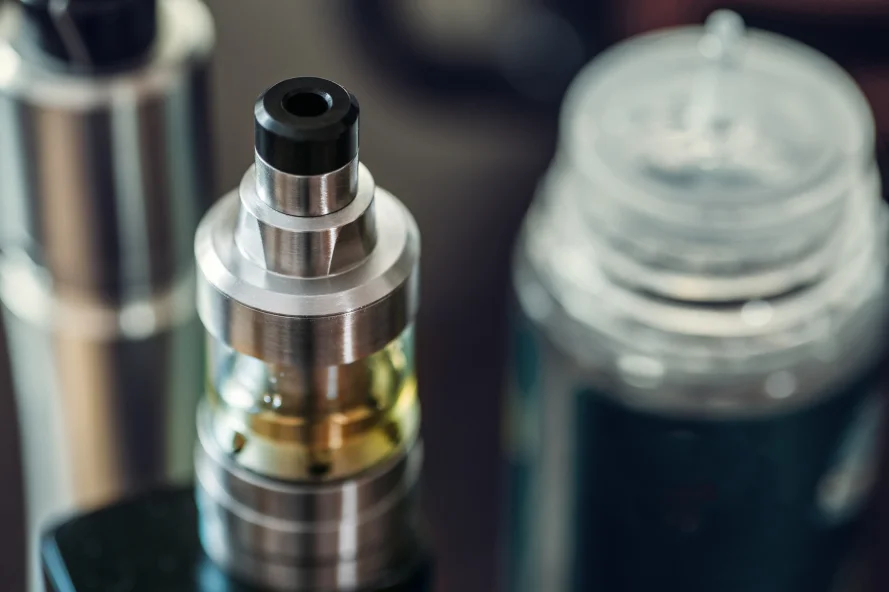
Dab pens are for the minimalists. At their most basic, they consist of a heating element and a battery (which you don’t need to purchase separately, unlike with weed carts), with that simplicity being part of their appeal.
Basic dab pens generally start around $25 to $30. These models are the most straightforward, with limited settings and little room for customization. Mid-range pens, which may offer adjustable temperature control, higher-quality heating elements, or larger batteries, typically fall between $40 and $70.
More feature-rich dab pens can cost over $100 (maybe even twice or triple that amount), particularly those designed with durability and precise control in mind. While these devices cost more upfront, they can offer a better experience over time and may last longer with proper care.
Maintenance is another factor to keep in mind. Many wax pens use replaceable coils or atomizers, which typically cost $10 to $30 and need to be replaced periodically, depending on how often you dab.
How Much Is a Dab Rig
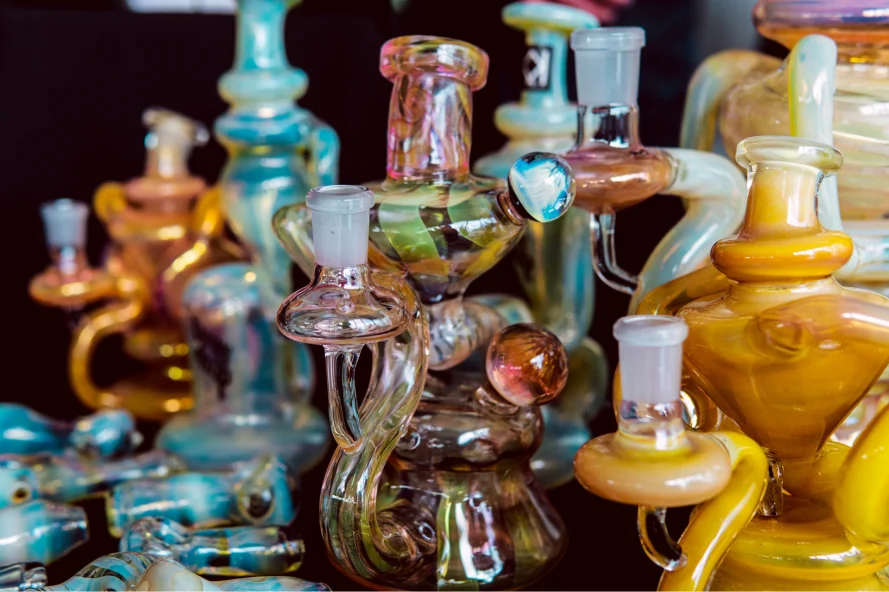
Traditional dab rigs are a product of many parts: the rig itself, banger, carb cap, tab tool, and torch. Individually, none of these items has to be expensive, but the total cost can creep up faster than expected if you’re not mindful of the whole setup.
The cost of a dab rig varies tremendously depending on materials, size, and craftsmanship. Simple glass rigs often cost $30 to $60, while thicker, more durable rigs can cost $80 to $150.
High-end rigs can easily run into the several-hundred-dollar range, including those made by independent glass artists. While pricier rigs may support better airflow and smoother hits (or are just more visually pleasing), they’re far from required. You don’t need to drop $500 on a rig to dab successfully.
Also, rigs are often sold without accessories. Your full setup will also involve a banger and carb cap, both of which add to the total cost.
Then there’s electric rigs (e-rigs) and desktop vaporizers, which merge heating and temperature control into a single device—and, again, cost varies greatly. You can find smaller, simpler e-rigs for around $150, but the price can stretch decently beyond that. These units cut the need for torches and reduce the amount of trial and error needed for a good dab, though.
How Much Is a Banger for a Dab Rig
The banger is where the dab actually goes, and it’s the component that gets heated. Most bangers are made from quartz, though ceramic and titanium options also exist.
Simple quartz bangers often cost $10 to $40, while more elaborate (or just more durable) options run closer to $50 or more. For better heat retention, consistency, and flavor, it could be worth investing in a higher-end banger. It’s not a requirement, but it may be worthwhile.
Chances are, you won’t need to buy a separate battery for your dab pen. They’re standalone devices with built-in batteries. And if that battery dies, it could be time for a new device.
You will occasionally hear people refer to either disposables or 510-thread batteries and carts as “dab pens,” however. Neither of these devices is for dabbing. Instead, you’re vaping cannabis oil that’s been formulated for cartridges, such as distillate or full-spectrum oil, rather than vaporizing a solid or semi-solid concentrate.
Factors That Affect the Price of Dab
You’ll want to consider a few factors when determining how much you’re willing to invest in dabs:
- Concentrate type: Some concentrates, including fresh-frozen options like live resin or live rosin, are more expensive because they take longer to create or require specialized equipment and more starting material than classic cured concentrates.
- Brand: Well-established brands with consistent quality and transparent lab testing practices often charge more than niche producers. Familiar names feel safer when trying something new, but that reliability comes at a premium.
- Legality: Compliance costs are a consideration in legal cannabis markets, including licensing, testing, and packaging fees. These costs are baked into retail pricing and aren’t exactly a factor in unregulated markets.
- State taxes and regulations: On that note, if you are buying legally (which is strongly recommended), cannabis taxes vary widely by state and can add 10% to 30% or more to the final price. You won’t necessarily pay the same level of tax when purchasing hemp-derived dabs online or in smoke shops, since those aren’t subject to state cannabis excise taxes.
How Much Is a Dab by State? (Average Pricing Overview)
| State | Average Price Per Gram of Dab |
| Alabama | $50–70 |
| Alaska | $20–40 |
| Arizona | $20–50 |
| Arkansas | $95 |
| California | $17–50 |
| Colorado | $12–40 |
| Connecticut | $30–60 |
| Delaware | $50–60 |
| Florida | $55–65 |
| Georgia | $40 |
| Hawaii | $45 |
| Idaho | Not available |
| Illinois | $27–60+ |
| Indiana | $35–60 |
| Iowa | $40–60 |
| Kansas | $40–70 |
| Kentucky | $30–50 |
| Louisiana | $40–80 |
| Maine | $30–40 |
| Maryland | $50–100 |
| Massachusetts | $50–60 |
| Michigan | $11.59–50 |
| Minnesota | $30–40 |
| MIssissippi | $50–80 |
| Missouri | $30–50 |
| Montana | $40–70 |
| Nebraska | Not available |
| Nevada | $23–60 |
| New Hampshire | $50–80 |
| New Jersey | $40–60 |
| New Mexico | $50–80 |
| New York | $45–50+ |
| North Carolina | Not available |
| North Dakota | $40–100 |
| Ohio | $70–100 |
| Oklahoma | $20–25 |
| Oregon | $15–60+ |
| Pennsylvania | $55–100 |
| Rhode Island | $50–75 |
| South Carolina | $45–80 |
| South Dakota | $60–90 |
| Tennessee | $50–80 |
| Texas | Not available |
| Utah | $50 |
| Vermont | $40–70 |
| Virginia | $35–60 |
| Washington | $10–60+ |
| West Virginia | $50–80 |
| Wisconsin | Not available |
| Wyoming | Not available |
Dab pricing varies by location and isn’t always intuitive. Two states might both have legal cannabis, but that doesn’t mean concentrates are priced similarly. Taxes, licensing rules, how long the market has been open, and how many manufacturers are competing locally all shape what ends up on dispensary shelves.
States with long-established markets, such as California, Colorado, and Oregon, generally have lower average concentrate prices. In those markets, it’s common to see budget concentrates priced in the $20 to $25 per gram range, with slightly higher-tier products staying closer to the national average. Competition tends to keep prices in check, and sales could be more frequent.
Newer or more tightly regulated markets often look very different. Limited licenses and higher operating costs can push even entry-level concentrates into the $30 to $40 range, with premium products climbing even higher. Medical-only states land somewhere in between.
These prices are based on averages pulled from several online sources and listings. Since pricing varies widely by state, product type, and retailer, your local dispensary prices may be higher or lower than what’s shown here.
How Much Is Too Much for a Dab?
There are times when “paying more” makes sense. Well-established brands with strong quality control can justify higher prices, and labor-intensive solventless concentrates like live resin or rosin often cost more for legitimate reasons.
That said, a generous price tag doesn’t automatically mean a concentrate is up to an equally high standard. Sometimes it’s just overpriced. You’ll want to keep an eye out for a few red flags:
- Poor brand reputation: If a brand consistently receives negative feedback for harshness, weak flavor, or inconsistent quality, high prices won’t fix that. Repeat complaints are worth listening to, regardless of the product’s marketing or cost.
- Unclear contents or labeling: At minimum, you’ll see basic information like THC percentage and terpene content. If a concentrate is expensive but vague about what it actually contains, that’s a reason to be cautious.
- Pricing far above similar products: If one gram costs significantly more than comparable concentrates in the same market, it’s worth asking why. Sometimes the answer is quality or processing method. Other times, it’s branding alone.
- No clear explanation for the premium: High prices tend to make more sense when there’s a clear reason behind them, such as solventless production or small-batch processing. When none of that exists (or it’s incredibly unclear), the price might be inflated.
Tips for Saving Money on Dabs
While dabbing isn’t the cheapest hobby, it doesn’t need to be overwhelmingly expensive, either. To keep costs down, consider:
- Watching for sales: Whether you’re shopping at a dispensary, online, or at a smoke shop, discounts come up regularly. These could be on older inventory or during promotional periods.
For The Hemp Doctor THCA concentrates, our Black Friday Shopping Tips at The Hemp Doctor: Insider Savings Guide shows you exactly how to catch insider-level savings on concentrates and the rest of our lineup. Even better, many of those insider tips apply year-round, so you don’t have to wait for Black Friday to save.
- Pacing yourself: This won’t be an ideal fix for everyone, but using smaller dabs can help stretch your supply and keep costs manageable.
- Buying in bulk: When you buy concentrates in larger quantities, you might end up spending less per gram, with the extent of your savings depending on the brand.
- Shopping with reputable sellers: Cheap products don’t always save money in the long run. Foul-tasting, low-quality concentrates or unreliable equipment may end up unused or in the trash, wasting money.
- Storing concentrates correctly: If your concentrates tend to lose potency or go bad before you finish them, consider upgrading your storage habits. Keep products in a cool, dark, dry location for best results.
Is Dabbing More Expensive Than Smoking Flower?
Possibly, but not necessarily.
By weight, concentrates are absolutely more expensive than flower. However, they’re also far more potent, and most people use much smaller amounts per session.
While it’s common to stock up on an ounce of flower (between $100 and $300, generally), most legal dispensaries won’t allow you to purchase a full ounce of concentrates at once. And if you do end up with that much concentrate, it will likely last much longer than an ounce of bud, depending on how much you consume.
Equipment is one area where dabbing can easily become more expensive than smoking flower. That’s not to say expensive vaporizers don’t exist for bud, because you can absolutely invest $600 in a large tabletop unit or several hundred in a higher-end portable. Flower just opens up simpler, lower-cost possibilities. Joints are about as affordable as it gets, requiring little more than rolling papers and a lighter.
Conclusion
The cost of a dab depends on what you’re buying, where you’re buying it, and how you actually use it—or how much of it you’re using, specifically. Concentrates are more expensive by weight than flower, but that doesn’t always translate to higher costs over time. You might spend a similar amount overall, especially if you shop for deals and avoid wasting product.
Once you have a grasp on how pricing works and what you’re paying for, it’s easier to make choices that feel intentional rather than impulsive. Some upgrades are worth it, some are not. Knowing the difference matters more than chasing the lowest price.
For those searching for high-quality concentrates, The Hemp Doctor’s THCA concentrates offer a range of THCA concentrates made for potency and consistency.
- 60% Off


THCA BUBBLE HASH | 2G
$44.95Shop Now This product has multiple variants. The options may be chosen on the product page - Hot Seller


1376MG THCA SUGAR DIAMOND SAUCE | 2G
$49.95Shop Now This product has multiple variants. The options may be chosen on the product page -


THCA BATTER | 2G
$49.95 — or subscribe to save 25%Shop Now This product has multiple variants. The options may be chosen on the product page