Does Delta 9 Make You Sleepy? Why THC Can Cause Drowsiness or Keep You Awake


Quick Answer: Delta-9 THC can cause drowsiness for many people, particularly at higher serving sizes and with Delta 9 edible formats. Some users experience the opposite effect, especially with lower doses or energizing strain profiles. Whether Delta-9 makes you sleepy depends on serving size, product type, timing, individual body chemistry, and the cannabinoid and terpene profile of what you consume.
According to a survey of 10,000+ The Hemp Doctor customers, 61.4 percent use hemp products to support sleep, making it the most common reason customers reach for hemp in their nighttime routines.
This article walks through why Delta-9 can cause drowsiness for some people, why it keeps others awake, how product type and timing affect the outcome, and what to do if the sedation is too much or not enough.
This article is for general information only and is not a substitute for medical advice. If you take medication or have an existing health condition, check with your healthcare provider before adding any new hemp supplement to your routine.
🔑 Key Takeaways
- Delta-9 can cause drowsiness, especially at higher serving sizes, in edible formats, and with indica-leaning products rich in myrcene.
- Some consumers experience stimulating rather than sedating effects, particularly at lower doses or with sativa-forward products.
- Gummies and edibles produce the longest-lasting effects and are the most popular nighttime format for sleep-focused consumers.
- Pairing Delta-9 with CBD may reduce intensity for those who find the experience too strong.
- If Delta-9 is making you too sleepy or not sleepy enough, serving size and product type are usually the first places to adjust.
What Is Delta-9 THC?
Delta-9 THC is the primary intoxicating compound in cannabis. It is also present in many hemp-derived products sold under the 2018 Farm Bill, which allows hemp-derived Delta-9 in products where the concentration is below 0.3 percent by dry weight. Despite that concentration limit, products like THC gummies can contain meaningful amounts of Delta-9 because of total product volume.
Delta-9 works by binding to receptors in the endocannabinoid system, particularly CB1 receptors found in the brain and central nervous system. The effects vary widely based on the amount consumed, product type, individual tolerance, body chemistry, and the full cannabinoid and terpene profile of the product.
Why Delta-9 Can Make You Sleepy
Several factors contribute to the sedating potential of Delta-9 THC.
When Delta-9 binds to CB1 receptors, it can reduce activity in certain brain regions, slow thought processes, and produce a physical heaviness that many consumers associate with drowsiness. At moderate to high serving sizes, this sedating quality becomes more pronounced.
Terpenes play a significant role as well. Myrcene, the most abundant terpene in many cannabis and hemp strains, carries an earthy, musky aroma and is associated with relaxing, sedative effects. Products with higher myrcene content tend to feel more physically heavy and sleep-promoting for many users.
Serving size is one of the strongest predictors of whether Delta-9 produces drowsiness. A lower dose may leave someone feeling relaxed and clear-headed while a larger amount is more likely to tip into sedation, grogginess, and eventually sleep.
Product format also matters. Edibles that pass through the digestive system produce a longer, often stronger experience than inhaled products, and that sustained effect makes drowsiness more likely to persist into bedtime and beyond.
Delta-9 Bedtime Planner
Tell us what you’re taking and when you want to be asleep. Get a personalized schedule — exactly when to take it, when to expect peak effects, and how you’ll feel in the morning.
What format are you using tonight?
Nighttime blends, single-cannabinoid gummies, and tinctures with clear lab results.
This tool provides general educational timing estimates based on typical reported timelines from published hemp industry sources. Individual experiences vary widely based on metabolism, tolerance, body chemistry, serving size, food intake, and product quality. Not medical advice. If you take prescription medications or have existing health conditions, consult your healthcare provider before using Delta-9 or any hemp supplement. Do not drive or operate machinery after use. Keep Delta-9 products away from children and pets. Not for sale to persons under 21.
Why Delta-9 Can Make Some People Wired Instead of Sleepy
Delta-9 does not affect everyone the same way, and for a portion of consumers it produces energizing or stimulating effects rather than sedation.
Lower doses of Delta-9, particularly with sativa-leaning products or those high in limonene or pinene terpenes, may produce more of an alert, mentally active feeling. Some users find that small amounts of Delta-9 sharpen focus or elevate mood without any physical sedation.
Individual tolerance also shapes the experience. First-time consumers sometimes feel anxious or alert rather than sleepy because their endocannabinoid system has not adapted to THC. Experienced consumers with higher tolerance may need a larger serving to feel sedated.
Setting and timing play a role too. Taking Delta-9 in an active, social environment during the day is less likely to lead to drowsiness than using the same product in a quiet, darkened room at night.
Indica-leaning strains are generally associated with heavier, more sedating effects while sativa-leaning options tend toward mental stimulation. This is a generalization, but the strain profile of the product you choose makes a practical difference in how sleepy you feel.
Delta-9 Sleepiness Matrix: What Makes Tiredness More or Less Likely?
| Factor | More Likely to Cause Drowsiness | Less Likely to Cause Drowsiness |
|---|---|---|
| Serving size | Higher amounts | Lower amounts |
| Product format | Gummies, edibles, capsules | THC vapes, tinctures at low doses |
| Strain or terpene profile | Indica-leaning, high myrcene | Sativa-leaning, high limonene or pinene |
| Time of day | Evening or nighttime | Morning or afternoon |
| Tolerance level | Lower tolerance | Higher tolerance |
| Setting | Calm, dark, relaxed | Active, social, stimulating |
| Cannabinoid pairing | Combined with CBN, CBD, or melatonin | Used alone without sedative partners |
Do Delta-9 Gummies Make You Sleepier Than Vapes or Tinctures?
Product format is one of the clearest predictors of whether Delta-9 produces drowsiness or not.
Delta-9 gummies and Delta 9 edibles pass through the digestive system before their effects appear. That delay, typically 30 minutes to two hours, can lead consumers to underestimate the onset. Once they fully arrive, edible effects tend to be stronger and longer-lasting than inhaled or sublingual alternatives.
In our customer survey, 62.9 percent of those who use hemp to support sleep reach for gummies or edibles first. This makes edibles the dominant format for nighttime use by a wide margin.
Vapes deliver effects within minutes and wear off sooner, making them easier to time precisely but less likely to carry sedating effects through a full night. Tinctures fall between the two, with onset typically in 15 to 60 minutes and duration of 4 to 8 hours depending on serving size and individual response.
Delta-9 Timing by Product Type
| Method | Onset | Peak | Duration |
|---|---|---|---|
| Gummies or edibles | 30 minutes to 2 hours | 2 to 4 hours | 6 to 10+ hours |
| Vapes or inhaled | 5 to 15 minutes | 20 to 45 minutes | 2 to 4 hours |
| Tinctures or drinks | 15 to 60 minutes | 1 to 2 hours | 4 to 8 hours |
| Nano-emulsified products | 10 to 30 minutes | 45 to 90 minutes | 3 to 6 hours |
Individual timing can vary considerably based on metabolism, food intake, tolerance, and product strength.
How Long Does Delta-9 Make You Sleepy?
How long the drowsiness lasts depends primarily on product format and serving size.
Vapes and inhaled formats wear off within 2 to 4 hours for most consumers, meaning sedation from an early evening session may fade before bedtime. Edibles and gummies can produce drowsiness that lasts 6 to 10 hours or longer, especially at higher serving sizes. Some consumers experience residual grogginess well into the next morning.
If the sedating effects feel prolonged or uncomfortable, the most reliable response is to wait it out. Drinking water, eating a light snack, and resting in a calm space can help. Next-day grogginess from edibles is most common when the product was taken late at night, at a high serving size, or combined with alcohol.
Does Delta-9 Support a Restful Night or Just Make You Tired?
There is a practical difference between falling asleep and sleeping well. Delta-9 affects both in ways that vary by person and serving size.
Among our customers, 57.9 percent of those who use hemp to support sleep report falling asleep faster. Whether that translates to better overall sleep quality depends on individual response.
Research on THC and sleep suggests that higher serving sizes may reduce time in REM sleep, the stage associated with dreaming and cognitive restoration. Some consumers report waking up feeling less rested despite falling asleep quickly. Lower serving sizes may strike a better balance for sleep quality rather than just faster sleep onset.
Products formulated specifically for Delta-9 nighttime use often pair Delta-9 with CBN, CBD, and sometimes melatonin, which may support a more well-rounded sleep experience for some users compared to Delta-9 alone.
If you take medication or have a health condition related to sleep, speak with your doctor before adding Delta-9 or any hemp supplement to your nighttime routine.
Does Delta-9 Make You Tired the Next Day?
Next-morning grogginess is more common after edibles, higher serving sizes, and late-night use. Many consumers describe it as a mild fog that clears within an hour or two of waking, while others find it significantly affects their morning.
Factors that increase next-day tiredness include taking an edible too close to your target sleep time, using a high-potency product, having a low tolerance, or combining Delta-9 with alcohol. Staying hydrated throughout the evening and giving yourself sufficient time in bed after the effects peak may help reduce carry-over effects.
Avoid driving or performing any task that requires full alertness if you still feel impaired or groggy the morning after.
Normal Sleepiness vs. Too Much Delta-9
| Normal Sleepiness | Possible Signs of Too Much |
|---|---|
| Feeling relaxed and heavy | Significant confusion or disorientation |
| Eyelids feeling heavy | Racing or pounding heartbeat |
| Drifting off more easily than usual | Severe anxiety, paranoia, or panic |
| Mild grogginess in the morning | Nausea or vomiting |
| Wanting to lie down | Inability to speak or move normally |
| Slow, calm physical feeling | Unusual perceptions or hallucination-like experiences |
Delta-9 vs. Delta-8 vs. CBD vs. CBN vs. Melatonin for Nighttime Use
| Compound | Primary Effect | Typical Onset | Sleep-Specific Notes |
|---|---|---|---|
| Delta-9 THC | Intoxicating, sedating at higher amounts | Varies by format | Can support sleep onset; may reduce REM at high amounts |
| Delta-8 THC | Mildly intoxicating, often described as smoother | Varies by format | Reported by many users as less intense, suits lighter sleepers |
| CBD | Non-intoxicating, relaxing | Varies by format | Supports relaxation without significant sedation on its own |
| CBN | Non-intoxicating, reportedly sedating | Varies by format | Commonly marketed for sleep; often combined with Delta-9 in nighttime products |
| Melatonin | Non-intoxicating hormone | 30 to 60 minutes | Regulates sleep timing, not depth or quality on its own |
Clay Kramm, Sales and Education Specialist at The Hemp Doctor, on how CBD changes the character of a Delta-9 experience:
“If you mix your Delta 9 and CBD together, the CBD kind of mellows out the psychoactiveness effects of Delta 9.”
For consumers who want relaxation without full sedation, a Delta-9 product that includes CBD may change the quality of the experience significantly. For more on that pairing, the guide to 1:1 THC and CBD ratios covers how different ratios affect the overall feel.
Users subject to occupational or legal THC screening should note that Delta-9 and Delta-8 products may affect test results. Review lab results before purchasing. Before using hemp-derived THC products alongside prescription medications or existing supplements, check with your healthcare provider to confirm there are no interactions.
Delta-9 Before Bed Checklist
Before using Delta-9 for sleep, review each item on this list to set up a more predictable experience.
- Start low. For many adults, 2.5 to 5 mg is a conservative starting point.
- Choose the right format. Gummies and edibles last longer and may provide more consistent sleep support than vapes.
- Time it well. Take edibles 1 to 2 hours before your target sleep time.
- Skip alcohol. Combining Delta-9 with alcohol makes effects less predictable and may increase unwanted reactions.
- Read the label carefully. Make sure the product lists milligrams of Delta-9 per serving, not just per package.
- Check lab results. The Hemp Doctor publishes lab results for all products so you can verify potency and cannabinoid content before purchasing.
- Do not take more before the first serving has fully arrived. Edibles require patience.
- Do not drive after use.
Tips If Delta-9 Makes You Too Sleepy
If Delta-9 is producing more sedation than you want, a few adjustments may help.
The most direct fix is reducing your serving size. Even a modest reduction can change the experience noticeably. If you have been using a high-strength edible, try cutting it in half or switching to a product with a lower per-serving amount.
That same principle applies whether you are new to hemp or simply recalibrating after finding a product too sedating. The guide to microdosing THC covers how smaller amounts can preserve some of the benefit without the heavy sedation.
Switching to a faster-acting format like a vape or tincture may also help, since those effects wear off sooner and carry less risk of next-morning grogginess. If drowsiness the morning after is the problem, try taking your product earlier in the evening.
Tips If Delta-9 Keeps You Awake
If Delta-9 is giving you more energy than calm, a few approaches are worth trying.
Switch to a product marketed for nighttime use or look for an indica-leaning strain profile. Products with higher myrcene or CBN content tend to produce heavier, more sedating effects than those with limonene or pinene as the dominant terpenes.
Consider a slightly higher serving if you have been using a very low dose and feel only alert or mildly stimulated rather than relaxed. A slightly larger amount may shift the experience toward sedation.
Look at timing. Taking Delta-9 too early in the evening may mean the relaxing peak passes before you are ready to sleep. Review the best time to take each cannabinoid for more on how timing and cannabinoid pairing interact.
Products formulated specifically for Delta-9 nighttime use typically include CBN, CBD, and melatonin alongside Delta-9 for a more targeted sleep effect. If a standard Delta-9 product is not doing the job, a combination product may be worth trying.
Avoid combining Delta-9 with caffeine or other stimulants in the hours before bed.
Conclusion
Does Delta-9 make you sleepy? For many adults, yes, particularly with gummies and edibles at moderate to higher serving sizes, and especially with products rich in myrcene or CBN. For others, the experience is energizing rather than sedating, particularly at lower doses or with sativa-leaning products.
The right outcome for sleep depends on matching the product format, serving size, timing, and cannabinoid profile to your individual response. Starting low and adjusting gradually is the approach that most reliably leads to a consistent, manageable experience.
If you are ready to explore Delta-9 products for sleep or relaxation, The Hemp Doctor’s full range includes single-cannabinoid options and nighttime blends. For sleep-specific choices, the best Delta-9 gummies for sleep guide covers what to look for and which products are most popular for nighttime use.
If you take prescription medications or have existing health conditions, consult your healthcare provider before adding Delta-9 or any hemp supplement to your routine.
- doctor recommended
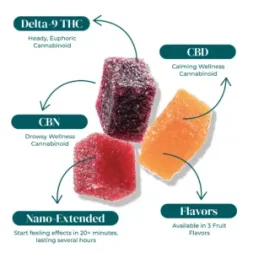
CBN:CBD:D9 THC EXTENDED-RELEASE NIGHTTIME GUMMIES | 30MG
Price range: $5.95 through $47.95 — or subscribe to save 25%Shop Now This product has multiple variants. The options may be chosen on the product page - Price reduced
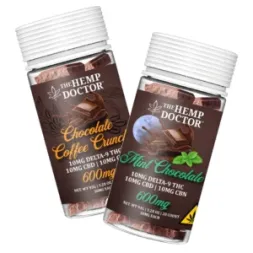
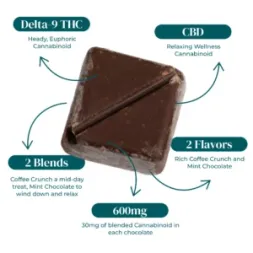
CBD:D9 THC BLEND CHOCOLATE BITES | 20CT | 30MG
$34.95 — or subscribe to save 25%Shop Now This product has multiple variants. The options may be chosen on the product page