Delta-9 vs THC: Are They the Same Thing?

Quick Answer: Delta-9 THC is the specific compound most people mean when they say “THC.” While the terms are often used interchangeably in everyday conversation, “THC” can also refer to a broader family of related cannabinoids, whereas “Delta-9 THC” identifies one particular molecule.
If product labels, lab reports, and dispensary menus seem to use “Delta-9” and “THC” differently, you’re not imagining things. The terminology shifts depending on context, and that creates real confusion for adult consumers trying to make informed choices. This guide breaks down what THC means, what Delta-9 THC means, why hemp-derived products use specific wording, how the federal 0.3% threshold works, and what all of this means for testing and legality.
The goal is clarity: Delta-9 is a form of THC, but THC is not always limited to Delta-9. Once you understand that distinction, shopping for Delta-9 THC products and reading Certificates of Analysis becomes far more straightforward.
🔑 Key Takeaways
- Delta-9 THC is the primary intoxicating cannabinoid in cannabis plants, and it is the compound most people mean when they say “THC.”
- Hemp-derived Delta-9 THC and marijuana-derived Delta-9 THC are the same molecule, but legal classification depends on source, concentration, and state law.
- Hemp-derived Delta-9 products can still produce noticeable effects even when formulated to meet the federal 0.3% dry-weight threshold.
- Standard THC screenings typically do not distinguish between hemp-derived or marijuana-derived sources.
- Always check product labels, serving sizes, and third-party lab results before purchasing any THC product.
Delta-9 vs THC Comparison Table
| Category | Delta-9 THC | THC |
|---|---|---|
| Meaning | One specific cannabinoid compound | Broader or casual term that usually means Delta-9 but can include related compounds |
| Common Use | Product labels, COAs, compliance documents | Everyday speech, dispensary menus, screening language |
| Intoxicating | Yes | Usually refers to intoxicating compounds, but context matters |
| Source | Can come from hemp or marijuana | Can refer to cannabinoids from either source |
| Legal Context | Specifically measured in many hemp regulations | May mean Delta-9, total THC, or THC-related markers depending on setting |
| Screening Considerations | Can lead to a positive THC screening | THC products generally carry screening risk |
| Simple Explanation | The specific molecule | The broader or casual term |
What Is THC?
THC is short for tetrahydrocannabinol, and in casual conversation, it almost always refers to Delta-9 THC. When someone says a product “has THC” or asks “how much THC is in this gummy,” they typically mean Delta-9.
In more technical settings, THC can refer to a family of related compounds. Product labels may list Delta-9 THC, Delta-8 THC, Delta-10 THC, THCA, or total THC as separate line items. Lab reports and compliance documents often break these out individually because the distinctions matter for legal and product transparency reasons.
THC is commonly associated with the noticeable effects cannabis is known for. This applies to Delta-9 and other THC-related compounds, though strength, timing, and overall experience can vary by product and person.
What Is Delta-9 THC?
Delta-9 THC is the specific cannabinoid most associated with the classic cannabis experience. The “Delta-9” name refers to the location of a double bond in the molecule’s chemical structure, which distinguishes it from isomers like Delta-8 or Delta-10.
This compound occurs naturally in cannabis plants and is the primary driver of noticeable intoxicating effects. When people talk about getting “high” from cannabis, they are almost always describing the effects of Delta-9 THC.
Delta-9 THC can be found in both hemp-derived and marijuana-derived products. The molecule itself is identical regardless of source. What differs is the concentration, the legal classification of the finished product, and how state laws treat each category.
Effects vary based on serving size, individual tolerance, product type, and timing. A 5mg gummy will feel different from a 25mg gummy, and edibles can feel different from vapes or flower.
Is Delta-9 the Same as THC?
Yes, usually. In everyday speech, when someone says “THC,” they mean Delta-9 THC. The two terms are effectively interchangeable in casual contexts.
On product labels and COAs, “Delta-9 THC” is more specific than just “THC.” A label might show Delta-9 THC, Delta-8 THC, THCA, CBD, and other cannabinoids as separate entries. This specificity helps adult consumers understand exactly what is in the product.
In legal and screening contexts, “THC” can mean different things. Some regulations focus on Delta-9 THC concentration. Others consider “total THC,” which may include potential THC from THCA after heating. THC screenings may look for THC-related markers without distinguishing between product sources.
The clearest way to think about it: Delta-9 is a type of THC, but THC is not always limited to Delta-9.
Why Do Products Say Delta-9 Instead of THC?
Brands use “Delta-9 THC” because precision matters. When a product label says “Delta-9 THC,” it tells you which specific compound is present and at what amount.
This distinction is especially important now that multiple THC-related cannabinoids are available in hemp-derived products. A consumer comparing a Delta-9 gummy to a Delta-8 gummy needs to know which compound they are getting. Simply labeling both as “THC” would create confusion.
Delta-9 is also the cannabinoid specifically measured for federal hemp compliance. Under the 2018 Farm Bill, hemp products must contain no more than 0.3% Delta-9 THC by dry weight. Using precise terminology helps brands demonstrate compliance and helps consumers verify what they are buying.
Hemp-Derived Delta-9 vs Marijuana-Derived THC
Hemp-derived Delta-9 THC and marijuana-derived Delta-9 THC are the same molecule. The chemical structure is identical. What differs is the source plant and the legal classification of the finished product.
Hemp-derived Delta-9 products are commonly discussed in relation to the federal 0.3% Delta-9 THC dry-weight threshold. Products formulated to stay at or below this limit may be sold in states where marijuana remains restricted, though state laws vary significantly.
Marijuana-derived Delta-9 products typically exceed the hemp threshold and are regulated under different frameworks. These products are generally available only in states with adult-use cannabis programs.
The practical takeaway: if you are shopping for Delta-9 THC products, the source matters for legal purposes, but the compound itself produces the same noticeable effects regardless of whether it came from hemp or marijuana.
State Law Caveat: Cannabis regulations change frequently, and state laws may restrict or ban certain hemp-derived THC products even when federal rules permit them. Always check local regulations before purchasing or using any THC product.
How Can Hemp Delta-9 Be Legal and Still Be Intoxicating?
The federal 0.3% threshold is based on product dry weight, not on whether a serving can produce noticeable intoxicating effects. This is the key distinction that confuses many consumers.
Consider the math for a typical gummy. A 5-gram gummy weighs 5,000 milligrams. Multiplying 5,000 mg by 0.003, representing 0.3%, equals 15 mg. A 5-gram gummy could contain up to 15 mg of Delta-9 THC and still comply with the 0.3% dry-weight limit, depending on formulation and testing methodology.
For reference, 15 mg of Delta-9 THC may be a substantial serving for many adult consumers. Some edibles contain even larger product weights, allowing for higher THC content per piece while remaining compliant with percentage-based rules.
This does not mean the product is legal everywhere. State laws, labeling requirements, and product testing standards vary. A product that meets federal hemp definitions may still be prohibited or restricted in certain states.
THC Terminology Map: Delta-9, Delta-8, THCA, CBD, and More
| Term | What It Means | Intoxicating? | Commonly Seen In |
|---|---|---|---|
| THC | Broad term, usually shorthand for Delta-9 THC | Yes, typically | Everyday speech, screening language, product descriptions |
| Delta-9 THC | Main naturally occurring intoxicating THC compound | Yes | Flower, edibles, gummies, drinks, vapes |
| THCA | Acidic precursor that converts to Delta-9 THC when heated | No, until heated | Raw flower, THCA flower, COAs |
| Delta-8 THC | Related THC isomer, often described as producing milder noticeable effects | Yes | Gummies, tinctures, vapes |
| Delta-10 THC | Related THC isomer | Yes | Specialty cannabinoid products |
| THCP | THC-like cannabinoid found naturally in small amounts | Yes | Specialty products |
| THCV | THC-like cannabinoid with different characteristics | Varies | Specialty formulations |
| CBD | Non-intoxicating cannabinoid | No | Oils, gummies, topicals, full-spectrum products |
| Total THC | Lab calculation that may include Delta-9 plus potential THC from THCA | Context-dependent | Compliance documents, some COAs |
Delta-9 vs Delta-8 vs THCA vs CBD
Delta-9 vs Delta-8
Both Delta-9 and Delta-8 are THC isomers, meaning they share the same chemical formula but differ in molecular structure. The difference involves the position of that double bond mentioned earlier.
Both compounds can produce noticeable intoxicating effects. Delta-9 is generally associated with the traditional THC experience, while Delta-8 is often described by consumers as having a milder effect. Individual responses vary, so consumers should consider their own tolerance and review product details before trying any new cannabinoid.
Delta-9 vs THCA
THCA is not the same as Delta-9 THC. THCA is the acidic precursor form that occurs naturally in raw cannabis plants. It does not produce intoxicating effects in its raw state.
When THCA is exposed to heat through smoking, vaping, or cooking, it undergoes a process called decarboxylation and converts into Delta-9 THC. This is why THCA flower can produce noticeable effects when smoked but would not do so if eaten raw.
This distinction matters for lab reports. A COA might show low Delta-9 THC but high THCA content, indicating the product can become intoxicating when heated.
Delta-9 vs CBD
CBD is not intoxicating in the same way Delta-9 THC is. CBD does not produce the “high” associated with THC.
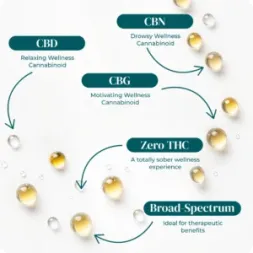
CBD products may be broad-spectrum, containing multiple cannabinoids but no THC; isolate, meaning CBD only; or full-spectrum, containing CBD plus small amounts of THC and other cannabinoids. Full-spectrum products may carry some screening risk, so consumers should always check labels and COAs.
Will Delta-9 THC Get You High?
Yes. Delta-9 THC is intoxicating and can produce noticeable psychoactive effects. The intensity depends on several factors, including serving size, individual tolerance, product type, and whether the product is eaten, inhaled, or taken sublingually.
Common effects adult consumers may experience include euphoria or mood shift, a relaxed feeling, altered perception of time, increased appetite, dry mouth, red eyes, drowsiness, and impaired coordination or reaction time. Some individuals, particularly those with low tolerance or those who take larger servings, may experience uneasiness or discomfort.
Lauren Shade, Customer Service and Retail Warehouse Manager at The Hemp Doctor, often fields questions from first-time buyers. “I always tell people to start low and go slow,” she says. “If you’re new to Delta-9, try a small serving and wait at least an hour or two before deciding if you want more. Edibles especially can take time to kick in.”
Beginners should start with a low serving and allow enough time to understand the effects before taking additional product. This is particularly important with edibles, which can take 30 minutes to 2 hours to produce noticeable effects.
Same Molecule, Different Experience: Gummies, Drinks, Flower, and Vapes
Even when the molecule is identical, the product experience can vary significantly. Format, onset time, duration, formulation, and the presence of other cannabinoids or terpenes all influence how Delta-9 THC may feel.
| Product Type | Is It Delta-9 THC? | Typical Onset | Why It May Feel Different |
|---|---|---|---|
| Flower | Contains Delta-9 after heating THCA | Fast, within minutes | Includes terpenes and other cannabinoids; full-spectrum experience |
| Vape | Can contain Delta-9 or other cannabinoids | Fast, within minutes | Effects may feel more immediate |
| Gummies/Edibles | Can contain Delta-9 THC | Slower, 30 minutes to 2 hours | Often longer-lasting effects |
| Drinks | Can contain Delta-9 THC | Varies by formulation | Liquid format; experience may vary by product design |
| Tinctures | Can contain Delta-9 THC | Varies | Experience depends on how the product is used |
Samantha Evers, Retail Location Marketing Strategist and Team Lead at The Hemp Doctor’s Salisbury location, explains the practical difference: “When someone is deciding between a gummy and a vape, I walk them through how the experience differs. Vapes hit faster but don’t last as long. Edibles take longer to start but the effects can last several hours. It’s not just about how much THC is in the product; it’s about choosing the format that fits your preferences.”
Is Delta-9 THC Legal?
The legal status of Delta-9 THC depends on source, concentration, product type, and location. There is no simple yes-or-no answer that applies everywhere.
In the United States, hemp-derived products are often discussed under the federal framework established by the 2018 Farm Bill, which permits hemp containing no more than 0.3% Delta-9 THC by dry weight. Products formulated to meet this threshold may be federally permissible as hemp products.
However, state laws vary significantly. Some states have adopted the federal hemp definition, while others restrict or ban certain hemp-derived THC products regardless of concentration. A product that meets federal hemp requirements is not automatically legal in every state or locality.
Marijuana-derived Delta-9 products, which exceed the 0.3% threshold, remain federally restricted but are legally available in states with adult-use cannabis programs.
The safest approach is to check current regulations in your specific state and locality before purchasing or using any THC product.
Will Delta-9 THC Show Up on a THC Screening?
Yes, Delta-9 THC can show up on a THC screening. Most standard THC screenings look for THC-related markers and typically do not distinguish between hemp-derived and marijuana-derived sources.
This means that hemp-derived Delta-9, marijuana-derived Delta-9, Delta-8 THC, heated THCA products, and some full-spectrum CBD products may all carry screening risk. The screening does not account for whether the product was legal in your state or whether it came from a compliant hemp product.
If you are subject to THC screening for employment, athletics, legal supervision, or any other reason, you should avoid THC products entirely unless you have confirmed the relevant policy with the appropriate authority. “We can’t clear you for your job” is something the customer service team at The Hemp Doctor emphasizes regularly. Screening policies vary, and the consequences of a positive result can be significant.
How to Read a COA Before Buying a Delta-9 Product
A COA, or Certificate of Analysis, is a document from a third-party laboratory that verifies what is actually in a product. Reading COAs before purchasing helps you confirm cannabinoid content, review product testing information, and verify that a product matches its label claims.
Start by matching the batch number on the product package to the batch number on the COA. If these don’t match, the COA may not reflect what is in your specific product.
What to look for on a COA:
Check the Delta-9 THC amount per serving to understand how much is in each suggested amount. Look at the Delta-9 THC percentage by dry weight if you want to verify compliance with hemp regulations. Review total THC if listed, as some COAs include this calculation. For flower products, pay attention to THCA content since this will convert to Delta-9 when heated.
Examine whether the COA includes CBD, CBN, CBG, or other cannabinoid amounts. Note the lab name and test date to confirm the testing is recent and from a reputable source. Review additional testing sections for pesticides, heavy metals, residual solvents, microbes, and mycotoxins.
The Hemp Doctor publishes lab results for products on site, making verification straightforward for customers who want to confirm what they are buying.
When “THC” and “Delta-9” Are Not Exactly Interchangeable
The terms overlap significantly, but they are not identical in every context. Understanding when the distinction matters helps you navigate product shopping, lab reports, and legal questions more effectively.
In casual conversation, THC usually means Delta-9 THC, and using the terms interchangeably is fine. On product labels, THC may be broken out into separate entries for Delta-9, Delta-8, THCA, and other cannabinoids. Each line item tells you something different about what is in the product.
Lab reports may show total THC as a separate calculation from Delta-9 THC. Total THC often includes potential THC from THCA conversion, which matters for understanding what a flower product may produce when heated. Legal language varies by jurisdiction; some laws focus specifically on Delta-9 THC concentration, while others consider total THC or restrict specific cannabinoids by name.
THC screenings typically do not distinguish between product types or legal status. A positive result may occur regardless of whether the THC came from a compliant hemp product.
Which Product Type or Cannabinoid Should You Choose?
This question is not really about choosing between Delta-9 and THC, since Delta-9 is a form of THC. The better question is which cannabinoid and product format fits your tolerance, preferences, and any restrictions you may face.
Choose Delta-9 THC if you want a traditional intoxicating experience and understand what that entails. Delta-9 products are available in Delta 9 gummies, Delta 9 edibles, Delta 9 drinks, Delta 9 vapes, and other formats.
Consider Delta-8 THC products if you are comparing THC isomers and researching options often described by consumers as milder. Individual responses vary, so approach any new cannabinoid cautiously.
Choose CBD products if you want a non-intoxicating cannabinoid. CBD does not produce the classic THC high, though full-spectrum CBD products may contain trace amounts of THC.
Be cautious with THCA flower or THCA concentrates if you are trying to avoid intoxication, since THCA converts to Delta-9 THC when heated. Avoid THC products entirely if you are subject to THC screening.
Morgan Hall, Sales Representative at The Hemp Doctor with five years in the industry, sees customers weighing these choices daily: “People come in thinking they need to pick between Delta-9 and THC, when really they’re the same thing. The actual decision is about format and intensity. Do you want something fast-acting like a vape, or something that lasts longer like an edible? Do you want a stronger experience, or are you looking for something more gradual? Those are the questions that actually matter.”
Related Delta-9 Products and Shopping Considerations
When shopping for Delta-9 products, comparing serving size, cannabinoid content, product type, and COA results helps you find what fits your preferences.
Delta-9 gummies offer measured servings and longer-lasting effects. Delta-9 drinks provide an alternative format that some consumers prefer for social settings. Delta-9 edibles beyond gummies include chocolates, caramels, and other options. Delta-9 vapes are available for those who prefer inhalable formats.
Review the lab results for any product you are considering. Check the serving size listed on the package and calculate how that translates to your intended use. Consider whether the product fits your local legal framework.
Conclusion
Delta-9 THC is the specific compound most people mean when they say “THC.” In everyday conversation, the terms are effectively interchangeable, and treating them as synonyms is usually fine.
The nuance becomes important when you are reading product labels, reviewing COAs, understanding legal frameworks, or navigating THC screening. In those contexts, “Delta-9 THC” identifies one particular molecule, while “THC” may refer to Delta-9, total THC including THCA conversion, or the broader family of tetrahydrocannabinol compounds.
Hemp-derived Delta-9 and marijuana-derived Delta-9 are the same molecule. The differences lie in source plant classification, product formulation, compliance with dry-weight thresholds, and how state laws treat each category. Neither source makes a product automatically appropriate for every person, legal everywhere, or screening-friendly.
Before buying or using any Delta-9 product, check the serving size, product type, local laws, and COA. Understanding what you are consuming and how you might respond is the foundation of making informed choices.
If you’re ready to compare options, browse The Hemp Doctor’s Delta-9 THC products and review serving sizes, product formats, and COAs before choosing what fits your preferences.
Get 4/20-Ready: Save Up to 80% on 4/20 Deals!
Wondering how people walk away with up to 80% off on their D9 products during 4/20? Here’s how to get in on the action.
- Join the Lucky Joint Club – earn points, unlock exclusive discounts, and get early access to deals.
- Bookmark the Deals Page – where limited-time steals and huge discounts live.
- Shop at the Canteen – a Lucky Joint Club members-only store of secret deals and bundles you won’t find sitewide.
- Subscribe & Save – 25% off plus free shipping on recurring orders, or add a subscription item to unlock free shipping on your bulk order.
- Refer a friend – starting in March, earn a 5% stackable coupon for our biggest 420 sale, while your friend gets 20% off their first order.
Setting this up before 4/20 arrives means more options, better Delta 9 product deals, and less scrambling when things sell out.
-
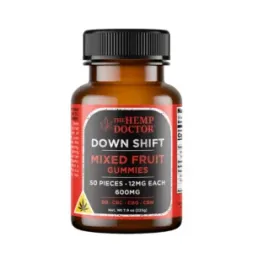
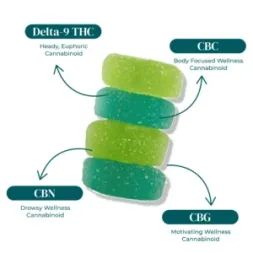
DOWNSHIFT NANO D9 THC BLEND GUMMIES | 12MG
Price range: $34.95 through $54.95 — or subscribe to save 25%Shop Now This product has multiple variants. The options may be chosen on the product page - Sale!On Sale
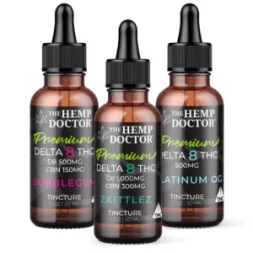
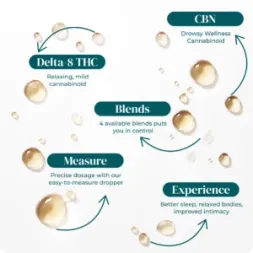
DELTA 8 THC TINCTURE | 30ML
Price range: $8.99 through $14.99Shop Now This product has multiple variants. The options may be chosen on the product page - Sale!On Saledoctor recommended
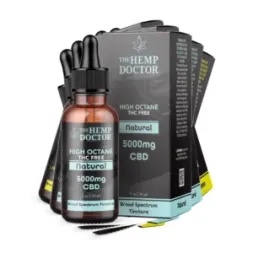
THC-FREE CBD HIGH-OCTANE TINCTURES | 30ML
Price range: $12.49 through $24.99 — or subscribe to save 25%Shop Now This product has multiple variants. The options may be chosen on the product page