What Is CBC Weed? The Honest Answer

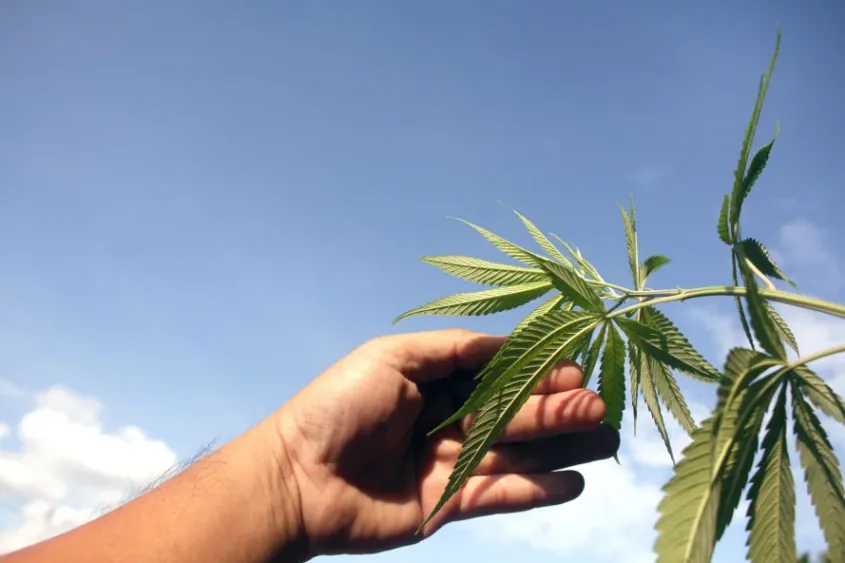
You flipped over a hemp vape, spotted CBC listed next to THC and CBD, and now you are wondering what that third set of letters actually means. CBC stands for cannabichromene, a non-intoxicating minor cannabinoid found in cannabis plants that shares a starting point with THC and CBD but has its own unique place in the plant’s natural chemistry.
Quick Answer: CBC does not get you high, does not act exactly like CBD, and may help shape how a full-spectrum hemp product feels as part of a broader cannabinoid blend. Most adult consumers will not notice CBC on its own, but some may notice the overall feel of a well-built full-spectrum product that includes it.
🔑 Key Takeaways
- CBC stands for cannabichromene, a non-intoxicating minor cannabinoid related to THC and CBD.
- CBC does not produce the classic high associated with THC.
- CBC is often discussed as a background contributor in full-spectrum hemp blends.
- Most full-spectrum products contain trace CBC, but you need to check the third-party lab report, also called a COA, to confirm meaningful amounts.
- Hemp-derived CBC is federally legal under the 2018 Farm Bill, though state laws still vary.
What Is CBC and What Are the Wellness Benefits of This Cannabinoid?
If you have spent any time reading hemp product labels, you have probably noticed the same handful of compounds appearing again and again. CBC is one of the so-called “Big Six” cannabinoids, sitting behind THC and CBD as one of the more commonly discussed minor cannabinoids the cannabis plant can produce.
- Buy More Save More
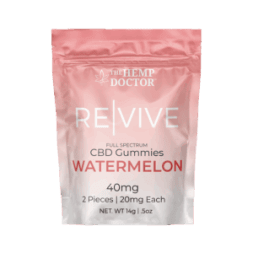
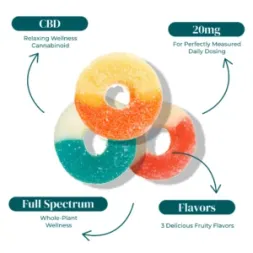
REVIVE | CBD WATERMELON GUMMIES | 20MG
Price range: $2.99 through $35.00 — or subscribe to save 25%Shop Now This product has multiple variants. The options may be chosen on the product page - Price reduced
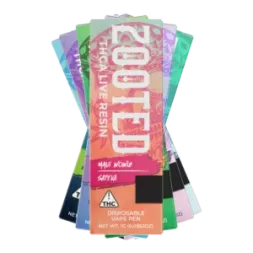
ZOOTED | THCA LIVE RESIN DISPOSABLE VAPE | 1G
$34.95 — or subscribe to save 25%Shop Now This product has multiple variants. The options may be chosen on the product page - Sale!On Sale
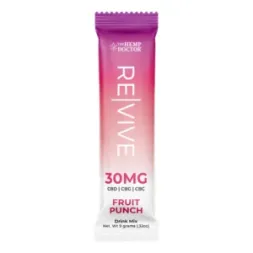
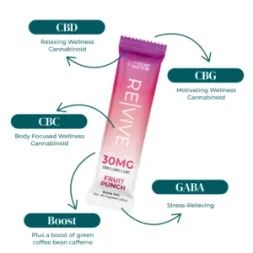
REVIVE | CBD DRINK MIX | 30MG
Price range: $3.95 through $25.00 — or subscribe to save 25%Shop Now This product has multiple variants. The options may be chosen on the product page
What Does CBC Stand For in Weed?
CBC is short for cannabichromene. Like THC and CBD, it traces back to CBGA, sometimes called the “mother cannabinoid” because many other cannabinoids the plant produces start there. Through the plant’s natural development process, CBGA can convert into different acidic precursors, and one of those, CBCA, eventually becomes CBC. Researchers first identified the compound back in 1966, around the same time interest in cannabis chemistry was expanding.
What Does the CBC Cannabinoid Do?
CBC is most often discussed for its role in full-spectrum hemp products and how it may contribute to the overall character of a blend. Some users and formulators associate CBC with everyday comfort, a balanced mood experience, and general wellness support, but research is still developing and CBC should not be viewed as a cure, treatment, or substitute for professional guidance.
Here is the honest part most articles skip. If CBC was discovered in the 1960s and gets attention from researchers and formulators, why is it almost never on a label? Two reasons. First, CBC does not crystallize into an isolate the way CBD does, which makes it harder and more expensive to produce as a single ingredient. Second, brands have historically had no economic reason to advertise a cannabinoid that customers were not asking for by name. That is starting to shift as full-spectrum CBC products become more common.
Is CBC Intoxicating? Does CBC Get You High?
No. CBC is not known for producing a high. Unlike THC, CBC is not typically associated with euphoria, altered perception, or impairment.
There is a small nuance worth flagging. “Non-intoxicating” is the clearest consumer-friendly term here. CBC may still play a subtle role in how a full-spectrum product feels overall, but it does not create the classic THC-style experience.
That distinction matters because some adult consumers assume “non-intoxicating” means “does nothing.” CBC may still matter in a formula. It just does not do the thing people associate with THC.
Where Is CBC Found?
CBC is found naturally in cannabis plants. It is not synthetic, and it is not lab-created from scratch. The plant produces it as part of its normal cannabinoid pathway, the same way it produces THC and CBD.
One detail that often gets missed: CBC tends to show up in higher concentrations in younger cannabis plants. As the plant matures toward harvest, CBC levels usually drop. That is one of the practical reasons farmers focused on THC-heavy or CBD-heavy harvests rarely end up with high-CBC flower at the finish line.
On a typical certificate of analysis, or COA, CBC usually appears in the 0.1% to 1.5% range. Anything in or above that range may be meaningful for a full-spectrum blend. Most “full-spectrum” hemp products contain at least trace CBC, but they do not always disclose it on the front label. The only way to confirm a product genuinely contains meaningful CBC is to look at the third-party lab report, not the marketing copy.
How Does CBC Differ From Other Cannabinoids Like THC and CBD?
If you already use CBD, the most useful question you can ask is not “what is CBC?” but “should I add this, switch to it, or is it basically the same thing?” Honest answer: it is complementary, not interchangeable.
CBC vs CBD: Are They the Same Thing?
CBC and CBD both start as CBGA and both are non-intoxicating, but they are different cannabinoids with different profiles. CBD is widely available as a standalone ingredient and has a much larger consumer market. CBC is less common on its own and is usually found in full-spectrum products.
In practice, CBC and CBD are often used together in formulas because each contributes something different to the overall blend. Some consumers prefer products that include a wider range of cannabinoids rather than one isolated compound.
Is CBC Stronger Than CBD?
Calling one “stronger” than the other is not really the right frame. They are different compounds. CBD has a much larger base of consumer awareness and a wider range of available products. CBC has less standalone visibility but may contribute to the overall feel of a full-spectrum product when included alongside other cannabinoids. So neither is “stronger.” They are better understood as different parts of a broader hemp profile.
THC, by comparison, is the cannabinoid most associated with the classic cannabis high. CBC is not.
| Cannabinoid | Intoxicating? | Common Role in Products |
| CBC | No | Background contributor in full-spectrum blends |
| CBD | No | Standalone wellness products and full-spectrum blends |
| THC | Yes | Products designed for a noticeable elevated experience |
You can read more on the direct comparison in our CBC vs CBD guide.
How CBC Works With Other Cannabinoids
The reason CBC tends to show up in full-spectrum products is because it is often discussed as part of the entourage effect. The entourage effect is the idea that cannabinoids and terpenes may work together to create a more rounded product experience than isolated compounds alone.
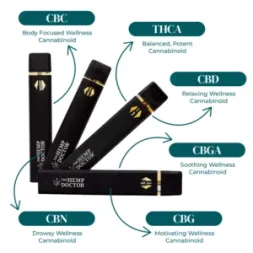
In a real product, this is the difference between a simple single-cannabinoid vape and a full-spectrum THCA vape that includes CBC, CBG, CBN, and CBD. The full-spectrum version may feel more layered or rounded to some adults. Some users describe the experience as smoother from start to finish, though individual experiences can vary.
What does CBC actually feel like on its own? Honestly, you probably will not feel it in an obvious way. There is no clear “onset moment” the way there can be with THC. What adult consumers usually describe is that the overall session feels more balanced, not that a new sensation appeared. It is more of a refinement than a headline effect.
How Does CBC Fit Into the Body’s Natural Cannabinoid Response?
CBC is commonly discussed in relation to the body’s natural cannabinoid response, but this article is not intended to make medical claims or explain CBC as a treatment pathway. From a consumer standpoint, the main point is simple: CBC is one of several naturally occurring hemp compounds that may influence the overall feel of a full-spectrum product.
CBC is usually not the star ingredient. Instead, it tends to sit in the background alongside other minor cannabinoids and terpenes. For many adult consumers, that means CBC may contribute to a smoother, more cohesive product experience when it is part of the blend.
Always consult a healthcare professional before adding any new supplement to your routine.
What Are the Wellness Benefits of CBC in Weed?
The most commonly discussed wellness benefits of CBC are tied to overall balance, everyday comfort, and the broader full-spectrum hemp experience. However, research and consumer understanding are still developing, and CBC should not be described as treating, curing, or preventing anything.
What Is CBC Good For in Weed?
CBC tends to be most useful as part of a full-spectrum product rather than as a standalone ingredient. Its practical role is to add another layer to the cannabinoid profile. If you are looking at a product that lists CBC alongside THC, CBD, CBG, and CBN, the CBC may be contributing more to the overall product experience than the label suggests.
What Is CBC in Weed Gummies and Edibles?
What is CBC in edibles? Functionally, the same compound, just delivered through an edible format. Edibles take roughly 30 to 90 minutes to come on and can last several hours, compared to a vape that is typically felt more quickly. A CBC-containing gummy may offer the same full-spectrum blend experience as a vape with CBC in it, just stretched across a longer window.
Most gummies on the market are built from CBD or THC isolate and contain no CBC at all. Full-spectrum gummies are the exception. If you want a full-spectrum gummy that includes CBC, the only way to confirm it is in there is the COA.
What CBC Flower Strains Are Available?
Almost every commercial strain on the market has been bred to maximize THC or CBD. CBC rarely shows up on strain-level marketing because farmers historically have not had a reason to chase it. The highest natural CBC concentrations tend to appear in certain hemp cultivars and, as noted earlier, in younger plants harvested earlier in their cycle.
This is why “high CBC strains” as a category barely exists at retail. Most of the CBC you will encounter in a finished product comes through full-spectrum extraction, not through a strain that was specifically selected for it. Live resin and live rosin products tend to preserve more of the original plant’s minor cannabinoids, so those formats are usually where you will find the most meaningful CBC content.
For a concrete example of what this looks like in a real hemp product, the Kayo 1G Live Resin Disposable and similar full-spectrum live resin vapes in our THCA lineup are the kind of products where CBC tends to appear as part of the broader cannabinoid stack alongside CBG, CBN, and CBD.
Are There Any Common Considerations With CBC?
CBC is generally discussed as a minor cannabinoid that many adults encounter in small amounts through full-spectrum hemp products. Because CBC-specific consumer research is still limited compared with CBD or THC, it is smart to start with a modest serving size and pay attention to how a product fits into your routine.
As with any hemp-derived product, individual experiences can vary based on product format, serving size, tolerance, and personal preference.
Always consult a healthcare professional before adding any new supplement to your routine.
Is CBC Legal and Available for Adult Use?
Hemp-derived CBC is federally legal in the United States under the 2018 Farm Bill, which defined hemp as cannabis containing less than 0.3% Delta-9 THC by dry weight. Because CBC is naturally present in hemp and is not listed as a controlled substance, products containing CBC from compliant hemp are legal at the federal level.
State laws still vary. Some states have additional rules around specific hemp-derived cannabinoids, so checking your local laws before ordering is a sensible step. CBC is not FDA-approved for any specific use. It is most commonly sold as part of full-spectrum hemp extracts, including tinctures, vapes, edibles, and topicals, rather than as a standalone isolate, mostly because pure CBC is expensive to produce.
Best Ways to Use CBC in Weed
CBC extraction usually relies on processes similar to those used for CBD, but it is more costly because CBC does not crystallize into an isolate. That is why most CBC ends up in distillate-based or full-spectrum products rather than as a single ingredient. If you want to actually buy something with meaningful CBC in it, here is the practical version of what to look for.
Start by looking for “full-spectrum” on the label. Broad-spectrum and isolate products may have lower levels of minor cannabinoids, so they may not have meaningful CBC. Then pull up the COA and check the cannabinoid breakdown. If CBC shows up at 0.1% or higher, it may be contributing to the full-spectrum profile. If it is not listed at all, it is not in there in a meaningful way.
| Product Format | Typical Timing | Typical Duration | Best For Noticing CBC |
| Vapes, including live resin and full-spectrum options | 2 to 15 minutes | 1 to 3 hours | Fastest full-spectrum experience |
| Edibles and gummies, full-spectrum | 30 to 90 minutes | 4 to 6 hours | Longer-lasting sessions |
| Tinctures, full-spectrum | 15 to 45 minutes | 3 to 6 hours | Flexible serving sizes |
For most adult consumers, the easiest way to encounter CBC in a real product is through a full-spectrum vape. Something like our Kayo 1G Live Resin Disposable or a comparable THCA disposable lists CBC alongside CBG, CBN, and CBD on its COA, which is what a “meaningful CBC content” product actually looks like in the wild.
Final Thoughts on CBC
CBC is one of those cannabinoids that does not need to be a headline ingredient to matter. You will not feel it kick in the way you might notice THC. You will not see “CBC” splashed across the front of most hemp boxes. But once you start checking COAs, you may notice it quietly sitting in the background of many well-made full-spectrum products, contributing to the overall character of the blend.
If you are curious how CBC fits into a real full-spectrum hemp experience, explore THD’s THCA vapes and check the COA to see which minor cannabinoids are in the mix.