What Is 11-Hydroxy-THC? Everything You Need to Know

Quick Answer: 11-hydroxy-THC is a THC byproduct your body creates when it breaks down THC, especially after consuming edibles. When THC is swallowed, it travels through digestion and then to the liver, where enzymes convert some THC into 11-hydroxy-THC through first-pass metabolism.
Have you ever wondered why a THC edible can feel so different from smoking or vaping? The answer has a lot to do with how your body processes THC after you swallow it. When you consume an edible, THC follows a different route, passing through your digestive tract and liver before reaching wider circulation. This journey creates a specific compound that helps shape the experience.
That compound is 11-hydroxy-THC, an intoxicating THC byproduct that forms after THC is swallowed and processed. This article explains what 11-hydroxy-THC is, how it forms, how it compares to THC and THC-COOH, why edibles feel different from other methods, what can affect your experience, drug testing considerations, and practical tips for more mindful edible use.
🔑 Key Takeaways
- 11-hydroxy-THC is a main intoxicating byproduct of tetrahydrocannabinol, or THC, the primary intoxicating compound in cannabis.
- Edibles tend to produce more 11-hydroxy-THC than smoking or vaping because swallowed THC goes through first-pass metabolism in the liver.
- 11-COOH-THC, also called THC-COOH, forms after 11-hydroxy-THC breaks down further and is commonly screened for in standard cannabis testing.
- The edible experience may feel stronger or last longer because of metabolism, delayed onset, product type, serving size, tolerance, and individual differences.
- A more mindful approach with edibles is to read the label, start with a low serving, wait before taking more, and avoid driving or mixing with alcohol.
What Is 11-Hydroxy-THC?

11-hydroxy-THC, sometimes written 11-OH-THC, is produced in the body when delta-9 THC, the compound most people refer to as THC, is broken down. You might also see it called 11-hydroxytetrahydrocannabinol or HXY-11 THC.
This compound is not something you usually buy in a product or find in meaningful amounts in cannabis flower. It forms inside your body as THC breaks down.
When you consume Delta 9 THC products or Delta 8 THC products, your body processes each version into its corresponding 11-hydroxy form. Delta 9 THC becomes 11-hydroxy-delta-9-THC, while Delta 8 THC becomes 11-hydroxy-delta-8-THC.
This THC byproduct should not be confused with “Delta-11 THC,” which refers to a different cannabinoid entirely. The 11-hydroxy-THC discussed here is specifically created when THC is processed by the body.
How THC Becomes 11-Hydroxy-THC
Understanding 11-hydroxy-THC starts with understanding how it forms. The process follows a predictable pathway.
You eat an edible, and it breaks down in the stomach. THC moves into the small intestine and is absorbed into circulation. It then reaches the liver through the portal vein. Liver enzymes convert some THC into 11-OH-THC during first-pass metabolism. 11-hydroxy-THC then continues through circulation.
Think of it as a simple chain: THC enters your system, your liver converts some of it into 11-hydroxy-THC, and then your body continues breaking it down further into THC-COOH and other byproducts that are eventually cleared.
The Breakdown Pathway:
THC → 11-hydroxy-THC → THC-COOH → Excretion
First-pass metabolism is the key concept here. When you swallow THC, it must travel through your digestive system and liver before the full experience appears. This is different from inhalation, where THC bypasses the liver on its initial route.
Why Edibles Feel Stronger Than Smoking or Vaping
Edibles are processed differently from inhaled THC, which helps explain why the experiences can feel so distinct. The “high” from edibles often feels different because swallowed THC passes through digestion and the liver first, meaning more THC may be converted into 11-hydroxy-THC.
When you smoke or vape, THC travels through the lungs and enters circulation quickly. Even with inhalation, the body can still create some 11-hydroxy-THC, but oral THC generally produces more.
Many adult consumers describe edible effects as more full-body, longer-lasting, or more intense. However, individual experiences vary widely based on serving size, tolerance, product type, food intake, and metabolism.
Edibles vs. Smoking, Vaping, and Tinctures
The route you choose for consuming THC significantly shapes the experience. Here is a comparison of common methods:
| Method | Typical Onset | Typical Peak | Typical Duration | Role of 11-Hydroxy-THC |
|---|---|---|---|---|
| Smoking/Vaping | 5–15 minutes | 15–30 minutes | 1–3 hours | Lower; most THC bypasses first-pass metabolism at first |
| Edibles | 30 minutes to 2+ hours | 2–4 hours | 6–10+ hours | Higher; swallowed THC goes through liver first |
| Tinctures | 15–45 minutes | 30–90 minutes | 3–6 hours | Variable; depends on whether held under the tongue or swallowed |
| Topicals | Localized, varies | N/A | Varies | Minimal; little typically reaches broader circulation |
Peak effects from smoking often occur around 15–30 minutes, with the experience commonly lasting roughly 1–3 hours. During this time, 11-hydroxy-THC can still form, but usually in lower amounts than with oral consumption.
With THC edibles, the equation changes. Peak 11-hydroxy-THC concentrations are often associated with a later point in the edible experience, which may help explain why edibles can feel stronger and last longer.
CBD tinctures and THC tinctures can work through a mixed pathway. When held under the tongue, some absorption may bypass digestion. When swallowed, they follow a more edible-like pathway. Topicals designed for localized use generally do not produce significant 11-hydroxy-THC because the active ingredients rarely reach broader circulation in meaningful amounts.
11-Hydroxy-THC vs. THC vs. THC-COOH
People often confuse THC byproducts, which can lead to misunderstandings about edibles, cannabis testing, and overall effects. Here is a breakdown of the key compounds:
| Compound | What It Is | Intoxicating? | Why It Matters |
|---|---|---|---|
| THCA | Raw acidic cannabinoid in fresh cannabis; converts to THC with heat | No | Precursor to THC; relevant for THCA products |
| Delta-9 THC | Main intoxicating THC compound | Yes | Central to smoked or vaped cannabis effects |
| 11-Hydroxy-THC | THC byproduct formed after THC is processed | Yes | Strongly connected to the edible experience |
| THC-COOH | Later THC byproduct formed after 11-hydroxy-THC breaks down further | No | Commonly screened for in cannabis testing |
Understanding the difference between 11-hydroxy-THC and THC helps explain why the same milligram amount of an edible can feel much more intense than a similar amount inhaled.
Is 11-Hydroxy-THC Stronger Than THC?
The word “stronger” can mean different things: more intense, longer-lasting, more noticeable, or more impairing. The answer depends on how you define it.
11-hydroxy-THC may contribute to a stronger-feeling edible experience than delta-9 THC alone. Some research suggests it can feel more potent, but human data is still limited.
However, the edible experience is not caused by 11-hydroxy-THC alone. Your metabolism, liver enzyme activity, tolerance, food intake, product type, and serving size can all shape how an edible feels. For this reason, the same edible serving may feel mild for one person and intense for another.
What Affects How Much 11-Hydroxy-THC Your Body Produces?
Not everyone processes edibles the same way. Several factors influence how the body handles THC and how much of it converts into 11-hydroxy-THC.
Route of consumption matters most. Swallowed THC generally creates more 11-hydroxy-THC than inhaled THC because it passes through the liver before broader circulation. Delta 8 gummies and Delta 9 gummies follow this oral pathway.
Serving size plays a direct role. Larger servings may produce stronger and longer-lasting effects because more THC is available to be processed.
Product type influences the experience. Gummies, chocolates, THC drinks, capsules, oils, and tinctures can all feel different based on their formulation and how quickly they are digested.
Food intake changes timing and intensity. THC mixes well with fats, so eating before or with an edible may influence how the product is absorbed.
Tolerance affects outcomes. Frequent THC consumers may respond differently than new consumers because they are more familiar with regular cannabinoid use.
Individual differences such as body composition, age, metabolism, and genetic variations in liver enzymes can shape the experience. Because 11-hydroxy-THC is made in the liver, and people have different liver enzyme patterns, edibles can affect adults differently. Age, sex, past cannabis use, concurrent products, and other factors may contribute to variability.
Timing is critical. Taking more too soon can stack effects before the first serving fully peaks, which is one of the most common reasons for an uncomfortable experience.
How Long Does 11-Hydroxy-THC Last?
11-hydroxy-THC is most relevant to edibles, which usually take longer to begin and last longer than inhaled THC. There is no single guaranteed timeline because individual factors vary widely.
Effects often begin between 30 minutes and 2 hours after consumption. Peak effects may occur around 2 to 4 hours after onset, and the total experience can range from 6 to 10 hours. Food and metabolism can influence each stage.
This timeline matters because, once an edible begins, the experience needs time to run its course. With inhaled cannabis, the intensity often drops within a few hours, but edibles can continue building and lasting much longer.
Feeling nothing after 30 to 45 minutes does not mean the edible is not working. Because edibles can take longer to start, some consumers may take more too soon and end up with a stronger experience than intended. Patience is essential with edibles.
Does 11-Hydroxy-THC Show Up on a Drug Test?
Both 11-hydroxy-THC and THC-COOH can be checked for in some cannabis tests. 11-hydroxy-THC can form after THC use regardless of the route, although levels are typically higher when THC products are eaten instead of inhaled.
Many routine cannabis tests focus on THC-COOH rather than THC itself. THC-COOH is a later THC byproduct that can remain detectable longer than the immediate effects last.
More selective tests may distinguish between 11-OH-THC and 11-COOH-THC. Consuming edibles can still lead to a positive THC test because THC, 11-hydroxy-THC, and THC-COOH are all part of the same breakdown pathway.
Detection depends on test type, frequency of use, serving size, timing, and individual metabolism. This article cannot promise anything about passing or failing a test.
How to Avoid Taking Too Much THC From Edibles
Once you have consumed an edible, the effects need time to run their course. A mindful approach before use is the best way to avoid an uncomfortable experience.
- Read the product label before use. Look for the THC amount per serving and the total THC in the package. Products with clear serving sizes make it easier to plan your experience.
2. Start with a low serving, especially if you are new to edibles. A “low and slow” approach is commonly suggested for edible consumers. Some adults begin with a small amount, wait to see how it feels, and only consider more later if desired.
3. Wait at least 2 to 3 hours before considering more. You can always take more later, but you cannot undo what you already consumed. It is easy to think, “This edible is not doing anything,” and then take more before the first serving has fully appeared.
4. Do not assume an edible is weak because it has not kicked in quickly. Onset can take much longer than expected, and taking more too soon is a common mistake.
5. Avoid alcohol or other intoxicants. Mixing substances can make the experience less predictable.
6. Do not drive or operate equipment after using THC. THC can affect coordination, timing, and decision-making, and edible effects may last several hours.
7. Store edibles away from children and pets. Many edibles look like regular candy or treats.
8. Choose products with accessible lab results. Reputable brands publish third-party Certificates of Analysis, or COAs, that verify cannabinoid content and screen for unwanted contaminants. You can view lab results from The Hemp Doctor to see what transparent testing looks like.
Common Myths About 11-Hydroxy-THC
Myth: 11-Hydroxy-THC Only Happens With Edibles
Fact: 11-hydroxy-THC can form after THC use regardless of the route, although levels are typically higher when THC products are eaten instead of inhaled. Smoking and vaping still produce some 11-hydroxy-THC, but edibles usually generate more because of first-pass metabolism.
Myth: 11-Hydroxy-THC Is the Same as THC-COOH
Fact: These are two different compounds. 11-hydroxy-THC is an intoxicating THC byproduct. THC-COOH is a later THC byproduct commonly associated with cannabis testing.
Myth: If an Edible Hasn’t Worked in 30 Minutes, Take More
Fact: Edibles can take longer to begin and often last longer than inhaled THC. Taking more too soon may lead to a stronger experience than intended. Patience helps prevent overconsumption.
Myth: Everyone Feels Edibles the Same Way
Fact: Edible effects can vary greatly between individuals due to serving size, product type, food intake, tolerance, metabolism, and how someone processes THC. This variability makes edibles harder to predict, which is why it is easy to overconsume without realizing it.
Myth: More 11-Hydroxy-THC Always Means a Better Experience
Fact: Stronger effects are not always desirable. Some adult consumers may prefer a milder, more manageable experience, especially during the day. An overwhelming edible experience can feel uncomfortable or last longer than wanted.
Is 11-Hydroxy-THC Legal?
11-hydroxy-THC is primarily a THC byproduct your body creates after consuming THC. It is not typically sold as a standalone product. Product legality depends on the THC source, product type, federal rules, and state laws.
Hemp-derived products may have different requirements than marijuana-derived products. Under the 2018 Farm Bill, hemp-derived cannabinoids containing no more than 0.3% Delta 9 THC by dry weight are federally legal. However, state laws vary significantly, and some states restrict or ban specific cannabinoids regardless of federal status.
Before buying or using any THC products, check your local laws. Regulations change frequently, and what is legal in one state may be prohibited in another.
Choosing THC Edibles Responsibly
If you decide to try edibles, knowing what to look for helps you make informed choices.
- Clear THC amount per serving makes planning easier. Products that list total THC without per-serving breakdowns are harder to portion accurately.
2. Batch-specific lab results verify that the product contains what the label claims. Look for COAs that test for potency, pesticides, heavy metals, and residual solvents.
3. Transparent ingredient lists help you avoid unwanted additives or allergens.
4. Clear product directions help set expectations for timing, serving size, and use.
5. Compliance with applicable hemp or cannabis rules indicates a brand takes regulatory requirements seriously.
Always consult a healthcare professional before adding any new supplement to your routine.
Conclusion
11-hydroxy-THC is a key reason edibles feel different from inhaled THC. When you swallow THC, your liver converts some of it into this intoxicating THC byproduct before the experience fully develops. The simple pathway is:
THC → 11-hydroxy-THC → THC-COOH
Because of this conversion, edibles can take longer to start, often 30 minutes to 2 hours or more, feel more intense at the same serving size, and last considerably longer, sometimes 6 to 10 hours. These characteristics require a different approach than smoking or vaping.
The practical advice is straightforward: read the label, start with a low serving, wait before taking more, and choose products from brands that publish clear lab results. Understanding how 11-hydroxy-THC works may help you approach edibles more mindfully.
If you choose to explore edibles, browse Delta-9 gummies with clear serving sizes and lab results, and always check your local laws before use.
- Sale!On Sale
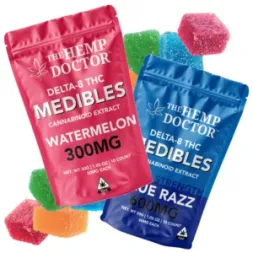

DELTA 8 THC MEDIBLES GUMMIES
Price range: $9.95 through $45.95 — or subscribe to save 25%Shop Now This product has multiple variants. The options may be chosen on the product page -


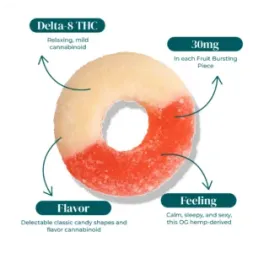
D8 THC COSMIC RING GUMMIES | 30MG
$39.95 — or subscribe to save 25%Shop Now This product has multiple variants. The options may be chosen on the product page -