THCV: What It Is, What It Does, and Why It Feels Different

Quick Answer: THCV is a minor cannabinoid that does not feel intoxicating to most adults at typical retail serving sizes of 5 to 25mg. Some adult consumers associate it with a lighter, more alert daytime feel rather than the classic cannabis experience. Most THCV in hemp products today is made from CBDV rather than extracted from a high-THCV plant, which is why product amounts tend to be small.
You saw THCV on a product label, in a Reddit thread, or maybe on a friend’s gummy bottle, and now you’re trying to figure out what it actually is. The short version: THCV stands for tetrahydrocannabivarin, a minor cannabinoid found in the cannabis plant that shares part of its name with THC but is often described very differently by adult consumers.
This guide walks you through what THCV is, how it compares to THC and THCA, what adult consumers commonly report at real product serving sizes, and why it keeps showing up on more hemp labels in 2026. No overhyped claims, just a clear picture of a cannabinoid that is still unfamiliar to many shoppers.
🔑 Key Takeaways
- THCV is a minor cannabinoid with a shorter molecular side chain than THC, which is one reason it is often described differently.
- At typical retail serving sizes, THCV is often associated with a lighter, more functional feel rather than a strong intoxicating experience.
- Some adult consumers describe THCV as more daytime-friendly, closer to a strong coffee vibe than a traditional cannabis high.
- Hemp-derived THCV is federally legal under the 2018 Farm Bill, though state laws vary.
- Most THCV products are gummies, tinctures, capsules, or full-spectrum vapes, not standalone flower.
What Is THCV? The Definition Without the Jargon
What Does THCV Stand For?
THCV stands for tetrahydrocannabivarin. It is a naturally occurring cannabinoid in the cannabis plant, related to THC in name but structurally distinct. THC has a five-carbon side chain hanging off its molecular structure. THCV has a three-carbon chain. That structural difference is one reason THCV is often described differently from THC.
If THC and THCV were similar-looking keys, they might fit into some of the same spaces, but they would not create the same experience for many consumers.
Where Does THCV Come From?
Most cannabinoids you have heard of, including THC and CBD, trace back to a plant compound called CBGA, often nicknamed the “mother cannabinoid.” THCV comes from a separate plant pathway built on CBGVA, which is one reason the plant usually produces so little of it.
THCV occurs naturally at less than 1% in most cannabis varieties. The exceptions are certain African landrace sativas like Durban Poison and a handful of hybrids bred from them. Because pulling meaningful amounts out of those plants is expensive, most commercial THCV in hemp products today is made through conversion from CBDV, not extracted from a high-THCV cultivar. That is worth knowing the next time you see a brand market THCV as “naturally extracted.”
- Back in Stock
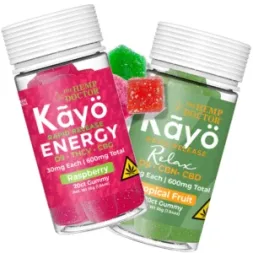
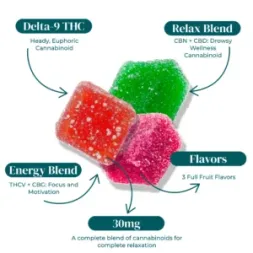
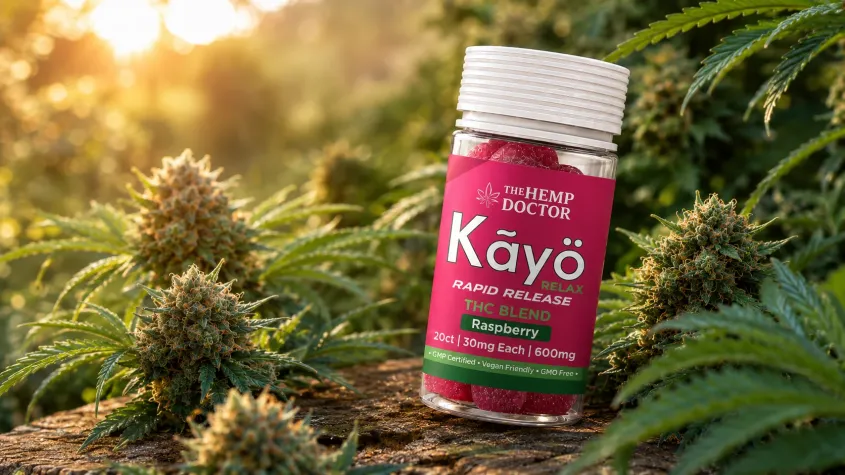
KAYO | RAPID RELEASE THC BLEND GUMMIES | 30MG
Price range: $29.95 through $54.95 — or subscribe to save 25%Shop Now This product has multiple variants. The options may be chosen on the product page - Back in Stock


REVIVE | Full Spectrum CBD Softgels
Price range: $79.95 through $134.95 — or subscribe to save 25%Shop Now This product has multiple variants. The options may be chosen on the product page - New Product
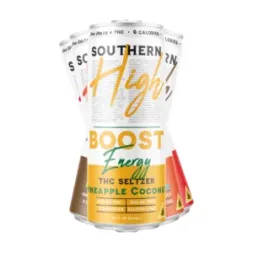
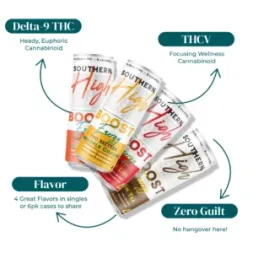
SOUTHERN HIGH | BOOST – SLIM | D9 : THCV 15MG SELTZER
Price range: $6.95 through $36.95 — or subscribe to save 25%Shop Now This product has multiple variants. The options may be chosen on the product page
THCV vs THC: They Share a Name, Not Much Else
THCV vs THC: What’s the Actual Difference?
The most common question for anyone reading a label is the obvious one: it has “THC” in the name, so does it act like THC? Not really.
THC and THCV are both cannabinoids, but adult consumers often describe them differently. THC is the cannabinoid most associated with the classic cannabis high. THCV, especially at common retail serving sizes, is more often described as lighter, clearer, and less heavy.
That difference helps explain why some consumers say THCV products feel more functional than THC-forward products. When THCV appears in a blend with THC, some users report a cleaner, less weighed-down experience. Results vary by person, product type, serving size, and the full cannabinoid profile.
THCA vs THCV: Are They the Same?
No, and the names cause endless confusion. THCA is the raw, unheated acidic precursor to THC found in fresh cannabis. When you light a joint or use a THCA vape, heat converts THCA into Delta-9 THC, which is what produces the high. THCV is a separate cannabinoid with its own plant pathway and its own user-reported character. THCA becomes THC. THCV does not.
Here is a clean side-by-side at a glance.
| Property | THCV | THC | CBD |
| Intoxicating? | Low serving sizes: typically no / higher amounts: possible mild intoxication | Yes | No |
| Common consumer description | Light, clear, daytime-friendly | Euphoric, relaxing, heavier | Calm, balanced, wellness-focused |
| Appetite-related reports | Some users report less snacking | Often associated with munchies | Often described as neutral |
| Primary association | Energy-like feel, focus-like feel, less snacking | Euphoria, relaxation | Calm, wellness |
| Found in hemp? | Trace amounts, usually made from CBDV | Low Delta-9 THC in compliant hemp | Yes, abundant |
What Does THCV Feel Like? The Honest Answer
THCV Effects vs What You’d Expect From THC
Here is the description nobody else seems to give you. At typical retail serving sizes of 5 to 25mg, many adult consumers describe THCV as offering mild alertness and a light mood lift, without the body heaviness or drowsy finish often associated with THC. There may be no obvious “onset moment,” no strong snack cravings, and no couch-lock at the back end. Many users describe the finish as fast and clean.
Picture a strong cup of coffee with a slight uplift in mood, rather than a cannabis high. That is closer to the experience some people report than anything in the “diet weed” headlines.
Does THCV Give You Energy?
Some adult consumers say THCV feels energizing, but that does not mean it works like caffeine or other stimulant-style products. The “weederall” nickname circulating online overstates what many people actually experience.
The energy-like feel may be better understood as a lighter cannabis experience. THCV products are often described as less foggy, less snack-heavy, and less slow than some THC products. The result is what many people describe as a more functional headspace.
A 2023 human study published in Cannabis and Cannabinoid Research looked at oral THCV amounts from 25mg to 200mg. Participants reported a more energetic feel at lower amounts and noticed mild THC-like effects at higher amounts. This is useful context, but it should not be treated as a product promise. Individual experiences vary.
Is THCV Psychoactive? The Amount Range Nobody Explains
The single most confusing claim about THCV across the internet is that it is “non-psychoactive at low amounts and psychoactive at high amounts,” without anyone telling you where that line may sit. Here is the practical version.
Below roughly 25mg of oral THCV, most adults do not report feeling intoxicated. They may notice alertness or a mild lift, but it often does not cross into a high. Between 25 and 100mg, mild THC-like effects may begin to emerge for some people, with the character often described as functional rather than heavy. Above 100mg, stronger psychoactive effects are possible for some individuals, though many users still describe the experience as clearer and shorter than a comparable THC experience.
So if you bought a gummy with 10mg of THCV in it, intoxication is unlikely for most adults, but you may notice the alertness and focus-like end of the spectrum. Knowing the amount range helps you choose more intentionally.
Non-Intoxicating Experiences Adult Consumers Talk About
The conversation around THCV gets oversold quickly, so it is worth being precise. These are not medical claims, and human research on THCV is still limited. What follows is the everyday experience some adult consumers report.
One common report is reduced interest in snacking. THC is famous for the munchies, while THCV is often described differently. Some adults say THCV feels less snack-driven than THC products, especially when used in smaller serving sizes.
The other regularly reported experience is what users call a “clear-headed uplift.” THCV tends to be one of the few cannabinoids discussed in the context of daytime productivity rather than evening wind-down. One real-world detail that goes unmentioned almost everywhere: some users say THCV feels more noticeable on an empty stomach than after a meal. If you try a THCV product right after lunch and feel nothing, timing may be part of the answer.
How THCV Fits Into the Cannabinoid Conversation
Cannabinoids are naturally occurring compounds found in hemp and cannabis. Each one has its own profile, and adult consumers often describe them in different ways. THC is widely associated with intoxication. CBD is often associated with a calm, balanced feel. CBG is commonly discussed as a daytime cannabinoid. THCV has built a reputation as a lighter, clearer, more functional option at common retail serving sizes.
Samantha Evers, Retail Location Marketing Strategist for The Hemp Doctor, sees this confusion play out at the counter often. “Most customers asking about THCV walk in expecting another version of THC because of the name. Once we explain that customers often describe it very differently at common serving sizes, the appetite and focus reputation starts to make more sense to them. That one minute of explanation completely changes which product they end up choosing.”
How THCV Pairs With THC and CBD
This is the angle ranking content skips almost entirely, and it is one of the most relevant points for anyone already using full-spectrum hemp products. When THCV appears alongside THC in the same product, some adult consumers say the overall experience feels more functional, less heavy, and more clear-headed than a THC-forward product alone.
This is part of why African sativa varieties known for higher THCV levels, including Durban Poison, have a long-standing reputation for a more energetic and clear-headed high compared to indica-dominant or THC-forward products. User experience still depends on the full plant profile, amount consumed, tolerance, and setting.
THCV and CBD are both non-intoxicating for most adults at typical serving sizes, but they are not the same. CBD is usually described as calm and balanced. THCV is more often described as light, alert, and daytime-friendly. In a full-spectrum product that contains both, the experience may feel layered rather than one-note.
THCV Strains: Where Does THCV Naturally Occur?
The strains most often associated with higher THCV levels share an African sativa lineage. The most recognizable name is Durban Poison, a landrace sativa from South Africa. Others include Doug’s Varin, Pineapple Purps, Red Congolese, Jack the Ripper, Willie Nelson, and Power Plant. All sit in the sativa-leaning category and tend to be associated with more energetic, cerebral experiences.
Here is the honest caveat for anyone shopping the hemp market. You are almost certainly not going to find high-THCV flower at a hemp retailer. The strains above are available at licensed recreational dispensaries in legal states, where higher-THC plants are part of the regulated catalog. Hemp THCV products, on the other hand, are usually made by adding isolated or converted THCV to a carrier product, not by cultivating a high-THCV hemp cultivar. Understanding that distinction is what lets you evaluate a hemp label accurately.
If you do see a hemp product claim a high THCV content, the Certificate of Analysis is the proof. Genetics alone do not guarantee THCV content, and batch-to-batch variation is real.
Where Can I Find THCV? What to Look For
What Is THCV in Gummies?
In a gummy, THCV is the same cannabinoid delivered in an edible format. Many edible hemp products take longer to feel than inhaled products, and the experience usually lasts longer. Most THCV gummies on the market today contain 5 to 25mg of converted THCV per serving. Always confirm the exact amount on the COA, not just the front of the package.
The most common THCV product formats are gummies, tinctures, softgels, and some full-spectrum vapes that list THCV as part of the cannabinoid stack. Standalone THCV flower is rare in the hemp market for the reasons covered above.
| Format | Typical THCV Amount | Typical Start Time | Typical Length |
| Gummies | 5–25mg per serving | 30–90 minutes | 3–5 hours |
| Tinctures | 2–10mg per serving | 15–45 minutes | 2–4 hours |
| Softgels/capsules | 5–25mg per serving | 30–90 minutes | 3–5 hours |
| Full-spectrum vapes | Trace to small amounts | 2–15 minutes | 1–2 hours |
When evaluating a product label, look for THCV listed in the cannabinoid breakdown on the COA, not just as a marketing line on the front. Curious how a full-spectrum cannabinoid stack reads on a real product? That is a good example to study side by side with the COA.
The Kayo Rapid Release Energy Blend Gummy — 15mg D9 THC + 7.5mg THCV + 7.5mg CBG per gummy, nano-emulsified for faster onset (15–45 minutes vs. the usual 60–90). This is what a THCV-containing gummy actually looks like in practice.
[Shop Kayo Energy Blend →]
THCV Serving Size: How Much Should You Take?
The 2023 study gives a useful framework for thinking about amount ranges. Below 25mg oral THCV, many adults report a light, functional experience without intoxication. Between 25 and 100mg, mild THC-like effects may appear for some adults. Above 100mg, stronger psychoactive effects are possible.
Most retail THCV products fall in the 5 to 25mg range, which sits in the non-intoxicating zone for the majority of adult consumers. Start low, give it a full session to assess how it feels for you, and increase slowly only if you want more. Experiences vary based on tolerance, body weight, metabolism, timing, and whether other cannabinoids are present.
Always consult a healthcare professional before adding any new supplement to your routine.
THCV Side Effects and Safety
Human research on THCV is still limited, and individual experiences vary. Some adults report a lighter finish at the back end of a serving, reduced interest in food, or occasional stomach discomfort. Very high amounts may feel more intense or unpleasant for some users.
Some groups should avoid hemp-derived cannabinoid products unless they have spoken with a qualified professional, including people who are pregnant or breastfeeding and anyone who has been advised to avoid intoxicating substances. If you are subject to workplace drug testing, that is a separate concern covered below and worth taking seriously.
Always consult a healthcare professional before adding any new supplement to your routine.
How Long Does THCV Last?
Start time and duration vary by format. Inhaled THCV from a vape is typically felt within 2 to 15 minutes and tends to fade within 1 to 2 hours. Edible THCV from a gummy or capsule usually takes 30 to 90 minutes to come on and may last 3 to 5 hours.
The finish from THCV is often described as faster and cleaner than THC, with less residual fogginess. That shorter, lighter tail is part of why THCV gets positioned as a daytime, functional cannabinoid rather than an evening wind-down option.
Is THCV Legal? Sourcing and Drug Testing
Is THCV Legal?
Hemp-derived THCV is federally legal under the 2018 Farm Bill, which removed hemp, defined as cannabis with less than 0.3% Delta-9 THC by dry weight, from the federal controlled substances list. THCV from hemp generally falls under that same framework.
State laws are where things get complicated. Several states have placed restrictions on hemp-derived cannabinoids, and a few have broader bans on certain compounds. Always check your state laws before ordering, and remember that local regulations can change. We never make absolute legal assurances. THCV’s similarity to THC adds some legal nuance, but many cannabis legal analysts view hemp-derived THCV as distinct. That nuance is worth knowing if you read about it elsewhere.
Will THCV Show Up on a Drug Test?
Yes, THCV may produce a positive result on a standard cannabis urine test. Standard tests are designed to detect cannabis-related markers, and THCV may be similar enough to raise concern. If drug testing is a concern in your work or life, avoid THCV products. There is no reliable way around this.
A final sourcing note: most commercial THCV is made from CBDV rather than extracted from high-THCV plants. This does not automatically make it low quality, but the “plant-derived” framing some brands lean on can be misleading. Look for a clear COA from a third-party lab on any THCV product you consider, just as you would for any hemp-derived product.
The Bottom Line on THCV
THCV is one of the more interesting minor cannabinoids on the hemp market right now, but it is not the appetite-shredding, focus-boosting wonder product that the “diet weed” and “weederall” nicknames suggest. At typical retail serving sizes, many adults describe it as light, functional, and alert without strong intoxication. At higher amounts, mild THC-like effects may emerge for some users, but the character is often described as cleaner than a comparable THC experience.
The most useful thing to know as a buyer is what you are actually getting. Most THCV in hemp products is made from CBDV. Amounts on retail products are usually small, and the COA is the only place that tells you how much is in your gummy or tincture. With that knowledge, you can make a more informed decision about whether THCV fits into your routine.
Curious how THCV compares to more familiar hemp-derived options? Explore The Hemp Doctor’s full-spectrum CBD, CBG, and CBN products to see how different cannabinoids can fit into your routine.