The Spliff Starter Guide: Your Entry to the Iconic Cannabis Blend

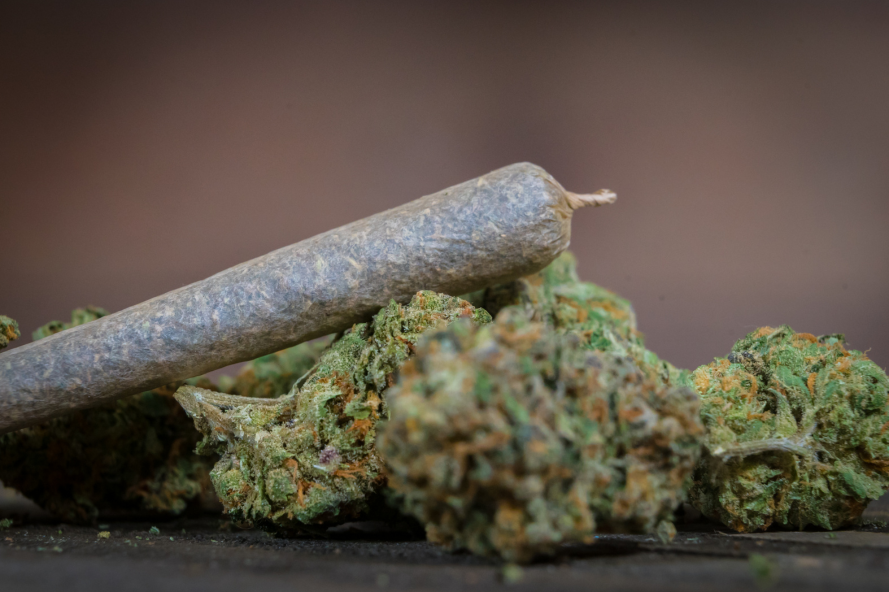
Spliffs aren’t exactly a fixture in the North American cannabis scene, but if you’ve spent time in Europe, the Caribbean, or parts of the United Kingdom, you might have encountered them. These cannabis-tobacco rolls remain deeply woven into smoking traditions around the world.
Whether you’re working with THCA flower or dispensary bud, learn all about spliffs and what sets them apart from other cannabis consumption methods.
What is a Spliff?
Spliffs contain a mixture of ground cannabis flower and smoking tobacco, rolled together in the same smokeable paper used to prepare a joint.
You might not hear the term “spliff” quite as often as “joint” or even “blunt” in U.S. cannabis circles, but spliffs are smoked worldwide, especially outside North America. They’re most common in Europe, the United Kingdom, and parts of the Caribbean, although the term’s exact definition (including whether or not it involves nicotine) can differ by region. Some communities use it interchangeably with “joint.”
Sadly, you aren’t likely to find nicotine-infused cannabis pre-rolls in the United States, at least not at a legal dispensary. You’ll probably need to roll one yourself.
“Spliff” originated as Jamaican slang in the mid-twentieth century. In its earliest usage among Rastafarian communities, the term referred broadly to hand-rolled cannabis cigarettes, not necessarily those with tobacco blended in. The cannabis-plus-tobacco approach is more typical in Europe and seems to have developed later as “spliff” spread internationally.
The term later spread to the UK, where hash smoking is huge. Over there (and in much of Europe), people historically often mix tobacco with hash, so it burns smoothly and evenly.
It’s not entirely clear where the linguistic root of “spliff” lies, but one theory is that it came from the Jamaican Patois slang for something narrow, thin, or split in two.
What Are the Components of a Spliff?

You can roll a weed spliff with the same paper you use for joints, only now, you’re adding both cannabis bud and tobacco—at no specific ratio. Spliffs are customizable, and the details come down to personal preference. Many people also add a filter tip or crutch to improve structure and airflow.
Breaking it down further, spliffs are composed of:
- Rolling paper: Thin paper, flavored paper, hemp paper, rice paper, whatever you prefer. Just stick to rolling papers rather than cigar wraps.
- Cannabis flower: Choose your preferred strain based on the effects and flavor you’re after.
- Tobacco: Loose-leaf tobacco or tobacco from cigarettes both work.
- Optional add-ins: Consider sprinkling in kief, concentrates, or other cannabis products to boost potency.
The tobacco in spliffs can help them burn more evenly and consistently than joints do, which is a potential benefit.
How Spliffs Feel: Physical and Mental Effects
Depending on your ratio of bud to tobacco—as well as the strain you choose, plus other cannabis infusions—the spliff’s effects will differ.
You’ll likely experience a blend of effects from both nicotine and cannabis, including:
- Increased heart rate
- Mild euphoria
- Relaxation or calmness
- Heightened sensory perception
- Increased appetite
- Increased alertness or focus
- Short-term memory impairment
Nicotine’s stimulating effects can make the experience feel more energetic or clear-headed, though it could also heighten the risk of dizziness for those who don’t normally consume tobacco.
You’ll also want to keep tolerance and ratio in mind. As with any THC-containing product, those with a higher tolerance will typically feel weaker effects, and vice versa. Spliffs with a higher ratio of bud to tobacco could resemble joints more closely in terms of effect, while a spliff with a hefty dose of tobacco could feel more stimulating and less mellowing.
Not inherently. Blending cannabis with tobacco won’t directly amplify THC’s psychotropic effects, though it can alter how they present. To some people, that might make the experience of smoking a spliff feel more intense, overall.
If weed typically makes you drowsy and not much else, the extra pep offered by nicotine could make the high feel more prominent, or at least clearer.
How to Roll A Spliff & Smoke It?
Rolling a spliff isn’t too different from rolling a joint, save for one extra ingredient: tobacco. You’ll add this on top of cannabis flower and other optional infusions, such as kief.
Here’s how to make a spliff, even as someone without experience:
Materials:
- Rolling papers (standard cigarette papers, king-size, or cones)
- Ground cannabis bud
- Loose tobacco or tobacco from a cigarette
- Grinder
- Filter tip or crutch (optional but recommended)
Instructions:
1. Grind your cannabis.
Use a weed grinder to break down the flower into a medium-fine, even consistency to ensure a smoother burn.
2. Prepare your tobacco.
If using a cigarette, open it up and remove the tobacco. If using loose-leaf tobacco, measure out your desired amount.
3. Mix cannabis and tobacco.
Combine them in your preferred ratio. Consider starting with slightly more cannabis than tobacco (assuming you aren’t a regular cigarette smoker), then adjusting your future spliffs as needed. More cannabis for a stronger high, more tobacco for a smoother, lighter experience.
4. Prepare your rolling paper.
Lay it flat with the adhesive strip facing up and away from you. If using a filter, place it at one end.
5. Fill the paper.
Spread your cannabis-tobacco mixture evenly along the length of the paper.
6. Roll it.
Using your thumbs and index fingers, gently roll the paper back and forth to pack the mixture into a cylindrical shape. Once it feels firm, tuck the non-adhesive edge into the roll and continue rolling up to the adhesive strip.
7. Seal it.
Lick the adhesive strip and press it down to seal your spliff.
8. Pack it down
Gently tap the filter end on a flat surface to pack everything down, then twist the open end to close it.
9. Light and smoke
Light the twisted end, take a few quick puffs, then enjoy your spliff.
How to Customize Your Spliff?
You can customize a spliff just like you can a joint or a blunt, assuming you’re rolling it yourself. If your spliff is pre-rolled (a rare find, at least in the United States, because of nicotine regulations), you won’t have the same freedom.
First, decide on the ratio of cannabis and tobacco. Your preference depends on the effects you’re chasing: if getting high is your priority and you only need a subtle boost of nicotine, use mostly cannabis (e.g., 80% bud, 20% tobacco). For a balanced session or milder high, go 50/50 or add more tobacco.
Beyond tweaking the ratio, you can also:
- Choose different strains: Explore various indica, sativa, or hybrid cannabis strains to achieve different effects.
- Add concentrates: Infuse your spliff with kief, hash, or wax for extra potency.
- Select different papers: Try flavored papers, different sizes, or alternative materials like hemp or rice paper.
- Pick your tobacco: Different tobaccos will affect both flavor and burn quality.
Pros and Cons of a Spliff
Pros
On the positive end, the pros of smoking spliffs include:
- Extra even burn: Tobacco helps the spliff burn more consistently and smoothly due to its low moisture content.
- Easy to roll: The tobacco can also serve as a filler, making spliffs easier to roll.
- More discreet smell: Spliffs tend to smell more like tobacco cigarettes than pure cannabis.
- Customization: You control the cannabis-to-tobacco ratio, and thus, the overall smoking experience (in terms of flavor, effects, and intensity).
- Cost-effectiveness: If you’re running low on bud, packing some tobacco into a joint extends your supply.
- Balanced effects: The cannabis-tobacco blend might create a uniquely energizing high.
Cons
But there are also potential cons (some of which we’ll explore in greater detail later):
- Health risks: Tobacco is a carcinogen and comes with notable long-term health risks.
- Addictive potential: Nicotine is highly addictive, and spliffs could lead down the path of dependence. Some people report stronger withdrawal symptoms.
- Less THC: This isn’t a con for everyone (it might even be the goal), but you’re consuming less cannabis per spliff compared to a joint of the same size.
- Taste: Some people prefer the taste of pure cannabis over the combination with tobacco.
Spliffs aren’t for everyone, especially those who don’t usually smoke tobacco and could find the experience unpleasant.
Comparing Spliff With Joints and Blunts
While some regions of the world use “spliff” and “joint” interchangeably, they are different from one another. Blunts are also different from a spliff and a joint.
Spliff vs Blunt

Both spliffs and blunts blend tobacco and cannabis into one vessel, although the way that tobacco is incorporated differs.
Blunts are rolled in cigar paper or tobacco leaves rather than rolling paper, with the wrap itself delivering nicotine. You’re not folding in tobacco separately. Spliffs, on the other hand, have tobacco rolled in right alongside the bud, lending tighter control over nicotine content.
With a blunt, the nicotine content from the wrap is fixed, and they generally contain less nicotine than spliffs overall.
Spliff vs Joint

Spliffs and joints are almost identical in structure, with one essential difference: tobacco.
Joints contain only cannabis, while spliffs include a mix of cannabis and tobacco. Both are rolled in thin paper, can include filters or crutches, and provide a similar smoking experience (minus the stimulating kick of nicotine in spliffs).
That said, joints often produce a stronger, more cannabis-focused high due to higher THC content. They can also be trickier to roll and may burn less evenly than spliffs.
| Feature | Spliff | Joint | Blunt |
| Tobacco source | Mixed with cannabis | None | In the wrap |
| Rolling material | Rolling paper (hemp, wood pulp, etc.) | Rolling paper (hemp, wood, pulp, etc.) | Cigar wrap/tobacco leaf |
| Nicotine control | High (adjust ratio) | None | Low (fixed with wrap) |
| Burn time | Medium | Short-medium | Long |
| Best for | Balanced high with energy boost | Pure cannabis experience | Long sessions, sharing |
Health Considerations
You’ve probably heard it all before, but smoking any substance comes with risks to your long-term lung health. Inhaling smoke (whether from tobacco or cannabis) exposes your lungs to tar, carcinogens, and irritants that can damage lung tissue over time.
Tobacco is a known carcinogen linked to lung cancer, heart disease, and respiratory problems. Although THC isn’t physically addictive in the same way that nicotine is, you’ll want to be mindful of the addictive potential of smoking spliffs. Regular spliff use can encourage nicotine dependence, making it challenging to quit even if you sincerely want to.
This isn’t us telling you not to smoke spliffs. It’s all about making an informed decision. If you’re concerned about the aforementioned risks but still want to enjoy cannabis, consider alternatives like vaporizers, edibles, or tinctures. If you do choose to smoke spliffs, using less tobacco or smoking less frequently can help reduce some risk.
How Long Does One Spliff Stay in Your System?
The answer depends on which substance we’re talking about and what kind of test you’re taking.
For reference, THC detection times look like:
- Blood: One to two days for occasional users, up to several days for regular users.
- Urine: Three days for one-time use, five to seven days for moderate use, 10 to 30+ days for chronic users.
- Saliva: Up to 24 hours for occasional users, up to 72 hours for regular users.
- Hair: Up to 90 days.
Nicotine itself is eliminated quickly, generally within just one to three days. That said, cotinine (nicotine’s primary metabolite) can be detected for much longer:
- Blood/saliva: One to four days.
- Urine: Three to four days for non-smokers, up to 15 to 20 days for regular users.
- Hair: Up to 90 days.
Also, keep in mind that detection times vary based on factors such as your metabolism, body fat percentage, frequency of use, and the test’s sensitivity. It’s always best to play it safe and abstain for as long as possible if you anticipate a test.
How Long Does THCA Stay In Your System? (Decarboxylated & Raw Form)
How Much Nicotine & THC Are You Actually Getting Per Spliff?
It varies and depends entirely on how much cannabis bud and tobacco you include. But for perspective, a typical joint contains between half a gram and one gram of cannabis. If your flower is around 15–20% THC, each joint typically contains about 75–200 mg of THC.
In a spliff with equal parts cannabis and tobacco, you’d be getting approximately half that amount, or about 40 to 100 milligrams of THC.
Combustion destroys roughly 60–80% of available THC, so a spliff delivers far less THC than the raw milligram number suggests (though it still hits quickly and feels strong due to fast absorption).
You’ll want to keep bioavailability in mind, too, regardless. That’s a lot of THC, but combustion-based delivery isn’t the most efficient. In reality, you might only get 20 milligrams or less from your spliff.
Loose-leaf rolling tobacco contains about one to three percent nicotine by dry weight. A spliff with 0.25 to half a gram of tobacco would therefore hold roughly 2.5 to 15 milligrams of nicotine, with only one to two milligrams likely to be absorbed.
These are rough estimates. Actual amounts depend on your specific cannabis strain, tobacco type, and the ratio of bud to tobacco.
Common Spliff Mistakes (and How to Avoid Them)
If you’re new to rolling spliffs, possible hiccups could include:
- Using too much tobacco: Start with less tobacco than you think you need (maybe 20 to 30 percent of the mix) and adjust from there. Too much tobacco can make you feel nauseous or dizzy, especially if you’re not used to nicotine.
- Not grinding evenly: With an inconsistent grind comes an inconsistent burn. Make sure both your cannabis and tobacco are ground to a similar consistency.
- Rolling too tight or too loose: Too tight and you won’t be able to draw smoke through it; too loose and your spliff will burn too fast or fall apart. Aim for firm but not overly compressed.
- Forgetting the filter: While technically optional, a filter or crutch can make a huge difference when you smoke. It helps with structure, stops debris from reaching your mouth, and makes the spliff easier to grip as you smoke.
- Not distributing the mix evenly: If all of your cannabis winds up at one end and all of your tobacco at the other, you won’t have the most even experience, either. Mix thoroughly before rolling.
Are Spliffs Legal?
The legality of spliffs varies across the world, or even from state to state. If cannabis isn’t legal where you live, then spliffs aren’t either. (You do have the option to use THCA flower, however, if that alternative is available.)
In regions where cannabis is legal, spliffs generally are too, subject to the same restrictions as other THC-containing products: consume them in private or designated areas only, purchase from licensed dispensaries or reputable hemp sellers, abide by possession limits, and never use while driving. It’s worth checking your local laws before buying or consuming.
How Much Does a Spliff Cost?
Assuming you’re rolling your own spliff, the cost depends on three main components: cannabis flower, tobacco (loose-leaf or repurposed cigarette tobacco), and rolling paper or cones.
In the United States, a typical gram of (legal) bud sells for about $8 to $15, while a pack of 50 to 100 papers goes for between $1 and $5. Tobacco prices vary widely depending on brand, type, and region, so it’s difficult to say a universal per-spliff cost. With that in mind, a homemade spliff using roughly 0.25 to half a gram of cannabis, some tobacco, and a rolling paper or cone might cost between $2 and $8.
Pre-rolled spliffs are extremely rare in the United States due to the lack of nicotine at legal dispensaries. While buying them could theoretically be less cost-effective, it’s mostly a non-issue in practice (outside of places like Amsterdam).
Conclusion
Although the spliff definition is simple, these nicotine-infused joints are refreshingly versatile. You decide how much cannabis and tobacco to roll in, which strain or type of tobacco you prefer, and which add-ins (such as kief) to include. It’s similar to a regular joint, just with one additional twist.
Spliffs aren’t the North American standard, but if you’re looking to mix up your routine and experience cannabis in a new way, they could be worth trying. Just be aware of nicotine’s health risks and pace yourself if you’re not a regular tobacco smoker. Once you find the right balance, you might reach a clear, energetic high like no other.
-


1908mg THCA Sugar Diamond Sauce (2g)
$49.95Shop Now This product has multiple variants. The options may be chosen on the product page