How Long Does THCA Stay In Your System? (Decarboxylated & Raw Form)


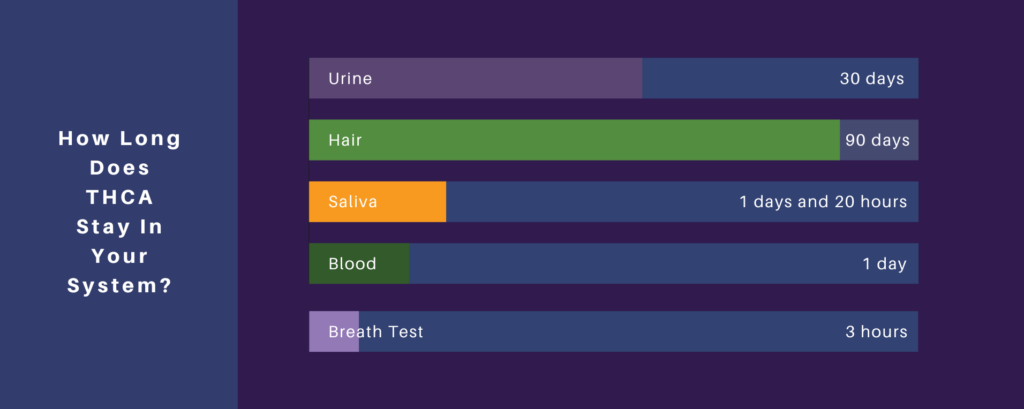
Quick Answer: THCA, in decarboxylated form, can be detected in different drug screening albeit in different detection times. Breath Analyzers can pick up up to three hours since last use with hair follicle test the longest at 90 days.
Tetrahydrocannabinolic acid, otherwise known as THCA, is the precursor compound of the known Delta-9 THC. It does not have the same mind-altering effects and is not an indicator compound to warrant a marijuana-positive drug test.
However, it pays to know how long THCA stays in your system, especially if you have scheduled mandated drug screenings. Heated THCA (such as those in vapes and smoked THCA flowers) opens the risk of testing positive for THC because decarboxylated THCA converts into THC.
This article provides the average period THCA in its decarboxylated version stays in each human sample or serum. It also breaks down all the relevant information you need to let you march in a drug screening anxiety-free.
🔑 Key Takeaways
- Screening methods have different detection windows for THCA in the decarboxylated version. Urine tests have the longest window, at 30 days, while blood tests have the shortest, at 24 hours.
- THCA is a non-psychotropic compound that isn’t part of the list of substances that drug screenings detect. However, decarboxylated (or heated) THCA converts into THC, leading to a likelihood of a positive marijuana drug test.
- Digestion and metabolism aren’t enough to convert THCA into THC. So, if you eat THCA raw, it shouldn’t yield a positive drug test unless you smoked or vaped it.
How Long Does THCA Stay In Your Body?
Before addressing this question, it’s important to note that THCA isn’t likely to appear in drug tests. It isn’t an illegal, illicit compound, unlike THC. Which means it isn’t part of the list of substances in screenings.
The risk of failing a drug test comes from vaping or smoking cannabis THCA. Once subjected to heat, THCA converts into THC.
45 days is the estimated time before the body clears THCA with 90 days as the longest detection found in a hair sample. However, it depends on several key factors, including age, metabolic rate, regular doses taken, and frequency of use. We will elaborate on these in the following section.
Does THCA Show Up on a Drug Test?
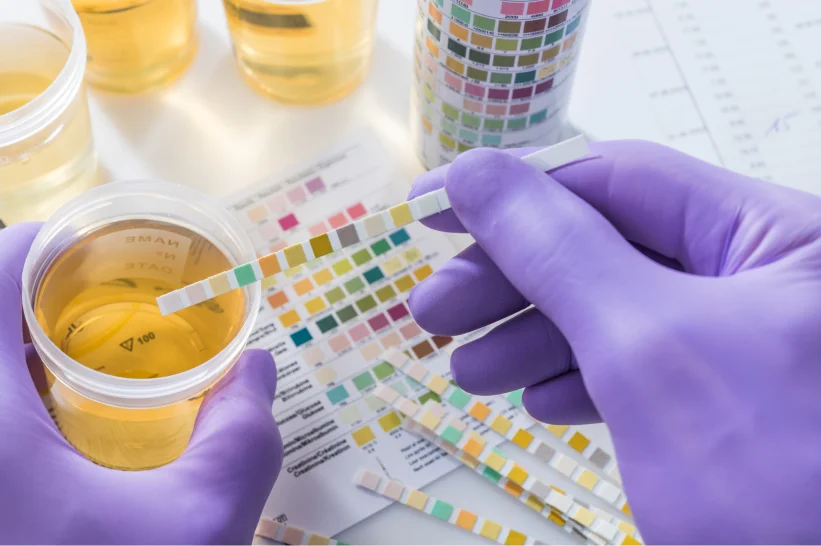
Most drug screenings aim to capture THC metabolites in an individual, not THCA. Therefore, the latter does not show up in these types of tests.
Also, THCA is non-psychotropic, which means it won’t give the exact effects that THC is known for. It is an active and extractable compound in raw cannabis, which may also have therapeutic benefits.
It is also essential to know that THCA is not THC. Simply put, the latter is the former’s raw form without decarboxylation. For the uninformed, decarboxylation is the process of placing raw cannabis under high temperatures to activate the cannabinoids and elicit its perceived effects.
To detect decarboxylated THCA in your system, one must subject oneself to the usual urine, saliva, blood, and hair tests. More on this later, as well.
For advanced tests that do detect THCA, traces of THCA can show up in a drug test if you consume it raw or in an edible form. However, doing so may lead to unpleasant side effects like nausea, an upset stomach, skin rashes, or respiratory issues.
Real-life Case
In 2020, an “Operations Technician” of Airgas (Murray Fisher) tested positive for THCA. The retest deliberately considered Fisher marijuana positive, firing him from his job. In a court battle, The Sixth Circuit favored Murray, ending with both parties settling. This shows that it’s possible for some advanced drug tests to detect THCA.
Other findings suggest that THCA may also have adverse interactions with specific prescription medications.
THCA Metabolism Process: How Does the Body Absorb and Flush THCA?
The body’s absorption and metabolism of THCA largely depend on the manner of your consumption. That said, THCA can be vaped, smoked, taken as an edible, applied, etc. Each of these consumption methods impacts how the body processes THCA.
Let’s follow the journey of THCA upon entering the body through different consumption methods.
Oral

Phase 1: Oral Absorption
When THCA is consumed orally through gummies, raw juices, and other edible forms, it is digested in the stomach, intestines, and liver.
Phase 2: Metabolic Process
THCA is primarily metabolized in the liver. At this point, THCA’s structure remains largely intact. Enzymes break THCA into water-soluble forms to prepare it to enter the bloodstream.
Phase 3: Excretion
Most of the THCA don’t enter the bloodstream. Only a limited number is circulated throughout the body. Instead, they go directly to the excretion process (the kidneys and digestive tract).
Sublingual
Phase 1: Absorption
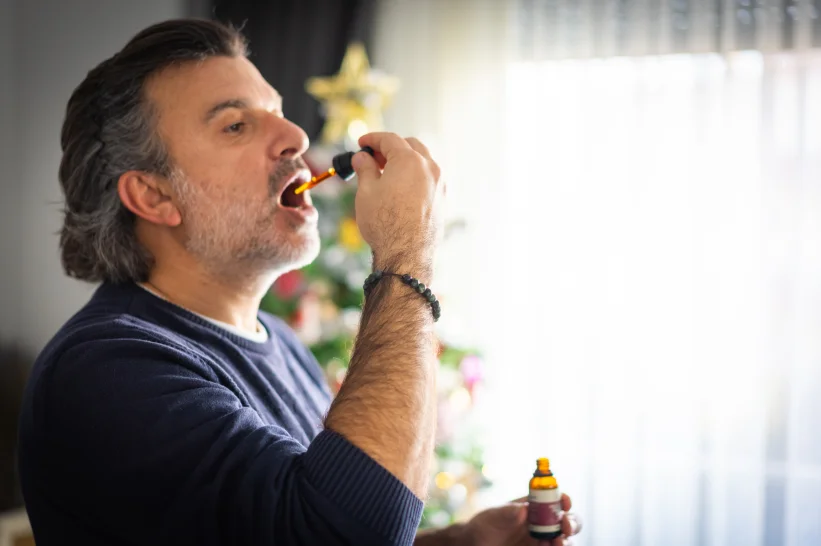
Sublingual consumption takes THCA a slightly different route. Tinctures or oils dropped under the tongue enter the body through the thin mucosal tissue that goes directly to the bloodstream. Once THCA enters the system, the compound goes directly into the bloodstream, bypassing the digestive processes.
Because THCA doesn’t pass through the digestive process, its bioavailability is further improved, which means more THCA can enter the bloodstream.
Phase 2: Partial Metabolism
Once THCA circulates in the bloodstream, it has to pass through the liver and undergoes partial metabolism.
Phase 3: Excretion
After the liver metabolizes THCA, the compound is excreted in bile and finally into the feces. Some are excreted through urine, but the majority exits as feces.
Inhalation
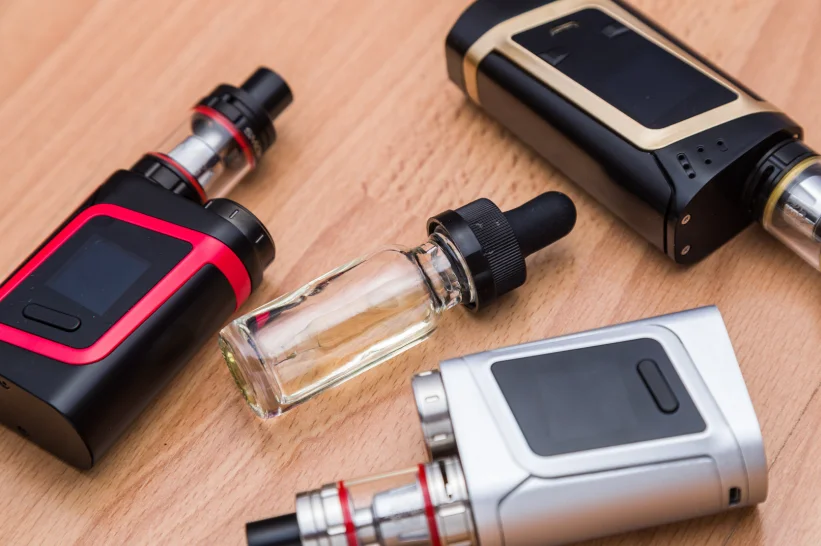
Phase 1: Absorption
Sublingual consumption takes THCA a slightly different route. Tinctures or oils dropped under the tongue enter the body through the thin mucosal tissue that goes directly to the bloodstream. Once THCA enters the system, the compound goes directly into the bloodstream, bypassing the digestive processes.
Because THCA doesn’t pass through the digestive process, its bioavailability is further improved, which means more THCA can enter the bloodstream.
Phase 2: Partial Metabolism
Once THCA circulates in the bloodstream, it has to pass through the liver and undergoes partial metabolism.
Phase 3: Excretion
After the liver metabolizes THCA, the compound is excreted in bile and finally into the feces. Some are excreted through urine, but the majority exits as feces.
What Factors Affect the Detection Window of Altered THCA in Your Body?
Spoiler Alert!
These are the following factors that dictate the window of detection of decarboxylated THCA: Age, unique metabolic rate, frequency of use, consumption method, and the type of drug test.
We mentioned metabolic rates as one of the primary factors that may affect THCA’s detection window. Age is directly connected to it because the body’s metabolism slows as we age.
Another factor to consider is the frequency of use. The more often THCA is present in the body, the longer it takes for the system to expel the compound entirely. Likewise, smaller doses make it easier for the body to process and expel the compound than larger intakes.
-
Sale!On SaleBack in Stock
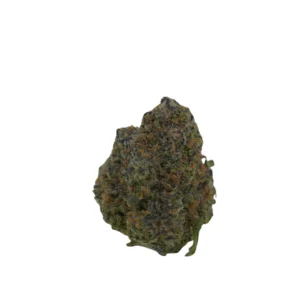
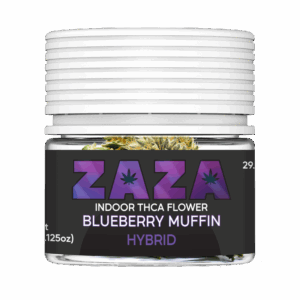
ZAZA | THCA Exotic Flower | Blueberry Muffin
Original price was: $30.00.$25.00Current price is: $25.00.Shop Now This product has multiple variants. The options may be chosen on the product page
Then, there is the consumption method. As previously mentioned, the metabolic processes in oral ingestion are different from inhalation and sublingual methods. Because it takes slightly longer for the body to break THCA down and enter the bloodstream, expelling it may also take longer.
Meanwhile, it takes a much shorter time for THCA to be present in the blood through inhalation or smoking. Therefore, it also spends a shorter time in the body, further narrowing the detection window.
How Long Does THCA Stay in Your System Urine Test?
Direct Answer
A one-time use of decarboxylated THCA remains detectable in the urine roughly within three to five days.
Since THCA isn’t part of the list of detected substances in a drug screening, it is pretty challenging to determine the length of time it stays in the system. Therefore, knowing how long it remains prevalent in a urine test may also be difficult.
But first, it’s worth knowing the basics of a urine test to understand better how it works. In a nutshell, this screening process aims to detect drug metabolites. It can also provide a good gauge of a person’s substance use history and habits, and the key factors we previously mentioned will play a role in the detection and results.
Take Note
The THCA referred to in the next sections is “decarboxylated THCA” (converted into THC) triggered by the heat emitted during vaping or smoking of THCA.
Since THC is a detectable compound for screenings, we will use it as a gauge to answer this question. Usually, one-time cannabis users could expel the substance quicker, roughly within three to five days.
Moderate users who consume up to four times per week take a slightly longer time of seven days maximum.
Chronic users who have their daily dose of THC may take up to 15 days before their body gets rid of the substance, while heavier users may wait for up to 30 to 45 days.
| Frequency of Use | Urine Detection Window |
| One-time | Three to five days. |
| Four times a week | Seven days or more. |
| Daily users | 15 days |
| Daily and heavy users | 30 to 45 days |
How Long Does THCA Stay in Your Hair?
Direct Answer
Three months or 90 days
Hair follicle drug tests are much more in-depth compared to urine tests. Not only are they not as invasive, but they also provide a deeper insight into a person’s substance use history.
The process involves collecting the individual’s hair strands, particularly those nearest to the scalp. Samples are usually taken from the back of the head near the neck.
Companies require these tests for jobs involving high injury risks, like construction. Courts may also mandate such testing processes for people on probation or when they are engaged in child custody or domestic violence cases. That’s because hair screenings can detect previous usage for as long as three months.
But how accurate are they, exactly?
A 2015 study found that hair follicle tests can identify more than 52 percent of recent cannabis use. Therefore, it may also provide a rough estimate of the THCA in a person’s system.
How Long Does THCA Stay in Your Saliva?
Direct Answer
24 to 44 hours
A saliva drug screening is similar to a COVID-19 swab test, which involves collecting an oral sample from an individual using a sponge or absorbent pad. A tester then sticks the swab inside the person’s cheek to procure samples.
This non-invasive method only takes a maximum of three minutes to complete, and the results may take up to 24 hours. An individual undergoing such a test must also abstain from eating or drinking ten minutes before the scheduled screening.
Regarding the detection window for cannabis compounds, saliva tests have a short amount of time at 24 hours. However, other findings suggest that inhaled THC may remain detectable for up to 30 hours. Ingested cannabis may remain in the saliva for up to 44 hours.
How Long Does THCA Stay in Your Blood?
Direct Answer
Two to 24 hours
If you dislike sticking needles in your arm, you may find blood drug screenings to be invasive and unpleasant. However, if you’re required to undergo an extensive test to determine past substance use, you may need to go through this process.
Companies usually mandate blood tests to determine if an employee’s erratic behavior, for example, is because of illicit substances. It may also be a requirement to know a person’s possible drug use after rehab.
However, blood tests have the shortest detection window of all the screening methods on this list, at two to 24 hours. As such, most companies that require drug testing rely on this method least.
Can Breath Tests Detect THCA?
This question does not have a black-and-white answer because it depends on the device type used.
As of this posting, standard breathalyzers cannot detect substances other than alcohol. If a law enforcement officer must check for THC presence in an individual, they may need to use different methods like saliva tests. Likewise, there is no available chemical test that could measure cannabis impairment that an alcohol breathalyzer is capable of.
However, there are new breathalyzer technologies today that may detect the presence of THC in someone’s breath. In such instances, these tests are capable of isolating active THC molecules.
There is one caveat, though: immediate testing is a must to detect THC particles in one’s breath. Specifically, testers must do it within the first two to three hours of a person’s consumption through inhalation.
That said, breathalyzers can detect cannabis use in a person. However, specific factors like time should be considered and prioritized.
Why Is Unheated THCA Typically Undetected?
Unheated THCA is the compound in its raw form and does not have mind-altering effects. Therefore, most drug screenings won’t detect it. It turns into THC upon combustion, and that’s when the substance may appear on the test.
However, this does not mean that unheated THCA is entirely undetectable. As mentioned in an earlier section, tests that capture metabolites of the substance may catch the presence of THCA in the system. Specialized tests may do the same.
How Long Does It Take THCA to Leave Your System?
Direct Answer
Three to 30 days. It depends on the frequency of usage.
As mentioned in previous sections, several factors may affect the longevity of THCA and THC in the body. Metabolism rate, age, frequency of exercise, and cannabis use all play a role.
The faster a person sheds their extra weight, the easier it is for these compounds to leave the body. THC is a water-soluble substance that clings to fat cells, and the less the person exercises, the longer it takes for the body to store these cannabis compounds.
But if we were to give a ballpark figure, the shortest time is around three to seven days. The longest amount of time is 30 days, and this is for heavy users who will undergo urine testing.
Does THCA Stay in Your System as Long as THC?
Because THCA isn’t illegal, nor is it a substance of concern, there isn’t enough information to determine the amount of time it stays in the body compared to THC. However, some findings suggest that the body expels it much faster because of its non-psychotropic nature.
Likewise, THCA does not remain in the urine, blood, hair, or saliva for too long. So, if you’re mostly consuming this substance over THC, you won’t have to worry too much about drug screenings.
How to Get THCA Out of Your System Fast?
You generally don’t need to worry about THCA since drug tests don’t detect it. And if we’re focusing on THC, here’s a straight answer to this question: there is no way to flush it out of your system to pass a drug test.
You may hear about “detox” methods like drinking gallons of water at a time or using cranberry juice as an alternative. You may even find articles suggesting buying “detox teas” or kits. Unfortunately, none of these will work.
The best way to get rid of THC and its variants is to lessen the amount you consume or abstain immediately. As mentioned earlier, metabolites of the substance can remain in the body for three to seven days for casual users. Keep your doses at a minimum, around 2.5 to five milligrams per week.
What Contributes to False Positive Tests?
Direct Answer
Hemp food products, synthetic THC drugs, etc.
Contrary to popular belief, inhaling secondhand cannabis smoke does not contribute to a positive drug test. According to some study findings, a failed screening due to passive inhalation is “highly unlikely” when based on the standard threshold of 50 nanograms per milliliter of THC during initial screenings.
However, certain hemp food products like oils and seeds may lead to a false positive. Other medications like synthetic THC drugs such as dronabinol may also lead to cannabinoid metabolites in the system. For the uninformed, it’s a drug to help a person regain their appetite, especially for those who have AIDS.
If you’re undergoing a drug test, it would be best to be transparent about the substances you take as a supplement or for therapeutic purposes.
Final Thoughts
As of this posting, THCA isn’t part of the list of substances screened during drug tests. However, once it undergoes combustion, the compound converts into THC and becomes detectable. It would be best to know the detection windows and testing methods to avoid a failed test that could be problematic.
Before we wrap up, we’ll answer a few of the most frequently asked questions.