How to Make CBD Gummies at Home

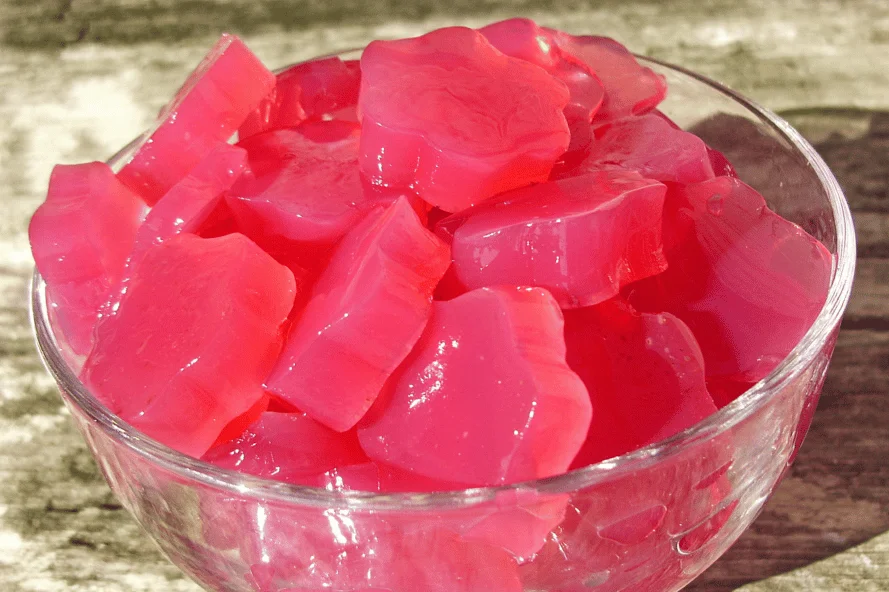
Quick Answer: To make CBD gummies at home, warm fruit juice over low heat, whisk in gelatin and sweetener, let the mixture cool slightly, stir in your measured CBD oil or isolate, pour into silicone molds, and refrigerate until firm. Calculate the amount per gummy using this formula: total milligrams of CBD added ÷ number of gummies made = CBD per gummy.
Homemade CBD gummies give you full control over flavor, ingredients, sweetness, and the amount of CBD in each piece. Whether you want to avoid certain additives, experiment with bold fruit juice combinations, or simply enjoy a DIY project, making your own gummies at home is straightforward once you understand the basics.
Gummies are the most popular format among hemp consumers for a reason. According to a survey of 10k+ customers, 55.5 percent name gummies or edibles as their primary product. That kind of preference speaks to what gummies do well: they are easy to portion, pleasant to eat, and simple to work into a routine. A homemade batch gives you the same advantages with added control over what goes inside.
This guide walks you through a simple CBD gummy recipe with clear serving-size math, storage tips, and troubleshooting for common problems. Keep in mind that homemade gummies may not be as precisely measured or shelf-stable as professionally made options, but with careful measuring and proper technique, you can create a satisfying final product in your own kitchen.
🔑 Key Takeaways
- Homemade CBD gummies require fruit juice, gelatin, sweetener, CBD, and silicone gummy molds.
- Always add CBD after removing the mixture from heat and letting it cool slightly to help preserve the quality of the hemp-derived ingredient.
- Use this formula: total CBD added ÷ number of gummies = CBD per gummy.
- CBD oil can separate from juice-based mixtures, so whisk thoroughly or consider using lecithin, isolate, or water-soluble CBD.
- Store homemade CBD gummies in an airtight container in the refrigerator and label them clearly with the date and estimated amount per gummy.
Homemade CBD Gummies Recipe Overview
Before diving into the full instructions, here is a quick snapshot of what this DIY CBD gummies project involves.
| Detail | Information |
|---|---|
| Prep Time | 10 minutes |
| Cook Time | 5–10 minutes |
| Chill Time | 1–2 hours |
| Approximate Yield | 25–50 gummies, depending on mold size |
| Difficulty Level | Beginner-friendly |
| Best Storage Method | Airtight container in the refrigerator |
| CBD Per Gummy | Calculate using: total mg CBD ÷ number of gummies |
This recipe uses simple, kitchen-friendly equipment and widely available ingredients. No special culinary skills are required.
Ingredients You’ll Need
Gathering your ingredients before you start makes the process smoother. For a basic CBD gummy recipe, you will need fruit juice such as tart cherry, grape, cranberry, orange, pineapple, or a berry blend. Unflavored gelatin provides the gummy texture, and a sweetener like honey, maple syrup, sugar, or a sugar-free alternative adds the right level of sweetness.
The CBD component can be CBD oil, CBD isolate, or water-soluble CBD. If you want a tart finish, optional lemon juice or citric acid works well. Sunflower lecithin is another optional add-in that helps reduce oil separation in your gummy mixture.
Equipment You’ll Need
You do not need professional kitchen tools for this project. A small saucepan, whisk, and measuring spoons or cup handle most of the work. For measuring your CBD, use a dropper, syringe, or kitchen scale depending on whether you are working with oil or isolate.
Silicone gummy molds are essential for shaping your gummies, and placing them on a tray or baking sheet makes transferring to the refrigerator easier. Keep an airtight storage container and labels or masking tape on hand so you can mark the CBD content and date made.
Best CBD to Use for Homemade Gummies
Choosing the right CBD format depends on your preferences. Some options are easier to find, while others offer more precise measuring or better blending in water-based recipes.
CBD Oil or Tincture
CBD oil or tincture is the most accessible option for beginners. The dropper makes measuring straightforward, and you can find it at most hemp retailers. The one catch: oil-based CBD may separate from water-based fruit juice if not mixed thoroughly. Look for a third-party tested product with a clear CBD amount listed on the label — that number is what you need for accurate recipe planning. For tips on getting consistent results from your dropper before you start cooking, the guide to using CBD tinctures is worth a quick read.
CBD Isolate
CBD isolate is a crystalline powder that contains only CBD with no other cannabinoids. It is useful for precise measuring and has minimal flavor, which appeals to those who want to avoid the earthy taste of full spectrum CBD products. Mix it thoroughly into the warm gummy base for even distribution.
Water-Soluble CBD
Water-soluble CBD is formulated to blend more easily into liquids. It mixes more smoothly than oil in juice-based ingredients, reducing the chance of separation. The tradeoff is that water-soluble options often cost more than standard CBD oil.
CBD Flower Infusion
Some advanced DIY enthusiasts prefer to infuse their own CBD oil from hemp flower. This method requires extra preparation, including decarboxylation and infusion, and can be harder to measure accurately. Beginners should start with CBD oil, isolate, or water-soluble CBD for more predictable recipe results.
Step-by-Step CBD Gummy Recipe
Follow these steps for a straightforward batch of homemade CBD gummies.
- Add fruit juice to a small saucepan over low heat.
- Stir in your sweetener until fully dissolved.
- Slowly sprinkle in the unflavored gelatin while whisking continuously to prevent clumps.
- Continue whisking until the gelatin is fully dissolved and the mixture is smooth.
- Remove the pan from heat and let the mixture cool slightly without allowing it to set.
- Add the measured CBD oil, CBD isolate, or water-soluble CBD.
- Whisk thoroughly for even distribution throughout the mixture.
- Pour or drop the mixture carefully into silicone gummy molds.
- Place the molds in the refrigerator and chill until firm, typically 1–2 hours.
- Remove gummies from molds, count the final yield, label the container, and store properly.
CBD Serving Calculator: How to Calculate CBD Per Gummy
Knowing how much CBD is in each gummy bear or piece requires simple math. Use the formula: CBD per gummy = total mg CBD added ÷ number of gummies made.
For example, if you add 250 mg of CBD to a batch and make 25 gummies, each gummy contains approximately 10 mg of CBD. If you add 100 mg of CBD and make 20 gummies, each gummy contains approximately 5 mg of CBD.
| Total CBD Added | Gummies Made | Approx. CBD Per Gummy |
|---|---|---|
| 100 mg | 20 | 5 mg |
| 200 mg | 20 | 10 mg |
| 300 mg | 30 | 10 mg |
| 500 mg | 50 | 10 mg |
Homemade serving amounts are always approximate. Consistent mold sizes, thorough mixing, and counting the final number of gummies all contribute to more accurate results.
CBD Gummy Recipe Calculator
& Batch Scaler
Three inputs — how many gummies, how much CBD per piece, and your bottle’s strength. Get the exact milliliters to measure, total CBD needed, and a fully scaled ingredient list ready to cook from.
How many gummies do you want to make?
Actual yield may vary slightly by mold size. You’ll be able to recalculate after cooking.
Third-party lab-tested CBD oil tinctures with clear mg labels — ideal for homemade gummy batches.
Homemade CBD gummy measurements are always approximate. Mold sizes, mixing thoroughness, and batch-to-batch variation mean actual CBD per piece may differ from calculated values. Always count your final yield and recalculate. Use a third-party tested CBD product with clearly listed mg per bottle. Label homemade gummies clearly — never serve them without disclosing the CBD content. Keep away from children and pets. Check local regulations before making or consuming CBD products. Not medical advice.
How Much CBD Oil Should You Use?
Planning your batch starts with deciding how much CBD you want each gummy to contain. Choose your target CBD amount per gummy first. Then decide how many gummies you want to make. Multiply the two numbers to find the total CBD needed for the batch.
For example, if you want 50 gummies at 10 mg each, you need 500 mg of total CBD in the batch. This approach helps you shop for the right product strength and measure accurately. Always follow product labels and double-check your math before adding CBD to your mixture.
Starting lower is almost always the right call, especially for someone new to CBD gummies. According to a survey of 848 Hemp Doctor customers, 75.1 percent found their ideal product and dose through trial and error. Homemade batches are a good format for that process — you can adjust the serving amount batch by batch as you learn what works for you. For a broader look at how CBD dosing actually works in practice, the CBD gummies dosage guide covers the variables in detail.
Starting at 5 to 10 mg per gummy is a sensible range for a first batch. If that feels right, stay there. If you want to adjust, change one thing at a time.
How to Prevent CBD Oil From Separating
CBD oil is typically carried in a lipid base like MCT oil, while fruit juice is water-based. Because oil and water do not naturally blend, the CBD can float, separate, or distribute unevenly if you are not careful.
To reduce separation, add CBD only after removing the pan from heat. Let the mixture cool slightly but do not wait until it begins setting. Whisk continuously while adding CBD and keep whisking until fully incorporated. Sunflower lecithin can act as an optional emulsifier. You can also consider CBD isolate or water-soluble CBD for easier blending. Work quickly so the mixture does not firm up before you pour it into the molds.
Flavor Ideas That Help Mask Hemp Taste
Some CBD products have a strong, earthy flavor that can come through in your gummies. Choosing the right juice pairing helps balance or cover the hemp taste.
| Flavor Issue | Best Juice or Flavor Pairing |
|---|---|
| Earthy taste | Tart cherry, cranberry, pomegranate |
| Bitter aftertaste | Lemon, lime, orange, pineapple |
| Grassy flavor | Berry blends, grape, mango |
| Strong tincture flavor | Flavored CBD oil or CBD isolate |
Adding a small amount of lemon juice brightens the overall flavor. Bold juices work better than mild or watery blends. If you are using a CBD tincture with a strong taste, consider switching to an isolate for a cleaner flavor profile.
Troubleshooting Homemade CBD Gummies
Even experienced home cooks run into issues. Use this table for quick problem-solving.
| Problem | Likely Cause | Fix |
|---|---|---|
| Gummies are too soft | Not enough gelatin or too much liquid | Add more gelatin next time and chill longer |
| Gummies are rubbery | Too much gelatin | Reduce gelatin slightly |
| CBD oil floats on top | Oil-water separation | Whisk more thoroughly, use lecithin, or try water-soluble CBD |
| Gummies taste bitter | Strong CBD flavor or not enough sweetener | Use tart juice, citrus, berry flavors, or flavored CBD oil |
| Gummies develop mold quickly | Too much moisture or poor storage | Refrigerate in an airtight container and use clean equipment |
| Gummies stick together | Surface moisture | Air-dry briefly or dust lightly with cornstarch or a citric acid/sugar blend |
| Gelatin clumps | Gelatin added too quickly | Sprinkle slowly while whisking continuously |
Vegan CBD Gummies Without Gelatin
Gelatin is derived from animal collagen, so it is not suitable for vegan diets. Pectin or agar-agar can serve as plant-based alternatives. These ingredients do not behave exactly like gelatin, though. Pectin typically requires more acidity and sugar to set properly, while agar-agar sets more firmly and may need different liquid ratios.
If you want to make vegan CBD gummies, follow a recipe specifically designed for pectin or agar-agar rather than swapping one-for-one. The heating time, acidity, and sugar levels all affect how well the gummies set.
Sugar-Free, Low-Sugar, and Paleo-Friendly Options
This CBD gummy recipe adapts easily to different dietary preferences. For a sugar-free version, use a compatible sugar-free sweetener and rely on bold juice or flavored liquid to compensate for the missing sweetness. A low-sugar version simply uses less sweetener and counts on naturally flavorful juice to carry the taste.
Paleo-friendly gummies work well with fruit juice, gelatin, and honey or maple syrup as the sweetener. Changing sweeteners can affect both taste and texture, so you may need to experiment to find your preferred balance.
How to Store Homemade CBD Gummies
Homemade gummies lack the commercial preservatives found in store-bought products, so proper storage matters. Room temperature storage is not recommended because gummies can become sticky, melt, or spoil.
| Storage Method | Approximate Shelf Life | Best Practice |
|---|---|---|
| Room temperature | Not recommended | Only leave out briefly while serving |
| Refrigerator | 1–2 weeks | Store in an airtight container |
| Freezer | 1–3 months | Separate layers with parchment paper |
Label the container with the date and estimated CBD per gummy. Keep your gummies away from children and pets. Avoid storing them in warm areas where they can melt or become sticky. For storage tips that apply to all CBD product formats, the guide to storing CBD products by type covers the specifics.
Safety, Legality, and Labeling Tips
Using CBD products that comply with the rules in your location is important. Hemp-derived CBD is federally legal under the 2018 Farm Bill as long as it contains less than 0.3% THC, but state laws vary. Always check the regulations where you live before making or consuming CBD gummies.
When choosing CBD oil, isolate, or water-soluble CBD, look for third-party lab reports that verify cannabinoid content and other product details. The Hemp Doctor publishes lab results for all products, and if you are new to reading those reports, the guide to reading a certificate of analysis walks through what each section means.
Clearly label your homemade gummies so they are not mistaken for regular candy. Store them securely and never serve CBD gummies to anyone who does not know what they contain. If you are new to homemade CBD gummies, consider starting with a small amount and waiting before having more.
If you take prescription medications or have an existing health condition, check with your healthcare provider before adding any new hemp supplement to your routine.
Homemade CBD Gummies vs Store-Bought CBD Gummies
Both options have their place depending on your priorities. Here is a balanced comparison.
| Homemade CBD Gummies | Store-Bought CBD Gummies |
|---|---|
| More control over ingredients | More consistent serving sizes |
| Custom flavors and sweeteners | Often made with professional equipment |
| Fun DIY option | Usually longer shelf life |
| Amount per gummy can be approximate | More convenient |
| May cost less per batch | Less prep and cleanup |
One point worth knowing about store-bought options: commercially made gummies often use nano-emulsification to improve CBD absorption. Nano-emulsified gummies can kick in within 15 to 20 minutes. Standard homemade gummies, which use conventional oil or isolate, typically take longer — often 30 to 90 minutes or more. Check the product label on any pre-made gummy to understand which type you have. For a more detailed comparison between store-bought gummy formats, softgels vs. gummies covers the tradeoffs between convenience and adjustability.
If you enjoy customizing your CBD serving amount and experimenting with flavors, homemade gummies are a rewarding project. If consistency and convenience matter most, store-bought CBD gummies may be a better fit.
Common Mistakes to Avoid
Even a simple CBD gummy recipe can go wrong if you skip key steps. Avoid adding CBD while the mixture is boiling or extremely hot, as high temperatures may affect hemp-derived ingredients. Guessing the CBD amount instead of calculating it leads to inconsistent results.
Forgetting to count the final number of gummies throws off your per-gummy amount estimate. Using uneven mold sizes creates unpredictable amounts from piece to piece. Not whisking enough after adding CBD causes separation. Leaving gummies at room temperature for too long may affect freshness. Failing to label the container can lead to confusion or accidental consumption by someone who does not realize what they are eating.
Conclusion
Making CBD gummies at home is a straightforward process that rewards careful measuring, thorough mixing, and proper storage. Once you master the basics, you can experiment with different fruit juices, sweeteners, and CBD formats to create a custom product tailored to your preferences.
Remember the key formula: CBD per gummy = total CBD added ÷ number of gummies made. Choose a third-party tested CBD product for clear product information, label your gummies clearly, and store them safely in the refrigerator. With a little practice, you can produce consistent batches that fit your lifestyle.
If you would rather start with a measured, third-party tested base, explore The Hemp Doctor’s CBD oil tinctures before making your next homemade gummy batch.
-
50%-70% off
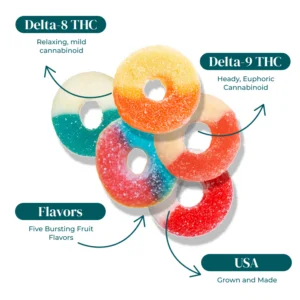
D8:D9 THC GUMMIES | 65MG
Price range: $4.95 through $59.95 — or subscribe to save 25%Shop Now This product has multiple variants. The options may be chosen on the product page -
65% off
-
65% off