Does Delta 8 Show Up on Drug Tests? What They Don’t Tell You


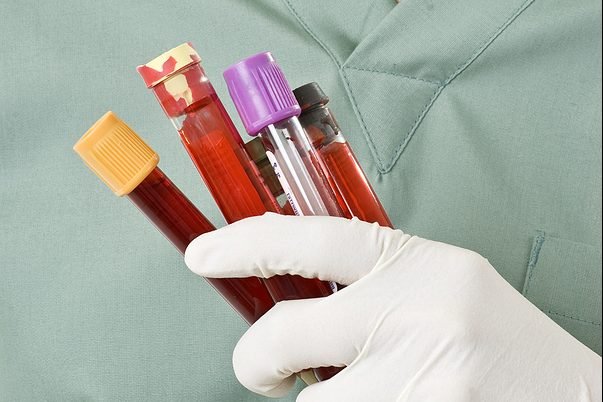
Delta 8 does show up on a drug test. Yes, we’re saying it loud and clear. This might come as a surprise to many who think of Delta 8 as “the legal way to get high” without any real consequences.
But let’s be real. The legality of Delta 8 and whether or not it can make you fail a drug test are two completely different conversations. And as you’ll soon find out, you can fail a drug test after consuming legalized hemp products.
This blog answers the question—does Delta 8 show up on drug tests? We’re breaking down all facts on Delta 8 and drug tests so you can make informed decisions about taking Delta-8 THC products with a looming drug test.
🔑 Key Takeaways
- If you fail a test, backtracking your state laws and having proof of legal use could help you defend yourself.
- Delta 8 THC can and does show up on standard drug tests.
- Delta 8 and Delta 9 break down into the same metabolite, making them indistinguishable on standard tests.
- Even light or occasional use of Delta 8 can lead to a positive result, depending on the test.
Understanding Drug Tests and Delta 8 THC
A lot of the Delta 8 you’ll find from legal sources online claims to be hemp-derived. That should make it legal in most states, right? However, things get a bit tricky when it comes to drug tests.
Attorney Edward Hones of Seattle-based firm Hones Law clarified that the source of THC doesn’t impact drug test results. “The key issue is that most drug tests don’t differentiate between legal and illegal THC sources.”
Drug tests don’t specifically look for Delta 8 or Delta 9. Instead, they screen for THC metabolites, specifically THC-COOH. This is what your body produces after breaking down any form of THC. This includes both Delta‑8 and Delta‑9.
Delta 8 and Delta 9 are nearly identical in their chemical structure. The only difference is the location of what is called a “double bond,” which they both have in their structures. While this slight difference affects their potency, it is not enough to fool a basic drug test.
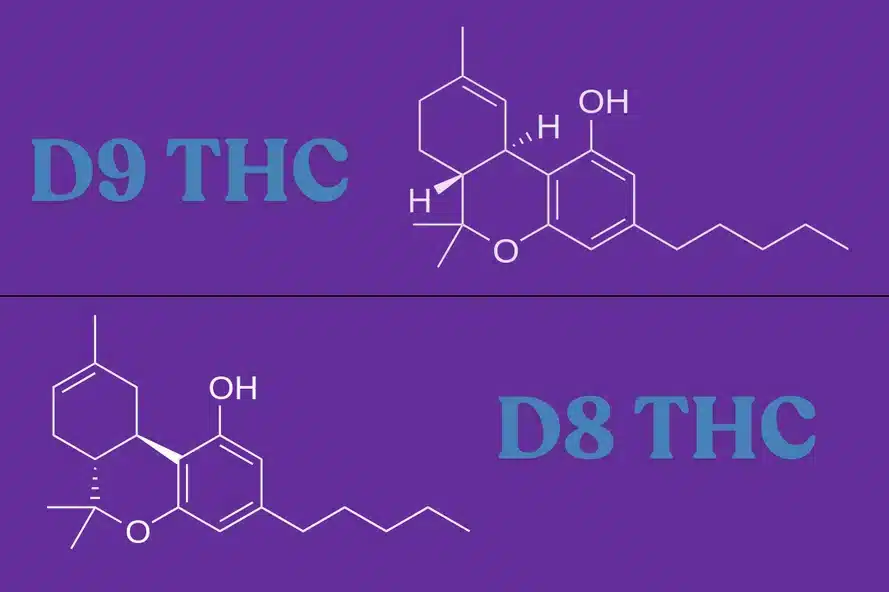
Adding to the complexity, most of the Delta 8 on the market today is actually semi-synthetic. Delta 8 can occur naturally in cannabis, but only in tiny amounts. It would be difficult for manufacturers to extract it at scale.
So what do they do?
Manufacturers typically convert cannabidiol (CBD) into Delta 8 through isomerization. This lab-based conversion classifies most commercial Delta 8 products as semi-synthetic.
Since drug tests don’t distinguish between naturally occurring and synthetically derived THC, consuming these lab-converted products carries the same risk of triggering a positive test result.
Now, let’s talk about the tests themselves. There isn’t just one universal drug test for marijuana. Different industries use different panels, and some are more sensitive than others.
Will Delta 8 show up on a 5-panel test? Most likely, yes.
A 5-panel test checks for THC, cocaine, amphetamines, opiates, and PCP. THC includes Delta 9, Delta 8, and Delta 10—that’s because they all break down into the same metabolite.
A 10-panel test checks for even more drugs, like benzodiazepines, barbiturates, and methadone. Delta 8 is likely to trigger a positive drug test in either test.
Tests can use different sample types like urine, saliva, blood, or hair.
Urine Tests
Urine tests are currently the only approved drug-testing method for workplaces covered by federal guidelines, so this is the most common way for employers to test applicants and employees.
The test detects the amount of THC metabolite in urine. Your body can process approximately 50% of the Delta 8 THC in your body in 24 hours, so how long the metabolite is detectable depends on how much you consume.
Saliva tests
Also known as oral fluid testing or a mouth swab, saliva tests are quick, and detect more recent THC use. Because they can often be collected on-site, they are a popular option for roadside police testing.
Blood tests
Blood screens are the most effective test for recent THC use. However, they are expensive and invasive and are therefore seldom used. Plus, blood samples can only reveal what drugs are present at the testing time, not in the weeks or months previous.
Hair tests
This is the rarest yet most accurate way of testing for THC substances. Hair follicle tests are considered ‘cheat-proof’ because THC cannot be concealed by bleaches or dyes, and hair analysis can reveal exactly which drugs were taken, for how long, and when usage stopped.
-
Sale!On Sale
-
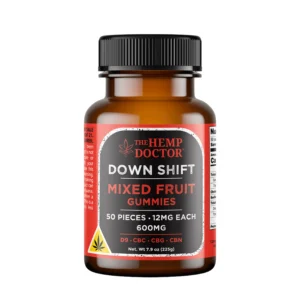
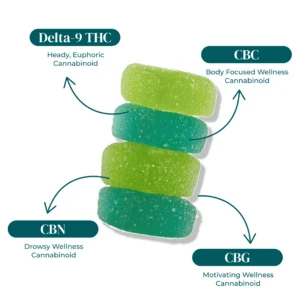
DOWNSHIFT NANO D9 THC BLEND GUMMIES | 12MG
Price range: $34.95 through $54.95 — or subscribe to save 25%Shop Now This product has multiple variants. The options may be chosen on the product page
Does Delta 8 THC Show Up on a Drug Test?
Yes, Delta‑8 THC absolutely can show up on a drug test.
Drug tests don’t care whether you consumed a hemp-derived Delta 8 gummy or smoked a potent Delta-9 blunt. It just detects that you’ve got THC in your system.
Unless a test is specifically designed to tell the difference between Delta‑8 and Delta‑9, and most aren’t, your result is going to come back positive for THC. So if you’ve got a drug test coming up and you’ve been using Delta 8 even legally, there’s a real risk you could fail.
What’s the takeaway?
Even though Delta 8 might be legal where you live, that doesn’t guarantee a free pass at work. Employers and labs aren’t required to tell the difference between Delta 8 and Delta 9. A positive result is a positive result, especially in companies with zero-tolerance policies.
And while some employers are starting to rethink THC testing, others aren’t budging. Federal agencies and many private industries still operate under outdated rules that lump all THC together. That puts Delta 8 users in a tricky spot where the law might be on your side, but the drug test is not.
Can a Lab Tell the Difference Between Delta 8 and Delta 9?
Most standard drug tests can’t tell the difference between Delta 8 and Delta 9. They detect THC metabolites, and both Delta 8 and Delta 9 break down into the same ones.
Only advanced lab testing like GC-MS can tell the difference, but it’s rarely used in routine screenings. So, for most people, a positive is just a positive, no matter which form of THC was consumed.
How Long Does Delta 8 Stay in Your System?
Delta 8 may clear out for occasional users in a few days, but it can stay for some weeks for regular users.
This graph shows the average detection window of Delta 8 bodily samples asked in different types of drug tests:

Note: This is an estimate, and the timelines may vary based on individual factors.
Estimated Detection Windows for Different Drug Tests
Not all drug tests work the same way. Some are designed to catch recent use, while others are looking for a longer history of THC in your system. Either way, the more THC you consume and the more often you use it, the longer it’s likely to stick around.
Here’s a quick breakdown of how long Delta‑8 THC can be detected, depending on the type of test:
Urine: Up to 30 days
Urine tests are the go-to for most workplaces, especially those following federal guidelines. They’re affordable, easy to collect, and can flag THC metabolites long after your last session.
For light users, Delta‑8 might clear out in a few days, but if you use it regularly, it could stay detectable for two weeks or even up to a month.
Does Delta 8 show up in urine tests? Yes, it does, for up to a month.
Saliva: Up to 72 hours
Saliva tests, also known as mouth swabs, are often used by police for roadside checks or by employers looking for quick test results. These tests are best at spotting recent use, usually within a few minutes up to three days. If you’re a frequent user, it could stick around longer.
Blood: Up to 36 hours
Blood tests are less common since they’re more invasive and expensive, but they’re great at detecting current intoxication. Delta‑8 shows up in your bloodstream almost immediately after use and can remain there for up to 36 hours. Heavy or frequent use might stretch that detection window a bit further.
Hair: Up to 90 days
Hair follicle tests are the most thorough and hardest to fool. They don’t just look for recent use; they build a long-term picture of your THC habits. Delta‑8 can be detected in hair samples up to three months after your last use, which is why this method is usually reserved for high-security or legal settings.
Factors Affecting Delta 8 THC Detection Time
How long Delta‑8 or weed metabolites stick around after quitting depends on a few personal factors:
Your Metabolism
People with an efficient metabolism naturally break down THC faster than others. This also means that they are able to get rid of THC from their systems quickly.
How Often You Use and How Much
The more frequently you take Delta‑8 and the higher the dose you consume, the longer it will take to clear it from your system.
Hydration Diet and Activity Level
Staying hydrated, eating clean, and exercising regularly can help your body process and flush out THC more efficiently.
Ultimately, everyone’s body is different, so two people using the same Delta 8 product could test positive for very different lengths of time.
Why Some People Fail—and Others Don’t
This is quite interesting. While some people are able to ace a drug test days after use, others pop positive weeks later. Here’s what might tip the scales in or out of your favor:
Winning versus risky outcomes
| The Variable | Winning Outcome | Risky Outcome |
|---|---|---|
| Metabolism Speed | Fast metabolism clears THC quicker. | Slower metabolism means you will test positive for a longer time. |
| Usage Frequency | Occasional users are likely to test negative sooner. | Daily use leads to THC buildup. |
| Dosage | Low doses reduce detection risk. | High doses take longer to flush out. |
| Hydration and Diet | Staying hydrated and eating clean helps to test negative sooner. | Dehydration and poor diet equals slow detox. |
| Exercise Level | Active lifestyle supports faster detox. | Sedentary habits can trap THC longer. |
How to Get Delta 8 Out of Your System Fast?
So you’ve got a drug test coming up and Delta 8 in your system. Don’t panic. If you still have time, there are a few ways to improve your chances of clearing Delta 8 fast. Some are natural. Some rely on detox support. And some are for when you’re truly out of time.
Here’s what to do.
Step 1. Go Natural if You Have Time
If your test is a few weeks away, you can likely flush out THC naturally. Stop using Delta 8 immediately. Drink plenty of water. Eat clean. Get regular exercise and plenty of sleep.
A healthy metabolism will speed up the process. For most people, a natural detox can take anywhere from 4 to 6 weeks.
Step 2: Hydrate Than You Normally Would
Drink 2 to 3 liters of water the day before your test. Then, drink another 1 to 2 liters a few hours before testing. If you do this, take Vitamin B-2 or B-12 to keep your pee yellow. Otherwise, clear urine might raise suspicion.
Bonus Tips to Boost Your Chances
- Avoid exercise for at least 24 hours before the test. Working out burns fat and can release stored THC back into your bloodstream.
- Midstream urine only. The first and last parts of your stream have the most THC metabolites. Collect your sample midstream.
- Skip the morning pee. Early morning urine tends to have higher concentrations of THC metabolites. So try to pee before the actual test and drink some water as preparation.
What About Hair Tests?
Hair tests are much harder to beat. THC metabolites cling to hair follicles and can stick around for up to 90 days. Some people swear by detox shampoos and home test kits to increase their chances, but the results are mixed. If your test is hair-based, your best move is to start detoxing early.
Is There a Delta 8 Drug Test Loophole?
Most drug tests can’t tell the difference between Delta 8 and Delta 9. Both break down into the same metabolite, so a positive result is just a positive, no matter which one you used.
Especially if you are in the army, you’d better steer clear of any form of THC. Here is what a Reddit user had to say:
“I don’t know who needs to hear this, but I just found a Delta 8 disposable outside of my barracks – Delta 8 will make you test positive for weed. Do NOT use Delta 8 if you want to stay in the army. Peace. Love. Stay safe.”
What Happens If You Test Positive for THC Through Delta 8?
If you test positive for THC after using Delta 8, the outcome is usually the same as using Delta 9 because most drug tests can’t tell the difference.
On the road, a police officer might charge you with a DUI if they think you’re impaired, no matter which type of THC you take. At work, if your employer has a zero-tolerance policy or follows federal rules (like for government jobs or DOT positions), you could be suspended or even fired.
That said, here are the states and cities where the local government is required to drop a pre-employment drug test screening for public positions:
| States | Cities |
|---|---|
| California | Atlanta |
| Minnesota | Baltimore |
| Nevada | Cleveland |
| New York | New York City |
| Washington D.C | Philadelphia |
| Washington |
Fortunately, for private companies with positions not considered “safety-sensitive,” the laws are slowly changing.
For example, in California, starting January 1, 2024, an employer can’t punish you just for using cannabis off hours, as long as you’re not impaired at work. Other states like New York, New Jersey, Connecticut, and Montana have similar protections. If you’re not high at work, your boss can’t fire you just for not passing one hit of the Delta 8 drug test.
So, if you get caught off guard by a positive test from Delta 8, don’t panic. Talk to an employment lawyer. Laws vary by state, and you might be able to explain your situation or even challenge the results.
Attorney Edward Hones describes a scenario in which “…some employers allow employees to provide documentation or request a retest if they believe a false positive occurred.”
Worried about getting a new job afterward?
A Quora user asked if it’s hard to get hired after being fired for failing a marijuana test.
Someone who conducted drug tests for their company replied:
“As far as I know, the results are confidential between you and the potential employer. Other companies will not know if you passed or failed a previous drug test. So, it wouldn’t affect you at all. Unless the next company also drug-tested you. [In] Which case that would be two drug tests you failed.”
Don’t Risk It—Avoid Delta 8 if a Drug Test is Looming
Delta 8 might be legal in many states, but that doesn’t mean it’s drug test-safe. The truth is, most tests can’t tell the difference between Delta 8 and Delta 9, and they’re not trying to. If you’ve got a test coming up, the safest move is to stop using and give your body time to detox.
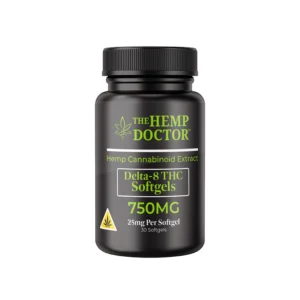
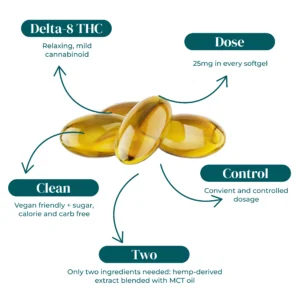
If you don’t have to worry about passing a drug test and you’re looking for high-quality hemp-derived Delta 8 products you can trust, The Hemp Doctor offers premium Delta 8 products that are Farm Bill-compliant and legal in most states. Browse our collection today and experience the difference for yourself.