Grape Ape Strain: Complete Profile Breakdown
The Grape Ape strain is an indica-dominant hybrid known for sweet grape-candy aroma, purple-tinted buds, and relaxing body-forward effects. The most commonly reported lineage is Mendocino Purps × Skunk #1 × Afghani, which explains its mix of berry sweetness, skunky earth, dense flower structure, and heavier evening feel.
Grape Ape usually lands around 18% to 25% THC, though the exact Grape Ape strain THC percentage depends on the grower, harvest, cure, storage, and lab report. It is not usually positioned as one of today’s ultra-high-THC 30% hype strains, but it can still feel strong, especially for low-tolerance adult consumers or anyone using edibles and concentrates.
The Grape Ape cannabis strain has become a purple-strain classic because it checks three boxes people remember: recognizable grape flavor, attractive purple bag appeal, and a calm finish that often fits nighttime use better than daytime productivity.

“Grape Ape is one of those classic purple strains that people remember for the flavor first, but the real signature is the relaxing body finish. A good batch should smell like grape, berry, earth, and light skunk, with enough potency to make it a true evening strain.”
The Hemp Doctor CEO
Grape Ape
THC
18% to 25%
Green Cup winner 2005 & 2006
CBD
Less than 1%
Flowering time
About 8-9 weeks
Intensity
Moderate to strong
Strain class
Heavy indica
Grow difficulty
Beginner-intermediate
Dominant terpenes
Flavor profile
Primary effects
Side effects
Lineage
Best for
Is Grape Ape Indica or Sativa?
Grape Ape is usually classified as an indica-dominant hybrid, commonly described as around 90% indica and 10% sativa.
Most adult consumers describe the Grape Ape weed strain as calming, physically relaxing, and sleepier at higher amounts. Smaller servings may start with a short mood lift or light euphoric head change, but the more recognizable experience usually comes from the body. As the session builds, Grape Ape often feels heavier, slower, and more couch-friendly.
That said, “indica” and “sativa” are not guarantees. They are useful shopping shortcuts, not exact effect predictions. A high-myrcene Grape Ape batch may feel deeply relaxing, while a fresher batch with more limonene or pinene may feel a little brighter up front.
“Indica” and “sativa” are shorthand categories. The actual experience depends on cannabinoids, terpenes, dose, tolerance, product format, freshness, and batch-specific lab results.
Grape Ape Strain Genetics and Origin
Grape Ape is most commonly associated with Apothecary Genetics and Barney’s Farm, though strain history can vary by source and market. The standard Grape Ape strain genetics are listed as Mendocino Purps × Skunk #1 × Afghani.
That lineage helps explain why the Grape Ape marijuana strain feels like a legacy-style purple indica hybrid instead of a modern dessert-gas strain. It has sweetness, but not the same frosting-heavy candy-gas profile found in newer exotic hybrids. It has funk, but not the sharp fuel character you might expect from strains like the Gas Face strain or other modern gas lines.
Grape Ape emerged during the purple-strain wave, when consumers became especially drawn to colorful flower with berry aromas and relaxing effects. Menus may list it as Grape Ape, Grape Ape Kush, or occasionally under slightly varied naming depending on the producer.
If you are shopping based on Grape Ape strain pictures, remember that appearance is only one part of the story. Purple color can signal genetic expression, but it does not prove potency, freshness, or terpene quality. A current certificate of analysis, or COA, is always more useful than color alone.
Grape Ape Lineage Table
| Parent Strain | What It Contributes |
| Mendocino Purps | Purple color, grape and berry aroma, relaxing body feel |
| Skunk #1 | Skunky aroma, hybrid structure, vigor, classic cannabis funk |
| Afghani | Indica density, resin production, physical relaxation, sleepier finish |
Mendocino Purps
Mendocino Purps is one of the classic purple genetics behind Grape Ape’s visual identity. It contributes berry, grape, and purple floral traits that help explain why Grape Ape often smells sweet before it smells earthy.
Skunk #1
Skunk #1 brings structure, vigor, and pungency. Without it, Grape Ape might lean too soft and fruity. Skunk #1 adds a classic cannabis edge, giving the aroma more earth, musk, and light skunk.
Afghani
Afghani adds the deep indica influence. It is associated with dense bud structure, resin production, and the heavier physical finish that makes Grape Ape a better fit for evening use than active daytime plans.
Grape Ape strain genetics
Grape Ape Awards and Market Reputation
Grape Ape has a stronger reputation than many thin strain database pages suggest. It reportedly won 1st place at the Green Cup in 2005 and 2006. It also reportedly earned Best Concentrate at the High Times Medical Colorado Cup in 2011.
Awards do not mean every modern Grape Ape batch is identical. Different growers, phenotypes, harvest windows, and curing methods can produce very different results under the same strain name.
Still, those awards support Grape Ape’s place as a standout purple indica hybrid. Its staying power comes from the combination of grape flavor, purple appearance, and strong evening-leaning effects. Many strains look good once. Fewer keep showing up on menus years later because people remember how they smelled, tasted, and felt.
-
Buy More Save More
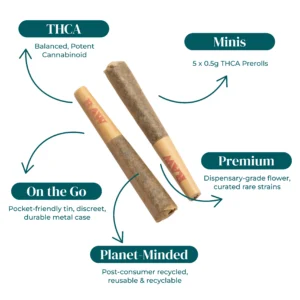
THCA SUGAR DIAMOND INFUSED PRE-ROLLS | 5-PACK TINS
$29.95Shop Now This product has multiple variants. The options may be chosen on the product page -
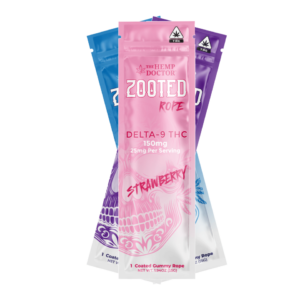
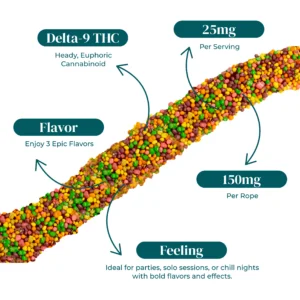
ZOOTED | D9 THC ROPES | 150MG
$12.95Shop Now This product has multiple variants. The options may be chosen on the product page -
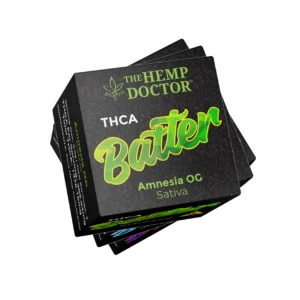
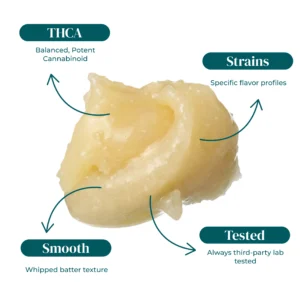
THCA BATTER | 2G
$49.95 — or subscribe to save 25%Shop Now This product has multiple variants. The options may be chosen on the product page
User-Reported Grape Ape Strain Effects
The most common Grape Ape strain effects include relaxation, euphoria, sleepiness, calm, body heaviness, and possible couch-lock at higher amounts. Some adult consumers also report appetite stimulation, a soft mood lift, and a quieter mental state.
The typical arc starts with flavor and a light shift in mood. Within the first several minutes after inhalation, Grape Ape may feel slightly euphoric or peaceful. After that, physical relaxation tends to build. The body can feel heavier, tension may feel lower, and the session may become more suited to the couch than conversation or errands.
At higher amounts, Grape Ape can become sedating. This is where its indica-dominant identity becomes more obvious. For many experienced consumers, that is the point. For beginners, it can be too much if they overconsume.
It is typically not ideal before driving, work, studying, exercise, or detailed tasks. If you are new to THC products, treat Grape Ape as an evening strain and start with a very small amount.
Grape Ape Effects Timeline
| Time After Inhalation | What Consumers May Notice |
| 0 to 10 minutes | Flavor, aroma, light head change, early mood lift |
| 10 to 30 minutes | Euphoria, calm, body relaxation starts building |
| 30 to 60 minutes | Peak relaxation, heavier body feel, lowered tension |
| 1 to 3 hours | Lingering calm, couch-lock or sleepiness depending on dose |
| 3+ hours | Gradual fade, with possible grogginess after larger amounts |
Edibles have a longer onset and duration. If you are using an edible product, wait at least two hours before considering more.
Grape Ape users report a distinctly sedating experience characterized by heavy body relaxation and mental spaciness, making it well-suited for evening use. Multiple reviewers noted strong drowsiness within minutes of consumption, with one describing it as too sedating even for daytime vaping.
- Strong body-focused relaxation with couch-lock potential. Users consistently emphasized the indica-dominant effects that create a weighted, grounded sensation rather than cerebral stimulation, with minimal head high reported.
- Pronounced grape flavor that intensifies when vaporized. The strain’s taste profile stands out to consumers, with the grape notes remaining noticeable across different consumption methods and reportedly becoming even more pronounced through vaping.
- Mild effects despite moderate THC levels. Some experienced users with higher tolerance found the 16-17% THC range produced subdued effects, though others felt the potency was adequate, highlighting that THC percentage alone doesn’t determine individual experience.
- Rapid onset with extended sedation. Consumers report feeling effects within minutes, with drowsiness lasting several hours, making this a poor choice for daytime or productivity-focused use.
- Texture and moisture consistency that allows for efficient consumption. Users noted the bud’s drier consistency actually yields more usable flower per purchase, countering complaints about dryness from less experienced consumers.
This thread may cover state-licensed marijuana products rather than hemp-derived equivalents. Individual experiences vary, and none of this is medical advice.
Is Grape Ape a Strong Strain?
Yes. Grape Ape is generally considered moderately strong to strong. Its THC range is commonly reported around 18% to 25%, though some batches may test lower or higher depending on grower, phenotype, harvest timing, cure, storage, and lab testing.
CBD is usually below 1%, which means the THC is not typically balanced by meaningful CBD content. That can make the experience feel more intoxicating for sensitive consumers.
Grape Ape may also feel stronger than the number on the label suggests because of its terpene profile. Myrcene-heavy strains often feel more physically relaxing, and Grape Ape’s body-heavy finish can make moderate THC feel more sedating than expected.
Potency is not only THC percentage. Terpenes, freshness, serving size, product format, and your tolerance all matter. A 20% THC flower can feel stronger than a 25% THC flower if it has a richer terpene profile and a better cure.
Grape Ape may be too sedating for low-tolerance consumers, especially in high-THC batches, infused pre-rolls, concentrates, or edible formats.
Grape Ape Cannabinoid Profile: THC, CBD, CBG, and THCV
Grape Ape is usually THC-forward and not CBD-rich. If you are buying hemp-derived THCA flower, the label may show high THCA instead of active Delta-9 THC. THCA is the raw acidic form that converts into THC when heated through smoking, vaping, or cooking. For a deeper breakdown, see The Hemp Doctor’s guide to THCA vs THC.
| Cannabinoid / Metric | Typical Range | What It Means |
| THC | Usually 18% to 25% | Main intoxicating cannabinoid after activation |
| CBD | Usually below 1% | Not typically CBD-rich |
| CBG | Often 0.1% to 0.5% | Minor cannabinoid that varies by batch |
| THCV | Usually under 0.2% | Typically very low in Grape Ape |
| Total cannabinoids | Batch-specific | Best verified by a COA |
| Total terpenes | Commonly 1.0% to 2.5%; elite batches may test higher | Impacts aroma, flavor, and overall character |
Dominant Grape Ape Strain Terpenes
The dominant Grape Ape strain terpenes usually start with myrcene, followed by caryophyllene and smaller amounts of limonene, pinene, linalool, humulene, or other trace terpenes. These compounds shape the aroma and may influence how the strain feels, but terpene levels vary by batch.
| Terpene | Typical Range | Aroma Contribution | Possible Role in Grape Ape Profile |
| Myrcene | 0.8% to 1.2% | Earth, musk, herbs, ripe fruit | Body-heavy relaxation, indica-style depth |
| Caryophyllene | 0.3% to 0.5% | Pepper, spice, wood | Adds skunky spice and warmth |
| Limonene | Batch-specific minor to moderate | Citrus, fruit peel | Brightens the sweet grape profile |
| Pinene | Usually minor | Pine, herbs | Adds freshness and sharper top notes |
| Linalool | Usually minor | Floral, lavender, soft spice | Smooths the aroma and finish |
| Humulene | Usually minor | Earth, wood, hops | Adds dry herbal depth |
Myrcene
Myrcene is usually the dominant terpene in Grape Ape. It brings earthy, musky, herbal, and ripe-fruit notes. It also helps explain why many batches feel physically relaxing and sleepy.
Caryophyllene
Caryophyllene adds pepper, spice, and wood. In Grape Ape, it balances the sweet grape and berry notes with a warmer, skunkier finish. This terpene is common in many relaxing indica-leaning strains.
Limonene
Limonene contributes citrus and fruit-peel brightness. Some Grape Ape batches have a lively top note that keeps the aroma from becoming purely earthy or musky. That brighter edge is often where limonene shows up.
Other Possible Terpenes
Pinene, linalool, humulene, and ocimene may appear in smaller amounts. Terpene expression depends on phenotype, growing practices, harvest timing, drying, curing, and storage. Poor storage can flatten even a terp-rich batch.
Why Does Grape Ape Smell and Taste Like Grape?
Grape Ape’s grape aroma does not come from one single “grape terpene.” It comes from a combination of terpenes, esters, and other aromatic compounds that work together to create a sweet berry-grape impression.
Myrcene can add ripe fruit and musk. Limonene can add fruit-peel brightness. Minor aromatic compounds may push the profile toward candy grape, berry syrup, or jam.
The purple color is a separate trait. Purple cannabis color is related to anthocyanins, which are flavonoid pigments found in many plants. Genetics play the biggest role, but cooler late-flower temperatures and certain environmental conditions can make purple expression more visible.
Purple does not automatically mean stronger. A green batch can test higher in THC than a purple one. A purple batch can smell great but test modestly. Color, aroma, potency, and effects should be judged separately.
Purple buds do not automatically mean higher THC. Color, aroma, potency, and effects should be judged separately and verified with lab testing when possible.
Grape Ape Strain Taste and Aroma
The Grape Ape strain taste is one of the main reasons this cultivar stayed popular. A strong batch often opens with sweet grape and berry candy, then settles into earth, musk, skunk, herbal spice, and a hashy indica-style finish.
What Does Grape Ape Taste Like?
Grape Ape usually tastes like sweet grape, berry candy, earth, and light skunk. Some batches lean more fruity and smooth, while others have a heavier musky, herbal, or hashy finish.
On the inhale, expect the sweeter side first. Grape, berry, candy, and soft fruit are common. On the exhale, the earthier traits become more noticeable. Skunk, spice, musk, and herbal notes help keep the profile from tasting like artificial candy only.
Vaping a high-quality extract may preserve more fruit than combustion. Smoking can bring out more earth and hash. Poor storage, old flower, or excessive heat exposure can flatten the grape aroma and leave the flower tasting dry or dull.
Physical Characteristics
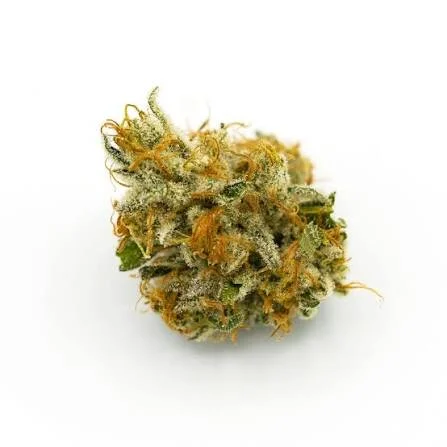
Grape Ape is usually known for dense indica-style buds with green, purple, and sometimes blue-toned leaves. Orange pistils often run through the flower, and well-grown batches should show visible trichome coverage.
A quality batch should feel slightly sticky and springy, not wet or brittle. When properly cured, Grape Ape can produce a sweet grape smell as soon as the jar opens. If the aroma is mostly hay, ammonia, mildew, or nothing at all, the flower may be old, poorly cured, or improperly stored.
Because consumers often look for Grape Ape strain pictures before buying, it is worth repeating that appearance matters, but it is not enough. Frost, color, trim quality, and bud structure are useful clues. Lab results and freshness tell the fuller story.
How to Spot Quality Grape Ape
| Quality Signal | What to Look For | Red Flag |
| Aroma | Sweet grape, berry, earth, skunk | Hay, mildew, ammonia, no smell |
| Texture | Slightly sticky, springy, not wet | Bone-dry dust or overly damp flower |
| Trichomes | Frosty and visible | Dull, old-looking buds |
| Color | Green and purple with healthy pistils | Brown, gray, or moldy patches |
| COA | THC, cannabinoids, contaminants | No lab report or outdated test |
| Cure | Smooth aroma and clean break | Harsh smoke, chlorophyll smell |
Starting Amount Guide by Product Format
Grape Ape can be manageable in small amounts, but it becomes heavier as serving size increases. The safest approach is simple: start low, wait, and avoid stacking servings too quickly.
| Format | Beginner Approach | Wait Before More | Notes |
| Flower | 1 small puff | 10 to 15 minutes | Best for controlled titration |
| Vape | 1 short draw | 10 to 15 minutes | Can feel smoother but still potent |
| Concentrate | Avoid or use a tiny amount | 15 to 30 minutes | Not ideal for beginners |
| Edible | 2.5 to 5 mg THC | At least 2 hours | Longer-lasting and easier to overdo |
| Infused pre-roll | 1 small puff | 15 to 20 minutes | Can be much stronger than regular flower |
Do not drive after using intoxicating products. Avoid alcohol, especially with edibles or concentrates. Higher amounts are more likely to create couch-lock, dizziness, anxious thoughts, sleepiness, or grogginess the next day.
Best Time to Use Grape Ape
Grape Ape is usually best for evening or nighttime use. It fits low-pressure settings like watching a movie, listening to music, relaxing after your responsibilities are done, or easing into a bedtime routine.
Lower amounts may be manageable in the late afternoon for experienced adult consumers, but higher amounts are better saved for nights when you do not need to be productive.
This is generally not the strain to reach for before work, studying, exercise, driving, errands, or complex tasks. If you want something more active or mentally clear, a lighter hybrid or sativa-leaning option may be a better match.
Grape Ape Side Effects
Common Grape Ape side effects include dry mouth, dry eyes, dizziness, sleepiness, couch-lock, coughing or throat irritation from smoke or vapor, and grogginess after larger nighttime amounts. Sensitive consumers may also experience anxious thoughts or paranoia, especially with high-THC batches.
Hydration can help with dry mouth. Eye drops may help with dry eyes. A comfortable setting, a small serving, and enough time between servings can reduce the chance of overdoing it.
Avoid mixing Grape Ape with alcohol. If THC often feels too strong for you, consider lower-THC products or balanced cannabinoid formats. Some consumers keep CBD nearby, but only use products that are appropriate and legal where you live.
Do not drive or operate machinery after using intoxicating cannabis or hemp-derived products. Always check your local laws and review product lab reports before purchasing.
Grape Ape Strain Grow and Cultivation Tips
The Grape Ape strain grow difficulty is usually considered beginner to intermediate. It can be manageable for growers who understand humidity, airflow, odor control, and drying. Dense buds are one of the main advantages, but they also raise the risk of mold if the environment is too humid.
Grape Ape can be grown indoors, outdoors, or in a greenhouse. Indoor growers usually have better control over temperature, humidity, light intensity, and odor. Outdoor growers may do well in warm, dry climates, but wet late-season weather can be a problem.
Purple expression is mainly genetic. Cooler late-flower temperatures may bring out more color, but growers should avoid stressing plants aggressively just to chase purple buds. Plant health, resin quality, and proper drying matter more than color alone.
Growing Difficulty
Grape Ape is relatively manageable, but not foolproof. It suits growers who can control airflow, humidity, and drying conditions. Dense indica buds need space and ventilation.
Indoor vs Outdoor Growing
| Grow Setting | Notes |
| Indoor | Better environmental control, odor filtration recommended |
| Outdoor | Can perform well in warm, dry climates; watch humidity and mold |
| Greenhouse | Good middle ground if airflow and humidity are managed |
Flowering Time and Harvest
Grape Ape strain flowering time is typically 8 to 9 weeks. Do not rely on the calendar alone. Use trichome color, aroma, pistil maturity, and overall plant condition to guide harvest.
Mostly cloudy trichomes with some amber may create a heavier effect, while harvesting too early may reduce depth and aroma.
Grape Ape Strain Yield Expectations
Grape Ape strain yield estimates vary. Indoor yields are often cited up to about 500 g/m² under ideal conditions. Outdoor plants may reach around 600 g/plant in favorable climates.
These numbers are estimates, not guarantees. Genetics, training, light quality, nutrition, plant health, pest pressure, and drying all affect final results.
Cure Tips for Better Grape Flavor
A slow dry and proper cure help preserve Grape Ape’s grape and berry aroma. Avoid overdrying, high heat, direct light, and excess oxygen. Storage in airtight containers, away from heat and sunlight, helps protect terpenes.
If you are searching for Grape Ape strain seeds, buy only from reputable seed banks where legal. Seed availability and legality vary by location.
Grape Ape vs Similar Strains
| Strain | Type | Flavor | Effects | Best For |
| Grape Ape | Indica-dominant | Grape, berry, earth, skunk | Relaxing, sleepy, euphoric | Evening body calm |
| Granddaddy Purple | Indica-dominant | Grape, berry, sweet | Sleepy, heavy, calming | Stronger nighttime sedation |
| Purple Urkle | Indica | Grape, berry, skunk | Heavy, relaxing, sedating | Classic purple indica fans |
| Mendocino Purps | Indica-dominant | Berry, grape, earthy | Calm, relaxed, euphoric | Parent-strain comparison |
| Northern Lights | Indica | Earth, pine, sweet spice | Calm, sleepy, body-heavy | Classic indica relaxation |
| Grape Z / Grape Zkittlez | Hybrid | Candy grape, fruit, tropical | Euphoric, relaxing, sweeter | Candy-fruit strain fans |
Choose Grape Ape for grape flavor plus balanced evening relaxation. Choose Granddaddy Purple if you want heavier sleepiness. Choose Purple Urkle for old-school purple indica effects. Choose Grape Z for sweeter candy-fruit flavor. Choose Northern Lights if you want less grape and more classic earthy indica character.
For a modern contrast, compare Grape Ape with heavier new-school strains like the Permanent Marker strain or Gas Face.
Grape Ape Strain Price and Availability
Grape Ape strain price varies by state, market, brand, product format, quality tier, and testing requirements. Flower, pre-rolls, vapes, concentrates, and edibles may all be available depending on local law and retailer inventory.
California menus may list Grape Ape or Grape Ape Kush, but availability changes by dispensary and season. Hemp-derived THCA versions may also appear in some markets if compliant with local law.
Before buying, compare freshness, cannabinoid content, terpene data, packaging date, and COA availability. A cheaper eighth is not always a better value if it is dry, old, or missing lab documentation.
The Hemp Doctor inventory rotates, so check current THCA flower, hybrid flower, and current deals if you are shopping for similar effects.
Grape Ape in Cannabis Culture
Grape Ape is part of the purple-strain wave that became popular because it offered obvious sensory appeal: colorful buds, sweet aroma, and relaxing indica-dominant effects. “Grape” strains became memorable because consumers could identify them quickly by smell and appearance.
The strain has also been referenced in cannabis and hip-hop culture, with artists such as Wiz Khalifa and Snoop Dogg often associated with broader cannabis strain conversations. Those references help keep purple strains culturally visible, but they should not be the main reason you choose a product.
A better shopping approach is to look at effects, potency, flavor, tolerance, product format, and lab testing.
Final Verdict: Is Grape Ape a Good Strain?
Yes, Grape Ape is a good strain for adult consumers who want sweet grape flavor, purple bag appeal, and relaxing indica-dominant effects. It is best suited for evening use, low-key relaxation, and body-heavy calm.
Its biggest strengths are flavor, visual identity, and classic purple-strain character. It is not the best fit for daytime productivity, low-tolerance consumers, or anyone seeking CBD-rich flower.
Its biggest drawbacks are sedation, dry mouth, dry eyes, possible couch-lock, and batch variability. If you choose Grape Ape, buy from a trusted source, review the COA, and start with a small amount.
Where Can You Find Grape Ape Strain Near You?
Grape Ape availability depends on state law, grower, dispensary, retailer, season, and product format. It may be sold as flower, pre-rolls, vapes, concentrates, edibles, or hemp-derived THCA flower where compliant.
The Hemp Doctor’s strain inventory rotates, so Grape Ape may not always be in stock. If it is unavailable, look for similar indica-dominant or purple-leaning options with grape, berry, earth, or skunk notes.
You can browse THCA flower, hybrid flower, current deals, the strain guide hub, or review current product lab reports before purchasing.