
Apple Jack Strain: Complete Profile Breakdown
In plain terms, Apple Jack is an apple-forward, sativa-dominant hybrid with classic Jack Herer energy and White Widow balance. If you have seen Apple Jack or Apple Jack weed listed on a menu, check the product details carefully, since some listings use similar names for different genetics.
Apple Jack usually begins with a bright head effect that adult consumers describe as focused, social, creative, and upbeat. As the session settles, many report a lighter body calm rather than deep heaviness. This is why the Apple Jack weed strain is often chosen for daytime sessions, creative tasks, music, walks, or casual social settings.
Apple Jack
THC
18% to 22%+
Moderate-strong — approachable daytime potency
CBD
Below 1%
Flowering Time
About 9 weeks
Intensity
Moderate to strong
Strain Class
Sativa-leaning hybrid
Grow Difficulty
Intermediate
Terpenes
Flavor
Effects
Possible Side Effects
Lineage
Best For

“Apple Jack is a great example of a flavorful daytime hybrid. The Jack Herer side brings that clear, energetic lift, while White Widow adds body, resin, and a smoother finish. It’s apple-forward, bright, and usually more functional than heavy.”
The Hemp Doctor CEO
Is Apple Jack Indica or Sativa?
Apple Jack is usually classified as a sativa-dominant hybrid. Many strain databases and retail menus describe it as roughly 70% sativa and 30% indica, although some sellers may simply list it as a hybrid.
That distinction matters, but it’s not the whole story. Apple Jack isn’t a pure sativa, and the White Widow side can add noticeable body, resin density, and a more grounded finish. Even so, most Apple Jack strain effects lean more uplifting than sedating.
If you are comparing menus and see the phrase “jack strain apple jack cannabis strain sativa dominant jack herer sweet flavor white widow,” that wording is clunky, but it points to the core idea: Apple Jack is a sativa-dominant Jack Herer × White Widow cross with a sweet apple flavor.
-
Sale!On Sale
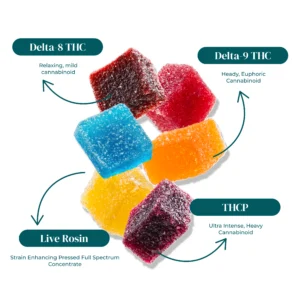
PHUK’D UP | THC BLEND GUMMIES | 420MG
Original price was: $39.95.$13.95Current price is: $13.95.Shop Now This product has multiple variants. The options may be chosen on the product page -
Sale!On Sale
PHUK’D UP | THC BLEND DISPOSABLE VAPE | MEGA 6.5G
Original price was: $40.00.$20.00Current price is: $20.00.Shop Now This product has multiple variants. The options may be chosen on the product page -
Sale!On Sale
PHUK’D UP | THC BLEND DISPOSABLE VAPE | MINI 3.5G
Original price was: $25.00.$15.00Current price is: $15.00.Shop Now This product has multiple variants. The options may be chosen on the product page
Apple Jack Strain Genetics & Origin
The most accepted Apple Jack strain lineage is Jack Herer × White Widow. The exact breeder history is less consistently documented than the parentage, which is common for older commercial hybrids that spread across markets.
The name likely comes from two places: the apple-like flavor and the Jack Herer parent. That makes sense from both a branding and sensory standpoint. Apple Jack often carries a crisp fruit note, but underneath that sweetness you usually still get Jack Herer’s pine, spice, herbs, and citrus.
White Widow rounds out the cross. It is known for resin-heavy flowers, earthy spice, balanced euphoria, and a calmer physical finish. Together, the parents create a hybrid that feels bright without being completely racy for many adult consumers.
Apple Jack Lineage Debate: Which Parents Are Correct?
| Source / Market Description | Reported Lineage | Note |
| Common strain databases | Jack Herer × White Widow | Most repeated Apple Jack lineage |
| Retail menus | Jack Herer × White Widow | Usually consistent, but potency and terpenes vary |
| Name-confusion listings | Apple Jax / Apple Jaxx | Often a different strain entirely |
| Best editorial stance | Jack Herer × White Widow | Check the product label and COA when buying |
The main confusion is not usually about Apple Jack itself. It is about similar names like Apple Jax, Apple Jaxx, or AppleJack written as one word. Those may refer to different apple-themed strains, so the label matters more than the menu title.
Parent Strain Breakdown
Jack Herer is a classic sativa-dominant strain known for cerebral lift, creativity, and notes of pine, spice, citrus, and herbs. In Apple Jack, this parent explains the clear-headed, social, and focused qualities that many adult consumers report. It may also contribute brighter terpenes like terpinolene and pinene in some phenotypes.
White Widow is a classic balanced hybrid famous for frosty buds, earthy spice, euphoria, and body relaxation. In Apple Jack, this parent helps keep the experience from feeling like a pure high-energy sativa. It also explains the sticky resin, trichome coverage, and smoother finish.
The cross works because Jack Herer brings the lift and sharp aroma, while White Widow adds structure, trichomes, and grounding body calm. The result is an apple-pine hybrid with spice, brightness, and enough physical balance to stay approachable for experienced daytime consumers.
Apple Jack Strain THC, CBD, CBG, and Cannabinoid Profile
Apple Jack strain THC usually falls around 18% to 22%, although reported numbers vary. Some sources list it closer to 15% to 20%, while others place it near 18% to 23% or average around 21%.
CBD is usually low, often below 1% and sometimes as low as 0.1%. CBG may appear around 1% in some reported profiles, but that will not apply to every batch.
The most reliable number is always the product’s certificate of analysis, or COA. Potency changes by cultivator, harvest timing, drying, curing, storage, and lab method. If you are buying hemp-derived THCA flower, the COA may show THCA, Delta-9 THC, and total THC separately. You can learn more in The Hemp Doctor’s guide to THCA vs THC.
| Cannabinoid / Metric | Typical or Reported Range | What It Means |
| THC | Usually 18% to 22% | Main intoxicating cannabinoid after activation |
| THCA | May appear on hemp-derived flower COAs | Converts to THC when heated |
| Total THC | Varies by batch | Better estimate of activated THC potential |
| CBD | Usually below 1% | Not typically a CBD-rich strain |
| CBG | Around 1% in some profiles | Minor cannabinoid worth noting |
| Total Terpenes | Batch-specific | Helps shape aroma and flavor intensity |
Dominant Apple Jack Strain Terpenes
Apple Jack strain terpenes vary by phenotype and batch. Some profiles emphasize limonene, caryophyllene, and linalool, while others lean toward terpinolene, pinene, myrcene, and caryophyllene, likely reflecting more of the Jack Herer side.
That is why one Apple Jack strain review may describe a sweet apple-citrus flower, while another may describe a piney, herbal, sharper experience. Both can be accurate if the batches express different terpene profiles.
| Reported Terpene Profile | Likely Aroma Direction | What It Suggests |
| Limonene, caryophyllene, linalool | Citrus, spice, soft floral sweetness | Brighter apple-citrus phenotype |
| Terpinolene, caryophyllene, pinene | Pine, herbs, spice, fresh apple | More Jack Herer-leaning phenotype |
| Terpinolene, myrcene, caryophyllene | Herbal, earthy, musky, spicy | More grounded hybrid expression |
Limonene
Limonene brings citrus, lemon peel, and bright fruit notes. In Apple Jack, it can suggest crisp apple, green apple skin, or apple with citrus zest. Adult consumers often describe aroma profiles high in limonene as brighter and more mood-lifting.
Caryophyllene
Caryophyllene adds pepper, spice, wood, and a little bite beneath the sweet apple note. It is also one of the more unusual terpenes because it can interact with CB2 receptors in the body’s endocannabinoid system, which is the network that helps cannabinoids and related compounds communicate with receptors. Caryophyllene is common across many modern hybrid, gas, and Cookies-style strains.
Linalool
Linalool has a floral, lavender-like aroma with soft spice. In some Apple Jack batches, it may smooth the sharper apple-pine profile and make the flower feel less edgy. It can also soften the finish of otherwise bright terpene blends.
Terpinolene
Terpinolene is fresh, herbal, piney, citrusy, and lightly floral. It is common in Jack Herer-style energetic strains, which may explain why some Apple Jack batches feel more cerebral and sativa-like. When terpinolene is prominent, Apple Jack may smell more like herbs, pine, and fresh fruit than dessert.
Pinene
Pinene smells like pine needles, sharp herbs, and forest air. It supports the classic apple-pine description and can make the flavor feel cleaner and brighter. Apple Jack batches with noticeable pinene may taste less sugary and more crisp.
Myrcene
Myrcene brings earth, musk, herbs, and depth. When myrcene is more present, Apple Jack may feel more grounded and less racy. It can also add body to the flavor, especially when the flower leans earthy or herbal rather than candy-like.
Flavor and Aroma
Apple Jack usually tastes and smells like sweet apple, green apple peel, cinnamon-like spice, pine, herbs, citrus, and earth. Some batches lean toward fresh-sliced apples and lemon, while others read more like apple pie, apple cider, pepper, and earthy pine.
The Jack Herer side typically brings pine, herbs, citrus, and spice. White Widow adds earthy, resinous, and slightly floral notes. When the cure is done well, the apple note stays clearer, and the smoke or vapor feels more layered.
Apple Jack usually tastes like sweet apple, spice, pine, citrus, and herbs. Some phenotypes lean toward fresh green apple and lemon, while others taste more like apple pie, cinnamon, pepper, and earthy pine.
Apple Jack usually smells like crisp apples, pine, herbs, spice, citrus, and light earth. Stronger Jack Herer-leaning batches may smell sharper and more herbal, while sweeter phenotypes can smell closer to apple candy or apple pastry.
Physical Characteristics
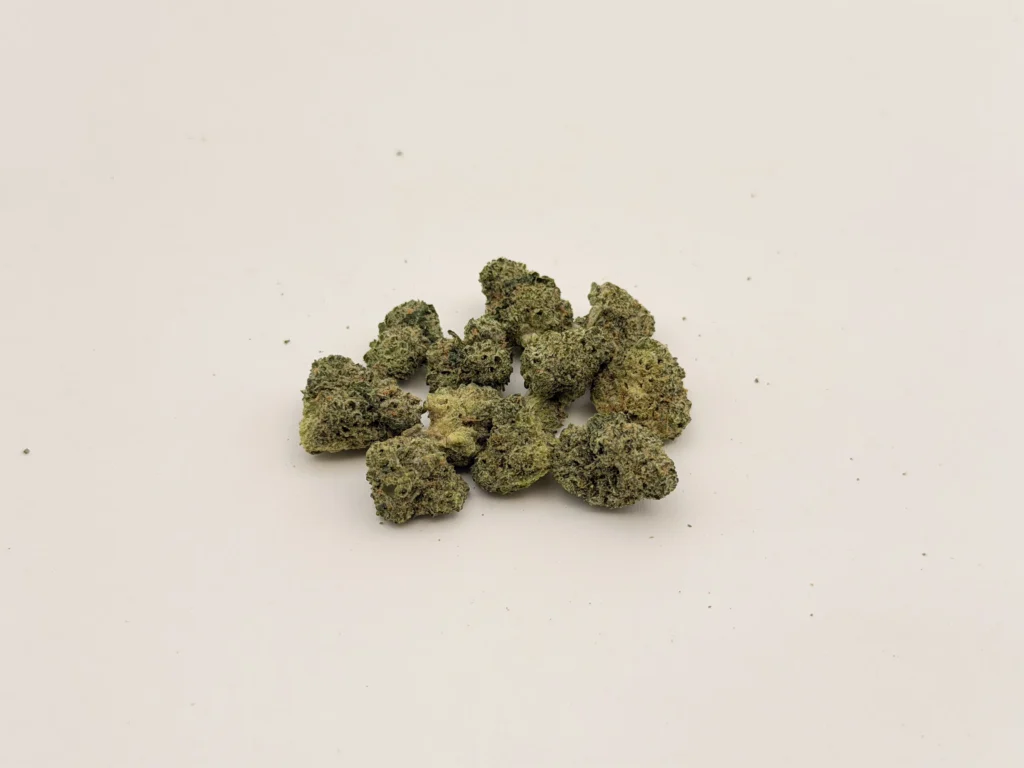
Apple Jack flower is often described as dense, resin-heavy, and visually appealing. Good batches may show bright to deep green flower, orange pistils, and a frosty trichome coating that reflects the White Widow influence.
Properly cured buds should feel sticky, but not wet. When you open the jar, the aroma should be noticeable and clean. A good Apple Jack batch should not smell like hay, mildew, ammonia, or stale grass.
User-Reported Apple Jack Strain Effects
Adult consumers often describe Apple Jack as uplifting, focused, creative, happy, social, and lightly relaxing. The experience usually starts in the head, with a quick cerebral lift, then settles into a calmer hybrid finish.
Because of its Jack Herer influence, Apple Jack can feel mentally stimulating. That is part of its appeal, but it also means sensitive consumers may find larger doses racy or uncomfortable.
| Reported Theme | What Consumers Mention |
| Mood | Happy, uplifted, euphoric, sociable |
| Mental Effects | Focused, creative, alert, cerebral |
| Physical Effects | Light body calm, relaxation, less heaviness than strong indicas |
| Best Use Case | Daytime, afternoon, creative sessions, social activities |
| High-Dose Feel | Racing thoughts, anxiety, dizziness, stronger body fatigue |
Apple Jack usually makes adult consumers feel uplifted, focused, creative, and lightly relaxed. The high often starts with a clear cerebral lift before settling into a smoother hybrid calm.
Higher doses may feel more intense, racy, or physically tiring depending on tolerance. For that reason, Apple Jack is usually better for moderate-to-experienced consumers than for first-time THC consumers.
Apple Jack Effects Timeline
| Time After Inhalation | What Consumers May Notice |
| 0 to 15 minutes | Quick head lift, brighter mood, apple-pine flavor, mental stimulation |
| 15 to 45 minutes | Focus, creativity, sociability, light euphoria |
| 45 to 90 minutes | Smoother body relaxation, calmer mood, less mental rush |
| 1.5 to 3 hours | Gradual fade, lingering focus or light fatigue depending on dose |
Edibles and infused products take longer to take effect. They may take 30 minutes to 2 hours to fully build, and the effects can last much longer than inhaled flower.
Is Apple Jack a Strong Strain?
Yes, Apple Jack is usually considered moderately strong to strong. Most batches are reported around 18% to 22% THC, with some testing higher.
It is not the strongest strain on the market, but its sativa-leaning head effect can feel intense for low-tolerance consumers. If strong cerebral strains make you uncomfortable, start with a very small amount.
User-Reported Reddit Observations on Apple Jacks Buds
This Reddit discussion focuses primarily on the bud’s physical characteristics rather than consumption effects. The thread centers on debate about whether the sample represents a single large nugget or multiple smaller buds compressed together, with limited commentary on actual strain experience.
Note: These observations reflect individual user experiences, not laboratory findings.
| Observation Theme | What Commenters Discussed |
| Visual Appeal & Bag Appeal | Commenters praised the sample’s aesthetic quality and impressive size, with several treating it as a display-worthy nug. |
| Density & Structure Concerns | Multiple commenters noticed visible stems and structural inconsistencies, suggesting the sample may have been compressed smaller buds rather than one cohesive nug. |
| Drying & Moisture Issues | One experienced grower noted that large, dense buds can be difficult to dry evenly, since the outside may become crispy while the interior stays too moist. |
Potential Benefits and Common Uses
Adult consumers often choose Apple Jack for a brighter daytime mood, creative focus, social energy, and light physical relaxation. It may also appeal to people who want a less sedating alternative to heavier indica-style strains.
These are user-reported experiences, not guaranteed outcomes. Apple Jack cannabis strain effects can vary widely based on THC level, terpene profile, dose, and personal tolerance. THC can also worsen anxious feelings in some people, especially at higher doses.
Apple Jack Side Effects
Common Apple Jack side effects include dry mouth, dry eyes, dizziness, anxiety, paranoia, head pressure, racing thoughts, and sleepiness after higher doses. These effects are more likely when the batch is high in THC or when the consumer has low tolerance.
Apple Jack may feel mentally stimulating. If high-THC sativa-leaning strains make you anxious, start with a very small amount or choose a lower-THC option. Do not drive or operate machinery after using intoxicating hemp-derived or cannabis products.
Best Time To Use Apple Jack
Apple Jack is usually best suited for morning, midday, or afternoon use by experienced consumers. Its brighter profile can pair well with creative work, music, light chores, walks, errands, or relaxed social settings.
It is not always ideal before sleep, especially for people sensitive to cerebral strains. Higher doses may feel more physically tiring, but that doesn’t make Apple Jack a dependable nighttime strain for everyone.
Avoid using Apple Jack before driving, work obligations, school, or high-stakes tasks.
Who Should Choose Apple Jack?
Apple Jack may be a good fit if you already enjoy Jack Herer, apple-forward strains, piney hybrids, spicy citrus profiles, or daytime sativa-dominant flower. It also makes sense for adult consumers who want uplift without heavy couch-lock.
It may not be ideal for first-time THC consumers, people prone to THC-related anxiety, anyone looking for CBD-rich flower, or consumers who want a deeply sedating nighttime indica. If you dislike pine, herbs, or sharper Jack-style flavors, Apple Jack may not be your favorite profile.
Is Apple Jack Good for Beginners?
Apple Jack can be manageable for some beginners if the batch is lower in THC, but it is not always the best first strain. Many batches land around 18% to 22% THC, and the mental stimulation can feel stronger than expected.
New consumers should start with one small puff and wait before using more. A COA-confirmed low-potency batch is a better choice than guessing based on the strain name alone.
A comfortable environment also matters. Avoid stacking doses, avoid mixing with alcohol, and consider CBD-balanced products if THC sensitivity is a concern.
Dosage Guidance by Experience Level
| Experience Level | Inhaled Flower Suggestion | Notes |
| New / Low Tolerance | 1 small puff, wait 10 to 15 minutes | Avoid repeated hits until effects settle |
| Moderate Tolerance | 1 to 2 small puffs, wait | Often a better range for daytime use |
| Experienced | Increase slowly based on batch potency | Higher doses may feel racy or tiring |
| Edibles / Infused Products | Start low and wait at least 2 hours | Edibles last longer and can feel stronger |
Do not mix Apple Jack with alcohol. Do not drive after use. Keep all hemp-derived and cannabis products away from children and pets.
Cultivation and Growing Tips
Apple Jack is generally considered an intermediate grow. It can reward careful growers with dense, resinous buds, but that same density means airflow and humidity control matter.
Indoors, Apple Jack usually flowers in about 9 weeks. Outdoors, harvest may fall around mid-October in suitable climates. Plant height is often medium, roughly 4 to 5 feet depending on phenotype, veg time, and training style.
Growing Difficulty
Apple Jack is usually better for intermediate growers because it can produce dense flowers that need proper airflow, humidity management, and feeding. A neglected canopy can trap moisture, which may affect final flower quality.
Environmental Needs
Apple Jack generally does best with stable temperatures, good air movement, and lower humidity late in flower. Indoor growers should also plan for odor control, since the apple-pine and herbal aroma can become noticeable.
Heat stress can flatten the terpene profile. To keep the apple, pine, citrus, and spice notes after harvest, avoid excessive heat during flower and drying.
Flowering Time and Harvest
Apple Jack usually flowers indoors in about 9 weeks. Treat that timing as a guide rather than a hard rule, since trichome maturity gives better harvest information than the calendar alone.
A mostly cloudy trichome reading with some amber is a common target. Earlier harvests may preserve more brightness, while later harvests can feel heavier.
Training and Canopy Management
Apple Jack can respond well to topping, low-stress training, and light defoliation. These methods help improve light penetration and airflow through the canopy.
If buds become heavy, you may need branch support late in flower. This is especially true with White Widow-leaning phenotypes that produce dense, resinous colas.
Yield Expectations
| Grow Setting | Expected Range | Notes |
| Indoor | Around 14 to 16 oz/m² | Depends on light, veg time, training, phenotype |
| Outdoor | Around 18 oz/plant | Requires strong sun, good climate, healthy roots |
| Flowering Time | About 9 weeks | Phenotype and environment can shift timing |
Cure Tips for Better Apple Flavor
A slow dry in a cool, dark space helps preserve Apple Jack’s more delicate fruit and spice notes. Overdrying can make the flower harsh, while poor curing can flatten the apple aroma and leave a grassy taste.
A careful cure lets the terpenes settle. That is when the strain’s apple, pine, citrus, herbal, and spicy notes become clearer and more enjoyable.
Apple Jack vs. Apple Jax vs. AppleJack
Apple Jack usually refers to the Jack Herer × White Widow strain covered in this guide. Apple Jax, Apple Jaxx, or AppleJack written as one word may refer to something else.
Some Apple Jax listings describe dessert-style genetics, including crosses like Pancakes × Apple Fritter or other apple-forward hybrids. Those strains may be sweeter, heavier, or more indica-leaning than classic Apple Jack.
| Name | Usually Refers To | Typical Profile | Why It Matters |
| Apple Jack | Jack Herer × White Widow | Sativa-leaning, apple-pine, uplifting | Main strain covered here |
| Apple Jax | Often different genetics, sometimes Pancakes × Apple Fritter | More dessert/apple, potentially indica-leaning | Not the same strain |
| AppleJack | Brand or menu spelling variation | Could mean Apple Jack or another cut | Verify before buying |
The safest move is to check the lineage, COA, brand description, and terpene profile before buying.
Related Strains of Apple Jack
| Strain | Genetics / Family | Usually Best For |
| Apple Jack | Jack Herer × White Widow | Apple-pine flavor, daytime uplift |
| Jack Herer | Haze / Northern Lights / Shiva Skunk family | Focus, creativity, classic sativa energy |
| White Widow | Classic balanced hybrid | Resin, euphoria, balanced body calm |
| Sour Apple | Apple-flavored hybrid family | Tart apple flavor and hybrid effects |
| Green Apple | Apple-forward strain family | Sweet or tart apple aroma |
| Apple Fritter | Sour Apple × Animal Cookies | Heavier dessert apple relaxation |
| Apple Runtz | Runtz / apple-influenced hybrid | Candy fruit flavor and hybrid euphoria |
Choose Jack Herer for more energy, White Widow for more balance, and Apple Fritter for heavier dessert-style relaxation. If flavor is the main goal, Sour Apple and Green Apple may be worth comparing.
Where Can You Find Apple Jack Strain Near You?
Apple Jack availability varies by state, brand, season, and market. Depending on where you shop, it may appear as flower, pre-rolls, vape carts, concentrates, or hemp-derived THCA flower.
The Hemp Doctor inventory rotates, so strain availability may change over time. If you are looking for similar options, start with THCA flower, hybrid flower, or sativa flower. You can also check current deals and verify products through lab results.
What To Look For on an Apple Jack COA
A COA, or certificate of analysis, is a batch-specific lab report that shows what is actually in the product. For hemp-derived products, it is especially important because the report should clarify potency, Delta-9 THC compliance, and safety testing.
Apple Jack COA checklist:
| COA Item | What To Check |
| Potency | Product label matches the lab report |
| Delta-9 THC | Compliance is clear if hemp-derived |
| THCA / Total THC | Total potency is listed clearly |
| CBD and CBG | Minor cannabinoids are included when present |
| Terpene Panel | Available when the brand provides terpene testing |
| Safety Tests | Pesticides, heavy metals, residual solvents, microbial testing, and mycotoxins are passed |
| Batch Details | Batch number matches the product package |
| COA Date | Lab report is current and relevant |
Final Verdict: Is Apple Jack a Good Strain?
Apple Jack is a strong choice for adult consumers who want an apple-forward, uplifting hybrid with classic Jack Herer energy and White Widow balance. Its best qualities are flavor, daytime function, creativity, and bright mood.
Its main drawbacks are worth noting, too. Some batches can feel racy, the THC may be too strong for beginners, and terpene profiles can vary heavily by grower. If you want a functional sativa-leaning hybrid and you enjoy apple, pine, spice, and citrus, Apple Jack is worth knowing.
