How Is Delta-9 Made? Hemp-Derived THC, Extraction, Conversion, and Testing Explained

Quick Answer: Delta-9 THC occurs naturally in cannabis and hemp plants, often beginning as THCA, an acidic cannabinoid that becomes Delta-9 THC through heat or processing. For commercial products, Delta-9 is typically made in one of two ways: it is extracted and refined from hemp or cannabis plant material, or it is converted from hemp-derived CBD through a controlled process called isomerization. Finished Delta-9 ingredients are then formulated into products like gummies, drinks, tinctures, chocolates, and vapes.
If Delta-9 THC is often associated with marijuana, how are hemp-derived Delta-9 products made and sold legally? The answer depends on the production pathway: natural plant formation, direct extraction, or CBD conversion. Understanding how Delta-9 THC is produced helps adult consumers make informed choices and recognize what separates quality THC products from questionable ones. This article is educational and high-level rather than a DIY manufacturing guide.
Product quality depends on extraction method, purification processes, formulation accuracy, legal compliance, and lab testing. Laws governing hemp-derived Delta-9 products vary by state, and federal law continues to evolve. Readers should check local rules before purchasing any hemp-derived THC products.
🔑 Key Takeaways
- Delta-9 THC is a naturally occurring cannabinoid found in cannabis plants, with cannabis plants often producing it first as THCA before decarboxylation converts it to Delta-9.
- Commercial Delta-9 products may use plant-extracted Delta-9 or Delta-9 converted from hemp-derived CBD through isomerization.
- Hemp-derived Delta-9 products must follow the federal 0.3% Delta-9 THC dry weight rule under the 2018 Farm Bill, though state laws may be stricter.
- Both extracted and converted Delta-9 require careful purification and testing to verify product consistency, composition, and quality.
- A trustworthy Delta-9 product should have a batch-specific COA, or Certificate of Analysis, showing potency and screening results for unwanted substances.
What Is Delta-9 THC?
Delta-9 THC, or delta-9-tetrahydrocannabinol, is a cannabinoid found in cannabis and hemp plants. It is the primary compound responsible for the intoxicating effects people associate with traditional cannabis use.
Delta-9 is the same molecule whether it comes from marijuana, the hemp plant, or a hemp-derived conversion process. The source affects legal classification and testing requirements, but the chemical structure remains identical.
Cannabis plants naturally produce Delta-9 THC through a series of plant-based biochemical reactions beginning with cannabigerolic acid, or CBGA. Specific enzymes within the plant then convert CBGA into tetrahydrocannabinolic acid, or THCA, which is the acidic precursor to Delta-9 THC. Heat, such as from drying or smoking, causes THCA to decarboxylate, transforming it into Delta-9 THC.
Understanding the distinction between the molecule itself and how it is produced matters because it affects everything from legality to product testing requirements.
How Delta-9 Forms Naturally in Cannabis and Hemp
Cannabinoids Develop in the Plant’s Resin-Rich Trichomes
Cannabinoids are produced in trichomes on the plant. These tiny resin glands cover the flowers and leaves of cannabis plants, acting as the plant’s natural cannabinoid factories. During extraction, supercritical fluid can dissolve the membranes of the plant’s trichomes, capturing cannabinoids, terpenes, flavonoids, and other plant compounds.
Cannabis plants contain different cannabinoid profiles depending on genetics, growing conditions, and harvest timing. Industrial hemp, by definition under federal law, must contain no more than 0.3% Delta-9 THC by dry weight. In contrast, marijuana varieties contain significantly higher THC concentrations.
THCA Comes Before Delta-9 THC
THCA is the acidic precursor to THC. It is found in raw cannabis plants and is commonly one of the most abundant cannabinoids in raw cannabis material.
THCA and Delta-9 THC are related but not the same compound. The “A” in THCA stands for “acid,” referring to the carboxyl group attached to the molecule. THCA, short for tetrahydrocannabinolic acid, is found in raw cannabis. In its raw form, the THCA molecule has a different structure because it still contains a carboxyl group. For more information, check out our guide on what is THCA.
Decarboxylation Converts THCA Into Delta-9 THC
Decarboxylation is a heat-driven chemical reaction that removes a carboxyl group from THCA, converting it into Delta-9 THC.
Decarboxylation is an important production step for transforming acidic cannabinoids into their neutral forms, including Delta-9 THC, CBD, and CBG. Simple examples include smoking, vaping, baking, or extract processing. Decarboxylation occurs when THCA is exposed to heat, removing a carboxyl group from the molecule.
The Two Main Ways Delta-9 Is Made for Products
Path 1: Direct Extraction From Hemp or Cannabis
The Delta-9 production process begins with cannabinoid extraction from plant material, followed by refinement and purification. Extracting Delta-9 THC directly from the cannabis plant involves various techniques to separate cannabinoids from plant material. Solvent-based methods are common, utilizing substances like ethanol, butane, or supercritical carbon dioxide, also known as CO2. Ethanol extraction involves soaking plant material in the solvent to dissolve cannabinoids and terpenes, followed by filtration and solvent evaporation to yield a concentrated resin.
This pathway is common in state-regulated cannabis markets and may also be used in some hemp-derived products. For products sold as legal hemp, the starting material and final product must meet legal hemp requirements, including the 0.3% Delta-9 THC threshold.
Path 2: Conversion From Hemp-Derived CBD
Some hemp-derived Delta-9 products start with CBD isolate or CBD-rich hemp extract. Conversion of cannabidiol, or CBD, to tetrahydrocannabinol, or THC, can occur through a ring-closing reaction. This cyclization can be acid-catalyzed or brought about by heating.
Isomerization is a process that rearranges a cannabinoid molecule into a different cannabinoid structure. Isomers refer to molecules made with the same elements and the same number of atoms but with a different chemical structure. For example, Delta-8 THC is an isomer of Delta-9 THC. CBD and THC are also isomers of each other because they have the same chemical formula. The difference is in how the carbon atoms and double bond within their chemical structure are arranged.
This process should only be done by qualified professionals in properly equipped facilities. The chemicals used to catalyze this reaction can be harsh, and unwanted byproducts may form if the process is not properly controlled.
Why the Production Pathway Matters
The production method affects what brands should test for on their lab reports. Direct extraction raises quality considerations such as residual solvents, pesticides, heavy metals, microbials, and potency accuracy.
Third-party laboratory testing is a standard practice to verify the composition of the final Delta-9 THC product. These independent labs analyze products to confirm Delta-9 THC potency and screen for unwanted substances, including residual solvents, heavy metals, pesticides, and microbial impurities.
Converted Delta-9 also raises quality considerations around byproducts, unwanted isomers, and incomplete purification. This makes transparent testing and quality controls especially important.
Extracted vs. Converted Delta-9: What’s the Difference?
| Type | Starting Material | Basic Process | Common Use | Main Quality Considerations |
|---|---|---|---|---|
| Plant-extracted Delta-9 | Hemp or cannabis flower/extract | Extraction, refinement, decarboxylation, distillation | Cannabis products and some hemp products | Potency accuracy, residual solvents, pesticides, heavy metals, microbials |
| CBD-converted Delta-9 | Hemp-derived CBD isolate or CBD-rich extract | CBD conversion, purification, formulation | Some hemp-derived THC products | Unwanted byproducts, residual processing materials, unknown isomers, incomplete purification |
| Marijuana-derived Delta-9 | High-THC cannabis | Extraction and refinement from marijuana biomass | State-regulated cannabis markets | State compliance, potency accuracy, screening for unwanted substances |
Is Delta-9 Natural or Synthetic?
Plant-Extracted Delta-9 Is Naturally Occurring
Delta-9 exists naturally in cannabis and hemp. If it is directly extracted from plant material through methods like CO2 extraction or ethanol extraction, it is not synthetic. The extracted THC molecule is chemically identical to what the plant produces naturally.
CBD-Converted Delta-9 Is More Nuanced
CBD-converted Delta-9 begins with a hemp-derived cannabinoid but is changed through a controlled conversion process. Delta-8 THC can be considered both natural and synthetic, depending on the context. It occurs naturally in the cannabis plant, but only in very small amounts. To produce it in usable quantities, Delta-8 is often made from CBD, which involves a chemical conversion process. Therefore, many Delta-8 products on the market are often described as semi-synthetic. Similar principles may apply to Delta-9 made from CBD conversion.
Terms readers may see include “converted,” “hemp-derived,” or “semi-synthetic.” The label alone does not guarantee quality. Testing and transparency matter most.
Same Molecule, Different Quality Questions
Delta-9’s molecular identity may be the same regardless of production method, but the production pathway changes what should be verified on a lab report. Isomerization, though sometimes intentional, can affect the purity, potency, and consistency of the final product. Understanding this process is important for maintaining product consistency and avoiding unintended formulation outcomes.
How Plant-Derived Delta-9 Is Extracted
Step 1: Hemp or Cannabis Is Grown, Harvested, and Dried
Producers start with plant biomass from cannabis plants that meet their target cannabinoid profile. For hemp-derived Delta-9, the starting hemp must meet legal hemp definitions, meaning the plant material contains no more than 0.3% Delta-9 THC by dry weight.
Step 2: Cannabinoids Are Extracted From Plant Material
Extraction separates cannabinoids and other compounds from plant material. CO2 extraction is an advanced method used to pull cannabinoids and terpenes from the hemp plant. It is widely used because it can create a refined extract without leaving CO2 behind in the finished oil. CO2 extraction is commonly used to extract CBD and other cannabinoids from hemp.
Common extraction methods include ethanol extraction, CO2 extraction, and hydrocarbon extraction. Each has advantages and considerations for the final product quality.
Step 3: The Extract Is Filtered, Winterized, or Refined
Winterization involves mixing the substance with ethanol, then placing it in a freezer for around 24 hours, which crystallizes the fats and waxes. The deeply chilled liquid is then run through a filter, leaving the fats and waxes behind on the filter paper. The filtered ethanol mixture is then evaporated, leaving cannabinoid-rich cannabis oil.
Refinement improves consistency and prepares the extract for further processing.
Step 4: THCA May Be Decarboxylated Into Delta-9 THC
Researchers have studied the generation of Delta-9 THC by heating dried cannabis extracts over a range of temperatures and times. Maximum formation of Delta-9 THC was observed in approximately 5–10 minutes at 145°C, followed by a significant loss at longer times, possibly due to evaporation.
This conversion step transforms THCA into Delta-9 THC.
Step 5: The Oil Is Distilled or Purified
Distillation is a common method in which the concentrate is heated under vacuum, allowing cannabinoids to vaporize and condense as a more refined product. This process separates Delta-9 THC from other compounds. Chromatography, another purification technique, separates compounds based on their chemical properties. This method can isolate Delta-9 THC from other cannabinoids and impurities. These purification steps are important for obtaining a consistent Delta-9 THC ingredient.
Step 6: The Ingredient Is Formulated Into Finished Products
Refined Delta-9 ingredients can be measured into Delta 9 edibles, THC drinks, tinctures, capsules, or vape products. Accurate serving size and batch consistency are essential for a predictable consumer experience.
Delta-9 Manufacturing Flowchart
Direct Extraction Workflow
Hemp or cannabis biomass → harvest and dry → extraction → winterization/filtering → decarboxylation → distillation/purification → formulation → third-party testing
CBD Conversion Workflow
Hemp biomass → CBD extraction → CBD isolate or CBD-rich extract → controlled isomerization → neutralization/purification → formulation → third-party testing
What Is Hemp-Derived Delta-9 Distillate?
Delta-9 distillate is a concentrated cannabinoid ingredient that has been refined through distillation or purification. The hemp-derived Delta-9 process produces an oil with high cannabinoid concentration and reduced plant waxes, chlorophyll, and other unwanted compounds.
Hemp-derived Delta-9 distillate must come from hemp inputs or hemp-derived cannabinoids to be marketed as a legal hemp product. This distillate can be used in multiple product types, from gummies to vape cartridges.
Distillate quality depends on the starting material, production controls, purification methods, and lab testing. Not all distillates are created equal, which is why third-party verification matters.
How Can Hemp-Derived Delta-9 Be Legal?
It Must Be Hemp-Derived
The 2018 Farm Bill made significant changes to the legal status of hemp and its derivatives, including CBD, by legalizing the cultivation and sale of “hemp” defined as, “[T]he plant Cannabis sativa L. and any part of that plant with a delta-9 tetrahydrocannabinol concentration of not more than 0.3 percent on a dry weight basis.”
Marijuana remains federally controlled, while compliant hemp is treated differently under federal law. This distinction created the legal framework for hemp-derived Delta-9 products.
The 0.3% Dry-Weight Rule
The dry weight measurement refers to the product’s weight after all moisture has been removed. Here is a concrete example: if a gummy weighs 5 grams, 0.3% of its dry weight equals 15 mg of Delta-9 THC.
This calculation explains why some hemp-derived edibles can contain measurable Delta-9 while still being marketed as federally compliant. The heavier the product, the more milligrams of Delta-9 it can legally contain while staying under the 0.3% threshold.
State Laws Still Matter
Several states are not waiting for federal changes. Some have begun aligning their laws with stricter definitions, moving to restrict hemp-derived THC products sooner. This evolving landscape underscores that the industry is already operating in a transitional regulatory environment.
Check local laws before purchasing or traveling with Delta-9 products. State regulations on hemp-derived THC products continue to change.
How Delta-9 Is Formulated Into Edibles, Drinks, Tinctures, and Vapes
Delta-9 Edibles
Measured amounts of Delta-9 distillate or cannabinoid oil can be blended into gummies, chocolates, baked goods, and other edible formats. Accurate mixing matters so servings are consistent across every piece in a package.
The Hemp Doctor offers a variety of Delta-9 edibles, including brownies, chocolate bars, peanut butter cups, and Delta-9 gummies.
Delta-9 Drinks
Beverages often require special formulation so cannabinoids disperse evenly in liquid. Many THC drinks use nano-emulsification technology to support even dispersion and consistency throughout the beverage.
Delta-9 Tinctures
Tinctures typically combine cannabinoid extract with a carrier oil like MCT oil. Labels should clearly show Delta-9 content per serving, and droppers should be marked for consistent serving sizes.
Delta-9 Vapes
Vape products may use cannabinoid distillate blended with terpenes or other cannabinoids. Adult consumers should avoid untested vape products and choose options with transparent, batch-specific lab results.
Why Delta-9 Manufacturing Quality Matters
Potency Accuracy
Labels should match what is actually in the product. Inconsistent formulation can make servings stronger or weaker than listed, creating unpredictable experiences for consumers.
Residual Solvents and Processing Residues
Solvent-based methods that use butane, ethanol, or hexane may leave chemical residues in the final product if not properly removed. CO2 naturally evaporates after the extraction process, leaving no CO2 residue behind. This is one reason CO2 extraction is widely used for hemp and cannabis extracts.
Some extraction or conversion methods require extra testing to confirm residues meet applicable standards.
Pesticides, Heavy Metals, and Microbials
Hemp and cannabis are agricultural products, so screening for unwanted substances matters. Plants can absorb heavy metals from soil, and cultivation practices may introduce pesticide residues.
Unwanted Cannabinoids, Isomers, or Byproducts
The presence of THC isomers can affect the Delta-9 THC content of the product and cause confusion during third-party HPLC potency testing. While Delta-8 THC separates cleanly on an HPLC, multiple forms of Delta-6 and Delta-10 THC often elute closely to the Delta-9 THC peak.
Converted products should be carefully purified and tested for cannabinoid profile accuracy.
Batch Consistency
A COA should match the exact batch being sold, not just a generic product page. Batch-specific testing helps confirm that the product you receive has been reviewed against the listed specifications.
How to Read a Delta-9 COA Before You Buy
COA Checklist
| Question | What to Look For |
|---|---|
| Does the COA match the product name? | Product name should be identical |
| Does the COA match the batch or lot number? | Number on COA should match package label |
| Does it list Delta-9 THC per serving and per package? | Clear potency breakdown |
| Does it confirm 0.3% Delta-9 THC compliance? | Percentage calculation for hemp products |
| Does it include residual solvent testing? | Results showing applicable limits |
| Does it include pesticide testing? | Results for common pesticides |
| Does it include heavy metal testing? | Results for lead, arsenic, mercury, cadmium |
| Does it include microbial testing? | Results for mold, yeast, bacteria |
| Does it show a recent test date? | Testing should be current |
| Was testing performed by an independent third-party lab? | Lab name and accreditation visible |
Red Flags on Delta-9 Lab Reports
Watch for these warning signs: no batch number, only potency testing with no screening panel, outdated lab reports, COA hosted as a blurry image or incomplete screenshot, product label and COA that do not match, and no third-party lab name or accreditation information.
What Can Go Wrong During Delta-9 Production?
Incomplete Purification
Poor purification may leave unwanted residues or byproducts in the final product. This can affect product consistency and the overall consumer experience.
Inaccurate Formulation
Uneven mixing can lead to inconsistent servings, where one gummy might have significantly more or less Delta-9 than the label indicates.
Weak Testing Standards
Potency-only testing does not tell the full quality story. Products should be tested for unwanted substances as well as cannabinoid content.
Misleading Labels
Terms like “hemp-derived,” “natural,” or “lab-tested” should be backed by clear documentation. Without accessible lab results, these terms are just marketing language.
How to Choose Higher-Quality Delta-9 Products
Buy from brands that provide batch-specific third-party COAs. Look for full-panel testing, not only potency results. Check Delta-9 content per serving before use to choose an amount that fits your preferences and experience level.
Confirm that the product follows local laws in your state. Avoid products with vague labels, missing lab results, or unrealistic claims. Start with a low serving if trying a Delta-9 product for the first time. Keep Delta-9 products away from children and pets.
For more guidance on smaller serving sizes, see our article on microdosing THC.
Shop Lab-Tested Delta-9 Products
The Hemp Doctor offers a range of hemp-derived Delta-9 products across multiple formats. Our selection includes Delta-9 gummies, edibles, drinks, and vapes.
All products come with batch-specific lab results accessible through our Lab Results page. Our testing covers potency, residual solvents, pesticides, heavy metals, and microbials.
-
Sale!50% Off
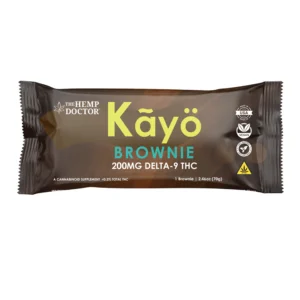
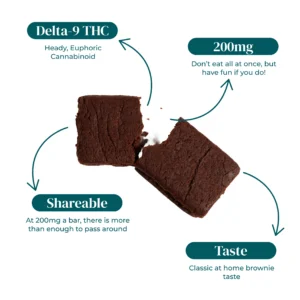
KAYO | DELTA 9 THC BROWNIES
Price range: $7.98 through $39.98 — or subscribe to save 25%Shop Now This product has multiple variants. The options may be chosen on the product page -
Sale!35% off
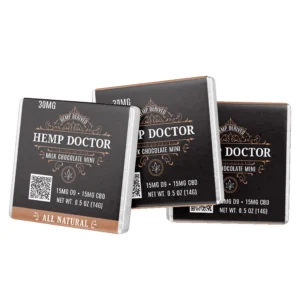
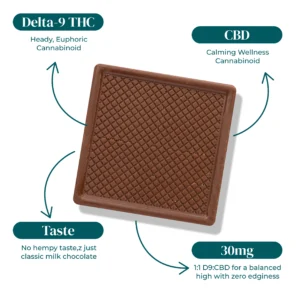
CBD:D9 THC MILK CHOCOLATE MINIS | 30MG
Price range: $2.80 through $38.97 — or subscribe to save 25%Shop Now This product has multiple variants. The options may be chosen on the product page -
Sale!50%-70% off
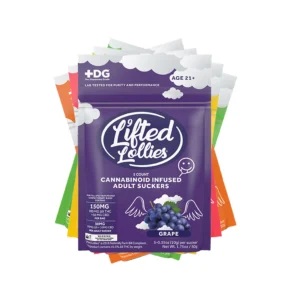
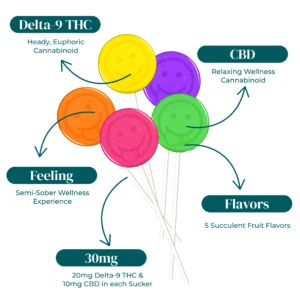
LIFTED LOLLIES | CBD:D9 THC LOLLIPOPS | 30MG
Price range: $1.75 through $29.98 — or subscribe to save 25%Shop Now This product has multiple variants. The options may be chosen on the product page
Conclusion
Delta-9 can be made naturally in the plant, extracted from hemp or cannabis, or converted from hemp-derived CBD through isomerization. The hemp-derived Delta-9 process varies depending on the manufacturer’s approach, but quality control remains essential regardless of production pathway.
The key consumer issue is not only where Delta-9 comes from, but how carefully it is purified, formulated, and tested. A batch-specific COA from an independent lab is the best way to review product quality before purchasing.
Remember to check local laws, as regulations on hemp-derived Delta-9 products vary by state and continue to evolve. Start low, go slow, and choose products from transparent brands that make their testing results easy to access.
If you’re ready to compare options, explore our lab-tested Delta-9 THC products and review the available product details before choosing what fits your needs.