Does Kratom Show Up on a Drug Test? The Real Deal

Kratom is a plant native to places in the Southeast Asian region. But in the Western world, it is known to have stimulant effects.
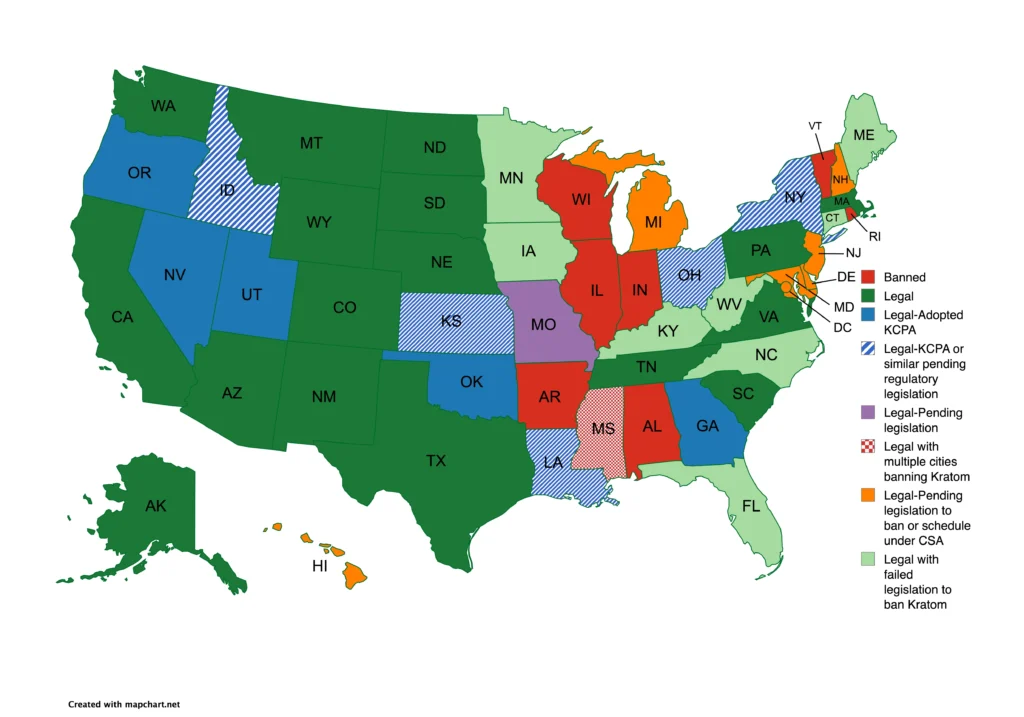
While it isn’t on the controlled list in the United States, it is banned in six states: Alabama, Arkansas, Indiana, Rhode Island, Vermont, and Wisconsin. However, the US Drug Enforcement Agency has yet to impose federal regulations, except for listing it as a “drug of concern.”
This is where things can get confusing regarding its legality. That then begs a question: does Kratom show up on a drug test? Read on to know more.
🔑 Key Takeaways
- It is important to consume lower doses to prevent addiction and future drug testing issues.
- Kratom has yet to be federally sanctioned, but the DEA classified it as a “drug of concern.” Six US states have imposed a total ban on it.
- The standard 5-panel drug tests are unable to detect Kratom, but specialized screenings like chromatography can.
- To avoid the hassles of a failed drug test, stop using Kratom immediately or find other alternatives.
What Is Kratom?
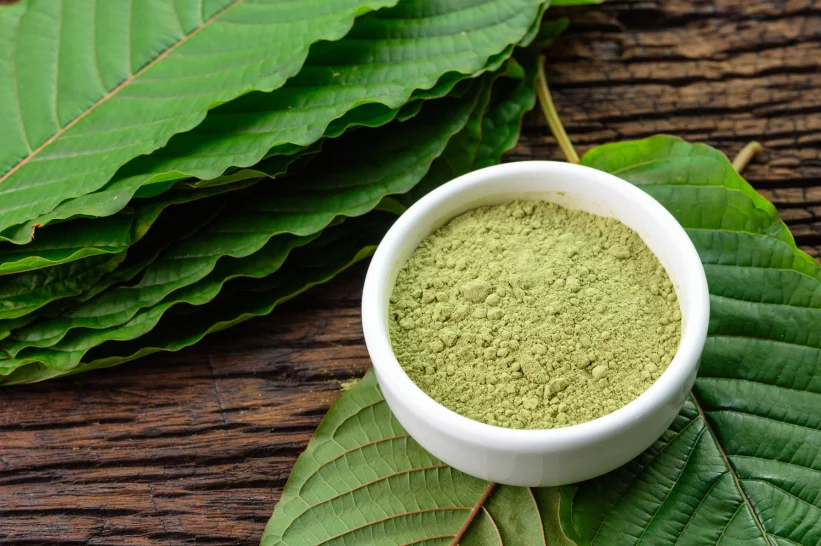
Scientifically known as Mitragyna speciosa, Kratom is a tropical evergreen tree indigenous to Thailand, Indonesia, Cambodia, Malaysia, Papua New Guinea, and Myanmar.
Its leaves, in particular, have been used as herbal medicine since the 19th Century. However, they contain psychotropic components, namely mitragynine and 7-hydroxy mitragynine (7-OH).
These ingredients are known to have stimulating effects when taken in low doses. Conversely, they induce sedative effects when consumed in higher doses.
People turn to Kratom to manage withdrawal effects from previous opioid abuse, as well as for pain relief and mental health disorders. Users consume Kratom by crushing its leaves before smoking it or brewing it into tea. Some place it into gel capsules for oral consumption.
It’s important to note that the Food and Drug Administration (FDA) has not approved Kratom for any medical use. Proceed with caution.
Drug Testing Panels And Their Sensitivity to Kratom
Let’s define standard panels to understand how drug tests work.
A drug testing panel refers to a test used to screen for the presence of various drugs and substances in a person’s system. There are different types of panels, each representing a category of drugs being tested for.
The standard panels range between five to ten, although some facilities offer up to 22-panel tests. A five-panel drug test typically tests for banned substances such as THC, cocaine, and primary opiates like heroin, codeine, morphine, PCP, and amphetamines.
Six and seven-panel tests involve other substances like MDMA. As you go into the ten-panel range, testers are now looking for benzodiazepines, barbiturates, methadone, propoxyphene, and methaqualone.
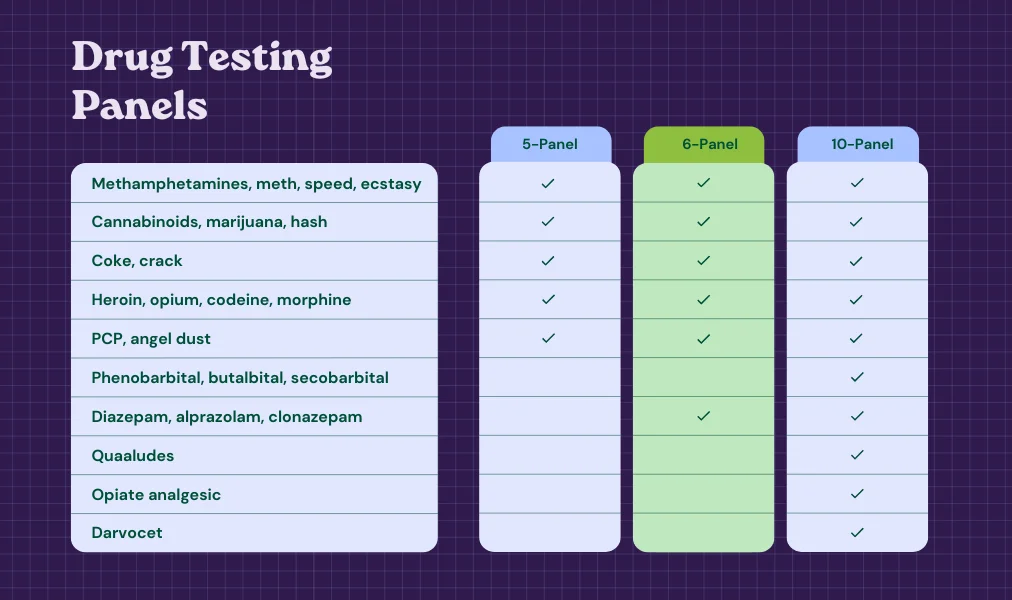
The more panels there are, the deeper the insight it gives into a person’s substance use history. For example, employers may administer 10-panel drug tests to see if an individual violates their probation terms. Other industries may also require extensive tests to gauge their employees’ alertness in operating heavy machinery.
Kratom isn’t usually included in any of these standard panels, as detection requires specialized testing. There is also the potential issue of false positives. If a person consumes high amounts of Kratom, testing facilities may detect the presence of other opioids like methadone.
Does Kratom Show Up in Different Types of Drug Tests?
As previously mentioned, Kratom may show up in various drug testing methods.
Urine Test
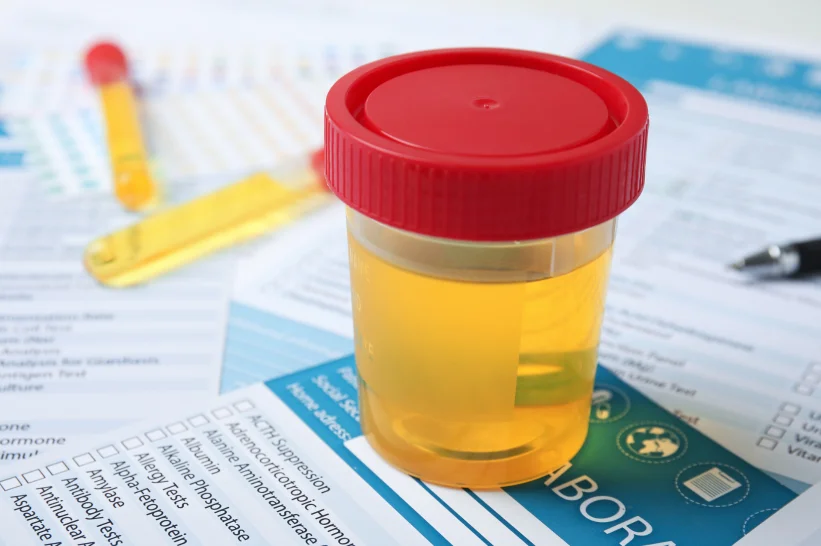
For urine tests, Kratom metabolites may be fewer for users who ingested lower amounts and if they have a higher metabolism rate. Test sensitivities may also factor in, as some may detect metabolites with lower concentrations.
Blood Test
The same aspects apply to blood tests. However, they tend to be less accurate compared to urine tests because low amounts of Kratom’s primary metabolites are more challenging to detect. Blood testing is usually required for deeper investigations, such as a person’s level of impairment as a result of using the substance.
Saliva Test
Saliva tests, meanwhile, are deemed unusual for Kratom detection. However, they are used because traces remain in saliva longer than in the blood. Likewise, saliva tests have a reliable sensitivity, especially when a person consumes large amounts.
Hair Follicle Tests
Meanwhile, hair tests can determine a person’s long-term Kratom use, including their timeline of consumption. Since traces of the drug remain in hair follicles for longer, experts have deemed hair tests an effective method to determine an individual’s history with the substance.
How Long Does Kratom Stay In Your System?
The half-life of a drug is determined by its duration in the body. In a nutshell, it’s the time it takes for the substance to reduce by half. Specific numbers will vary depending on the person’s detoxification ability, which may take a few hours to several weeks.
For reference, mitragynine has an estimated half-life of three to 24 hours, while the reported half-life of 7-OH is two and a half hours. Therefore, it is safe to conclude that Kratom may remain in the body for up to 24 hours after consumption.
However, several factors may affect the detection window. These include:
- Dosage and a person’s frequency of use
- The body’s metabolic rate and abilities
- The method of consumption, whether smoking, teas, capsules, or powder.
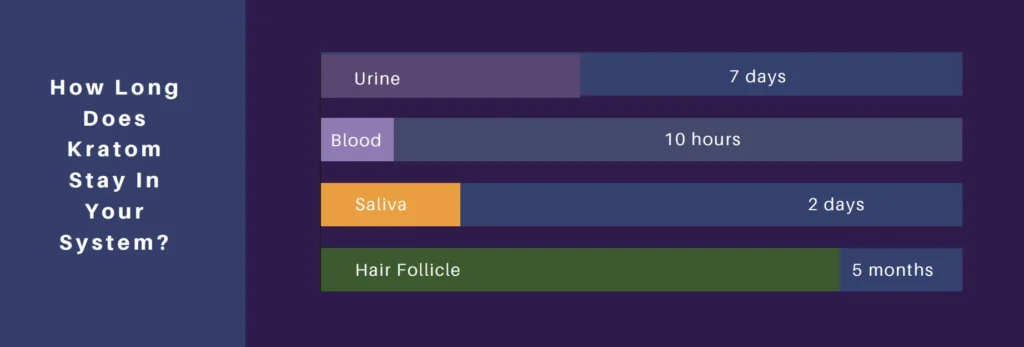
The drug testing method also plays a factor.
- Urine tests may detect the presence of Kratom for up to a week
- Kratom metabolites may appear for up to ten hours in the bloodstream.
- Traces of Kratom may be present in saliva for up to two days.
- Kratom traces remain in hair follicles for at least five months.
Legal and Employment Considerations
Kratom is not federally regulated in the United States. Hence, Kratom can’t be considered illegal at the Federal level. The FDA has yet to determine its safety as a prescription or over-the-counter product fully and will continue to warn the public about its risks.
Kratom can produce similar effects to opioids, including its addictive properties, hence its nickname: “gas station heroin. The Drug Enforcement Agency (DEA) classified it as a “drug of concern.” It is banned in six US states: Alabama, Arkansas, Indiana, Rhode Island, Vermont, and Wisconsin. Two cities recently joined the list: Tinley Park, Illinois, and Newport Beach, California.
Other states regulate Kratom. Eight states, Arizona, Georgia, Illinois, Minnesota, Nevada, Oklahoma, Texas, and Utah, prohibit sales to people under 18 and impose strict packaging requirements prohibiting flavoring and packaging that may appeal to children.
Eight other states have the standard minimum age requirement of 21: Colorado, Florida, Louisiana, Oregon, South Dakota, Tennessee, Virginia, and West Virginia.
Here’s a map visualizing the legality of Kratom in all 50 states.
Workplace Policies
The Drug-Free Workplace Act of 1988 called for Federal agency contractors to implement a ban on the use of illicit substances. Many companies impose drug testing before and during employment. Those implementing a zero-tolerance policy for all psychoactive substances can choose to conduct specialized drug tests detecting alkaloids of Kratom.
Kratom is not usually tested in standard workplace drug tests. However, it doesn’t mean all workplaces have no policies against it. This is because employers are not obligated to welcome Kratom use in workplaces, especially if it conflicts with workplace safety.
Additionally, if you’re someone using Kratom for medical reasons, the Americans with Disabilities Act (ADA) right might not legally protect you. The core logic of this falls on the FDA not considering Kratom as a form of treatment solution.
Some employers may have heftier sanctions for a failed test, such as employee dismissal. However, others may reconsider, pending a reasonable, verifiable explanation.
Kratom and DOT (Department of Transportation) Testing
According to the Federal Motor Carrier Safety Administration or FMCSA, the Department of Transportation requires testing for five drugs: THC, cocaine, opiates, amphetamines, methamphetamines, and PCP. Kratom has not been included on the list.
However, companies may impose their respective regulations and policies. Those located in states where Kratom is entirely illegal are likely to implement the same strict bans.
Can You Be Tested Specifically for Kratom?
Kratom may be federally illegal in the United States, but it isn’t included in the banned substances list alongside cannabis, cocaine, methamphetamines, and PCP. So, if you want specific detection for the drug, you may want to go for specialized testing.
Specialized Testing
Specialized drug tests like chromatography can detect substance metabolites at very low concentrations because of their sensitivity. In the case of Kratom, these methods specifically look for the two primary 7-OH and mitragynine.
Chromatography is also reliable because it quantifies the drug metabolites in a sample. This can provide insight into a person’s substance use history and frequency.
Employers can use chromatography if they want extensive results, and law enforcement can also rely on this technique for in-depth investigations.
How to Request Kratom-Specific Testing?
Organizations and individuals can request a drug test that specifically detects Kratom. Employers may require pre-employment screenings for applicants to help deter substance abusers. This practice is common in companies with employees working in safety-sensitive environments like construction.
Step 1. Before a company or individual can implement drug testing, they must draft a policy that complies with state or federal laws. From there, they must provide a notice of intent to notify the testees.
Step 2. Upon filing a notice, they must request written consent from the employee or applicant, who can refuse to undergo testing. However, they are putting themselves at risk for termination or the withdrawal of a job offer, especially in industries where a drug-free workplace is necessary.
Step 3. Once they’ve reached an agreement with the individual, employers can then select an accredited drug testing site.
Is Kratom Addictive, and Can You Be Tested for Dependence?
Kratom’s symptoms are similar to opioids, with effects ranging from drowsiness to euphoria, depending on the dosage. Therefore, it can be a highly addictive substance when taken out of control.
A 2022 report revealed the case of a 38-year-old woman with a history of major depressive disorder and her Kratom addiction. She admitted to taking “large amounts” regularly, consuming up to five to six tablespoons daily.
Kratom Dependency
Because of its highly addictive nature, people who become hooked on Kratom may experience withdrawal symptoms. The woman in the report went through agitations, anxiety, shaking, and spasms of her extremities whenever she wasn’t on it.
Other symptoms may include loss of appetite, disturbed sleeping patterns, nausea and vomiting, hot flashes, and diarrhea, to name a few.
One silver lining is that deaths related to Kratom abuse and misuse are so far rare. According to American Addiction Centers, only 11 deaths have been linked to the substance between 2011 and 2017.
Can Employers Test for Kratom Abuse?
Employers have the prerogative to test an employee for Kratom abuse and dependency as it can potentially affect work output and the relationship with colleagues. They can have the suspected individual undergo the specialized tests we previously mentioned.
Kratom addiction can manifest in several ways. Some people may neglect their responsibilities and show a decline in productivity, which may be more evident in the workplace. Others may engage in risk-taking behaviors, lack interest in recreational or social activities, or show a significant loss of appetite.
Hyperpigmentation is also a noticeable symptom of Kratom addiction. These are common among people who take the substance in higher doses.
While these symptoms may vary between people, there are some apparent signs employers can look out for.
How to Avoid Testing Positive with Kratom
Avoiding a drug test failure for any substance, including Kratom, is more about preventive measures. This means controlling your usage and limiting it to its therapeutic potential. But here are some ways to prevent experiencing the headaches of a failed test.
Honesty About Usage
If you’re working in a company with strict regulations against the use of illicit substances, being open about your history with Kratom may help alleviate the consequences.
Inform your employer about your Kratom use, whether for boosting energy levels or pain relief. Some may even use it to cope with withdrawal symptoms from opioid abuse.
As long as you’re not abusing the substance, you may justify your need for Kratom as a supplement.
When to Stop Using Kratom
Companies that impose drug screening may do it randomly or announced. Dealing with the former may be trickier since it will catch you off-guard. However, you may have a better chance of avoiding a test failure with the latter by tapering down your usage.
Most employers will likely go for a urine test since it is the universal method for drug screenings. In Kratom’s case, it may remain in the body for up to a week from consumption. You can give yourself a couple of weeks off from the substance to increase your chances of being in the clear.
However, your best option would be to control your doses. Keep your intake within the lower range. Doing this not only spares you from possible failures but also helps you reap its perceived benefits without the risk of falling into the pit of addiction.
Alternatives to Kratom if Drug Testing is a Concern
If you’re looking to avoid the hassles of a drug testing problem because of Kratom use, you can choose other alternatives. These options may provide the same therapeutic relief.
CBD
Similar to Kratom, cannabidiol (more popularly known as CBD) is derived from a plant. The Hemp Doctor sells high-quality CBD products, including edibles, organic tinctures, topicals, and flowers.
You can also purchase pet-friendly CBD products coming in soft gel capsules, oils, treats, and peanut butter.
-
Back in Stock
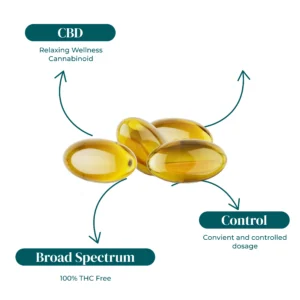
REVIVE | Broad Spectrum CBD Softgels | THC Free
$79.95 — or subscribe to save 25%Shop Now This product has multiple variants. The options may be chosen on the product page -
Buy More Save More
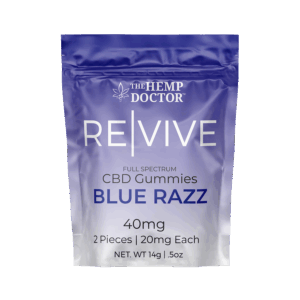
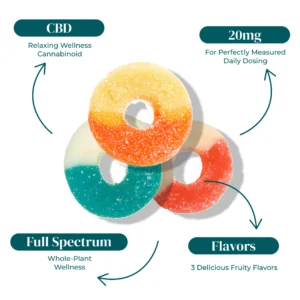
REVIVE | CBD BLUE RAZZ GUMMIES | 20MG
Price range: $2.99 through $35.00 — or subscribe to save 25%Shop Now This product has multiple variants. The options may be chosen on the product page -
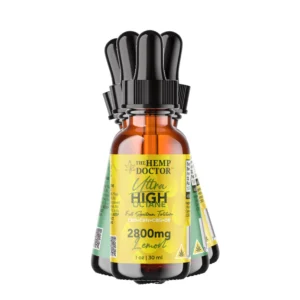
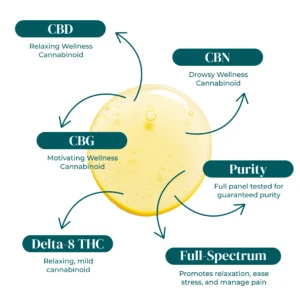
CBD:CBG:CBN FULL SPECTRUM HIGH OCTANE TINCTURES | 30ML
Price range: $59.95 through $89.95 — or subscribe to save 25%Shop Now This product has multiple variants. The options may be chosen on the product page
Non-Opioid Pain Relievers
Instead of using Kratom for pain relief, you can also go with non-opioid alternatives that won’t give you issues when the need for a drug test arises.
Ibuprofen, aspirin, and non-steroidal anti-inflammatory drugs are available over the counter. However, you may need to consult a doctor since some of these drugs may carry restrictions.
Final Thoughts
The US government has yet to impose an official sanction on Kratom. Thus, it remains in the gray area when it comes to restrictions. However, because of its addictive nature and potential for abuse, many states have imposed a ban on its use.
Kratom won’t show up in drug tests, but companies and law enforcement agencies can call for a specialized test to detect its two primary alkaloids. If you’re concerned about drug testing, you may need to know its detection time. Likewise, limiting the doses to a reasonable amount may also help.
FAQs
Does Kratom show up on a 5-panel drug test?
No, it won’t. The 5-panel drug tests only detect the five controlled substances, namely cannabis, cocaine, opiates, amphetamines, and PCP.
Will Kratom make me fail a DOT drug test?
No. The DOT only tests for alcohol and the five substances mentioned above. For alcohol, tests can detect minimum concentration levels of 0.02.
How long before a test should I stop using Kratom?
It depends on the type of test. If you’re undergoing a urine test, the standard for most screenings, give yourself a one-week window without intake.
Can Kratom cause a false positive for opioids?
Yes, Kratom may cause a false positive for opioids like methadone. This usually happens when screenings detect high concentrations of the drug.
Is it legal for employers to test for Kratom?
Yes, employers can legally conduct specialized tests for a substance like Kratom. This especially applies to companies like construction, which requires its employees to be substance-free.
Can rehab centers test for Kratom use?
Yes. Rehab centers can test for Kratom use, especially if it has been abused and caused heavy repercussions for the individual.
What does Kratom show up as on a drug test?
Mitragynine and 7-hydroxymitragynine.
Does Kratom show up on a 10 panel drug test?
No.
Does Kratom show up on a 12 panel drug test?
No.
Does Kratom show up on a dot drug test?
No. The DOT drug test only tests THC, cocaine, opiates, amphetamines, methamphetamines, and PCP.
Does Kratom show up on a hair drug test?
Yes, especially if the test was specifically designed to detect Kratom alkaloids.
How long does Kratom show up on a drug test?
Kratom remains in the body for up to 24 hours after consumption.
Does Kratom show up on a military drug test?
No, but the Department of Defense (DoD) has banned Kratom use among its military personnel.
Does Kratom show up in a urine test?
Potentially.