Do CBD Gummies Expire? What Every Buyer Should Know


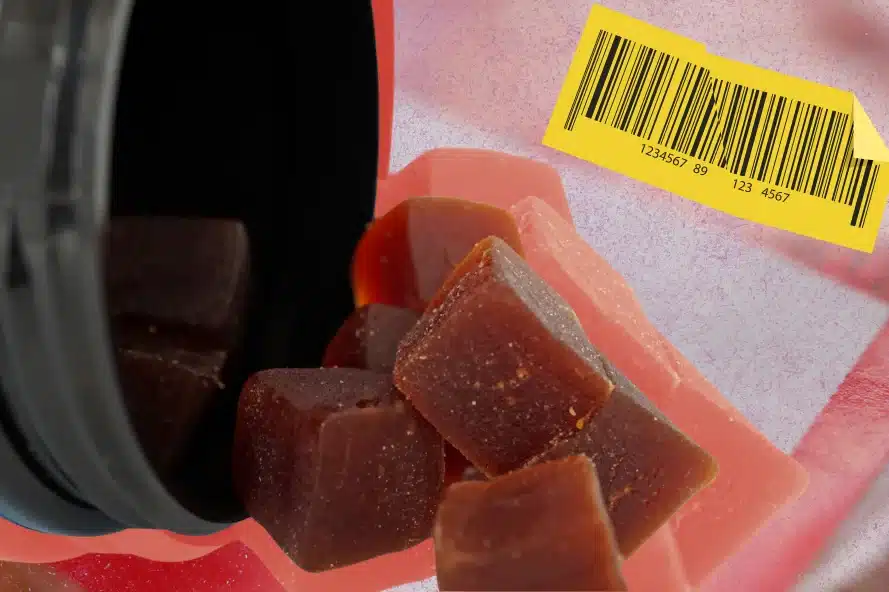
Assuming you don’t have a sugar sensitivity, gummies are one of the most accessible and beginner-friendly ways to start exploring hemp and cannabidiol (CBD), the plant’s dominant compound.
CBD products gained traction rapidly after the 2018 Farm Bill’s passage. While research into their properties and potential health benefits is still relatively early, avid users find CBD helpful in promoting a sense of calm and a balanced feeling.
But nothing good lasts forever. Although it’s always wise to check the expiration date first, CBD gummies aren’t guaranteed to last until that estimate date. They can spoil well before (or if you’re fortunate, a bit after) then, but they all expire eventually—regardless of the brand or conditions in which they’re stored. There are, however, ways to maximize the lifespan of your gummies.
To help you understand why that happens (and how to slow it down), this article has been medically reviewed by Dr. Bianca Villanueva, who also shares expert notes throughout the guide.
Keep reading to recognize signs that your CBD gummies have gone bad, as well as ways to prevent them from spoiling prematurely.
🔑 Key Takeaways
- CBD gummies typically expire 12-18 months after manufacturing, though choosing high-quality products and storing them properly can extend freshness.
- Heat, sunlight, moisture, and oxygen are the primary factors that accelerate CBD gummy degradation.
- Expired gummies lose potency and may develop mold or an unpleasant taste and texture.
- Store your CBD gummies in airtight containers in cool (60-70°F), dark, dry locations to maximize shelf life.
- Always verify expiration dates and trust your senses.
Why Freshness Matters in Consuming CBD Gummies?
If your CBD gummies aren’t fresh, you’re missing out on some of the product’s core benefits. Consuming them isn’t going to be a pleasant time, either.
We’ll cover the specifics later on, but ultimately, you’ll want to keep in mind that food ingredients—sugar, pectin, and so on—spoil, and CBD breaks down over time. Either one of these ingredients spells the demise of your gummies. Storage practices can also make a notable difference.
Expired CBD edibles aren’t nearly as potent as in-date products, either, and you aren’t going to receive the same potential benefits (even if consuming them feels like the cost-effective or less wasteful option). CBD oxidizes and degrades over time, gradually losing its effectiveness. This means you won’t experience the mentally and physically soothing effects you’re looking for.
That’s not even accounting for the possible health risks. While you’re unlikely to get dangerously ill after eating expired gummies, foodborne illness is a possibility, as it is with any expired food product. Plus, you probably won’t appreciate the unpleasant taste or consistency. Stick to fresh CBD gummies.
How Long Do Gummies Typically Last?
It depends, but as a general rule of thumb, CBD gummies will remain at their freshest for nine months to a year. After 18 to 24 months, there’s a slim chance your gummies are at their prime already (or anything close to it).
Here’s the thing. Every CBD brand makes its gummies a little differently. So, if you’re wondering how long your batch will stay fresh, start by checking the expiration or “best by” date provided by the gummies’ manufacturer, or even the manufacturing date. Either piece of information can give you a clearer sense of how long your gummies will last. It may not be the whole picture, but it’s a strong start.
With proper storage, CBD gummies can last as long as CBD capsules (one to two years), though CBD oil and tincture may have a slightly longer shelf life due to the lower amount of perishable ingredients they contain. Hemp flower typically has a shorter optimal window. Regardless of format, any of these products can spoil within a couple of months if kept in undesirable conditions.
CBD Gummies Shelf Life by Type: Isolate, Broad-Spectrum, and Full-Spectrum
Depending on the type of CBD oil your gummies contain, their chemical composition can vary. These nuances could also influence shelf life.
There are three types of CBD gummies, at least as far as cannabinoids and terpenes are concerned: isolate, broad-spectrum, and full-spectrum.
Isolate CBD Gummies (More Than 18 Months)
Isolate gummies contain, well, isolated CBD. These gummies feature a filtered CBD extract and don’t contain the same trace cannabinoids, terpenes, and flavonoids you’d find in the unaltered hemp plant.
CBD isolate gummies could have a slightly longer shelf life than broad-spectrum or full-spectrum products (at least at max potency), due to the stability of pure CBD compared to other plant compounds. Isolate CBD is also free from additional plant compounds or terpenes, making it stable and less reactive.
Broad-Spectrum CBD Gummies (12-18 Months)
Broad-spectrum and full-spectrum gummies are similar, with one core distinction: THC content. Broad-spectrum gummies contain everything except for THC.
However, as Dr. Villanueva clarifies:
“Since broad-spectrum is processed to remove THC, there are TRACE amounts of THC, but they’re so few, they’re undetectable.”
The extra cannabinoid, terpenes, and other plant compounds contained in a CBD broad-spectrum formula make broad-spectrum CBD gummies more sensitive to degrading factors like heat and light.
Full-Spectrum CBD Gummies (9-15 Months)
Full-spectrum gummies feature the full range of cannabinoids and terpenes found in hemp, including THC (0.3% or less per dry weight). While this delivers the entourage effect, the inclusion of more plant compounds means faster degradation of the entire product.
Terpenes are highly volatile, meaning they’re among the first to break down when exposed to sunlight, heat, or air. Other compounds in the hemp plant also have varying levels of sensitivity, which makes them prone to degradation over time. Because of this higher volatility, full-spectrum CBD gummies tend to have the shortest shelf life compared to isolate or broad-spectrum varieties.
You almost certainly won’t get high off of full-spectrum gummies, although those sensitive to THC or with an upcoming drug screening might reach for the broad-spectrum alternative as a precaution.
| Type | Shelf-Life | Best For |
| Isolate CBD Gummies | 18–24 months | Those who want a pure CBD experience with a longer shelf-life. |
| Broad Spectrum CBD Gummies | 12–18 months | Those who want to avoid THC. |
| Full Spectrum CBD Gummies | 9–15 months | Users seeking the full entourage benefits. |
How Do Manufacturers Decide Expiration Dates of Gummies?
Have you ever wondered how manufacturers come up with expiration or “best by” dates printed on the packaging of CBD gummies or edible products in general? It turns out, there’s science to it.
CBD manufacturers rely on “stability testing” to estimate how long products will remain safe, potent, and palatable. This testing typically takes two forms:
- Real-time stability testing: In this method, products are monitored under normal, recommended storage conditions (cool, dark, dry environments) for the full duration of their expected shelf life. Other real-time tests extend longer than the product’s shelf life. Researchers will periodically test samples to check how the CBD gummies hold up in terms of potency, microbial safety, taste, and appearance. This provides the most accurate shelf life data but takes longer to complete, with some taking up to 2 years.
- Accelerated stability testing: To shorten the lengthy testing process, some manufacturers use accelerated stability testing. This is where products are subjected to extreme conditions (high temperatures, excessive light, and elevated humidity) to speed up the aging process and predict how they’ll degrade over time under real-world conditions.
Both testing methods examine three key factors: microbial stability (how safe the gummies are to eat), chemical stability (whether the CBD content remains within an acceptable range), and physical stability (changes in flavor and texture).
Ultimately, a product’s shelf life is determined by whichever ingredient of it expires first (it can be anything, from CBD extract to natural flavoring).
Factors that Speed Up the Process of CBD Gummies Expiration
Improper storage is the simplest way to speed up the process of CBD gummies going bad. CBD will degrade over time regardless of conditions, but certain environmental stressors significantly accelerate this process.
Four main variables can shorten your gummies’ shelf life. Each of these factors affects CBD and other gummy ingredients in unique ways (none of which are positive):
- Heat – Accelerates chemical breakdown.
- Sunlight – Triggers photodegradation.
- Moisture – Creates conditions for bacterial growth.
- Oxygen – Causes cannabinoids to oxidize and lose potency.
Extreme cold can also impact gummy quality, though differently from heat. While freezing can preserve gummies long-term, refrigeration may alter their texture, making them less enjoyable to consume.
Symptoms of CBD Gummies Spoilage
On the bright side, it usually doesn’t take much effort to identify spoiled CBD gummies, often before you even give them a taste.
Look
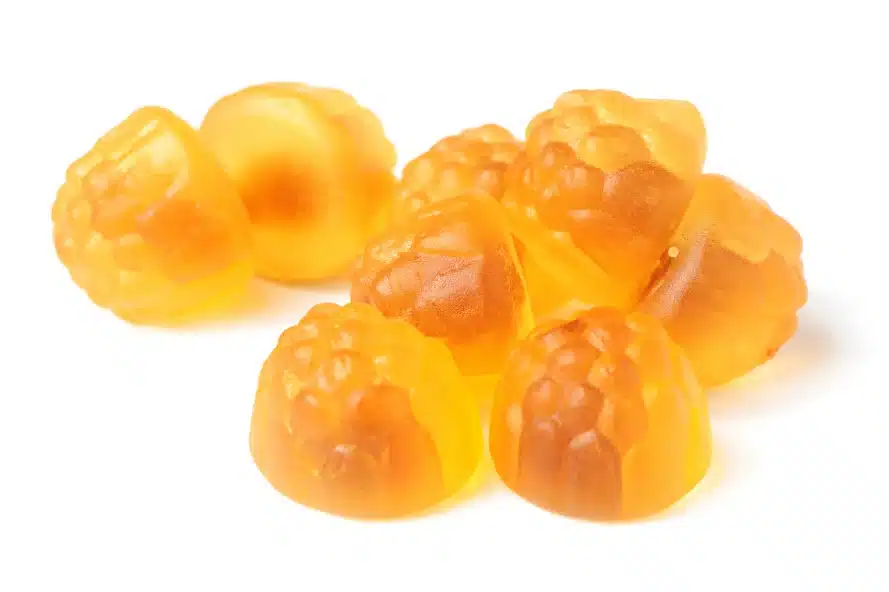
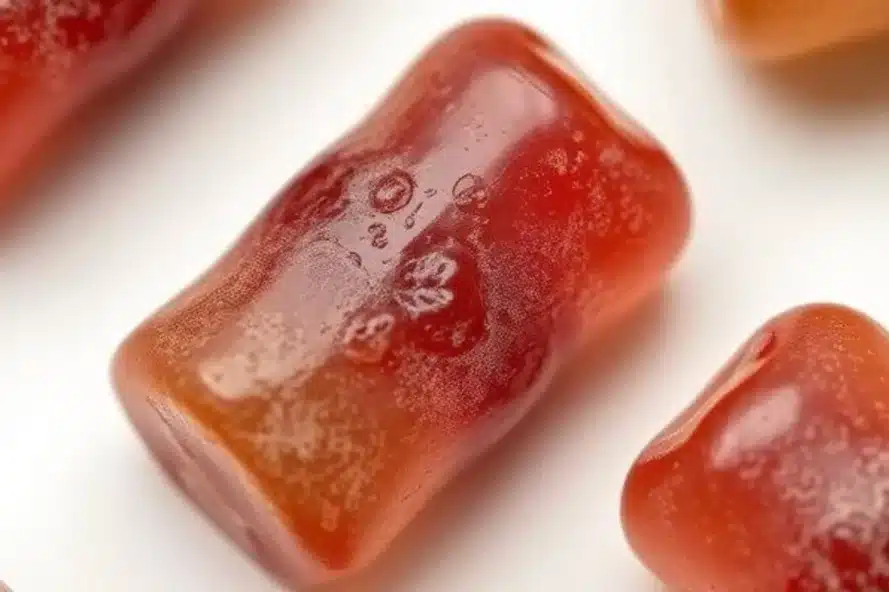
Discoloration is one clear signal that your CBD gummies are out of date. Food colorings may fade or shift over time, leading expired gummies to appear lighter or duller than a fresher product. White spots or fuzzy patches can point to mold growth.
Less concerningly, a whitish, powdery coating may simply be crystallized sugar. This could suggest a quality issue, not necessarily spoilage.
Taste
Since high-quality CBD gummies are made with natural ingredients and oils, they aren’t immune to tasting “off” as they age.
If you’ve had a gummy candy before, then you already have a general idea of what CBD gummies should taste like (minus a possible earthy or grassy note from hemp extract). Expired gummies can taste unusually bitter or stale due to the degradation of flavorings, sweeteners, or oils used to infuse the CBD.
To avoid eating CBD gummies that taste awful, try assessing the other variables first: appearance, smell, and the expiration date on the packaging. Any of these qualities could tip you off first.
Texture
If you find yourself struggling to chew a CBD gummy, it’s safe to assume it’s expired. Some CBD gummies develop a sticky or slimy surface if exposed to moisture for too long.
Depending on whether the gummy is made with pectin, a plant-based gelling agent, or collagen-derived gelatin, consistency changes might differ. Gelatin gummies tend to harden as they lose moisture or are stored in less-than-ideal conditions; meanwhile, pectin gummies are more likely to either crumble or become overly soft.
How to Find and Read Expiration Dates on CBD Packaging?
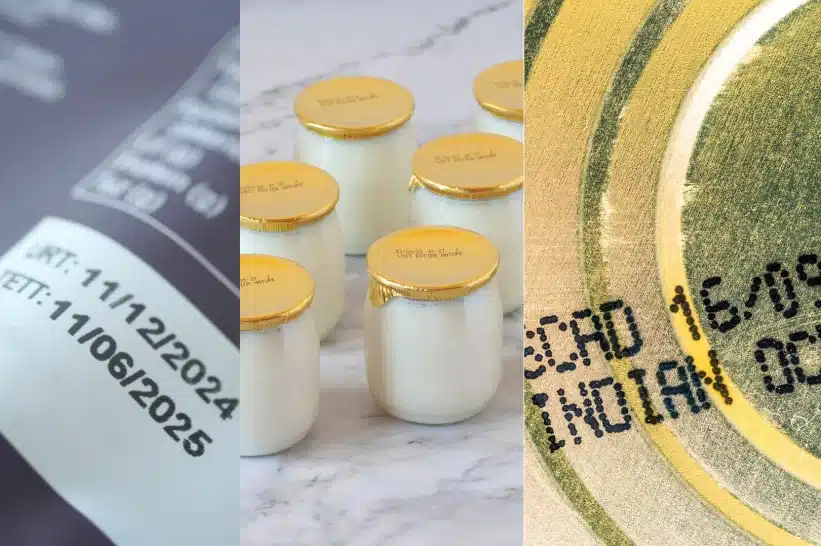
Given the current lack of federal regulation around CBD products, the United States Food and Drug Administration (US FDA) doesn’t require brands to include an expiration or “best by” date on their packaging—but some state governments will, including Indiana and Montana. Reputable hemp brands tend to be transparent about this information, regardless of location.
You’ll find your CBD gummies’ expiration date somewhere on the original packaging, if you still have it. Common locations include:
- Bottom of the container
- Back label
- Seal cap
Look for phrases like “best by,” “use by,” “expires,” or “EXP” followed by a date. Some products may instead list a manufacturing (MFG) date, or both. In those cases, you can generally add 12 to 18 months to estimate when the gummies may expire, though this varies by formulation and storage conditions.
If you don’t see an expiration date but can find the batch or lot number (often labeled as “batch,” “lot,” or “lot #”), check the brand’s website for the corresponding certificate of analysis (COA). While this isn’t a perfect solution, a batch-specific COA often includes a testing or production date, which can give you a rough sense of when the product was made.
How to Make Sure Your CBD Gummies Have a Legit Expiration Date?
To ensure that you’re buying CBD gummies with a legitimate, distant expiration date, you’ll want to choose high-quality products from reputable brands.
Only purchase CBD gummies from sellers with third-party testing. Beyond that, avoid heavily discounted products near expiration, as companies might run clearance sales to sell inventory before it expires. Recently manufactured products offer you more time to consume gummies at peak freshness.
Proper storage is, of course, important to keeping that date accurate on your end. We’ll explore best practices in the next section.
How to Properly Store CBD Gummies to Lengthen Freshness?
We’ve touched on it repeatedly throughout this article, and with good reason: storage practices can strongly impact how long your CBD gummies stay fresh, for better or for worse.
To extend the shelf life of CBD gummies, consider:
- Storing gummies in an airtight container: Oxygen degrades cannabinoids like CBD, reducing their potency over time. Keeping your gummies in an airtight container delays oxidation and the gradual potency loss that comes with it. Don’t forget to reseal the original packaging tightly, or transfer gummies to a jar with a secure lid.
- Avoiding direct sunlight: UV exposure—even in the short-term, but especially if it’s prolonged—is one of the quickest ways to degrade CBD. Ideally, you’ll want to keep CBD gummies in opaque or dark-colored containers away from windows or other sources of direct light.
- Keeping gummies at room temperature: High temperatures cause CBD to degrade, possibly even melting or misshaping your gummies. Temperatures between 60-70°F (15-21°C) are optimal. Your pantry is an ideal location, so long as children can’t reach them (CBD is a psychoactive, albeit not psychotropic, substance).
- Controlling moisture: Moist environments are where bacteria thrive. Store gummies in dry, low-humidity locations to prevent mold development. Avoid keeping them in bathrooms, near sinks, or anywhere moisture typically accumulates.
How Long Are CBD Gummies Good After Their Expiration Date?
Expiration dates tend to lean on the conservative side, so it’s entirely possible that your gummies will outlast this estimate—probably not by too much, though, especially if you want to unlock the full effects of CBD.
Many CBD gummies expire (officially) around a year after they were manufactured. Still, it’s possible that they’ll outlast this estimate, especially if they’re high-quality and receive minimal exposure to heat, sunlight, and moisture.
With that in mind, CBD gummies older than around 18 months are less than ideal, and you generally don’t want to bother with those over two years old. Even a product that tastes fine and hasn’t visibly spoiled has likely lost a good deal of its intended potency. You’re better off starting fresh with a new pack at that point.
The Timeline of CBD Gummies’ Potency and Effectiveness Before Expiration
At least currently, there doesn’t seem to be any peer-reviewed research examining the exact rate of potency loss in CBD gummies. How quickly they degrade depends on the factors we’ve discussed so far, including formulation, ingredients, and storage conditions.
To provide some context, a study on cannabis trimmings found that THCA-dominant flower can lose around 20 percent of its potency within the first 30 days, with the degradation rate slowing afterward. While this research’s subject is flower and not an edible, it helps show a point how cannabinoids naturally break down over time when exposed to light, heat, and oxygen.
Dr. Villanueva also notes from the study that, “trimmings will degrade significantly after 30 days regardless of storage conditions. But it is also true that good storage conditions are still important to preserve other ingredients as well.”
CBD gummies, however, differ significantly in composition. Because the cannabinoid is suspended in a dense, sugar-based matrix rather than exposed plant material, they are less vulnerable to light, air, and humidity, which might slow CBD’s breakdown. CBD is also less prone to degradation than THCA.
Rather than focusing on a specific timeline, it’s more practical to monitor how gummies are stored and how long they’ve been open. When kept in a cool, dark environment and consumed within a few months, most products are unlikely to suffer a steep loss in potency.
Is It Okay to Take Expired CBD? What Are the Risks?
It’s always in your best interest to avoid expired consumable products or supplements, CBD or otherwise.
As we’ve discussed with expired gummies, you’re going to experience both a loss of potency and unpleasant shifts in taste or consistency, as well as a risk of foodborne illness. But that doesn’t mean you should be ingesting expired CBD oil or hemp bud, either. Regardless of the form it takes and how you consume it, an expired CBD product probably isn’t going to offer the experience or effects you’re after.
Sure, it might feel wasteful to throw out CBD gummies before you’ve eaten them, but it could be a necessary sacrifice. Consider only buying quantities you know you’ll consume within a few months—that way, you won’t face the decision of whether to eat expired CBD edibles in the first place.
Repurposing CBD Gummies Past Their Expiration Date: Good or Bad?
Expired edibles won’t benefit you much if they’ve lost potency. If the gummies have spoiled or are moldy, you’re also putting yourself at risk of foodborne illness.
Rather than repurposing CBD gummies, it’s far wiser to dispose of them in a sealed container, possibly mixing them with something unappealing like coffee grounds or cat litter, and then throw them in the trash.
There really isn’t a safe or practical way to repurpose expired CBD gummies. You shouldn’t try to melt them down or cook with them, as heat and moisture can worsen bacterial growth and break down any leftover CBD. Your best option is to buy fresh gummies and take preventive storage steps next time around.
Keeping Your CBD Gummies Fresh for Longer
All CBD gummies expire eventually, but understanding proper storage and spoilage indicators can help you maximize their shelf life and effectiveness.
Store gummies in cool, dark, dry locations in airtight containers, and don’t forget to check the expiration date before purchase, whenever possible. Trust your senses if something seems off. While expired CBD gummies aren’t likely to endanger your health, they also won’t deliver the potency or experience you’re looking for. These products probably won’t taste that great, either.
Fresh CBD gummies are always the better choice.
At The Hemp Doctor, we keep our CBD gummies at their best by investing in high-quality resealable packs and tightly sealed, durable plastic containers. We designed our CBD gummies to last so you can enjoy every bite just as it was meant to be.
-
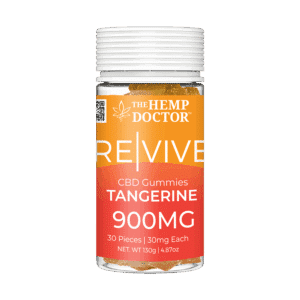
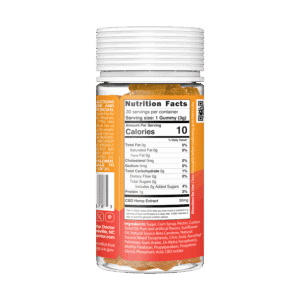
REVIVE | CBD GUMMIES | 30MG
$44.95 — or subscribe to save 25%Shop Now This product has multiple variants. The options may be chosen on the product page -
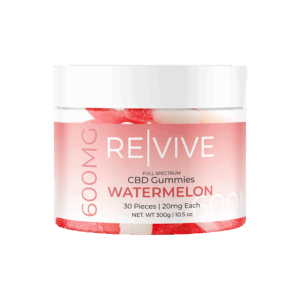
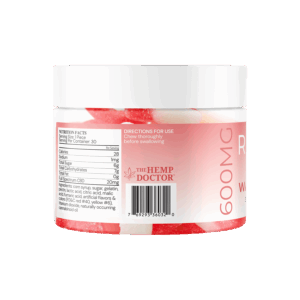
REVIVE | CBD WATERMELON GUMMIES | 20MG
Price range: $2.99 through $35.00 — or subscribe to save 25%Shop Now This product has multiple variants. The options may be chosen on the product page -
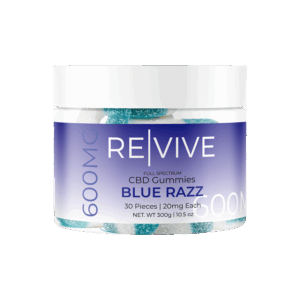
REVIVE | CBD BLUE RAZZ GUMMIES | 20MG
Price range: $2.99 through $35.00 — or subscribe to save 25%Shop Now This product has multiple variants. The options may be chosen on the product page