
CBD for Cats: What Veterinarians Want You to Know

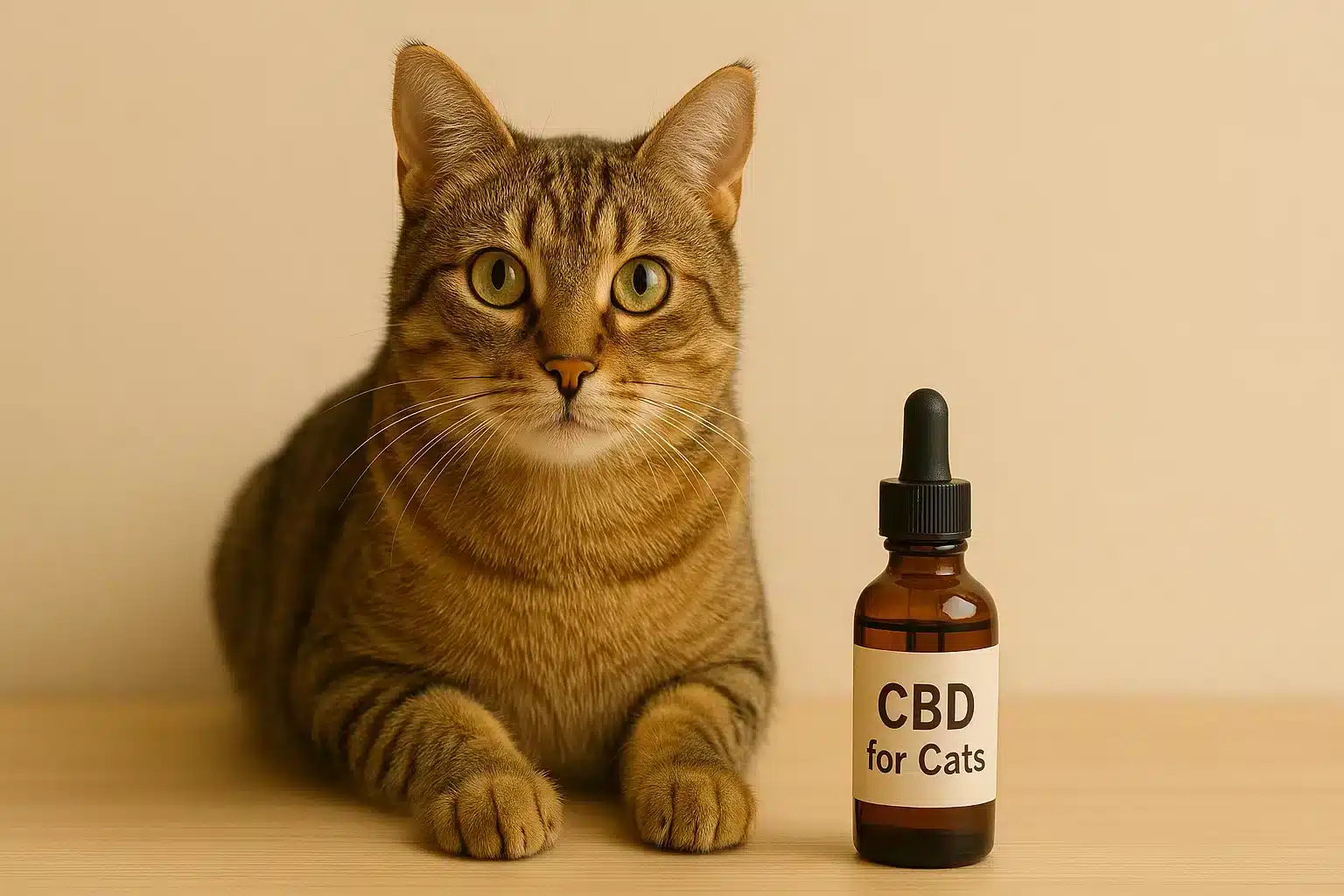
In the 2023 national survey published in the Journal of Small Animal Practice, CBD for cats has quietly entered the spotlight, with approximately 28% of US pet owners administering CBD to their pets.
One thing you should know about cannabidiol (CBD) for cats is that it deserves a closer look, especially now that more pet owners are discovering previously unconsidered options to care for their feline family members. And while that sounds great, there’s a lot of noise out there. Labels can be confusing, dosages unclear, and not every product is made with your cat’s safety in mind.
In this blog, we unspooled the opinions of vets about CBD: how CBD works for cats, what to watch out for, and how to choose a product you can actually trust.
😺 Key Takeaways
- In a study, 83% of dogs showed less stress after taking CBD. Cats may be next in line.
- Cats have an endocannabinoid system, just like humans and dogs.
- The FDA doesn’t approve CBD, but neither does catnip.
- Some cats prefer their CBD rubbed inside the ear rather than eaten.
Veterinarians’ Opinion About Cats Taking CBD
Veterinarians, in general, approach cat-formulated CBD with cautious interest. They know it’s not a cure-all or an FDA-approved product, but most can understand why owners are exploring CBD, especially for older cats. While research is still ongoing, many vets are acknowledging CBD, but the majority don’t prescribe it.
Vets must adhere to specific state standards when practicing medicine for pets, as they are licensed by a medical board in each state. Moreover, not every jurisdiction permits CBD for dogs and cats, let alone allows vets to prescribe it. Vets could face disciplinary actions or have their licenses revoked if they are found recommending CBD for their clients’ animals.
That said, some states don’t entirely forbid vets from discussing CBD in wellness capacity for animals as long as they don’t prescribe it.
Vets’ Opinions on the Positive and Negative Side of CBD for Cats
Here’s what some of the most trusted voices in veterinary care have shared.
Dr. Colleen Lambo, DVM – The Vets Mobile Clinic
“CBD, or cannabidiol, is a natural compound found in hemp plants. It has become popular for its potential health benefits in both humans and pets. For pets, CBD is commonly used to help with issues such as anxiety, pain, inflammation, and seizures.”
Source: New York Post
Dr. Gary Richter, DVM – Holistic Veterinary Care, Oakland, California
“As a general rule, hemp-based CBD products are safe. While CBD products from marijuana (which contain THC) do have medical applications, even when combined with one another, potential risks are enormous.”
Source: Reader’s Digest
Dr. Amy Savarino – Texas A&M College of Veterinary Medicine
“CBD, unfortunately, has demonstrated potential drug interactions with other medications that a pet might be taking, so you should first discuss what product you are going to give with your veterinarian to confirm that all of the medications are safe to give concurrently.”
Source: Texas A&M
-
doctor recommended
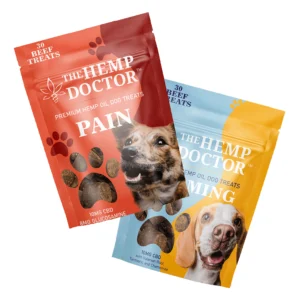
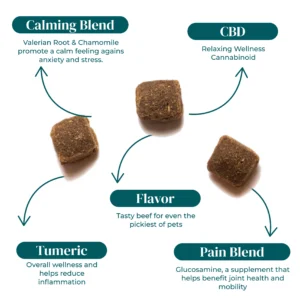
RUGER | 10MG CBD PET SOFT BEEF TREATS | 30CT
$24.95 — or subscribe to save 25%Shop Now This product has multiple variants. The options may be chosen on the product page -
Sale!
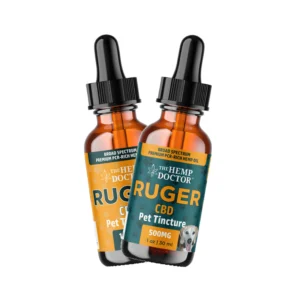
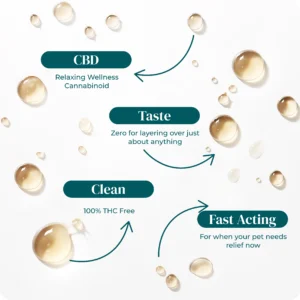
Organic CBD Pet Tincture
Price range: $8.74 through $16.49 — or subscribe to save 25%Shop Now This product has multiple variants. The options may be chosen on the product page -
Are CBD Products Formulated for Cats FDA-Approved?
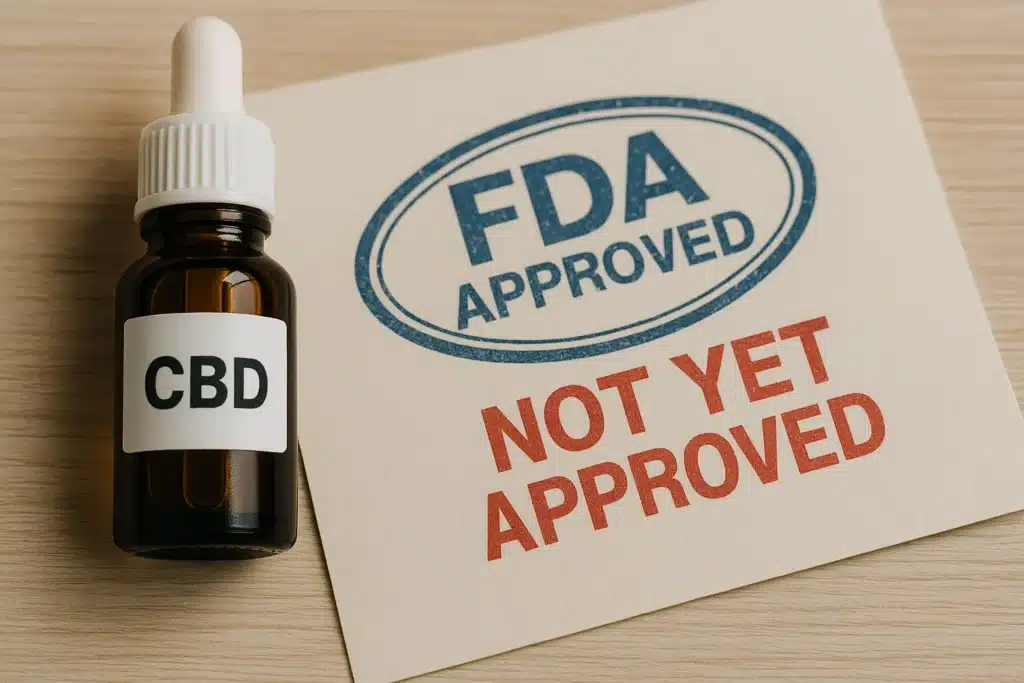
The FDA hasn’t approved any CBD products for pets, including cats. But that doesn’t automatically diminish the potential of it being considered. It just means they haven’t completed the formal drug approval process yet. That process is long, expensive, and requires loads of clinical trials, something most supplement companies just can’t afford.
Think of it this way: not everything you give your cat is FDA-approved. Catnip isn’t. Neither are some herbal supplements nor calming chews. CBD falls into that same gray area. It’s not officially a drug, but it’s sold as a supplement. Some are just made with more care than others. Which is why being a picky shopper matters.
“One of the things that I always tell people, particularly if it’s a pet owner that’s out there sort of in the market, they’re like shopping for medical cannabis products. What I often tell people to do is, you always want to ask for something called a certificate of analysis,” says Dr. Gary Ritcher, a veterinary cannabis expert. “If they don’t give it to you, find a new product,” he adds.
So, should you completely avoid CBD because it’s not FDA-approved? It’s up to you as the pet owner. CBD for cats is still a new and growing field. It’s not officially approved, and most people use it for elderly cats or when all other options have been exhausted.
What Does CBD Do for Cats?
A 2024 study published in the Journal of Animal Wellness found that CBD was well-tolerated by healthy cats, with no serious side effects reported. The study gave cats varying amounts of hemp-derived CBD and monitored their behavior, appetite, and vital signs. The results were encouraging and added to the growing belief that CBD warrants further study for cats’ well-being.
CBD is extracted from the hemp plant, and unlike Delta-9 THC (the compound that causes a “high”), CBD is non-intoxicating. It won’t get your cat stoned. Many cat owners and holistic vets have shared stories of how CBD helped their pets feel better in day-to-day life. While research is still catching up, early signs are encouraging.
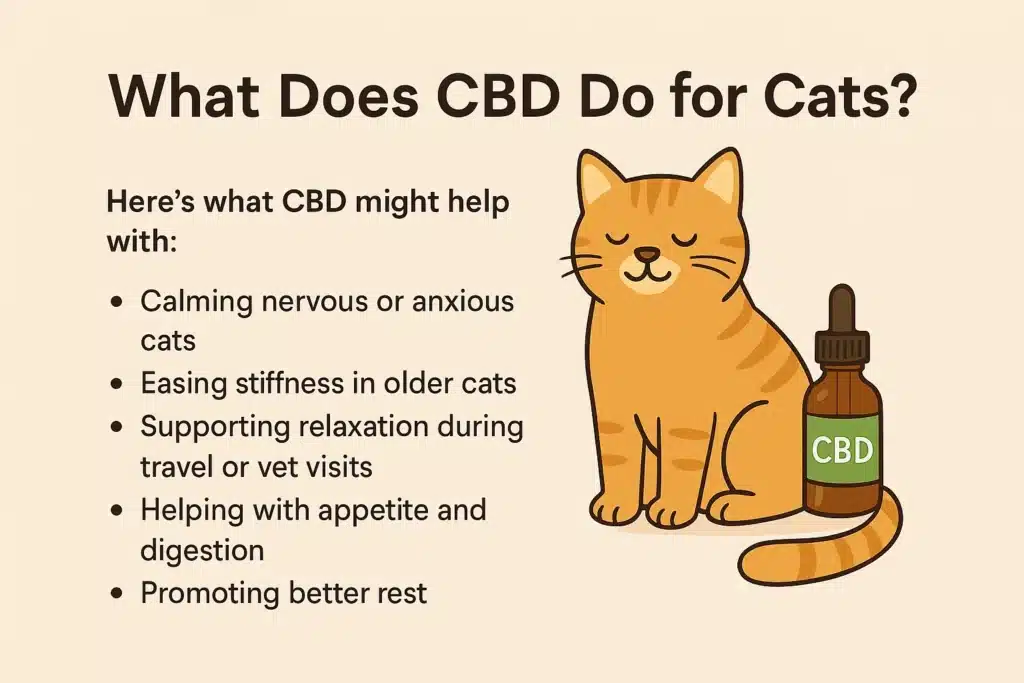
Remember the kelp craze? Over the years, cat supplement trends have included everything from powdered seaweed to calming pheromone collars to fish oil drops with more hype than help. You’ve probably seen shelves lined with products promising to turn your cat into a picture of perfect health, complete with adorable packaging and catchy names. While some trends come and go like a puff of catnip dust, CBD is sticking around for good reason.
What makes the CBD trend different is the growing wave of real-life stories from pet owners who’ve seen their anxious, achy, or finicky cats feel more at ease. As with anything, it’s all about using it thoughtfully and paying attention to your cat’s unique needs.
How Does CBD Work in Cats?
Believe it or not, your cat has a built-in system that helps keep everything running smoothly, from mood to energy levels to digestion. It’s called the endocannabinoid system, or ECS for short. And just like humans and dogs, cats have it too.
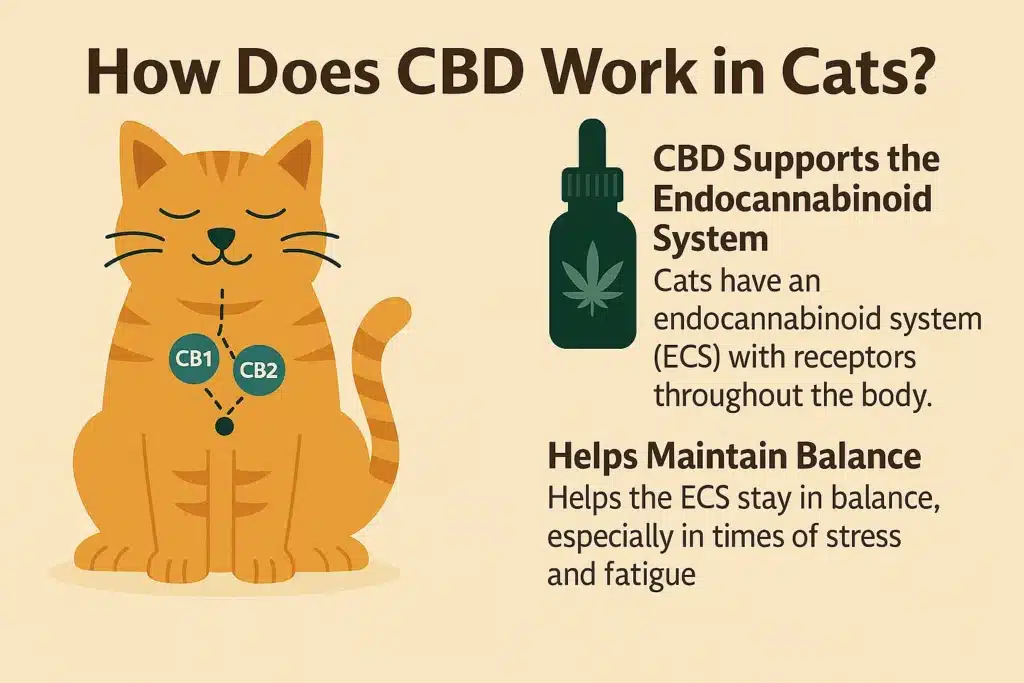
This system is made up of tiny receptors that act like traffic signals. They help the body know when to slow down, when to speed up, or when something’s a little off.
CBD doesn’t jump in and take over; it works more like a helpful traffic officer, gently nudging those signals in the right direction.
CBD made from hemp is especially popular because it contains little to no THC (the stuff that causes a “high.) That means your cat can enjoy the benefits of CBD without acting loopy or spaced out.
What makes this so exciting is that the ECS is involved in so many everyday functions. So when CBD steps in, the results can appear in small but significant ways.
Whether it’s helping your anxious kitty chill out during a thunderstorm or helping an older cat feel a bit more lively, CBD works behind the scenes, quietly, gently, and without any fuss.
How Is CBD Administered to Cats?
Giving CBD to your cat doesn’t have to be a battle of wills. Today’s pet market offers several cat-friendly options, so you can choose the one that best suits your feline’s taste and temperament.
CBD Oil for Cats
This is by far the most common and versatile form. CBD oil comes in a small bottle with a dropper, allowing for precise control over dosage.
Some cat parents place a few drops directly under the tongue (sublingual application), which is absorbed quickly. But let’s be real. Not every cat will sit still for that. If your cat resists, simply mix the oil into wet food or drizzle it over a treat.
Another option is rubbing it gently inside the ear flap, where it can be absorbed through the skin. For best results, look for a broad-spectrum CBD oil made specifically for pets, without THC or artificial additives.
CBD Treats for Cats
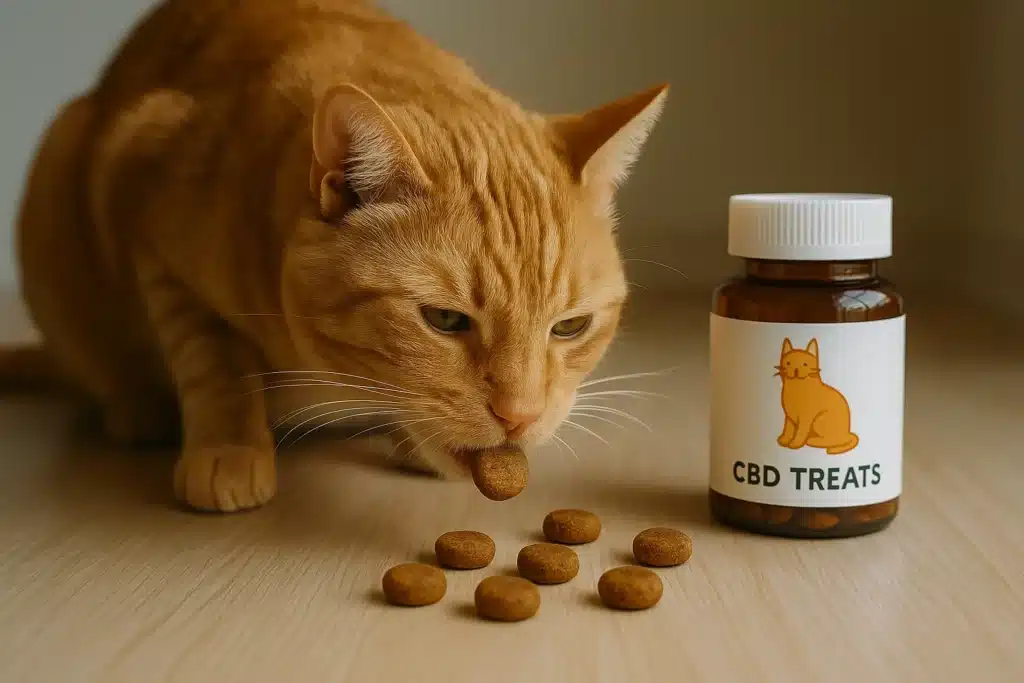
CBD-infused treats are perfect for cats who turn up their noses at oils. These are pre-dosed and come in flavors that appeal to feline taste buds, like salmon, chicken, or tuna. Not only are they convenient, but they also make giving CBD feel like a reward instead of a routine. Some brands even include soothing ingredients like valerian root or L-theanine for an added calming effect.
CBD Gummies for Cats
While less common, CBD gummies or soft chews are starting to pop up more on the market. These are chewy, flavored bites that are easy to portion and store.
If you go this route, make sure the product is specifically labeled for cats and doesn’t contain xylitol, excess sugar, or other ingredients that could be harmful. The label should clearly state the CBD content per gummy to avoid dosing guesswork.
Quickly glance at this table to compare CBD products side by side.

No matter the format, start with a low dose and monitor your cat’s response. Because every cat is different, what works for one may not work for another. And always talk to your vet before introducing CBD, especially if your cat is on medication.
The right product and delivery method make all the difference in your cat’s comfort and results.
Do Vets Recommend CBD Oil?
No, most vets in the US are not allowed to recommend or prescribe CBD oil for cats. But in states like California, where vets discuss (not prescribing—there’s a clear line) CBD for cats is allowed, pet owners can have more open conversations with their veterinarians about potential options.
Discussions often focus on CBD oil quality, dosing guidance, and safety, empowering cat owners to make decisions. However, not all vets know the nuances of CBD oil for cats.
In a 2019 survey of over 2,200 veterinarians, where 96% of vets were asked about using cannabis or hemp for pets, more than half said they didn’t feel fully prepared to have that conversation. It’s not that they’re against it, but many don’t have sufficient knowledge on how CBD for pets works.
As research grows and more vets get trained in this area, CBD oil will become less of a mystery and more of a meaningful option for everyday cat care.
Should You Give CBD for Your Cat’s Behavioral Issues?
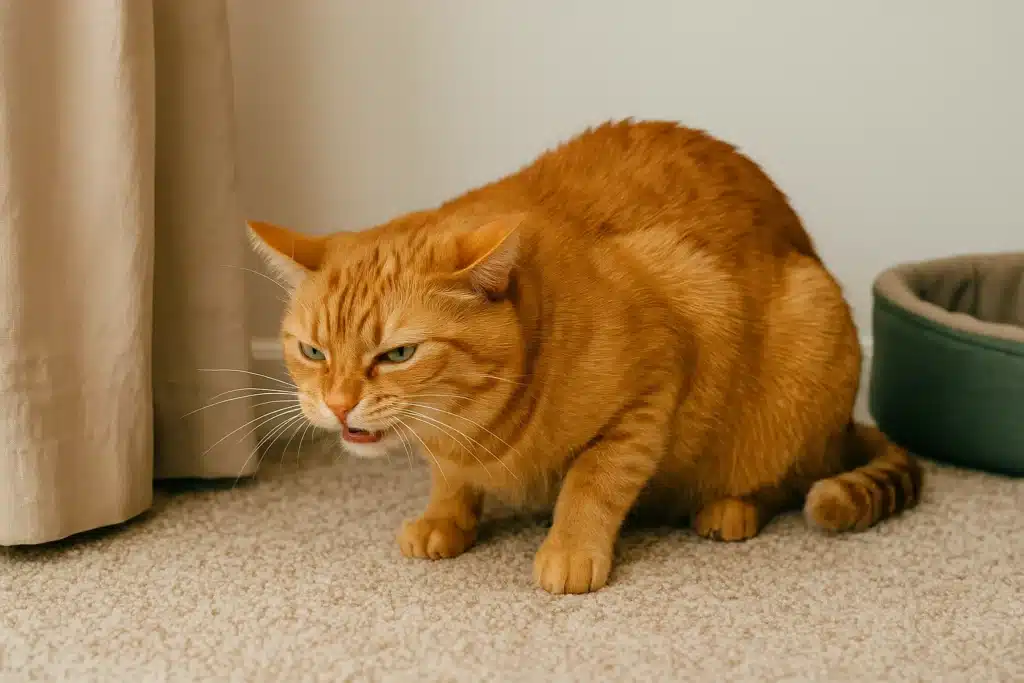
If your cat hides under the bed for hours, grooms obsessively until patches of fur disappear, or hisses at visitors for no apparent reason, you’re not alone. Many cat parents face similar challenges and wonder if CBD could help. The decision lies with you, the cat owner.
While CBD is not guaranteed to help with cat behavior issues, early signs are promising. For example, a recent study on dogs given a CBD chew before a stressful event showed that 83% exhibited less stress or anxiety-related behavior. While the study focused on dogs, it also opened the door to understanding how CBD could help cats with behavioral issues.
Anecdotal stories from cat owners paint a similar picture. One pet parent on Quora shared, “We took several long trips with our cat last year. On the move, we gave her CBD, and she did great on a three-day trip. On a 10-hour trip, we forgot it—and she was far more stressed out than on the longer trip.”
Beyond CBD, adopting calming strategies, such as those below, can help:
- Create safe spaces with cozy beds or hideouts.
- Use calming diffusers like Feliway to mimic feline pheromones.
- Keep a steady routine so your cat knows what to expect.
- Reward calm behavior with gentle praise or treats.
- Schedule daily playtime to burn off nervous energy.
CBD Dosage for Cats: How to Give Enough Without Overdoing It?
When it comes to CBD for cats, the correct dose depends on your cat’s weight, sensitivity, and what you’re treating. A generally good starting point is 1–2 mg of CBD per 10 pounds of body weight daily. Begin with the lower end and increase gradually over a few days.
Dr. Trina Hazzah, co-founder of the Veterinary Cannabis Society, explains that even though healthy cats can tolerate high doses of CBD, it’s always best to go slow. “Start low and go slow,” she says, especially if you’re trying to find the right dose for your individual pet.
Stick with pet-specific products. Tinctures are helpful for precise dosing, but some cats don’t like the smell. If that’s your cat, try treats or soft chews instead. You’ll still get the benefits with less fuss.
Here’s a helpful table to guide you on how to start dosing CBD for pets.

What Should You Do if Your Cat Misses a Dose?
Missing a dose of CBD isn’t something to stress about. It happens, and it won’t harm your cat. If you forget to give a dose, just wait until the next scheduled time.
Avoid doubling up to “make up” for the missed dose. Giving too much CBD at once could lead to mild side effects like drowsiness, an upset stomach, or changes in appetite. These aren’t typically dangerous, but they can make your cat uncomfortable.
If you’re using CBD to manage something time-sensitive, like traveling with your cat or getting ready for a vet visit, get back on track with consistent timing. Otherwise, just pick up where you left off. The goal is to maintain a steady routine that fits both your cat’s needs and your schedule.
Can Cats Overdose on CBD?
Yes, cats can technically overdose on CBD, but it’s rare. An overdose results in temporary effects like extreme sleepiness, uncoordinated movement, or an upset stomach.
Symptoms of CBD Overdose in Cats:
- Extreme drowsiness
- Wobbly or uncoordinated movement
- Drooling or vomiting
- Diarrhea
- Lethargy or low responsiveness
What to Do:
- Stay calm and observe your cat closely.
- Do not give more CBD.
- Offer water and keep your cat in a quiet, safe space.
- Contact your vet for advice, especially if symptoms worsen or don’t improve within a few hours.
Cases of serious harm are uncommon, especially with pet-specific products and appropriate dosing. Still, giving too much, whether by accident or doubling a dose, can overwhelm your cat’s system.
Is CBD Safe for Cats?
The answer is not always yes. CBD is generally considered tolerable, especially when using pet-specific CBD products made from hemp, which contain very low THC and are free from harmful additives.
Choose products with a certificate of analysis (COA) from a third-party lab. This confirms the CBD amount and checks for contaminants like pesticides or heavy metals.
Avoid giving human CBD products, and stick with formulas made for pets. According to Dr. Hazzah, “The contamination testing limits for human patients may be completely different from those that are safe for animals.” Human edibles might also contain ingredients that are toxic to pets, like xylitol or chocolate.
When in doubt, check with your vet.
Potential Side Effects of CBD in Cats
Some cats tolerate CBD well without issues, especially when it’s introduced gradually. However, like any supplement, some mild side effects can occur, usually when the dose is too high or if your cat is extra sensitive. These may include:
- Drowsiness – Your cat may seem sleepier than usual.
- Dry mouth – You might notice increased thirst.
- Slight drop in blood pressure – Can cause temporary sluggishness or wobblyness.
- Digestive upset – Such as soft stool or vomiting, especially with larger doses.
These effects are typically short-lived. If they persist or your cat seems unwell, it’s best to stop giving them CBD immediately and consult your vet.
Starting with a low dose and watching your cat’s response can help prevent most issues.
Possible Severe Adverse Effects of CBD in Cats
Severe reactions to CBD are rare, especially when using high-quality, pet-specific products. However, in cases of overdose or contaminated CBD, some cats may experience:
- Extreme lethargy – Unusual sleepiness or unresponsiveness.
- Disorientation – Trouble walking or confusion.
- Vomiting – Especially if the product contains unwanted additives.
- Agitation or restlessness – A sign that the dose may be too high.
These effects are more likely when using products not meant for pets or those lacking proper lab testing. Consult your vet before adding CBD to the cat’s routine, especially if your cat nurses a health condition or takes medication.
Does CBD Interact With Cat Medications?
Yes, CBD can interact with medications your cat is taking. CBD is metabolized by the liver and may affect how your cat processes other medications. If your pet is on drugs like anti-seizure meds or steroids, don’t risk adding CBD to their intake routine.
What Is the Best CBD for Cats, Product-Wise?
The best CBD oil for cats checks a few important boxes:
- Derived from hemp – Legal and gentle on your cat’s system.
- THC-free or very low THC – Less than 0.3% to avoid psychoactive effects.
- Broad-spectrum or full-spectrum – For added plant benefits (without the high).
- Third-party lab tested – To verify purity, potency, and safety.
- Made specifically for pets – No artificial sweeteners or harmful ingredients.
Where to Buy CBD for Cats?
CBD for cats is widely available online and in some pet stores, but not all products are created with your feline’s safety and comfort in mind. When buying, prioritize brands that value quality, transparency, and clear labeling.
Reputable retailers like The Hemp Doctor offer all of the above, plus helpful dosage guidelines, competitive pricing, and a variety of formats tailored to pets of different sizes and sensitivities.
Browse the rest of The Hemp Doctor’s pet products line, from edibles to tinctures.
| Product | Format | CBD Per Serving | Best For | Price |
|---|---|---|---|---|
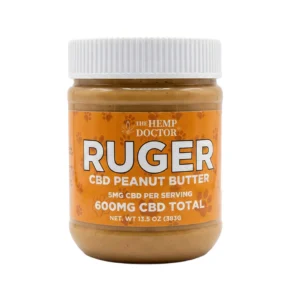
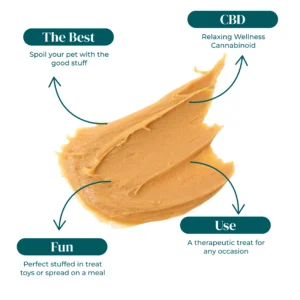
| Pet Peanut Butter – RUGER | Edible spread | Customizable | Daily use, fussy eaters | $44.95 |
| Pet CBD Softgel Capsules (25mg) | Capsules | 25mg per capsule | Large pets, precise dosing | $34.95 |
| Pet CBD Soft Beef Treats (10mg) | Chews (30-count) | 10mg per treat | Calming, travel, easy dosing | $24.95 or subscribe & save 25% |
| Organic Pet Tincture (500–1000mg) | Tincture (Oil) | Varies (dropper) | Flexible dosing, multi-pet homes | $40.00–$55.00 or subscribe & save 25% |
FAQs
| Disclaimer: Quotations from veterinarians do not necessarily reflect the views of The Hemp Doctor. Always consult with a licensed veterinarian familiar with your pet’s health before introducing any new supplement, including CBD. |