
Tangie Strain: Complete Profile Breakdown
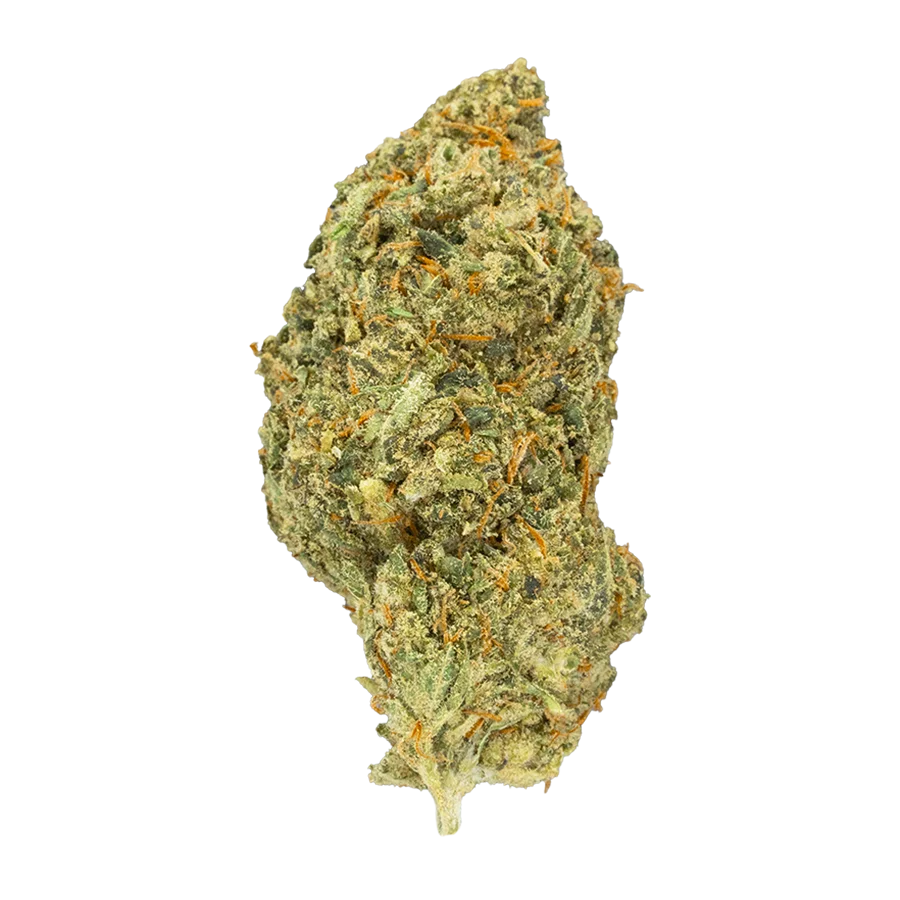
Tangie is a sativa-dominant hybrid known for its unmistakable tangerine aroma, bright citrus flavor, and upbeat daytime feel. The Tangie strain is commonly linked to California Orange and Skunk-style genetics, with its modern reputation tied closely to Crockett Family Farms, DNA Genetics, and Reserva Privada.
As a tangie weed strain, it became one of the defining citrus cultivars of the 2010s. Its orange-forward profile helped shape a larger family of fruit-heavy cannabis strains, including Sour Tangie, Clementine, Forbidden Fruit, 24K Gold, and Tangie-influenced descendants like Mimosa and Tropicana Cookies.
If you are comparing citrus strains, Tangie is the one that made “tangerine” feel like a strain identity rather than just a flavor note. Adult consumers usually choose it for a mood-lifting daytime experience, with strong flavor and aroma, a layered terpene profile, and a California Orange genetic backbone.
Tangie
THC
17% to 22%
Moderate-to-strong — citrus punch matches the potency
CBD
Below 1%
Flowering Time
9 to 10 weeks
Intensity
Moderate to strong
Strain Class
Sativa-dominant
Grow Difficulty
Intermediate
Terpenes
Flavor
Effects
Possible Side Effects
Lineage
Best For

“Tangie is one of those strains that stands out before you even light it. The nose is bright, sweet, and unmistakably citrus-forward, and the effects usually lean more upbeat than heavy. It is a great example of how flavor can become a strain’s identity.”
The Hemp Doctor CEO
Is Tangie Indica or Sativa?
Tangie is a sativa-dominant hybrid often described as roughly 70% sativa and 30% indica. It is not a pure sativa, but most adult consumers experience it as bright, mentally active, and more daytime-friendly than heavy indica strains.
That said, “sativa” does not mean the same experience for every person. A lower-potency Tangie batch may feel clear and functional, while a high-THC or terpene-rich batch may feel much stronger than expected. This is especially true if the profile leans high in terpinolene or has a very sharp citrus-skunk nose.
Compared with heavier indica strains, Tangie usually feels less physically weighted. Compared with the racier end of the sativa category, it can still carry some hybrid balance from its Skunk-family background and myrcene content.
-
Sale!On Sale
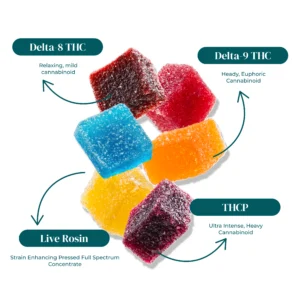
PHUK’D UP | THC BLEND GUMMIES | 420MG
Original price was: $39.95.$13.95Current price is: $13.95.Shop Now This product has multiple variants. The options may be chosen on the product page -
Sale!On Sale
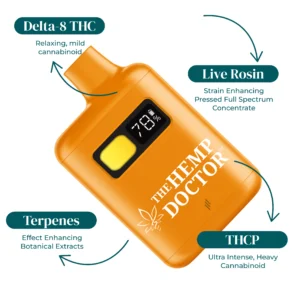
PHUK’D UP | THC BLEND DISPOSABLE VAPE | MEGA 6.5G
Original price was: $40.00.$20.00Current price is: $20.00.Shop Now This product has multiple variants. The options may be chosen on the product page -
Sale!On Sale
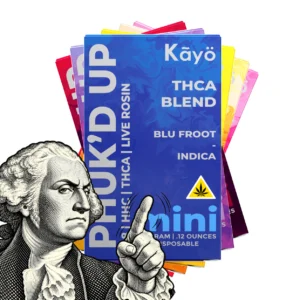
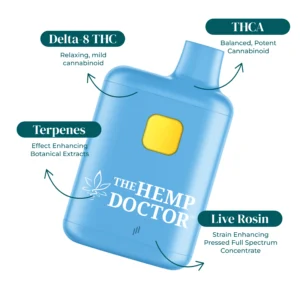
PHUK’D UP | THC BLEND DISPOSABLE VAPE | MINI 3.5G
Original price was: $25.00.$15.00Current price is: $15.00.Shop Now This product has multiple variants. The options may be chosen on the product page
Tangie Strain Genetics & Origin
Tangie is most commonly described as a cross of California Orange and Skunk-family genetics, often listed more specifically as California Orange × Skunk #1. Its modern popularity is closely associated with Crockett Family Farms, DNA Genetics, and Reserva Privada.
The goal behind Tangie was not simply to make another fruit-flavored strain. It was bred to revive the old-school citrus character of California Orange, sometimes called Cali-O, and bring that profile into a more modern, vigorous, competition-ready format. That is why Tangie can smell so much like fresh orange peel while still having the pungency, structure, and depth of classic cannabis genetics.
Crockett Family Farms played a key role in developing and popularizing the modern Tangie cut. DNA Genetics and Reserva Privada then helped bring Tangie to a broader international audience through Amsterdam seed distribution and brand visibility. In a market dominated by OG, Diesel, Kush, and Cookies lines, Tangie stood out because it was loud in a completely different direction.
Tangie Lineage Debate: Which Parents Are Correct?
Strain databases, retail menus, and seed-bank listings don’t always describe Tangie’s lineage the same way. That does not automatically mean one source is lying. It usually reflects how cuts, seed lines, breeder stories, and retail naming evolve over time.
| Source / Market Description | Reported Lineage | Editorial Note |
| Common strain database version | California Orange × Skunk #1 | Most widely repeated lineage |
| Crockett Family Farms story | Cali-O crossed with Skunk-family genetics and selected family stock | More nuanced breeder-origin version |
| CannaConnection / Reserva Privada listings | Tangie by Reserva Privada | Often reflects seed-bank distribution rather than original breeding only |
| Retail menus | California Orange × Skunk, Tangie, or Tangie OG | May vary by brand, cut, or local naming |
| Best editorial stance | California Orange crossed into Skunk-family genetics, popularized by Crockett and DNA Genetics | Most accurate consumer-facing explanation |
Parent Strain Breakdown
California Orange gives Tangie its retro citrus identity. It contributes orange peel, sweet citrus, old-school California flavor, and the tangerine-candy aroma that made Tangie famous.
Skunk #1 and related Skunk-family genetics add structure, vigor, pungency, and earthy depth. Without that side of the family, Tangie might smell like a simple fruit strain. With it, the citrus sits atop skunk, herbs, earth, and light pine.
Tangie Awards and Market Reputation
Tangie became famous partly because it performed well in cannabis competitions and seed-bank circles. Industry sources widely cite multiple contest appearances and award placements through the early 2010s, which helped move Tangie from breeder favorite to global citrus icon.
Awards do not guarantee every current Tangie batch will be excellent. Genetics are only the starting point. Cultivation, harvest timing, cure, storage, and lab-tested potency all shape the final flower.
| Year | Award / Recognition | Why It Matters |
| 2011 | Early Cannabis Cup recognition reported by industry sources | Helped introduce Tangie to a wider audience |
| 2012 | Colorado Cannabis Cup recognition reported by industry sources | Built credibility in competitive flower markets |
| 2013 | Best Sativa recognition reported by strain sources | Reinforced Tangie’s sativa-dominant identity |
| 2014 | Best Overall Flower / Cannabis Cup recognition reported by industry sources | Helped cement Tangie’s reputation as a top citrus strain |
| 2015 | Continued High Times Cannabis Cup visibility | Kept Tangie relevant during the rise of modern hybrid genetics |
For exact award verification, publishers should use careful wording such as “reported,” “widely cited,” or “industry sources list” unless citing a confirmed award archive.
User-Reported Tangie Strain Effects
Tangie strain effects are usually described as uplifted, happy, energetic, creative, and focused. Many adult consumers choose it for daytime or early afternoon use because it often starts with a bright cerebral lift instead of a heavy body effect.
At smaller servings, Tangie may feel clear, citrusy, and motivating. At moderate servings, the euphoric and creative qualities tend to become more noticeable. At larger servings, the same mental activity that people enjoy can become overstimulating, especially for THC-sensitive consumers.
Tangie is not usually considered a couch-lock strain. People more often use it for creative work, music, conversation, outdoor plans, chores, or low-pressure productivity. Still, that does not mean it is always “light.” A high-THC Tangie batch can feel stronger than its cheerful citrus aroma suggests.
How Does Tangie Make You Feel?
Tangie usually makes adult consumers feel happy, uplifted, energized, focused, and creative. The onset is commonly described as a fast mental lift, followed by a more settled hybrid calm after the peak.
This is why Tangie has a strong following among people who like sativa-dominant hybrids but do not want something flavorless or purely sharp. The orange-peel aroma is part of the experience, and for many fans, taste matters as much as the effect.
Tangie Effects Timeline
| Time After Inhalation | What Adult Consumers May Notice |
| 0 to 15 minutes | Quick citrus flavor, head lift, brighter mood, light pressure behind the eyes |
| 15 to 45 minutes | Energetic peak, creativity, talkativeness, focus, social ease |
| 45 to 90 minutes | More settled hybrid calm, body relaxation without heavy couch-lock for many people |
| 1.5 to 3 hours | Gradual fade, lingering uplift, possible dry mouth or mental tiredness |
Duration varies based on product type, serving size, tolerance, batch potency, and consumption method. Edibles and infused products follow a longer onset and duration than inhaled flower or vapor.
User-Reported Effects From Community Discussions
Tangie strains can produce polarized responses from cannabis consumers, with many describing a love-it-or-hate-it experience centered on the strain’s distinctive sensory profile and cerebral effects. The theme is clear: many people appreciate the unique flavor and uplifting head high, while others find the taste too intense to buy again.
Uplifting, functional head high: Consumers often report a pronounced cerebral effect with mood-enhancing, creative qualities. It is often described as energizing without being overly sedating, which supports Tangie’s reputation as a daytime strain.
Polarizing flavor profile: The citrus-forward taste is unusually divisive. Fans praise the lingering tangerine and orange notes, while detractors describe certain batches as chemical, pungent, rotten, or otherwise unpleasant. This is a good reminder that citrus-heavy strains can be loud in a way not everyone enjoys.
Potential anxiety trigger: Some consumers report that Tangie’s mental stimulation can contribute to anxiety, panic, or racing thoughts. Tangie crosses blended with calmer genetics, such as GG#4-influenced hybrids, may feel more manageable for some people, but individual responses still vary.
Lingering sensory experience: Tangie’s flavor and aroma may stay in the mouth or vaporizer chamber longer than expected. Some people seek out that extended orange-tangerine note, while others find it intrusive.
Mild to moderate potency reports: Some community members describe pure Tangie batches around the 12% to 15% THC range, especially in certain medical-market products. Other strain databases and current flower markets commonly report Tangie closer to 17% to 22% THC, so batch-specific lab results matter more than the strain name alone.
Is Tangie a Strong Strain?
Tangie is usually a moderately strong to strong THC strain, commonly reported around 17% to 22% THC. Some batches may test higher, while others may land closer to the mid-teens depending on grower, phenotype, harvest, and lab testing.
Leafly-style listings often place Tangie in the upper teens, while other strain databases report ranges closer to 19%-22%. In hemp-derived THCA flower markets, potency can vary even more because raw flower may list THCA before it is converted into THC through heat.
Strength is not just about the Tangie THC percentage. Terpenes, freshness, cure quality, and individual tolerance can all change how intense the experience feels. A bright, terpinolene-heavy Tangie may feel more active than another strain with the same THC number.
Cannabinoid Profile: THC, THCA, CBD, CBG, and Terpenes
Tangie is not typically a CBD-rich strain. It is usually THC-forward, with low CBD and occasional minor cannabinoid presence such as CBG. If you are shopping for hemp-derived flower, the product may show THCA instead of THC because THCA is the raw acidic form that converts to THC when heated.
| Cannabinoid / Metric | Typical or Reported Range | What It Means |
| THC | Commonly around 17% to 22%; some batches higher or lower | Main intoxicating cannabinoid after activation |
| THCA | May be higher in raw flower before heating | Acidic precursor that converts to THC when smoked, vaped, or heated |
| CBD | Usually low, often below 1% | Tangie is not typically a CBD-rich strain |
| CBG | Some profiles report around 1% | Minor cannabinoid that may appear in small amounts |
| Total Cannabinoids | Varies by batch | Better view of the full potency profile |
| Total Terpenes | Varies widely by grower and cure | Influences aroma, flavor, and overall experience |
Do not rely on the strain name alone. At The Hemp Doctor, batch-specific lab testing is essential. Always review a product’s product lab reports for potency, legal compliance, cannabinoid content, terpene data when available, and batch-specific details.
Dominant Tangie Strain Terpenes
Tangie terpenes commonly include myrcene, terpinolene, limonene, pinene, and caryophyllene. Some batches may also show smaller amounts of valencene, phellandrene, humulene, ocimene, or linalool.
These terpenes help explain why Tangie can smell like fresh tangerine while still tasting skunky, herbal, and earthy on the finish. Terpene percentages vary widely by grower, harvest timing, cure, storage, and product format, so use a batch-specific COA for exact numbers.
| Terpene | Aroma Contribution | Possible Role in Tangie Profile | Possible Reported Range |
| Myrcene | Earth, musk, herbs, ripe fruit | Adds body, depth, and relaxation beneath the citrus | Batch-dependent |
| Terpinolene | Citrus, flowers, herbs, fresh wood | Adds bright, energetic, sativa-like sparkle | Batch-dependent |
| Limonene | Lemon, orange peel, citrus oil | Supports Tangie’s signature citrus character | Some citrus-heavy batches may report higher limonene |
| Pinene | Pine, herbs, fresh forest | Adds sharpness and perceived freshness | Batch-dependent |
| Caryophyllene | Pepper, spice, wood | Adds skunky spice and structure | Batch-dependent |
| Valencene | Valencia orange, sweet citrus | May contribute orange and tangerine nuance | Usually minor |
| Phellandrene | Mint, citrus, herbal | May add complexity in some batches | Usually minor |
Myrcene
Myrcene adds earthy, musky, herbal, and ripe-fruit depth. In Tangie, it helps balance the sharper citrus top notes, which keeps the profile from feeling purely sour or candy-like.
Terpinolene
Terpinolene is often associated with bright, aromatic strains that feel more mentally active. It can contribute citrus, floral, herbal, and slightly woody notes. In Tangie, it may help explain why many adult consumers report an upbeat and creative experience.
Limonene
Limonene brings lemon peel, orange oil, citrus zest, and fruit brightness. It is one of the aroma compounds people most often connect with citrus-forward strains, although Tangie’s “tangerine” identity comes from a broader mix of compounds rather than limonene alone.
Pinene
Pinene adds fresh pine and herbal sharpness. In Tangie, it can make the citrus aroma feel cleaner and more lifted, especially in fresh batches with a strong nose.
Caryophyllene
Caryophyllene brings pepper, spice, wood, and mild skunky depth. It gives Tangie a more complete cannabis aroma instead of making it taste like simple orange candy.
Flavor and Aroma
Tangie usually smells like fresh tangerine, sweet orange, citrus peel, skunk, earth, herbs, and light pine. Its flavor often follows the aroma, with orange candy and tangerine zest up front, followed by tropical fruit, herbal spice, and a slightly earthy finish.
Fresh Tangie can smell like someone peeled a tangerine near an open jar of pungent flower. Older or poorly stored batches may lose that bright citrus note and become more earthy, muted, or hay-like. This is why cure and storage matter so much with citrus strains.
What Does Tangie Taste Like?
Tangie usually tastes like tangerine, orange peel, citrus candy, tropical fruit, herbs, and light skunk. The inhale often leans sweeter and more orange, while the exhale reveals more pine, earth, spice, or skunk.
If you enjoy strains like Clementine, Mimosa, Tropicana Cookies, or Sour Tangie, you should know Tangie because it helped create the citrus lane those strains now occupy.
Tangie Flavor Wheel
| Flavor Layer | Notes |
| Top Notes | Tangerine, orange peel, citrus zest, lemon oil |
| Middle Notes | Tropical fruit, apricot, sweet candy, floral herbs |
| Base Notes | Earth, skunk, pine, spice, light musk |
| Finish | Sweet citrus, herbal dryness, faint pepper |
Why Tangie Batches Can Taste Different
Tangie can smell and taste different from one batch to another because it is a living cultivar, not a standardized flavor extract. A Tangie flower grown from one cut, harvested early, and dried quickly may taste very different from another Tangie grown from a selected phenotype, harvested later, and slow-cured in ideal conditions.
Several factors shape the final profile, including phenotype, grow medium, light intensity, harvest timing, drying method, cure quality, storage temperature, age of flower, packaging, and terpene preservation. Even two jars labeled Tangie can lean in different directions, with one tasting like bright tangerine candy and another showing more skunk, herbs, or earth.
If one jar of Tangie tastes like orange candy and another tastes more earthy or skunky, that does not automatically mean one is fake. Genetics, cultivation, harvest, cure, and storage all influence the final aroma and flavor.
Side Effects and Safety Guidance
Common Tangie side effects include dry mouth, dry eyes, dizziness, headache, coughing from smoke or vapor, racing thoughts, anxiety, and paranoia. These effects are not unique to Tangie, but the strain’s energetic profile may make mental overstimulation more noticeable for some people.
Tangie may be more approachable than ultra-high-THC gas strains when the batch is moderate in potency. Still, it is not always the safest first choice for THC-sensitive adults. If you are new to intoxicating hemp-derived products or cannabis flower, start with a small serving and wait before taking more.
Tangie can be intoxicating. Do not drive or operate machinery after using intoxicating hemp-derived or cannabis products. Avoid mixing with alcohol, review product lab reports, and follow local laws.
Best Time To Use Tangie
Tangie is usually best for morning, midday, or early afternoon use for experienced adult consumers who want an uplifting, citrus-forward strain. Its profile makes it a common choice for creative work, chores, music, art, hiking, social plans, and daytime relaxation.
It’s usually not the first strain people reach for before sleep. Higher servings may also lead to overstimulation or a later mental crash, especially if the batch is high in THC or has a sharper terpene profile.
If you are browsing similar daytime formats, you can explore The Hemp Doctor’s sativa flower options.
Who Should Choose Tangie?
Tangie suits adult consumers who like citrus-heavy strains, sativa-dominant hybrids, uplifting effects, and creative or social sessions. It also suits people who already enjoy California Orange, Clementine, Mimosa, Tropicana Cookies, Tangerine Dream, or Sour Tangie.
It may not be ideal if you want heavy sedation, dislike citrus or skunky aromas, are sensitive to sativas, or prefer CBD-rich flower. If you tend to feel anxious from THC, Tangie should be approached carefully and in smaller servings.
Is Tangie Good for Beginners?
Tangie can be okay for some beginners if the batch has moderate THC, but it is not the most conservative first choice for THC-sensitive adults. Its sativa-leaning effects may feel clear and happy for one person, yet racy or mentally busy for another.
A cautious approach is simple. Start with one small puff, wait 10 to 15 minutes, and avoid stacking servings too quickly. Lower-THC batches are usually easier to manage than concentrates, high-potency vapes, or strong THCA flower.
A comfortable setting also matters. Tangie is better tested in a calm environment than right before a crowded event, stressful errand, or long drive.
Physical Characteristics
Tangie flower is often light to bright green, sticky, resinous, compact to moderately dense, and covered in orange pistils. Fresh, well-cured buds should give off a loud citrus aroma when opened or broken apart.
High-quality Tangie buds should look bright and aromatic, with frosty trichomes and orange hairs that visually reinforce the strain’s citrus identity. If the flower smells flat, grassy, or stale, the terpene profile may have degraded due to age, heat, poor drying, or improper storage.
Cultivation and Growing Tips
Tangie is usually considered an intermediate grow, with a flowering time around 9 to 10 weeks. It can grow tall, especially outdoors or with a longer vegetative period, so managing height matters.
If you plan to grow Tangie, check your local laws first. Some seed banks or breeders may sell Tangie strain seeds, but seed possession, germination, and cultivation rules vary by location.
Growing Difficulty
Tangie isn’t impossible for beginners, but it suits growers who can manage height, aroma, phenotype variation, and terpene preservation. The strain’s citrus-skunk smell can get strong, so indoor growers should plan odor control before flowering.
Indoor vs Outdoor Growing
Indoor Tangie benefits from canopy control, good airflow, and carbon filtration. Training can reduce stretch and keep light evenly distributed across the plant. Because Tangie’s aroma can be strong, filtration isn’t just a comfort issue. It may be necessary for discretion.
Outdoors, Tangie often performs well in warm, sunny climates. Plants may grow tall and productive, with outdoor harvests commonly reported from late September to early October, depending on climate and phenotype.
Flowering Time and Harvest
Tangie usually flowers in about 9 to 10 weeks. Treat that window as a guide, not a hard rule, since trichome maturity is a more reliable harvest indicator than the calendar.
Harvest timing can influence the final experience. Earlier harvests may feel brighter and more energetic, while later harvests may lean more physically relaxing.
Height and Plant Structure
Tangie can stretch, especially with longer vegetative periods or outdoor cultivation. Indoor growers should plan for training, pruning, and enough vertical space before the plant enters flower.
Yield Expectations
| Environment | Reported Yield Potential | Notes |
| Indoor | Around 450 to 550g/m² reported by some grow sources | Depends heavily on lighting, training, and phenotype |
| Outdoor | Potentially high in warm climates | Plant size, season length, and grow skill matter |
| Flowering Time | About 9 to 10 weeks | Use trichome maturity, not just calendar days |
| Difficulty | Intermediate | Odor, height, and terpene preservation need attention |
Cure Tips for Better Citrus Flavor
Tangie’s best trait is its citrus aroma, and heat, rough drying, or poor storage can damage it. A slower dry in a cool, dark, controlled space helps preserve volatile terpenes. After drying, a proper cure can soften harsh edges and keep the tangerine notes from fading too quickly.
Once cured, store Tangie in airtight containers away from light and heat. Citrus terpenes are delicate, so freshness matters more with Tangie than it might with heavier gas or earth-forward strains.
Tangie vs Sour Tangie vs Tangerine Dream vs Clementine
Tangie is often compared with Sour Tangie, Tangerine Dream, and Clementine because all four sit in the citrus strain conversation. They are not interchangeable, though. Each has a different genetic background and a different balance of flavor, strength, and body feel.
| Strain | Genetics | Type | Typical Flavor | Typical Effects | Best For |
| Tangie | California Orange × Skunk-family genetics | Sativa-dominant hybrid | Tangerine, orange peel, citrus, skunk | Uplifted, creative, energetic | Daytime citrus fans |
| Sour Tangie | Sour Diesel × Tangie | Strong sativa-dominant hybrid | Sour citrus, diesel, orange, fuel | Energizing, euphoric, sharper | Adults who want more diesel intensity |
| Tangerine Dream | G13 × Afghani × Neville’s A5 Haze | Hybrid / sativa-leaning depending on source | Sweet citrus, tropical, haze | Balanced, euphoric, relaxing | Citrus with more body balance |
| Clementine | Tangie × Lemon Skunk | Sativa-dominant hybrid | Orange, lemon, citrus candy | Clear, upbeat, focused | Productivity and bright flavor |
Tangie vs Sour Tangie
Tangie is usually sweeter, more orange-forward, and less diesel-heavy. Sour Tangie genetics add Sour Diesel, creating a sharper fuel profile and often a more intense sativa feel.
Sour Tangie may suit experienced sativa fans who enjoy diesel, while Tangie is better for classic tangerine flavor. If your main priority is citrus candy and skunk, choose Tangie. If you want sour citrus and fuel, Sour Tangie is the more direct match.
Tangie vs Tangerine Dream
Tangerine Dream vs. Tangie is a common comparison, but the two are built on different foundations. Tangie is usually more direct, bright, and tangerine-skunk forward. Tangerine Dream has a more complex background with G13, Afghani, and Neville’s A5 Haze, which can make it feel more balanced or physically relaxing depending on the batch.
Tangie vs Clementine
Clementine is a direct descendant of Tangie, crossed with Lemon Skunk. It often pushes the citrus profile toward sharper lemon-orange candy and may feel especially clear, focused, and bright.
The Tangie Family Tree
Tangie is not just one strain. It became the foundation for a large citrus-forward family of modern hybrids. Its influence shows up in strains that lean sour, sweet, tropical, purple, kushy, or dessert-like.
| Strain | Relationship to Tangie | Genetics / Family Note | Profile |
| Sour Tangie | Direct Tangie cross | Sour Diesel × Tangie | Citrus diesel, energetic |
| Clementine | Direct Tangie cross | Tangie × Lemon Skunk | Orange-lemon, focused |
| 24K Gold / Kosher Tangie | Direct Tangie cross | Kosher Kush × Tangie | Citrus kush, relaxing |
| Forbidden Fruit | Direct Tangie cross | Cherry Pie × Tangie | Tropical fruit, relaxing |
| Tropicana Cookies | Tangie-family strain | GSC × Tangie | Orange cookies, colorful bag appeal |
| Mimosa | Tangie grandchild | Clementine × Purple Punch | Citrus punch, daytime hybrid |
| Tropicana Cherry | Tangie-family descendant | Tropicana Cookies-related line | Cherry citrus, colorful flower |
| Squirt | Tangie-family strain | Blueberry Muffin × Tangie | Sweet citrus berry |
Consumption Guide: Flower, Vape, Concentrate, Edible, and Hash
Tangie’s reputation is heavily tied to aroma, so format matters. Flower, live resin, rosin, and terpene-rich extracts tend to showcase its citrus profile better than generic edibles or distillate products with added flavoring.
Tangie Flower
Tangie flower is usually the best format for experiencing the full aroma and flavor. Look for bright citrus smell, sticky texture, visible trichomes, and a fresh cure. If you want classic Tangie flavor, avoid flower that smells like stale hay, old grass, or muted earth.
Browse The Hemp Doctor’s rotating THCA flower selection for strain-specific options and similar citrus-forward profiles.
Tangie Vape
Well-made Tangie vapes can preserve citrus flavor, especially when they use quality extract and strain-specific terpene profiles. Effects can hit quickly, so start with small servings until you understand the product’s strength.
Always check lab reports and ingredient lists before buying a vape product.
Tangie Concentrates
Many concentrate fans prize Tangie because citrus terpenes translate well into extracts. Live resin, rosin, and terpene-rich concentrates may showcase the orange profile more clearly than dried flower.
Because concentrates are typically more potent than flower, they are not the best starting point for beginners.
Tangie Edibles
Tangie edibles may or may not taste like Tangie depending on formulation. The strain name may reflect the starting extract, the intended flavor, or both.
Edible effects last much longer than inhaled products. Start low and wait at least two hours before taking more.
Tangie Hash
Tangie’s citrus-heavy resin can be attractive for hashmaking when the starting flower is high quality. Solventless formats may preserve more of the orange peel character, though final quality still depends on cultivation, wash quality, and storage.
Related Strains of Tangie
If you like Tangie, you may also enjoy strains that share its citrus-forward genetics, daytime profile, or orange-heavy aroma. Looking for more strain education? Visit The Hemp Doctor’s full strain guide library.
| Strain | Genetics / Family | Usually Best For |
| Tangie | California Orange × Skunk-family genetics | Classic tangerine flavor and daytime uplift |
| Sour Tangie | Sour Diesel × Tangie | Citrus diesel and stronger sativa intensity |
| Clementine | Tangie × Lemon Skunk | Clear-headed citrus focus |
| Mimosa | Clementine × Purple Punch | Citrus punch and upbeat hybrid effects |
| Tropicana Cookies | GSC × Tangie | Orange cookies flavor and colorful bag appeal |
| Forbidden Fruit | Cherry Pie × Tangie | Tropical fruit and relaxing hybrid effects |
| 24K Gold | Kosher Kush × Tangie | Citrus kush and heavier relaxation |
| Tangerine Dream | G13 × Afghani × Neville’s A5 Haze | Sweet citrus with more hybrid balance |
Final Verdict: Is Tangie a Good Strain?
Tangie is a good strain for adult consumers who want a flavorful, citrus-heavy, sativa-dominant hybrid with uplifting daytime effects. Its biggest strengths are aroma, flavor, award-winning reputation, and influence on modern citrus genetics.
Its downsides are worth respecting. Tangie can feel racy for THC-sensitive consumers; it is not usually ideal for sleep, CBD is typically low, and batch quality can vary. The strong smell may also be hard to hide.
If you want classic tangerine flavor with a bright head feel, Tangie deserves its reputation. If you want heavy physical relaxation or a low-aroma strain, it may not be your best match.
Where Can You Find Tangie Strain Near You?
Tangie may appear in licensed dispensaries, hemp-derived THCA flower markets, pre-rolls, vapes, concentrates, or edibles depending on state law and product availability. Availability changes by grower, brand, season, and local regulations.
The Hemp Doctor’s inventory rotates, so Tangie itself may not always be available. If you want similar citrus-forward or sativa-leaning options, browse our current selections:
| Category | Shop Link |
| THCA Flower | Browse THCA Flower |
| Sativa Flower | Browse Sativa Flower |
| Hybrid Flower | Browse Hybrid Flower |
| Current Deals | View Deals |
| Shop All Products | Shop Now |
