
Rainbow Runtz Strain: Effects, THC, Flavor & Genetics
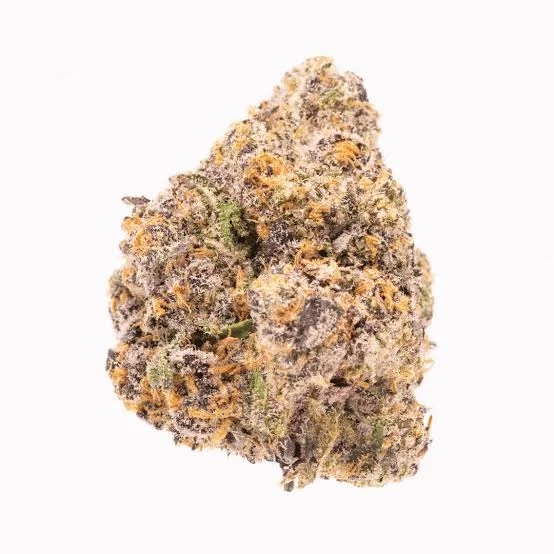
Rainbow Runtz
THC
19% to 29%
THCA up to 29% pre-decarb
CBD
Less than 1%
Flowering time
About 8-9 weeks
Intensity
Strong
Strain class
Indica-dominant
Grow difficulty
Intermediate
Dominant terpenes
Flavor profile
Primary effects
Side effects
Lineage
Best for
Rainbow Runtz Strain Description
Rainbow Runtz is one of those strains that have earned their name the honest way: by actually delivering an experience that matches the hype. It is a hybrid cannabis strain known for a flavor profile that skews candy-sweet and tropical, effects that open with a mood-lifting euphoric rush before settling into a relaxed, body-heavy finish, and visual appeal that turns heads in any dispensary case.
The genetics behind Rainbow Runtz pull from two of the most celebrated lineages in modern cannabis: Zkittlez and Do-Si-Dos. Zkittlez brings the fruity sweetness and terpene richness. Do-Si-Dos contributes the potency, dense structure, and indica-leaning body effects. The result is a strain that hits somewhere in the middle of “party-ready” and “couch-comfortable,” which is part of why it has stayed relevant in a market that cycles through novelty strains at a dizzying pace.
THC levels typically land between 19% and 29%, depending on the phenotype and how the batch was grown, cured, and tested. At the higher end of that range, this is not a strain for those who prefer a light touch. Even on the lower end, most consumers report a clear, unmistakable potency from the first inhale.
What makes Rainbow Runtz memorable beyond the numbers is the overall sensory experience. The aroma is sweet and citrusy with earthy undertones. The smoke or vapor is smooth. The effects build gradually but land with intention, which is the kind of quality that keeps customers coming back rather than chasing the next new thing.

“Rainbow Runtz represents exactly what consumers have come to expect from premium hemp-derived flower. Consistent terpene expression, verified THCA levels, and that immediate candy-forward aroma that makes the strain recognizable from the first jar you open.”
The Hemp Doctor CEO
Rainbow Runtz Strain Genetics and Origin
Why Rainbow Runtz Lineage Can Be Confusing
The name “Rainbow Runtz” has been applied to several different genetic lines over the years, which is one of the “phenotype chaos” problems that show up regularly in any strain carrying Runtz branding. The cannabis industry does not have a centralized genetic registry, so when a strain becomes popular enough to move product, multiple breeders and distributors begin labeling their own crosses under the same name.
The most widely recognized Rainbow Runtz lineage traces back to Zkittlez crossed with Do-Si-Dos. This combination produces a strain with indica-dominant structure, high resin production, and the kind of complex terpene layering that made both parent strains famous. Zkittlez contributes the fruity, candy-forward flavor. Do-Si-Dos brings potency, dense bud architecture, and body-heavy effects that balance the sativa brightness from the Zkittlez side.
A second, distinct line attributed to Wizard Trees genetics crosses Runtz with RS11. This version tends toward more sativa-forward energy with a different terpene expression, though the fruity candy aroma remains. Consumers who try both versions back-to-back often describe noticeably different experiences despite the same name on the label.
A third version associated with Exotic Genetix crosses Rainbow Chip with Zkittlez. This line shares a similar flavor profile but produces a balanced hybrid rather than an indica-dominant expression. Understanding which version you are buying is part of why reviewing third-party testing and sourcing from reputable retailers matters.
Rainbow Runtz strain genetics
The National Center for Complementary and Integrative Health (NCCIH) consistently emphasizes that cannabis labeling inconsistencies make verified testing the most reliable guide for consumers.
| Rainbow Runtz Genetic Versions | |||
| Version | Breeder/Source | Genetics | Common Traits |
| Original Rainbow Runtz | Various (disputed) | Zkittlez x Do-Si-Dos | Sweet, indica-dominant, relaxing |
| Wizard Trees Version | Wizard Trees | Runtz x RS11 | More sativa-forward, fruity, energetic |
| Exotic Genetix Version | Exotic Genetix | Rainbow Chip x Zkittlez | Dense nugs, candy aroma, balanced hybrid |
| Street/Clone Only | Unknown/Multiple | Varies widely | Inconsistent; verify third-party testing |
Is Rainbow Runtz the Same as Rainbow Runts?
No. Rainbow Runtz is a cannabis strain. Rainbow Runts is a candy. The similarity in name is not accidental, given that the Runtz family of strains has always leaned into candy branding, but they are entirely different things. The confusion shows up often enough in search data that it is worth naming directly.
The candy comparison is useful for flavor description purposes: Rainbow Runtz does carry a sweet, fruity profile that many consumers compare to hard candy or fruit chews. But the experience, the product category, and the regulatory considerations are distinct. If you arrived here looking for the candy, you are in the right spirit but the wrong aisle.
User-Reported Rainbow Runtz Strain Effects
Rainbow Runtz effects tend to follow a recognizable arc across most consumer reports. The strain opens with a clear mood lift and euphoric rush that hits within the first few minutes of consumption. Conversations become easier. Creative thoughts flow without effort. There is a social warmth to the onset that makes it a popular choice for pre-event use or sharing with people you actually want to talk to.
As the session progresses, typically somewhere between 20 and 45 minutes in, the relaxation component begins to assert itself. The body-heavy indica influence from Do-Si-Dos becomes more noticeable. Muscle tension softens. The mental clarity that defined the opening gives way to a more settled, present-feeling calm. This is where the “indica-dominant hybrid” label makes the most sense: it is not a knockout at the start, but it gets there.
Appetite stimulation is commonly reported, particularly in the second and third hours of the session. Dry mouth and dry eyes are the most frequently mentioned side effects. At higher doses, some consumers report mild dizziness or a temporary increase in anxiety, which is typical of high-potency hybrids and generally more common among those with lower tolerances or who consume more than intended.
The effects timeline below reflects what users most commonly report across online communities and dispensary review platforms. Individual results vary based on tolerance, consumption method, dose, and the specific terpene profile of the batch.
| Rainbow Runtz Effects Timeline | |
| Timeframe | What Users Report |
| 0 to 5 Minutes | Onset of euphoria, mood lift, slight tingling behind the eyes |
| 5 to 20 Minutes | Uplifted, social, creative energy begins to build |
| 20 to 60 Minutes | Full-body relaxation sets in; mental clarity softens into calm |
| 1 to 3 Hours | Gradual body-heavy sedation; appetite stimulation common |
| 3 Hours + | Sleepiness in some users; gentle comedown without abrupt crash |
Most consumers describe the comedown as gradual rather than abrupt. There is no sharp drop-off that leaves you feeling worse than when you started, which is one of the qualities that distinguishes a well-grown, well-cured batch of Rainbow Runtz from a lower-quality version of the same strain.
Additional User-Reported Effects From Illinois Consumers
Illinois has one of the more robust state-licensed cannabis markets in the Midwest, and Rainbow Runtz has developed a consistent following there. Consumer reports from Illinois dispensary platforms and cannabis review communities tend to cluster around a few consistent themes.
The “euphoric and relaxed” combination appears in the majority of reviews. Consumers frequently use words like “happy,” “giggly,” and “warm” to describe the early phase of the experience. Creative energy is mentioned often, particularly among consumers who use the strain for artistic work or music listening.
The afternoon-to-evening timing preference comes up repeatedly. Illinois consumers overwhelmingly position Rainbow Runtz as a late-day strain, after responsibilities are done but before full sleep preparation begins. It is not commonly described as a wake-and-bake option, though some higher-tolerance users do report using it throughout the day.
Appetite stimulation is mentioned so consistently that it has become part of how Illinois consumers talk about this strain specifically. The phrase “munchies incoming” appears in enough reviews that it qualifies as a community shorthand for what to expect after the euphoric peak passes.
The combination of mood elevation and body relaxation without heavy sedation at moderate doses is what keeps Rainbow Runtz in heavy rotation for Illinois consumers who have sampled the broader Runtz family. It is described as more balanced than some of the heavier indica-leaning Runtz variants, which gives it broader appeal across experience levels.
The user comments throughout this article reflect personal experiences only. Effects, onset timing, and overall experience with hemp-derived products vary significantly from person to person based on tolerance, metabolism, body weight, and individual biology. What works for one person may feel very different for you. Always start low, wait the appropriate amount of time for your format.
User-reported effects reflect typical experiences and do not constitute medical advice. Individual results vary. Hemp-derived products are not intended to diagnose, treat, cure, or prevent any medical condition.
Rainbow Runtz Side Effects
The most commonly reported side effects of Rainbow Runtz are dry mouth and dry eyes. These are standard across high-potency cannabis strains and are more about the mechanics of how cannabinoids interact with saliva and tear production than anything specific to Rainbow Runtz genetics. Staying hydrated before and during consumption reduces the impact significantly.
Dizziness and mild anxiety appear in consumer reports at higher doses, particularly among newer consumers or those who overconsume relative to their tolerance. The indica-dominant profile means body heaviness is a feature for most users, but for some it can tip into an uncomfortable “locked in” sensation if the dose is too high too fast. Consuming slowly, especially with concentrates or edibles, reduces this risk considerably.
Paranoia is listed as a possible side effect in some strain databases, but actual consumer reports from Illinois and other markets where Rainbow Runtz is well-documented suggest this is relatively uncommon at moderate doses. It appears most often in accounts from consumers who consumed significantly more than their usual amount or who combined it with other substances.
“The side effect profile for high-THC hybrids like Rainbow Runtz follows a predictable pattern: dose matters more than the strain. Most of the negative experiences I hear from retail customers come from consuming too much too quickly, not from something inherent to the genetics. Start low, go slow, and give the effects time to develop before reaching for more.”
— Samantha Evers, Retail Location Marketing Strategist, The Hemp Doctor
Rainbow Runtz is a high-potency hybrid. New consumers and those with sensitivity to THC should start with a very small amount and wait at least 30 to 60 minutes before consuming more, especially with edibles or concentrates. Do not drive or operate machinery after consuming cannabis products. Keep all cannabis products out of reach of children and pets.
Is Rainbow Runtz Good for Beginners?
Rainbow Runtz sits at intermediate on the beginner-friendliness scale. Its THC range tops out at 29%, which puts it beyond what most cannabis educators recommend as an entry point for new consumers. The euphoric onset can shift quickly into overwhelm if someone unfamiliar with how THC affects them underestimates the potency.
That said, at the lower end of its typical potency range (closer to 19 to 22% THC equivalent), Rainbow Runtz can be approachable for someone who has some experience with cannabis and understands their own tolerance. The key is controlled dosing, particularly on first use. A single, measured inhalation followed by a 20-minute wait to assess effects is the approach that produces the best outcomes for newer consumers.
Flavor and Aroma
The flavor and aroma of Rainbow Runtz are a significant part of why this strain became so popular so quickly. It delivers on the candy-forward promise that the Runtz name implies, but with enough complexity in the terpene layering to keep the experience interesting beyond the initial impression.
The sweetness is immediate and unmistakable. It lands on the palate before any earthiness or spice asserts itself. This is the Zkittlez genetics doing their job: Zkittlez was specifically bred for extreme terpene expression, and that characteristic passes reliably through to Rainbow Runtz. The result is a flavor profile that most consumers describe as genuinely enjoyable, not just tolerable.
The complexity builds from there. Tropical fruit notes sit beneath the candy sweetness, suggesting mango and papaya rather than citrus. Berry undertones emerge in the aftertaste. There is a faint floral quality from the linalool that softens the overall profile and keeps it from reading as purely artificial or one-dimensional.
As with all cannabis strains, the quality of the cure affects flavor delivery as much as the genetics do. A properly cured batch of Rainbow Runtz with intact trichomes and moisture content in the right range (typically 58 to 62%) delivers a notably different experience than a dried-out or poorly cured version of the same strain. This applies to every premium strain in the market, not Rainbow Runtz specifically.
What Does Rainbow Runtz Taste Like?
Rainbow Runtz tastes like sweet, fruity candy with tropical and berry undertones. The initial hit is candy-sweet with a slight citrus brightness. The mid-palate develops into tropical fruit. The exhale carries a floral, slightly earthy finish that rounds out the overall experience. Most consumers describe the taste as smooth and enjoyable, with smoke or vapor that is less harsh than many high-potency strains.
What Does Rainbow Runtz Smell Like?
The aroma of Rainbow Runtz is sweet and sugary up front, with citrus zest underneath. Breaking the flower open or grinding it releases a more complex secondary aroma: earthy and slightly musky, with the floral linalool notes becoming more prominent. The overall impression is of a well-stocked candy shop with a woody back room, which sounds strange in text but is genuinely appealing in practice.
Dominant Rainbow Runtz Strain Terpenes
The terpene profile of Rainbow Runtz explains both its distinctive sensory experience and the effects that consumers report most consistently. Terpenes are the aromatic compounds that give cannabis strains their characteristic flavors and aromas, and they interact with cannabinoids in ways that researchers are still working to fully understand.
The concept sometimes called the “entourage effect” suggests that whole-plant cannabis extracts and flower may produce different experiences than isolated cannabinoids because terpenes, flavonoids, and cannabinoids interact together. The four dominant terpenes in Rainbow Runtz each contribute something distinct to that overall profile.
For scientific background on cannabis terpene research, the National Center for Biotechnology Information hosts peer-reviewed research on cannabis volatile compounds and terpene interactions.
Limonene
Limonene is the most prominent terpene in Rainbow Runtz and is responsible for the citrusy, lemon-forward brightness that defines its aroma. Beyond flavor, limonene is associated with mood elevation and stress-relief properties in consumer reports and early research. It is one of the most common terpenes in citrus fruits and is present at high concentrations in a number of popular sativa-leaning and hybrid strains.
In Rainbow Runtz, limonene works alongside the indica-dominant genetics to create a balanced experience: the strain relaxes without fully sedating in part because the limonene-driven mood lift counteracts the heaviness from the myrcene and Do-Si-Dos influence. This is the terpene synergy that makes hybrid engineering interesting when it is done well.
Caryophyllene
Caryophyllene is the peppery, spicy terpene that adds depth beneath the sweetness of Rainbow Runtz. It is the only terpene known to interact directly with the endocannabinoid system as a cannabinoid receptor agonist, specifically binding to CB2 receptors. Consumer reports consistently associate caryophyllene with tension relief and physical relaxation.
While terpene-specific health claims remain under investigation, caryophyllene’s unique receptor activity distinguishes it from most other terpenes and has made it a focus of ongoing study. In Rainbow Runtz, caryophyllene contributes to the body-relaxation component that becomes more prominent in the second half of the session.
Myrcene
Myrcene is the most abundant terpene in most cannabis strains and is present in significant concentrations in Rainbow Runtz. It carries an earthy, musky, slightly herbal aroma and is strongly associated with sedative and relaxing qualities. Myrcene is the terpene most responsible for the “couch-lock” association that many consumers attribute to indica strains.
In Rainbow Runtz, myrcene’s sedative influence is modulated by the limonene in the profile, which is part of why the strain feels more balanced than a pure myrcene-dominant indica would. The combination produces relaxation without full sedation at moderate doses, which is the experience most consumers describe in the first one to two hours of a Rainbow Runtz session.
Linalool
Linalool is the floral, lavender-scented terpene that softens the overall aromatic profile of Rainbow Runtz and adds the calming, mood-stabilizing quality that rounds out the experience. It is found in over 200 plant species including lavender, coriander, and cinnamon, and has a long history of use in aromatherapy contexts for its anxiolytic properties.
In Rainbow Runtz, linalool contributes the floral undertone that distinguishes it from candy-forward strains that lean purely sweet. It also adds a calming layer to the effects profile that complements the euphoria from limonene and the relaxation from myrcene. Together, the four dominant terpenes create a sensory and experiential profile that is genuinely layered, which is part of what separates a premium cultivar from a basic one.
“When I look at a terpene profile like Rainbow Runtz, the thing that stands out is how the four dominant terpenes work together rather than competing. Limonene provides the lift, myrcene provides the anchor, caryophyllene adds the depth, and linalool smooths the edges. That kind of balance does not happen by accident. It is the result of intentional cultivar selection and consistent growing practices.”
— Clay Kramm, Wholesale Sales, The Hemp Doctor
| Rainbow Runtz Terpene Profile | ||
| Terpene | Aroma / Flavor | Possible User Experience |
| Limonene | Citrus, lemon zest | Mood elevation, stress relief, uplifting |
| Caryophyllene | Spicy, peppery, woody | Tension relief, relaxation, CB2 receptor activity |
| Myrcene | Earthy, musky, herbal | Sedative qualities, body relaxation, sleep support |
| Linalool | Floral, lavender, sweet | Calming, stress reduction, mood stabilization |
Rainbow Runtz Cannabinoid Profile
Rainbow Runtz is a high-potency hybrid with THC levels that typically range from 19% to 29% depending on the phenotype, the growing conditions, and the curing process. In hemp-derived form, the relevant number on the certificate of analysis is THCA, which converts to THC when exposed to heat during consumption. A batch testing at 25% THCA delivers approximately 21.75% THC equivalent when consumed, after accounting for the roughly 87% conversion efficiency during decarboxylation.
CBD content in Rainbow Runtz is generally below 1%. It is not a strain that is bred for CBD expression; the genetics optimize for THC potency and terpene richness. Consumers seeking significant CBD content alongside THC are better served by strains specifically developed for balanced cannabinoid ratios.
The cannabinoid range is wide enough that batch-to-batch variation matters. A Rainbow Runtz product testing at 19% THCA and one testing at 29% THCA are meaningfully different in potency, even if both carry the same name. This is not a flaw in the strain itself: it is a function of the genetic variability within the phenotype and the significant impact that cultivation practices have on final potency.
How Strong Is Rainbow Runtz?
Rainbow Runtz sits in the high-potency category by any reasonable standard. At the lower end of its range (around 19 to 22% THC equivalent), it is comparable to many premium strains and appropriate for consumers with established tolerance. At the higher end (25 to 29%), it matches or exceeds most of what is available at state-licensed dispensaries and is genuinely strong cannabis by any measure.
The onset is not immediate for most inhalation methods. Most consumers report the first noticeable effects at the 3 to 7 minute mark, with the full experience developing over the next 20 to 40 minutes. This delayed reveal is part of why overconsumption happens with Rainbow Runtz: consumers who do not feel anything in the first few minutes sometimes consume more before the initial dose has had time to fully land.
Rainbow Runtz THC vs. THCA
In hemp-derived products, the certificate of analysis typically lists THCA rather than THC. THCA is the raw, non-psychoactive precursor to THC that exists in the plant before heat is applied. When you smoke, vaporize, or otherwise heat the flower, THCA converts to THC through a process called decarboxylation. The conversion rate is approximately 87%, meaning a batch with 22% THCA delivers roughly 19% THC equivalent when consumed.
This distinction matters because the headline number on a hemp-derived product is the THCA percentage, not the THC equivalent. A product labeled “25% THCA” is not 25% THC; it becomes approximately 21.75% THC when consumed. Understanding this conversion prevents both overconsumption (from expecting less than you are getting) and underconsumption (from thinking the product is weaker than it is).
For more on how this conversion works, see The Hemp Doctor’s THCA vs. THC guide.
According to a survey of 10,000+ Hemp Doctor customers, 26.7% said COA transparency was a top purchase factor. Reviewing the COA is one of the most reliable ways to verify potency, terpene content, and compliance for any Rainbow Runtz batch you are considering.
Always read the full certificate of analysis for a Rainbow Runtz product, not just the headline THCA number. Look at the total cannabinoid panel, the terpene percentages, and the moisture content. A terpene percentage above 2% typically indicates a well-preserved, aromatic batch. Moisture content in the 58 to 62% range signals proper curing.
Physical Characteristics
Rainbow Runtz produces dense, medium-to-large buds with a structure that reflects its indica-dominant genetics. The nugs are compact and tightly packed, with a weight-to-size ratio that tends to surprise consumers who expect lighter, airier flower. When properly grown and cured, the buds hold together well and do not crumble easily under handling.
The color range on a quality Rainbow Runtz harvest is one of the more visually striking aspects of the strain. Buds typically display deep forest green as the base, with purple and violet hues that develop during the late flowering phase, particularly when the plant experiences mild temperature drops during the final weeks before harvest. Bright orange pistils thread through the nugs, providing contrast against the cooler tones in the leaves.
Trichome density on Rainbow Runtz is notable. A well-grown batch has a heavy white frost across the entire bud surface that extends onto the sugar leaves surrounding the calyx. This trichome coverage is part of what drives the high resin production that makes Rainbow Runtz a popular choice for concentrate extraction as well as flower consumption.
The cure quality affects the visual presentation as much as the genetics do. A properly cured batch maintains vibrant color and a slightly sticky texture from the intact trichomes. An improperly cured batch may appear dull or dry, with trichomes that have degraded and lost both visual appeal and aromatic potency. When in doubt, a fresh, pungent aroma is a reliable indicator of a well-preserved batch.
Lifestyle Uses
The wellness applications most commonly associated with Rainbow Runtz reflect its balanced hybrid profile: it is neither a pure sedative nor a purely energizing strain, which gives it broader utility across different consumer needs and times of day. The following reflects user-reported experiences and general research on the relevant cannabinoids and terpenes.
Consumers who incorporate Rainbow Runtz into a wellness routine tend to do so in the late afternoon or early evening, after the demands of the day have passed but before sleep preparation begins. This timing aligns with its effects arc: euphoric and mood-elevating at the start, relaxing and body-heavy in the middle, with gentle sedation possible toward the end for higher-dose sessions.
For a federal overview of cannabis and public health research, see the National Center for Complementary and Integrative Health.
Relaxation
The limonene-driven mood elevation in the onset phase is particularly well-suited to consumers who experience mental fatigue or tension at the end of the day and want to shift into a different mental state without heavy sedation.
The euphoric quality of the onset is distinct from the kind of anxious energy that some high-THC sativa strains produce. Rainbow Runtz tends to create a warm, settled happiness rather than an edgy, racing euphoria, which makes it more accessible for consumers who find purely sativa-forward strains uncomfortable.
Appetite Support
Appetite stimulation is one of the most consistent effects reported by Rainbow Runtz consumers across multiple markets and review platforms. The onset of appetite effects typically follows the euphoric peak, arriving around the 45-minute to 90-minute mark and persisting through the remainder of the session. This makes it a practical option for consumers who struggle with appetite suppression or who want to ensure they are eating enough during periods of low motivation.
The sweet, fruity flavor profile also makes Rainbow Runtz a more pleasant consumption experience than some higher-potency strains for consumers who find harsh smoke or vapor off-putting. The smoothness of the experience reduces the barrier to consistent use for those incorporating it into a wellness routine.
Evening Use
Rainbow Runtz is widely described as an evening strain. The body-heavy sedation that develops in the second and third hours of a session, driven by the myrcene-dominant terpene profile and the indica genetics from Do-Si-Dos, makes it suitable for consumers who want to wind down before sleep. It does not typically produce the immediate knockout associated with heavy indica strains, which means most consumers have a functional period of relaxed calm before sedation sets in.
For consumers who have difficulty transitioning from daytime activity to sleep, the gradual progression from euphoric mood lift to body relaxation to sedation can be a more comfortable experience than a strain that hits with immediate heaviness. Rainbow Runtz gives you the transition, not just the destination.
Cultivation and Growing Tips
Rainbow Runtz is classified as an intermediate-difficulty strain for home growers. It rewards attention to environmental conditions and responds well to structured training techniques, but it is not so demanding that it requires expert-level intervention at every stage. Growers with at least one successful grow cycle under their belt will find it manageable with proper preparation.
The genetics from Zkittlez contribute the terpene richness that makes Rainbow Runtz valuable, and those terpenes are most fully expressed when growing conditions support robust trichome development. This means controlling temperature, humidity, and nutrient levels with some precision, particularly in the final weeks of the flowering phase.
The Do-Si-Dos lineage brings dense bud structure and high resin production, which means proper airflow management is important to prevent moisture buildup around the dense colas. Growers who skip regular defoliation or neglect air circulation may encounter mold or bud rot issues, particularly in humid environments.
Environmental Needs
Rainbow Runtz performs best in warm, controlled environments. Optimal temperatures during the vegetative phase run between 70 and 80 degrees Fahrenheit. During flowering, dropping nighttime temperatures by 10 to 15 degrees below the daytime peak encourages anthocyanin expression, which produces the purple and violet hues that characterize visually striking Rainbow Runtz harvests.
Humidity management is critical. Vegetative-phase humidity in the 50 to 70% range supports healthy growth. As flowering progresses, gradually reducing relative humidity toward 40 to 50% in mid-flower, then down to 35 to 45% in late flower, significantly reduces mold risk on the dense buds. Consistent airflow throughout the canopy is as important as ambient humidity levels.
Flowering Time and Harvesting
Rainbow Runtz has a flowering period of approximately 8 to 9 weeks indoors. Outdoor grows in the Northern Hemisphere typically reach harvest readiness in late September to mid-October. The variation within this range depends on the specific phenotype and the environmental conditions during the final weeks of flowering.
Trichome assessment is the most reliable harvesting guide. Under magnification, clear trichomes indicate the plant is not yet at peak maturity. Cloudy (milky white) trichomes signal peak THCA accumulation. The transition from predominantly cloudy to a mix of cloudy and amber signals the onset of THC degradation to CBN, which shifts the experience toward more sedative effects. Most growers targeting maximum potency harvest when 10 to 20% of trichomes have turned amber.
The curing process after harvest significantly impacts final quality. A slow cure in sealed containers with daily burping for the first week, followed by a slower cure over 2 to 4 additional weeks, preserves terpene content and produces the smooth, flavorful smoke that Rainbow Runtz is known for. Rushing the cure is the single most common way to underperform on a good genetic.
Yields
Indoor yields for Rainbow Runtz typically fall in the 400 to 500 gram per square meter range under optimized conditions. Outdoor yields can reach 500 grams per plant or higher for experienced growers with favorable growing seasons. Training techniques including low-stress training (LST), screen of green (SCROG), and selective topping can increase indoor yields significantly by expanding the canopy and exposing more bud sites to light.
The dense bud structure means Rainbow Runtz harvests weigh well relative to their visual size. Trimming is more labor-intensive than with airier strains due to the tight calyx structure, but the resulting trimmed flowers are visually impressive and command premium positioning in retail settings.
| Rainbow Runtz Cultivation Quick Reference | |
| Category | Rating |
| Overall Difficulty | Intermediate |
| Climate Sensitivity | Moderate (prefers warm, controlled environments) |
| Pest/Mold Resistance | Average; consistent air circulation required |
| Yield Potential | Moderate to High with proper training |
| Indoor vs. Outdoor | Best suited for indoor or greenhouse cultivation |
| Recommended For | Growers with at least one successful grow cycle |
Rainbow Runtz vs. Other Runtz Strains
The Runtz family has become one of the most expansive strain families in modern cannabis, with enough named variants to fill a dedicated strain database. For consumers trying to navigate which Runtz expression is right for them, the most useful comparison points are flavor profile, potency range, and effects character rather than just the branding.
Rainbow Runtz sits in the middle of the Runtz family in terms of effects character: more relaxing than Runtz OG’s balanced hybrid energy, less sedating than some of the heavier indica-dominant Runtz variants. The table below captures the key differentiators across the most common Runtz family strains.
| Runtz Family Strain Comparison | |||||
| Strain | Common Genetics | Type | Flavor | Typical Effects | Potency |
| Rainbow Runtz | Zkittlez x Do-Si-Dos | Hybrid | Fruity, candy, tropical | Euphoric, relaxed, creative | High |
| Runtz (OG) | Zkittlez x Gelato | Hybrid | Sweet, creamy, candy | Happy, hungry, relaxed | Very High |
| White Runtz | Runtz phenotype | Hybrid | Sweet, vanilla, fruity | Calming, euphoric, body-heavy | Very High |
| Pink Runtz | Runtz phenotype | Hybrid | Fruity, floral, sweet | Relaxed, uplifted, giggly | High |
| Grape Runtz | Grape Ape x Runtz | Indica-Hybrid | Grape, berry, candy | Sedating, relaxing, happy | High |
Rainbow Runtz vs. Runtz
The original Runtz (Zkittlez x Gelato) is the parent of many strains in this family and remains the benchmark against which other Runtz variants are measured. Rainbow Runtz differs from OG Runtz primarily in its genetics (Do-Si-Dos vs. Gelato on the second parent) and in the resulting effects character. OG Runtz tends to produce a more classically balanced hybrid experience. Rainbow Runtz leans more indica-dominant in the second half of the session, with more pronounced body relaxation and appetite stimulation.
Flavor-wise, both strains are candy-forward and sweet. The main distinction is in the secondary notes: OG Runtz often carries a creamy, dessert-like quality from the Gelato side, while Rainbow Runtz has more tropical fruit brightness from the Zkittlez lineage and a softer floral finish from the linalool.
Which Runtz Strain Is the Strongest?
Potency rankings within the Runtz family are highly dependent on the specific batch and source, but generally speaking, White Runtz and high-end phenotypes of OG Runtz are most frequently cited as the ceiling of the family in terms of THC percentage. Rainbow Runtz at its upper range (25 to 29% THCA) is genuinely competitive with the strongest Runtz variants available.
More practically: the “strongest” Runtz for any individual consumer depends on their tolerance and what they are looking for from the experience. Rainbow Runtz at a well-grown 22% THCA can feel more potent in practice than a poorly grown White Runtz at 28% THCA, because terpene expression, cure quality, and the entourage effect all contribute to how the experience actually lands. Numbers are a starting point, not the whole story.
What You Might Not Know About Rainbow Runtz Strain
Rainbow Runtz does not have a single, clean origin story. Unlike strains developed by a single breeder with documented genetics, it emerged through multiple concurrent development paths that produced different expressions under the same name. This “multiple origins” situation is not unusual in cannabis, but it is more pronounced with Rainbow Runtz than with most strains of comparable popularity.
The name itself is strategic. “Rainbow” in cannabis naming typically signals visual appeal (colorful buds), flavor complexity (multiple fruit notes), or both. “Runtz” signals a connection to the Runtz family, which by the early 2020s had become one of the most recognizable brand identities in cannabis. Combining both was a marketing decision as much as a genetic one.
Its popularity in Illinois specifically has driven some interesting retail dynamics. Rainbow Runtz has become a benchmark strain in that market, meaning consumers use it as a reference point when evaluating new strains. A dispensary that carries a well-grown batch of Rainbow Runtz is communicating something about their curation standards to consumers who know what a good Rainbow Runtz should taste and feel like.
The terpene profile is more complex than the candy-forward aroma suggests on first encounter. Consumers who take the time to break down what they are actually smelling and tasting often identify 4 to 6 distinct aromatic notes rather than the single “sweet and fruity” summary that most casual reviews default to. Linalool in particular is a terpene that many consumers have encountered in other contexts (lavender, for example) and recognize immediately once they know what to look for.
Rainbow Runtz photographs exceptionally well. The combination of purple coloration, orange pistils, and heavy trichome coverage makes it one of the more visually striking strains in the market, which has contributed to its social media presence and the cultural momentum that drives ongoing demand. Visual appeal is not unimportant in cannabis retail: the jar on the display case is often the first sales touchpoint, and Rainbow Runtz makes a strong first impression.
Related Strains of Rainbow Runtz
If Rainbow Runtz appeals to you, the following strains share genetic overlap, similar terpene profiles, or comparable effects characters and are worth exploring.
Runtz (OG): The foundational Runtz strain, crossed from Zkittlez and Gelato. Candy-sweet flavor, balanced hybrid effects, very high potency. The benchmark against which all Runtz variants are measured.
White Runtz: A phenotype selection from the original Runtz that emphasizes vanilla sweetness and a particularly heavy trichome coating. Tends toward a calming, euphoric, body-heavy experience at very high potency.
Pink Runtz: Another Runtz phenotype with a more floral, fruity flavor profile and a reputation for producing giggly, social euphoria alongside relaxation. Often described as slightly more approachable than White Runtz for moderate-tolerance consumers.
Do-Si-Dos: One of Rainbow Runtz’s parent strains. An indica-dominant hybrid crossed from OG Kush Breath and Face Off OG. Known for dense buds, high potency, and a deeply relaxing body experience with earthy, floral flavor notes.
Zkittlez (Original Z): The other parent strain of Rainbow Runtz. A fruity, candy-forward indica with one of the most celebrated terpene profiles in cannabis. Lower typical potency than Rainbow Runtz but exceptional flavor expression.
RS11: Rainbow Chip x Sunset Sherbet, the strain used in the Wizard Trees version of Rainbow Runtz. A high-potency hybrid with a complex sweet-and-spicy flavor profile and energetic, mood-elevating effects.
Gelato: Sunset Sherbet x Thin Mint Girl Scout Cookies. A sweet, dessert-flavored hybrid with potent, balanced effects. Frequently compared to Runtz family strains by consumers who prefer creamy flavor profiles over tropical fruit brightness.
Rainbow Z: A Zkittlez phenotype that shares the rainbow naming convention and a similarly complex terpene profile. Less widely available than Rainbow Runtz but worth seeking out for consumers who want the Zkittlez experience at higher potency.
Browse The Hemp Doctor’s selection of THCA Flower, hybrid strains, and THCA pre-rolls to find options that match your preferences for flavor, potency, and effects profile.
Where to Find Rainbow Runtz
Finding a quality Rainbow Runtz batch is less straightforward than it sounds given the naming inconsistency issues discussed in the Genetics section. The name does not guarantee a consistent product across all sellers, which means sourcing from retailers who provide third-party lab testing for every batch is the most reliable approach to getting the actual Rainbow Runtz experience.
Hemp-derived Rainbow Runtz is available online from specialty hemp retailers who operate under the 2018 Farm Bill. The advantage of purchasing hemp-derived Rainbow Runtz from a reputable retailer over sourcing from informal markets is the verified lab data: reputable retailers provide a certificate of analysis from an independent, accredited laboratory that confirms THCA percentage, terpene content, and compliance with federal Delta-9 THC limits.
The Hemp Doctor sources Rainbow Runtz from cultivators with documented growing practices and requires third-party testing on every batch before it reaches customers. This is not standard across all hemp retailers, which is why it is worth asking specifically about lab testing practices before purchasing from any source you are not already familiar with.
In the same 10,000+-response survey, 52.1% of respondents cited quality and consistency as the most important factor in choosing hemp products. Rainbow Runtz is one of those strains where quality variation is significant enough that sourcing decisions genuinely matter for the experience you get.
How to Choose a Good Rainbow Runtz Batch
Start with the certificate of analysis. Look for THCA percentage in the range you prefer, a terpene total above 1.5% (2% or higher indicates strong terpene expression), and moisture content in the 58 to 62% range. A lab report from an ISO/IEC 17025-accredited laboratory carries more weight than a report from an unaccredited in-house lab.
Aroma is your next quality signal. A quality Rainbow Runtz batch should smell immediately sweet and fruity when you open the container, with complexity beneath the initial impression. If the aroma is faint or smells like hay or grass, the flower was either improperly cured or has degraded during storage.
Visual inspection matters too. Dense buds with visible trichome coverage, intact pistils, and good color expression (green with purple notes, not brown or gray) indicate proper growing and curing practices. Flower that is excessively dry or crumbles easily has lost moisture content and will likely have degraded terpenes and a harsher consumption experience.