
Purple Haze Strain: Complete Profile Breakdown
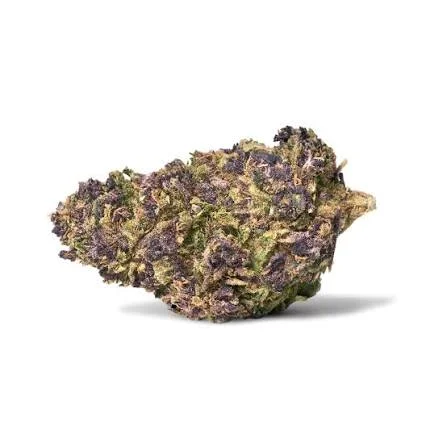
The Purple Haze strain sits at the intersection of old-school cannabis culture and modern strain shopping. Most versions trace to Purple Thai × Haze genetics, a pairing that accounts for its purple-tinted flower, sweet berry and grape notes, spicy herbal haze finish, and upbeat daytime reputation. A well-grown batch typically shows green buds with lavender or deep purple accents, orange pistils, and a frosty trichome coating that gives it strong shelf appeal.
The strain is also famous because of Jimi Hendrix’s 1967 song “Purple Haze.” That cultural connection helped turn the name into a cannabis icon, even though the song, old psychedelic folklore, and the plant itself are not the same thing botanically.
In terms of experience, Purple Haze is usually not the strain you reach for when you want heavy couch-lock. Adult consumers more often choose it for an uplifting, creative, social, or active session. Many describe the effect as euphoric, talkative, and mentally engaged rather than body-heavy, which is why it has remained one of the most recognizable classic strain names decade after decade.
If you are shopping hemp-derived options, browse current THCA flower, sativa flower, and batch-specific lab results before choosing any product. The actual experience depends heavily on the cut, grower, product type, and what the COA shows.
Purple Haze
THC
14% to 22%
Classic sativa with a moderate-to-strong ceiling
CBD
Below 1%
Flowering Time
8 to 11 weeks
Intensity
Moderate to strong
Strain Class
Sativa-dominant
Grow Difficulty
Easy to Intermediate
Terpenes
Flavor
Effects
Possible Side Effects
Lineage
Best For
Is Purple Haze Indica or Sativa?
Purple Haze is usually considered a sativa-dominant hybrid, most often linked to Purple Thai and Haze genetics. Many strain databases describe it as heavily sativa-leaning, often around 85% sativa and 15% indica, though modern dispensary batches can vary by breeder and phenotype.
Some menus list Purple Haze as 70/30, 60/40, or simply “sativa.” That does not always mean the seller is wrong. It often reflects breeder differences, renamed or crossed modern cuts, phenotype variation, or a retailer simplifying the label for shoppers.
Still, treat the sativa label as a shortcut, not a guarantee. Cannabinoid levels, terpene profile, harvest timing, freshness, dose, and your own tolerance all shape how Purple Haze feels.
-
Sale!On Sale
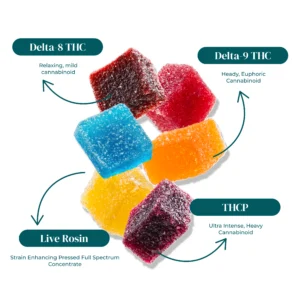
PHUK’D UP | THC BLEND GUMMIES | 420MG
Original price was: $39.95.$13.95Current price is: $13.95.Shop Now This product has multiple variants. The options may be chosen on the product page -
Sale!On Sale
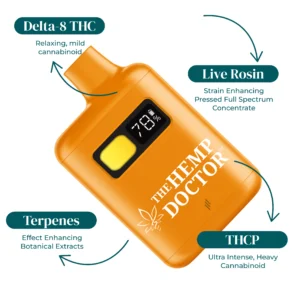
PHUK’D UP | THC BLEND DISPOSABLE VAPE | MEGA 6.5G
Original price was: $40.00.$20.00Current price is: $20.00.Shop Now This product has multiple variants. The options may be chosen on the product page -
Sale!On Sale
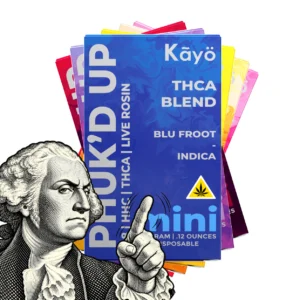
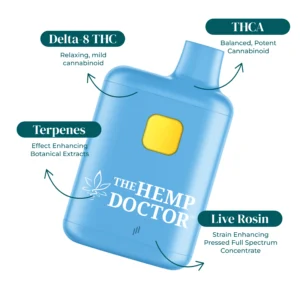
PHUK’D UP | THC BLEND DISPOSABLE VAPE | MINI 3.5G
Original price was: $25.00.$15.00Current price is: $15.00.Shop Now This product has multiple variants. The options may be chosen on the product page
Why Some Purple Haze Batches Feel Different
Two Purple Haze jars can share a name but feel noticeably different. A fresher flower batch with higher limonene or pinene may feel brighter and more alert, while a batch with more myrcene and a later harvest may feel more rounded and physically relaxing.
Product type also matters. Flower and live resin vapes tend to preserve more aroma complexity, while edibles have a slower onset and longer duration. A vape labeled Purple Haze may also be strain-inspired rather than true strain-specific unless the brand provides cannabinoid and terpene testing.
Purple Haze Strain Genetics & Origin
The most widely accepted Purple Haze lineage is Purple Thai × Haze. Purple Thai may contribute the purple coloration potential, sweet berry or floral notes, and uplifting tropical-sativa character. Haze, meanwhile, likely contributes an energetic, cerebral profile, earthy spice, an incense-like aroma, and a longer-flowering plant structure.
This combination helps explain why the Purple Haze cannabis strain became associated with a bright, heady experience rather than a heavy indica-style effect. It also explains why some cuts feel old-school and spicy, while others lean sweeter, darker, and more modern.
Purple Haze is sometimes connected to psychedelic-era cannabis culture, but modern commercial versions are not always identical to what people remember from decades ago. Strain names drift over time, and breeders, seed banks, and retail menus can reuse a popular name.
Purple Haze Lineage Debate: Which Parents Are Correct?
| Source / Market Description | Reported Lineage | Editorial Note |
| Common strain database version | Purple Thai × Haze | Most widely repeated lineage |
| Retail menus | Purple Thai × Haze, Haze cross, or “sativa hybrid” | Menus may simplify or omit breeder details |
| Modern seed-bank versions | May vary by breeder | Some versions use different selections or backcrosses |
| Best editorial stance | Purple Thai crossed with Haze-family genetics | Always verify by product label and COA when available |
When people search for the real Purple Haze strain, they are usually looking for that classic Purple Thai and Haze-family profile. The closer a product is to that lineage, and the more transparent the COA is, the more confidence you can have in what you are buying.
Parent Strain Breakdown
Purple Thai
Purple Thai is often described as a landrace-influenced sativa with potential for purple coloration, sweet berry notes, floral spice, and a bright cerebral character. Its role in Purple Haze likely explains the strain’s grape, blueberry, and lavender-style associations.
Haze
Haze is a classic sativa family known for energetic, cerebral effects and aromas that can include earth, herbs, spice, incense, and light citrus. Its influence helps explain Purple Haze’s daytime reputation and its 8 to 11 week flowering range, especially in Haze-heavy versions.
The History of Purple Haze: From Hendrix to Cannabis Culture
Purple Haze became culturally famous because of Jimi Hendrix’s 1967 song “Purple Haze.” The phrase also became tied to 1960s psychedelic culture, including old LSD folklore, which adds to the strain’s mystique.
That said, the song, LSD nickname, and cannabis strain are culturally connected more than botanically connected. The strain does not contain LSD, and any “psychedelic” description refers to the heady, sensory, euphoric effects some adult consumers report from THC-forward sativa-leaning flower.
The name likely stuck because it matched several memorable traits at once: purple coloration, trippy branding, Haze genetics, and an energetic, cerebral reputation. Few strain names carry that much music, cannabis, and counterculture history in just two words.
Was Purple Haze Named After the Jimi Hendrix Song?
Purple Haze is widely associated with the Hendrix song, and that connection is now part of the strain’s identity. Whether every old-school version of the strain was directly named after the song is harder to prove, since cannabis naming history was not carefully documented during earlier underground markets.
Purple Haze, LSD Myths, and Cannabis Reality
Purple Haze was also a nickname associated with psychedelic-era LSD, but the cannabis strain does not contain LSD. If a consumer describes Purple Haze as “trippy” or “psychedelic,” they are usually talking about intensified sensory perception, euphoria, or an unusually heady THC experience.
Real Purple Haze vs Modern Purple Haze
Many adult consumers search for the real Purple Haze strain because modern versions do not always match old-school memories. Older descriptions sometimes mention lighter lavender or pinkish-purple flower, more floral berry notes, and a stronger Haze-style spice.
Modern commercial Purple Haze may look darker purple, taste sweeter, test higher in THC, or lean more hybridized. Some versions may prioritize bag appeal, with less emphasis on the classic Haze-forward profile.
| Version | Common Traits | What to Watch For |
| Old-school style Purple Haze | Lighter purple accents, floral berry, spicy Haze, cerebral lift | Harder to verify without breeder transparency |
| Modern retail Purple Haze | Darker color, sweeter aroma, higher THC, more hybrid feel | May be strain-name drift or modern rework |
| Flavor-branded Purple Haze | Grape or berry flavor emphasis | May not reflect true Purple Thai × Haze genetics |
| Hemp-derived THCA Purple Haze | THCA-forward flower where legal | Check COA, total THC potential, and compliance details |
Why Modern Purple Haze May Not Match the Old-School Version
Strain-name drift is common in cannabis. Over decades, a name can move across regions, breeders, and retail menus without the original genetics staying perfectly intact.
Market demand also plays a role. Purple flower sells well, high-THC strains sell well, and sweet terpene profiles appeal to modern shoppers. As a result, some modern Purple Haze products may emphasize color and potency over the older spicy-floral Haze experience.
How to Shop for the Closest “Real” Purple Haze Experience
Look for Purple Thai × Haze lineage first. Then check whether the product is labeled sativa-dominant and whether the aroma description includes berry or grape alongside herbal spice, earth, incense, or Haze notes.
A COA matters as much as the name. Review THC or THCA potency, total cannabinoids, and terpene data when available. If a product only uses “Purple Haze” as a flavor name without strain details, treat it as flavor branding rather than verified genetics.
User-Reported Purple Haze Strain Effects
Commonly reported Purple Haze strain effects include an uplifted mood, euphoria, creative thinking, social energy, focus, giggles, and mental stimulation. At low to moderate doses, many adult consumers describe it as heady and active rather than sleepy.
That makes Purple Haze a common daytime choice for music, art, writing, walking, gaming, chores, low-pressure social plans, or creative work. However, higher doses can feel intense, racy, or uncomfortable for THC-sensitive consumers.
How Does Purple Haze Make You Feel?
Purple Haze usually makes consumers feel uplifted, euphoric, creative, and mentally energized. Many people describe it as a heady daytime strain with a light body feel rather than a heavy couch-lock effect.
The same traits that make it appealing can also be too much for some people. If you are sensitive to THC or sativa-leaning flower, the experience may include racing thoughts, anxiety, or paranoia, especially with high-potency batches.
Purple Haze Effects Timeline
| Time After Inhalation | What Consumers May Notice |
| 0 to 10 minutes | Fast head change, brighter mood, flavor and aroma impression, mental lift |
| 10 to 30 minutes | Euphoric peak, creative thoughts, social energy, possible giggles |
| 30 to 90 minutes | Focused activity, light body relaxation, continued mental stimulation |
| 1.5 to 3 hours | Gradual fade, lingering uplift, possible tiredness after stronger sessions |
Edibles and infused products work differently. They usually take longer to start, can feel stronger once active, and may last much longer than inhaled flower or vape products.
Is Purple Haze a Strong Strain?
Yes, Purple Haze can be strong, though it is not always extreme by modern standards. Many batches are reported around 14% to 22% THC, with some modern versions testing higher depending on the grower and product format.
Purple Haze strain strength depends on total THC potential, terpene content, dose, freshness, and tolerance. A terpene-rich 18% flower can sometimes feel more noticeable than a stale, poorly cured product with a higher number on the label.
User Reported Effects
Adult consumers describe Purple Haze as a uniquely potent and psychedelic-style experience that combines cerebral intensity with surprising calm. The strain appears to deliver powerful effects at lower consumption amounts than many alternatives, making it noteworthy for both recreational and experienced consumers.
Please note: Individual experiences vary and are not lab findings.
Psychedelic and Sensory Enhancement. Consumers report vivid visual distortions, enhanced color perception, and unusual bodily awareness, including one person’s memorable description of heightened eye sensitivity. The strain creates a distinctive “floaty” headspace that some compare to a detached, floating sensation.
Calm Despite High Potency. Multiple consumers noted that Purple Haze delivers intense effects without always triggering the racing thoughts or paranoia they associate with other strains. That unusual combination of strength and calm surprised even experienced consumers.
Balanced, Functional Energy. Rather than feeling sedating or overstimulating, some adult consumers describe a middle-ground effect. They feel alert and present without the jittery or tired extremes, though higher doses may affect short-term memory.
Exceptional Potency. Consumers consistently report needing significantly less material than with other strains to achieve desired effects, suggesting Purple Haze may have a concentrated impact profile for some people.
Purple Haze Side Effects
Purple Haze can cause the same common side effects associated with THC-forward flower. Dry mouth and dry eyes are most common, while stronger sessions may bring dizziness, head pressure, an increased heart rate, coughing from smoke or vapor, racing thoughts, anxiety, or paranoia.
These effects are more likely if the batch is high in THC, if you consume too much too quickly, or if you are sensitive to sativa-dominant strains.
Purple Haze may not be a good fit for first-time THC consumers, people prone to cannabis-related panic, anyone seeking a sedating nighttime indica, pregnant or nursing individuals, people who must pass drug tests, consumers under the legal age in their area, or anyone taking medications without speaking with a qualified clinician.
Beginner Dosing Guidance
If you are new to THC, start with one small puff of inhaled flower or vape and wait 10 to 15 minutes before deciding whether to consume more. Concentrates are generally not the best starting point for inexperienced consumers.
With edibles, start low and wait at least 2 hours before taking more. Do not mix THC products with alcohol, and do not assume a second serving is needed just because the first one has not fully started yet.
Flavor and Aroma
Purple Haze is known for grape, berry, blueberry, sweet earth, herbal Haze, spice, floral notes, and sometimes hints of pine or citrus. A fruitier batch may lean toward grape candy and blueberry, while a more Haze-heavy cut may taste earthier, spicier, or more incense-like.
On the inhale, many consumers notice sweet berry, grape, and floral earth. On the exhale, the profile often shifts into herbs, spice, pepper, citrus brightness, or classic Haze funk.
Flower usually tastes earthier and spicier because combustion brings out more roasted and herbal notes. Vape and live resin formats may highlight brighter fruit and terpene detail, while edibles can mask strain-specific flavor and create a longer-lasting experience.
Purple Haze usually tastes sweet, earthy, berry-like, and lightly spicy, with grape, blueberry, herbal, and floral notes depending on the batch. Some versions lean more fruity, while others taste more earthy, peppery, or incense-like.
Purple Haze usually smells like sweet berries, grape, earth, spice, and herbs. A well-cured batch should smell bright and fragrant, not like hay, grass, mildew, ammonia, or stale storage.
Why Is Purple Haze Purple?
Purple coloration in cannabis comes from anthocyanins, which are plant pigments also found in foods like blueberries, blackberries, and purple cabbage. Genetics determine whether a plant can express purple traits, while environmental conditions can influence how strongly those traits appear.
Cooler nighttime temperatures late in flower can intensify purple coloration in some plants. However, color does not automatically mean better quality, stronger potency, or a more enjoyable effect.
The United States Department of Agriculture provides a useful plain-language overview of anthocyanins in plants and foods for readers who want more background on these pigments.
Does Purple Color Mean Purple Haze Is Stronger?
No. Purple color does not automatically mean a cannabis strain is stronger. Potency depends on cannabinoids, especially THC and THCA, while purple coloration is mainly related to genetics and pigment expression.
Is It Normal for Purple Haze to Be Very Purple?
Yes, some batches can show strong purple tones, but others may be mostly green with lavender accents. Color varies by phenotype, temperature, grow style, harvest timing, and curing conditions.
Dominant Purple Haze Strain Terpenes
Commonly reported terpenes in Purple Haze include myrcene, caryophyllene, limonene, and pinene. Some Haze-influenced batches may also show terpinolene, which can add floral, herbal, citrus, and airy complexity.
Exact terpene rankings vary by batch testing. For that reason, a COA is more useful than a generic strain profile when you are choosing a specific product.
| Terpene | Aroma Contribution | Possible Role in Purple Haze Profile |
| Myrcene | Earth, musk, herbs, ripe fruit | Adds depth beneath berry sweetness |
| Caryophyllene | Pepper, spice, wood | Adds spicy bite and warm finish |
| Limonene | Citrus, lemon peel, brightness | Adds lift and fruit brightness |
| Pinene | Pine, herbs, sharp freshness | May support clearer, fresher aroma |
| Terpinolene | Floral, herbal, citrus, haze-like | May appear in some Haze-influenced batches |
Myrcene
Myrcene is earthy, musky, herbal, and sometimes ripe-fruit-like. In Purple Haze, it can round out the berry and grape sweetness so the profile does not taste flat or candy-only.
Caryophyllene
Caryophyllene brings peppery, spicy, and woody notes. It helps create the warm finish that many consumers associate with classic Haze-family strains.
Limonene
Limonene contributes citrus brightness that can sharpen the sweet berry aroma. In some batches, it makes Purple Haze smell livelier and fresher when you open the jar.
Pinene and Terpinolene
Pinene adds pine and herbal freshness, while terpinolene can bring floral, citrus, and Haze-like complexity. At noticeable levels, either can make Purple Haze feel and smell brighter than sweeter purple indica strains.
For a research-focused overview of cannabis terpenes, see this review in Molecules.
Lab-Tested Cannabinoid Profile: THC, THCA, CBD, and Terpenes
Purple Haze is typically THC-forward. CBD is usually low, often below 1%, which means shoppers looking for CBD-rich flower may want a different option.
In raw flower, much of the potential THC may appear as THCA. THCA is the acidic cannabinoid that converts into THC when heated through smoking, vaping, or cooking. If you want a deeper explanation, read The Hemp Doctor’s guide to THCA vs THC.
| Cannabinoid / Metric | Typical or Reported Range | What It Means |
| THC | Often around 14% to 22%; batch-dependent | Main intoxicating cannabinoid after activation |
| THCA | May be higher in raw flower | Converts to THC when heated |
| Total THC | Depends on THCA conversion | Better estimate of activated THC potential |
| CBD | Usually less than 1% | Not typically a CBD-rich strain |
| Total Cannabinoids | Varies by batch | Shows broader cannabinoid content |
| Total Terpenes | Batch-specific | Helps explain aroma and flavor intensity |
Purple Haze Terpene Table
Do not rely on generic terpene numbers when buying a specific Purple Haze product. Terpene levels vary by grower, harvest, cure, storage, and lab.
| Terpene | Flavor Contribution |
| Myrcene | Earth, musk, fruit |
| Caryophyllene | Pepper, spice |
| Limonene | Citrus, brightness |
| Pinene | Pine, herbal freshness |
| Total Terpenes | Overall aroma intensity |
Review The Hemp Doctor lab results before buying. A strain name tells you the style. A COA tells you what is in that specific batch.
Best Time to Use Purple Haze
Purple Haze is usually best for morning, afternoon, or early evening use when you do not need to drive, work, study, or handle serious responsibilities. Its profile is more often creative and social than sleepy.
Higher doses may cause tiredness after the peak fades, but the main effect is usually not sedating. If sativa strains keep your mind active, avoid Purple Haze close to bedtime.
Purple Haze often pairs well with music, art, writing, brainstorming, light outdoor activity, daytime relaxation, social plans, cleaning, low-pressure gaming, or watching a movie when you want a more engaged headspace.
Avoid Purple Haze before driving, work, school, anxiety-inducing events, bedtime if you are sensitive to sativas, or any situation where a positive drug test would create problems.
Is Purple Haze Good for Beginners?
Purple Haze is not the worst beginner strain, but it is not the safest choice for very THC-sensitive consumers either. Its sativa-leaning effects can feel energetic and cerebral, which some beginners enjoy, and others find overwhelming.
If a beginner chooses Purple Haze, the batch should be moderate in THC, and the dose should be very small. Lower-THC flower or balanced CBD:THC products may be more comfortable for a first-time experience.
Physical Characteristics
Purple Haze buds may be long, dense, fluffy, or pepper-shaped depending on the phenotype. Color can range from light green with lavender accents to deeper purple tones with orange pistils and visible trichomes.
Good Purple Haze should feel sticky but not wet, smell lively after grinding, and show healthy trichome coverage. Avoid flower that smells like hay, ammonia, mildew, or old grass, since those can point to poor curing, storage issues, or contamination concerns.
How to Spot Quality Purple Haze at a Dispensary
Ask for the COA first, then compare the cannabinoid and terpene data against the price. A strong product should give you more than a famous name and purple color.
Confirm whether the flower is linked to Purple Thai × Haze or at least described as a sativa-dominant Haze cross. Smell for berry, grape, sweet earth, herbs, and spice, but do not buy based on color alone. Harvest date, packaging date, storage quality, and lab results matter more than a deep purple photo.
Purple Haze Strain Price and Availability
Purple Haze strain price varies by state, product type, brand, quality tier, and local taxes. Indoor flower usually costs more than outdoor flower, while pre-rolls, vape carts, live resin, concentrates, edibles, and hemp-derived THCA flower all follow different pricing models.
Freshness, THC level, terpene intensity, brand reputation, and testing transparency can all affect price. A cheaper eighth may be a good value if it is fresh and lab-tested, but a higher price may make sense for a terpene-rich, well-cured, limited batch.
Where Can You Find Purple Haze Strain Near You?
A Purple Haze strain dispensary listing may appear in licensed dispensaries, hemp-derived THCA markets, or brand menus depending on state law and availability. Inventory rotates, and not every product with the same name will have the same genetics.
If Purple Haze is unavailable, browse related sativa flower, hybrid flower, THCA flower, and current deals.
Cultivation and Growing Tips
Purple Haze is usually considered easy to intermediate for growers where cultivation is legal. The Haze influence may bring taller plants, more stretch, and a longer flowering window than faster indica-dominant hybrids.
Indoor and outdoor cultivation are both possible where the law allows. Outdoors, Purple Haze generally prefers warm, sunny conditions with good airflow. Cooler nights late in flower may enhance purple expression in plants that already carry the right genetics.
Growing Difficulty
Purple Haze is manageable, but it benefits from height control, airflow management, and patience. Haze-leaning plants can stretch, so indoor growers often use training to keep the canopy even.
Environmental Needs
Good airflow and moderate humidity matter, especially if buds get dense late in flower. Excess moisture can create quality problems, so growers often focus on stable temperatures, odor control, and careful monitoring as harvest approaches.
Flowering Time and Harvest
Purple Haze usually flowers in about 8 to 11 weeks, depending on phenotype and environment. Treat that range as a guide, not a hard rule, since trichome maturity gives better harvest information than the calendar alone.
Earlier harvests may feel brighter and more energetic, while later harvests may feel heavier. The best timing depends on the grower’s goals and the plant’s actual maturity.
How to Bring Out Purple Color
Genetics come first. Cooler nighttime temperatures late in flower may help intensify purple coloration, but excessive stress can reduce plant health and final quality.
The goal should be healthy flower first and purple color second. Bag appeal matters, but aroma, cure, trichomes, and lab results better indicate quality.
Yield Expectations
Yield depends on breeder, phenotype, plant size, light strength, training, nutrients, and environment. Haze-influenced plants may reward patient growers, but they also need enough space and time to finish properly.
If you are searching for purple haze strain seeds, compare breeder descriptions carefully. Seed-bank Purple Haze versions may differ in lineage, flowering time, THC potential, and how strongly they express purple color.
Purple Haze Phenotypes and Breeder Variations
“Purple Haze” can refer to multiple commercial versions. Some aim for the classic Purple Thai × Haze style, while others are modern seed-bank interpretations, Haze-heavy selections, autoflower versions, or retail flower using the name more loosely.
| Version / Breeder Type | Likely Lean | Key Notes |
| Classic Purple Thai × Haze | Sativa-dominant | Most recognized lineage |
| G13 Labs-style Purple Haze | Sativa-leaning hybrid | Commercial seed-bank version may vary |
| Haze-heavy selections | Strong sativa | Longer flower, more spice and incense |
| Auto Purple Haze versions | Hybrid/auto | Faster growth, less classic lineage certainty |
| Retail “Purple Haze” flower | Varies | Always check COA and genetics |
Each version may differ in THC, flowering time, color, aroma, and effects. That is why the label should start the conversation, not end it.
Purple Haze Awards and Market Reputation
Purple Haze has more of a legacy reputation than a modern hype-strain reputation. It is known for its iconic name, 1960s and 1970s cultural associations, purple bag appeal, sativa effects, and berry-spice flavor.
Compared to newer exotic drops, Purple Haze feels more like a classic cultural legend. That strong name recognition adds to its appeal, but it also increases the chance of mislabeled or loosely labeled products.
Purple Haze vs Similar Strains
| Strain | Type | Flavor Profile | Usually Best For | How It Compares to Purple Haze |
| Purple Haze | Sativa-dominant | Berry, grape, earth, spice | Creative daytime use | Classic purple sativa profile |
| Durban Poison | Sativa | Sweet, pine, spice, anise | Energy and focus | Usually clearer and less berry-like |
| Super Lemon Haze | Sativa-dominant | Lemon, citrus, haze | Daytime energy | More citrus-forward |
| Blue Dream | Sativa-leaning hybrid | Berry, sweet, herbal | Balanced daytime use | Softer and more balanced |
| Granddaddy Purple | Indica | Grape, berry, sweet earth | Evening relaxation | Heavier and sleepier |
| Purple Kush | Indica | Grape, earth, spice | Nighttime use | More sedating |
| Haze | Sativa | Spice, incense, earth | Cerebral energy | Less purple and berry-like, more classic Haze |
If You Like Purple Haze, Try These
Try Super Lemon Haze if you want more citrus energy, Blue Dream if you want softer berry balance, Durban Poison if you want sharper focus, Granddaddy Purple if you want heavier grape relaxation, Haze if you want old-school cerebral sativa effects, or Purple Kush if you want nighttime purple-strain effects.
Purple Haze Meaning: Strain Name vs. Cultural Reference
In cannabis, “Purple Haze” refers to the strain’s purple coloration potential, Haze lineage, and cerebral reputation. In music culture, it is strongly tied to Jimi Hendrix. In psychedelic folklore, it has also been linked to LSD nicknames.
The strain itself is cannabis, not LSD. Its name carries overlapping associations from cannabis, music, and psychedelic-era culture, which is exactly why it has remained recognizable for so long.
Final Verdict: Is Purple Haze a Good Strain?
Yes, Purple Haze is a good strain for adult consumers who want a classic sativa-dominant profile with berry, grape, earth, spice, and uplifting effects. Its biggest strengths are its iconic reputation, creative and social usefulness, berry-spice flavor, and strong bag appeal.
The main drawbacks are variation and intensity. Modern versions may not match old-school memories, some products may be loosely labeled, and the sativa-leaning THC profile may be too racy for sensitive consumers.
Choose Purple Haze if you want classic daytime energy and sweet purple-Haze flavor. Skip it if you want heavy couch-lock, CBD-rich flower, or a predictable nighttime strain.
Where Can You Find Purple Haze Strain Near You?
Purple Haze may be available in dispensaries, hemp-derived THCA flower markets, pre-rolls, carts, or concentrates depending on local law. Availability changes often, and The Hemp Doctor’s inventory rotates, so Purple Haze itself may not always be in stock.
Looking for a similar uplifting strain? Browse The Hemp Doctor’s lab-tested THCA flower, sativa flower, hybrid flower, and current deals.
