
Jet Fuel Strain (G6): THCA, Terpenes, Effects & Lineage | The Hemp Doctor
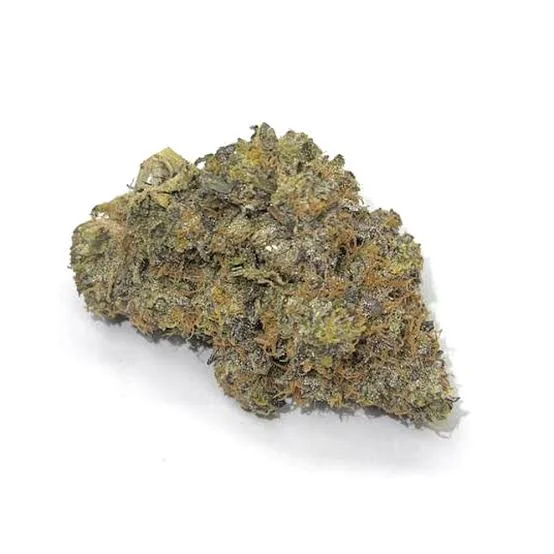
Jet Fuel
THC
18% to 25%
Some batches may test higher
CBD
Less than 0.5%
Flowering time
About 9-10 weeks
Intensity
Strong
Strain class
Sativa-dominant
Grow difficulty
Intermediate
Dominant terpenes
Flavor profile
Primary effects
Side effects
Lineage
Best for
Jet Fuel Strain Description
Jet Fuel is a sativa-dominant hybrid known for its sharp diesel aroma, energetic onset, euphoric head high, and calmer hybrid finish. It is not subtle. It is loud, gassy, citrusy, and fast-acting, with the kind of fuel-forward presence that diesel fans usually recognize before the jar is fully open.
This strain is commonly associated with the name G6, and many menus use Jet Fuel, G6, Jet Fuel OG, and Jet Fuel G6 almost interchangeably. The most accepted lineage is Aspen OG crossed with High Country Diesel, which helps explain why the profile sits so comfortably in the diesel, gas, OG, and Kush family.
If you like Sour Diesel, Chemdawg, or OG Kush relatives, Jet Fuel weed strain options may be worth knowing. The aroma is chemical and pungent, while the experience is typically more upbeat than a heavy nighttime indica. That said, this is generally a high-THC strain, so it is not the most beginner-friendly choice.

“Jet Fuel is one of those strains that diesel fans recognize before the jar is even open. The aroma is sharp and fuel-forward, the onset is fast, and the effects stay functional enough for daytime use without losing that strong head character. When a batch comes through with the right terpene profile, it is very difficult to put down.”
The Hemp Doctor CEO
Is Jet Fuel Indica or Sativa?
Jet Fuel is usually classified as a sativa-dominant hybrid, commonly described as about 70% sativa and 30% indica. So, if you are searching for “Jet Fuel strain indica or sativa,” the short answer is that it leans sativa, but it is not a pure sativa.
That distinction matters because Jet Fuel often starts with a bright, cerebral, fast-moving feel, then rounds out with more body relaxation than many classic sativa strains. Some menus may list it as Jet Fuel OG and simply call it a hybrid, especially when a grower is working with a specific cut.
Why Jet Fuel Can Feel Different by Batch
Jet Fuel can vary from one batch to the next because strain names do not always guarantee identical chemistry. THC percentage, terpene dominance, harvest timing, cure quality, and product format can all change the way the experience feels.
Flower may feel fuller and more layered than a distillate cart, while a concentrate may feel much stronger with less material. Even the same Jet Fuel strain can feel different depending on your tolerance, serving size, and whether you consume it through flower, THC vape, concentrate, or edible format.
“Sativa” does not guarantee energy, and “indica” does not guarantee sleep. Jet Fuel usually leans uplifting, but high-THC batches can still feel intense or uncomfortable for sensitive adult consumers.
Jet Fuel Strain Genetics and Origin
Jet Fuel is most commonly listed as a cross of Aspen OG and High Country Diesel. That combination gives the strain its OG-style backbone, pine and fuel notes, sour diesel bite, and sativa-leaning lift.
You may also see Jet Fuel linked to diesel, OG, and Kush family genetics more broadly. The common alias G6 refers to a high-end private jet, which fits both the “jet fuel” smell and the fast takeoff many consumers describe.
Some sources associate Jet Fuel with 303 Seeds in Colorado, though strain history can be inconsistent across seed banks, menus, and regional cuts. Jet Fuel and Jet Fuel OG are often used interchangeably, but product labels still matter. Different growers may use slightly different cuts under similar names, which is why checking the certificate of analysis, or COA, is always a smart move.
Jet Fuel Strain Genetics
| Jet Fuel Lineage Breakdown | |
| Parent Strain | What It Likely Adds |
| Aspen OG | OG structure, potency, pine, fuel, earthy Kush depth |
| High Country Diesel | Diesel aroma, cerebral lift, sour fuel notes, sativa-leaning energy |
Aspen OG likely contributes the Kush-style body, earthy depth, and resinous structure. High Country Diesel appears to bring the sour fuel aroma and upbeat character that define Jet Fuel’s personality. Together, the two create a strain that feels gassy without being one-note: sharp diesel up front, citrus and pine underneath, and a smoother body finish after the initial rise.
Jet Fuel strain genetics
Why Is Jet Fuel Also Called G6?
G6 refers to a high-end private jet. The name connects neatly to both the “jet fuel” smell and the fast, energetic takeoff that consumers often report.
Other aliases include Jet Fuel OG, Jet Fuel G6, Jet Fuel Kush, and G6 Kush. These names may appear on dispensary menus, hemp-derived THCA flower listings, vape labels, or strain database pages.
| Jet Fuel vs. Jet Fuel OG vs. G6 | |
| Name | Meaning |
| Jet Fuel | Base or common strain name |
| G6 | Most common alias |
| Jet Fuel OG | Often used interchangeably, sometimes brand-specific |
| Jet Fuel G6 | Expanded alias combining both names |
| Jet Fuel Kush / G6 Kush | Kush-leaning menu names or alternate labels |
Always check the product label and COA because different growers may use slightly different cuts under similar names. That is especially important when comparing hemp-derived THCA flower, traditional marijuana market flower, and vape products.
Browse Related Hemp-Derived Flower Products
If you like gassy, sativa-leaning, or hybrid flower profiles, The Hemp Doctor’s rotating hemp-derived THCA flower lineup is a practical place to start. Inventory changes by harvest and availability, so the best match may not always be labeled Jet Fuel.
You can browse THCA flower, explore sativa THCA flower, check out THCA pre-rolls, or review current lab results before choosing.
User-Reported Jet Fuel Strain Effects
Jet Fuel commonly produces energetic, euphoric, uplifting, focused, giggly, creative, and eventually relaxing effects. The most common Jet Fuel strain effects start quickly in the head, often with a bright mood shift and a noticeable buzz behind the eyes or across the forehead.
Smaller servings are often described as bright, focused, talkative, and creative. A moderate serving may feel more euphoric, giggly, motivated, and physically relaxed as the peak settles in. Larger servings can feel intense, especially for adult consumers who are sensitive to high-THC sativa-dominant strains.
Jet Fuel is often chosen for social energy, music, brainstorming, gaming, or active afternoons. Even so, the fast takeoff is real for many people, so anxious consumers should approach carefully and avoid stacking servings too quickly.
How Does Jet Fuel Make You Feel?
At the beginning, Jet Fuel tends to feel mentally stimulating. The onset may come with a clear head rush, brighter mood, more conversation, and a stronger urge to move into an activity.
As the experience develops, the body side becomes more noticeable. Many consumers still describe it as functional, but the finish can become calmer, dreamier, or more physically relaxed depending on the dose and batch.
Reddit-Reported Jet Fuel Effects
Jet Fuel consumers on Reddit report a potent onset with noticeable effects from minimal consumption. The strain appears to deliver both immediate impact and sustained presence throughout the day for regular consumers.
Note: These effects are based on individual consumer experiences shared online, not laboratory testing. Individual experiences vary widely, and nothing here constitutes medical advice.
| Reddit-Reported Jet Fuel Consumer Themes | |
| Reported Theme | What Consumers Mentioned |
| Potent and Fast-Acting | Multiple consumers noted strong effects from a single hit, reporting that it kept them going through multiple product formats throughout the day. |
| Gassy, Sweet Flavor Profile | Reviewers consistently described a fuel-forward taste with sweet undertones, comparing the aroma to classic flower from the early 2000s with piney, nostalgic notes. |
| High-Quality Cure and Appearance | Consumers praised the frosty trichome coverage and proper moisture content, with some noting that fluffier buds did not compromise potency or overall quality. |
| Good Value for the Price | Consumers highlighted competitive pricing, from about $20 to $100 depending on quantity and promotions, as a reason to repurchase, though batch consistency varied over time. |
The user comments throughout this article reflect personal experiences only. Effects, onset timing, and overall experience with hemp-derived products vary significantly from person to person based on tolerance, metabolism, body weight, and individual biology. What works for one person may feel very different for you. Always start low, wait the appropriate amount of time for your format.
Jet Fuel Effects Timeline
| Jet Fuel Effects Timeline | |
| Time After Inhalation | What Consumers May Notice |
| 0 to 5 minutes | Fast onset, diesel flavor, head buzz, forehead or behind-the-eyes sensation |
| 5 to 25 minutes | Uplifted mood, energy, focus, creativity, talkative or giggly feeling |
| 25 to 90 minutes | Euphoric plateau, mental stimulation, body relaxation begins building |
| 90 to 150 minutes | Effects taper, calmer finish, possible tiredness depending on dose |
| 2.5 or more hours | Lingering relaxation for some consumers |
Inhaled Jet Fuel usually comes on quickly, which is why waiting before taking more matters. Edibles and infused products have a slower onset and longer duration, so they should be approached more conservatively.
Edibles take longer to onset and can feel stronger than inhaled flower. Wait at least 2 hours before considering any increase in serving size.
Is Jet Fuel a Strong Strain?
Yes. Jet Fuel is usually considered a strong strain, with THC commonly reported around 18% to 25%, while some batches may test closer to the high 20s.
COA-based market observations often fall closer to 18% to 25%, though potency depends heavily on grower, harvest timing, cure, and product format. CBD is typically low, usually below 0.5%. That means Jet Fuel is not usually a CBD-rich strain, and adult consumers who prefer milder or non-intoxicating options may want to choose another product type.
Cannabinoid Profile: THC, THCA, CBD, and Minor Cannabinoids
| Jet Fuel Cannabinoid Profile | ||
| Cannabinoid / Metric | Typical or Reported Range | What It Means |
| THC | Commonly 18% to 25% | Main intoxicating cannabinoid after activation |
| THCA | May test higher in raw flower | Acidic precursor that converts to THC when heated |
| Total THC | Lower than raw THCA after conversion math | Better estimate of activated THC potential |
| CBD | Usually below 0.5% | Not typically a CBD-rich strain |
| CBG | Often trace to low levels | Minor cannabinoid that may appear in COAs |
| CBC / THCV | Usually trace amounts if present | Batch-specific minor cannabinoids |
| Total Cannabinoids | Often around 20% to 30% in stronger batches | Broader potency picture |
THCA is the acidic form of THC found in raw flower. When you heat THCA through smoking, vaping, or cooking, it converts into THC through a process called decarboxylation.
According to a survey of 10,000+ Hemp Doctor customers, 26.7% said COA transparency was a top purchase factor. For a high-THC strain like Jet Fuel, verifying lab results before purchasing is one of the most practical steps any adult consumer can take.
For a deeper breakdown, read The Hemp Doctor’s THCA vs. THC guide. Before purchasing any hemp-derived product, review the product’s lab results so you understand potency, compliance, and cannabinoid content.
Jet Fuel Side Effects
Jet Fuel can feel stimulating, and that makes serving size especially important. Common side effects include dry mouth, dry eyes, racing thoughts, and coughing from harsh smoke or vapor.
A conservative approach is to start with one small puff and wait 10 to 15 minutes before using more. Avoid Jet Fuel if you are THC-sensitive, prone to anxious thoughts from high-THC products, or planning to drive, operate machinery, or mix it with alcohol.
Warning: Jet Fuel can feel very stimulating at first. If high-THC sativa-dominant strains make you uncomfortable, start very low or choose a calmer, lower-THC option.
“Jet Fuel is one of those strains where the onset can catch you off guard even if you have used cannabis before. The head rush comes fast and the stimulating qualities build quickly. The consumers I see struggle with it are the ones who take a normal serving and wait for a gentle onset that never arrives. Start smaller than you think you need to, especially if you are in an unfamiliar setting.”
— Samantha Evers, Retail Location Marketing Strategist, The Hemp Doctor
The user comments throughout this article reflect personal experiences only. Effects, onset timing, and overall experience with hemp-derived products vary significantly from person to person based on tolerance, metabolism, body weight, and individual biology. What works for one person may feel very different for you. Always start low, wait the appropriate amount of time for your format.
Flavor and Aroma
Jet Fuel smells exactly like the name suggests: sharp, fuel-forward, sour, and chemical, with citrus and pine underneath. The aroma is usually loud from the jar and gets even more pungent when the flower is broken apart.
The Jet Fuel strain taste often starts as diesel and lemon, then finishes earthy, peppery, and slightly skunky. Some batches lean more sour and chemical, while others bring out brighter citrus or a cleaner OG Kush-style pine note.
What Does Jet Fuel Taste Like?
Jet Fuel usually tastes like diesel, lemon, chemical fuel, pine, earth, and pepper. If you prefer sweet dessert strains, classic Jet Fuel may feel too sharp, but if you like Sour Diesel, Chemdawg, and OG-style gas, the flavor will likely make sense right away.
Why Does Jet Fuel Smell So Gassy?
Jet Fuel’s gassy smell comes mostly from its terpene and aroma compound profile. Terpenes are aromatic compounds found in cannabis, hemp, citrus peels, pine needles, herbs, and many other plants.
Limonene brings citrus brightness, caryophyllene adds pepper and spice, myrcene contributes earthy depth, and pinene gives the profile its crisp pine edge. Together, those notes help create the diesel-gas structure that defines Jet Fuel.
However, terpenes may not be the whole story. Research into cannabis aroma has also pointed to volatile sulfur compounds, which can contribute sharp skunky or fuel-like notes even at tiny levels. A 2021 paper in ACS Omega discusses volatile sulfur compounds in cannabis and their role in contributing to the fuel and skunk character many consumers recognize immediately.
A strain does not need extremely high terpene numbers to smell loud. Sulfur-containing aroma compounds may help explain why fuel-heavy strains can smell stronger than expected.
Dominant Jet Fuel Strain Terpenes
| Jet Fuel Terpene Profile | ||
| Terpene | Aroma Contribution | Possible Role in Jet Fuel Profile |
| Limonene | Lemon, citrus peel | Bright top note and mood-forward character |
| Caryophyllene | Pepper, spice, wood | Adds bite, fuel, and spice |
| Myrcene | Earth, musk, herbs | Adds body and relaxing depth |
| Pinene | Pine, fresh herbs | Adds sharpness and crispness |
| Humulene | Woody, herbal | May add dry earthy character |
Limonene
Limonene gives Jet Fuel its citrus lift. In a heavy diesel strain, that lemon-peel brightness keeps the aroma from becoming flat or purely chemical.
Caryophyllene
Caryophyllene brings pepper, spice, and woody bite. In Jet Fuel, it helps sharpen the fuel note and gives the exhale a slightly spicy finish.
Myrcene
Myrcene adds earth, musk, and herbal depth. It likely plays a role in Jet Fuel’s calmer finish, especially after the initial cerebral rise fades.
Pinene
Pinene contributes crisp pine and fresh herbal sharpness. That OG-style pine note helps connect Jet Fuel back to its Kush and diesel relatives.
Exact terpene percentages vary by batch and should be confirmed on the product COA. Do not assume two Jet Fuel products share the same terpene profile because they share a strain name.
Best Time to Use Jet Fuel
Jet Fuel is usually best for daytime, late morning, afternoon, or early evening use, depending on tolerance. It is commonly chosen for creative work, music, casual social settings, gaming, outdoor activities, and active afternoons.
It is not usually the best pick right before sleep if stimulating strains keep you awake. Avoid using Jet Fuel before driving, handling work that requires precision, or entering high-pressure situations where a strong head high could feel distracting.
Who Should Choose Jet Fuel?
Jet Fuel is a better fit for experienced THC consumers, diesel fans, and people who enjoy pungent, chemical, gas-heavy strains. It also makes sense for adult consumers who like Sour Diesel, Chemdawg, OG Kush, or sativa-dominant hybrids with a relaxing finish.
It is less ideal for true beginners, THC-sensitive consumers, people who dislike strong aroma, or anyone looking for a CBD-rich strain. If your goal is a heavy sleep-first strain, Jet Fuel may not be the most natural match.
Is Jet Fuel Good for Beginners?
Jet Fuel is usually not the best first strain for beginners because it is high in THC and can feel mentally stimulating. A beginner who tries it anyway should use a very small amount, choose a lower-THC batch when possible, and avoid concentrates at first.
A calm environment also helps. Check the COA, understand the potency, and do not rush into a second serving just because the first few minutes feel manageable.
Jet Fuel Strain Vape Guide
Jet Fuel appears in flower, carts, live resin, distillate, disposable vapes, and concentrates. A Jet Fuel strain vape can feel cleaner and faster than smoking, but the product type makes a major difference.
Live resin and rosin products may preserve more strain-specific flavor because they retain a broader aroma profile from the original plant material. Distillate carts may use botanical or cannabis-derived terpenes, which means they may taste like Jet Fuel without fully representing the flower’s original chemistry.
Best Vape Temperature for Jet Fuel Flower
For dry herb vaping, a good flavor range is about 347 degrees F to 374 degrees F, or 175 degrees C to 190 degrees C. This range helps preserve citrus, diesel, and pine notes without pushing the vapor too harsh too quickly.
If your goal is flavor, start low. If your goal is stronger vapor, gradually increase the temperature and stop if the taste becomes burnt or overly sharp.
Jet Fuel Dosing Guide
| Jet Fuel Dosing Guide | ||
| Experience Level | Inhaled Flower / Vape Suggestion | Notes |
| Beginner | 1 small puff, then wait 10 to 15 minutes | Avoid concentrates and high-THC batches |
| Moderate | 1 to 3 puffs, then pause | Watch for racing thoughts |
| Experienced | Dose based on tolerance | Strong batches can still surprise you |
| Edible Consumers | Start low and wait at least 2 hours | Edibles last much longer than inhaled products |
Do not stack servings quickly. Jet Fuel’s onset can be fast, but the peak may continue building for 15 to 25 minutes.
When comparing Jet Fuel batches across retailers, check the terpene panel alongside the THCA figure. A batch at 20% THCA with a rich limonene and caryophyllene profile will typically deliver a more distinct diesel-and-citrus character than a batch with no terpene data on file.
Physical Characteristics
Jet Fuel buds are often dense to lumpy, with olive green coloration, orange or amber pistils, and visible frosty trichome coverage. A good batch should feel sticky and resinous without being wet.
When broken apart, the aroma tends to become much louder. Some phenotypes show a flatter or more irregular OG-style bud structure, which can look less picture-perfect than rounded dessert strains but still carry strong potency and aroma.
Avoid flower that smells like hay, mildew, or chemicals beyond the expected fuel profile. Overdry flower may still work, but it often loses the citrus and diesel edge that makes this strain appealing.
Cultivation and Growing Tips
Jet Fuel is usually considered an intermediate grow. It can perform indoors or outdoors where legal, but it needs odor control, airflow, and a steady environment to bring out its best traits.
Diesel and OG genetics may stretch, so canopy management matters. SOG or SCROG methods can help create a more even canopy, especially indoors under controlled lighting.
Growing Difficulty
Jet Fuel is best for growers who already understand humidity, airflow, pruning, and late-flower monitoring. The plant can be pungent and potent, but the same traits that make it appealing also require tighter control during cultivation.
Environmental Needs
Stable temperature, strong airflow, and odor management are the big priorities. Indoor growers should plan on using a carbon filter because Jet Fuel can become extremely loud during flower.
Humidity should be lowered in late flower to reduce the risk of moisture problems. Excessive heat should also be avoided because heat, oxygen, and light can degrade delicate aroma compounds.
Flowering Time and Harvest
Jet Fuel typically flowers in about 9 to 10 weeks. Treat that window as a guide rather than a hard rule, since trichome maturity gives better harvest information than the calendar alone.
Mostly cloudy trichomes with some amber are a common target. Earlier harvests may preserve a brighter feel, while later harvests may lean heavier and more physically relaxed.
Yield Expectations
Some seed listings report indoor yields up to about 500 g/m2, but yields vary widely by genetics, lighting, environment, training, and grower skill. A well-managed canopy, healthy root zone, and clean dry-and-cure process can matter as much as the genetics themselves.
Cure Tips for Better Diesel Flavor
A slow dry in cool, dark conditions helps preserve Jet Fuel’s diesel profile. Overdrying can flatten the aroma, while too much moisture can create storage problems.
After drying, curing in airtight jars with careful burping and humidity control can help the fuel, citrus, and pine notes settle into a smoother profile. Limiting heat, oxygen, and light exposure is especially useful for preserving volatile aroma compounds.
Jet Fuel vs. Similar Strains
| Jet Fuel vs. Similar Strains | ||||
| Strain | Type | Aroma / Flavor | Effects | Best For |
| Jet Fuel | Sativa-dominant hybrid | Diesel, chemical, citrus, pine | Energetic, euphoric, focused, relaxing finish | Daytime energy and diesel fans |
| Sour Diesel | Sativa-dominant | Sour fuel, citrus, skunk | Uplifting, buzzy, creative | Classic daytime sativa feel |
| Chemdawg | Hybrid | Chemical, diesel, earthy | Potent, cerebral, heavy hybrid | Experienced consumers and gas fans |
| SFV OG | Indica-leaning hybrid | Pine, lemon, fuel | Relaxed, euphoric, body calm | OG Kush lovers |
| Jet Fuel Gelato | Hybrid, often balanced or indica-leaning | Sweet cream, gas, fruit | Euphoric, relaxing, dessert-gas | Sweeter Jet Fuel-style flavor |
| Purple Jet Fuel | Hybrid | Grape, gas, earth | Relaxing, euphoric | Fans of purple gas strains |
Jet Fuel sits closest to the diesel and OG side of the table. If you want sweeter flavor, Jet Fuel Gelato may be more appealing. If you want the sharper classic fuel profile, regular Jet Fuel or Sour Diesel may be the better comparison.
Jet Fuel vs. Jet Fuel Gelato
Jet Fuel Gelato is a different strain from Jet Fuel. Jet Fuel is usually a sativa-dominant hybrid, while Jet Fuel Gelato is often described as balanced or indica-leaning depending on the breeder and batch.
Classic Jet Fuel is most commonly listed as Aspen OG crossed with High Country Diesel. Jet Fuel Gelato is generally described as Jet Fuel crossed with Gelato-related genetics, although exact lineage may vary by source.
The difference is easiest to notice in the flavor. Jet Fuel is sharper, more diesel-heavy, and more chemical, while Jet Fuel Gelato is usually sweeter, creamier, fruitier, and more dessert-like. The effects may also feel more balanced or relaxing than classic Jet Fuel.
User-Reported Jet Fuel Strain Reviews
A typical Jet Fuel strain review highlights the same themes: loud diesel aroma, fuel-and-lemon flavor, fast onset, uplifting head effects, and a relaxing finish. On strain databases and Reddit discussions, consumers often describe it as a strong daytime or afternoon option rather than a couch-lock strain.
| User-Reported Jet Fuel Review Themes | |
| Reported Theme | What Consumers Commonly Mention |
| Aroma | Strong diesel, chemical, skunky, pungent |
| Flavor | Fuel, lemon, pine, earthy spice |
| Mental Effects | Uplifted, energetic, euphoric, focused |
| Body Effects | Relaxed finish without immediate couch-lock for many |
| Negatives | Dry mouth, dry eyes, anxiety if overused |
| Best Use | Daytime, creative tasks, social sessions, active afternoons |
Note: These are individual consumer experiences, not medical findings. Effects vary based on dose, tolerance, product type, and batch-specific cannabinoid and terpene levels.
The user comments throughout this article reflect personal experiences only. Effects, onset timing, and overall experience with hemp-derived products vary significantly from person to person based on tolerance, metabolism, body weight, and individual biology. What works for one person may feel very different for you. Always start low, wait the appropriate amount of time for your format.
Jet Fuel Awards and Market Reputation
Jet Fuel has remained popular because it delivers what gas-strain fans usually want: loud aroma, strong potency, and a fast, upbeat feel. Its recognition is also helped by the fact that it appears under several names, including Jet Fuel, G6, and Jet Fuel OG.
Diesel-forward genetics continue to hold a strong place in the flower market. Even as candy, dessert, and fruit strains trend, there is still steady demand for pungent fuel-heavy flower with high THC potential.
Where Can You Find Jet Fuel Strain Near You?
Jet Fuel may appear as flower, pre-rolls, vapes, carts, concentrates, live resin, rosin, or THCA flower. Availability changes by state, brand, harvest, and local law.
The Hemp Doctor inventory rotates, so the exact Jet Fuel strain may not always be available. However, adult consumers looking for similar hemp-derived flower can browse current options with COAs on file before choosing.
THCA Flower: thehempdoctor.com/flower/thca-flower/
Hybrid THCA Flower: thehempdoctor.com/flower/thca-flower/hybrid-flower/
Sativa THCA Flower: thehempdoctor.com/flower/thca-flower/sativa-flower/
THCA Pre-Rolls: thehempdoctor.com/flower/pre-rolls/
Final Verdict: Is Jet Fuel a Good Strain?
Jet Fuel is a good strain for experienced consumers who like strong, diesel-forward, sativa-dominant hybrids. Its biggest strengths are its pungent gas aroma, energetic onset, euphoric head high, and smoother relaxing finish.
The drawbacks are worth taking seriously. Jet Fuel may be too strong for beginners, may trigger anxious thoughts in THC-sensitive consumers, and is not ideal as a CBD-rich or sleep-first strain. Batch variation also matters, so the best Jet Fuel strain info will always come from the product label, the COA, and your own tolerance.
In the same 10,000+-response survey, 52.1% of respondents cited quality and consistency as the most important factor in choosing hemp products. For a strain with as much batch variation as Jet Fuel, that priority is well placed. The COA and the harvest date matter as much as the name.
Jet Fuel is best for consumers who like strains such as Sour Diesel, Chemdawg, SFV OG, and fuel-forward sativa hybrids but want something with a distinctive G6-style fuel-and-lemon identity.