Small Buds vs Big Buds: Which is Worth Your Money?

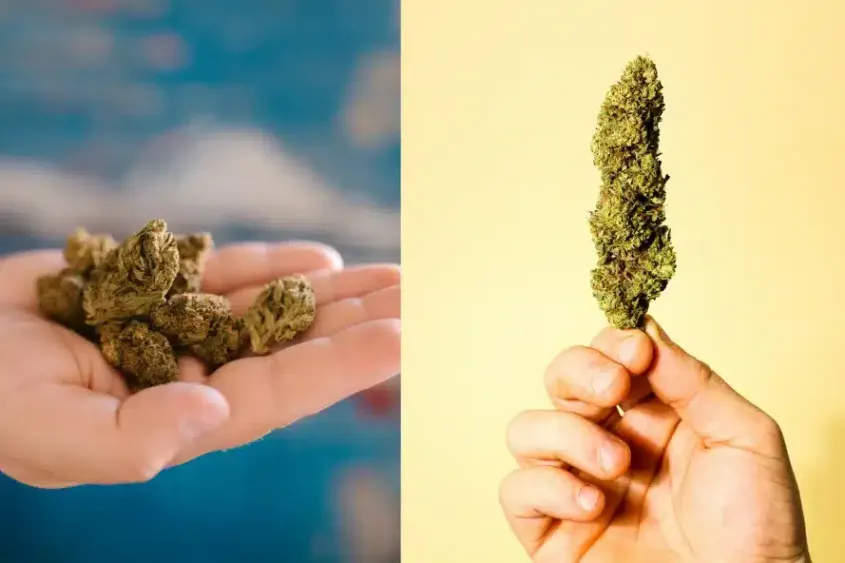
When shopping for cannabis flower, you’ll often come across different sizes of nugs: large chunky ones and smaller ones are often sold at a discount. This may make you assume that the latter is of inferior quality. However, the size of a weed doesn’t always tell the full story.
In this blog, we break down the differences between small buds vs big buds, how they’re cultivated, how they compare in terms of taste and potency, and why they vary in pricing. We’re laying it all out.
Let’s get started, shall we?
🔑 Key Takeaways
- Small buds often have the same potency as big ones. They just sell for cheaper!
- You pay more for appearance with big buds, not necessarily better effects.
- Smalls are easier to grind, making them convenient for everyday use.
- Using small buds helps reduce waste and supports full-plant sustainability.
- A Certificate of Analysis (COA) better predicts quality than nug size.
What Are Small Buds vs Big Buds?
What Are Smalls Weed?
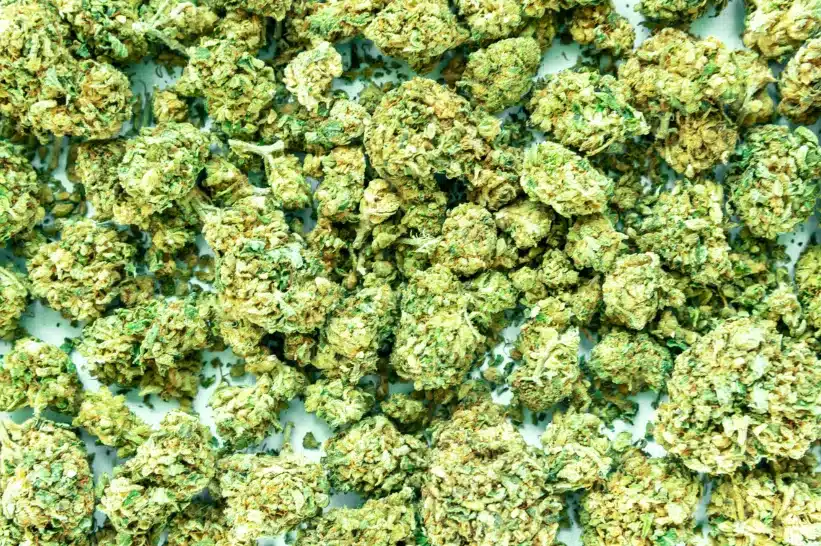
Smalls, also called small buds or weed smalls, are the smaller flower pieces that come from the same cannabis plant as the larger nugs. They grow on the lower parts of the plant where there’s less light, which limits their size and density. However, they still come from the same plant and carry the same mix of cannabinoids and terpenes.
Sometimes referred to as popcorn buds, smalls have the appearance of popcorn and can be easily mistaken for trim or shake. However, they’re often just as potent as the big pot buds.
Many regular users prefer smalls because they’re easy to grind and work with. They are often sold at a lower price per gram, too.
Why are smalls cheaper?
Small cannabis buds are often sold at a cheaper price because of their size or “bag appeal,” which makes them less visually appealing.
Other Terms for Small Buds
You might see small buds referred to as:
- Popcorn Buds: Small, compact buds resembling popped popcorn kernels.
- Mini Nugs: Tiny, nugget-like cannabis flowers.
- Small Nugs: General term for smaller-sized buds.
- B-Grade Flower: Buds that may be less visually appealing but still potent.
What are Big Buds?
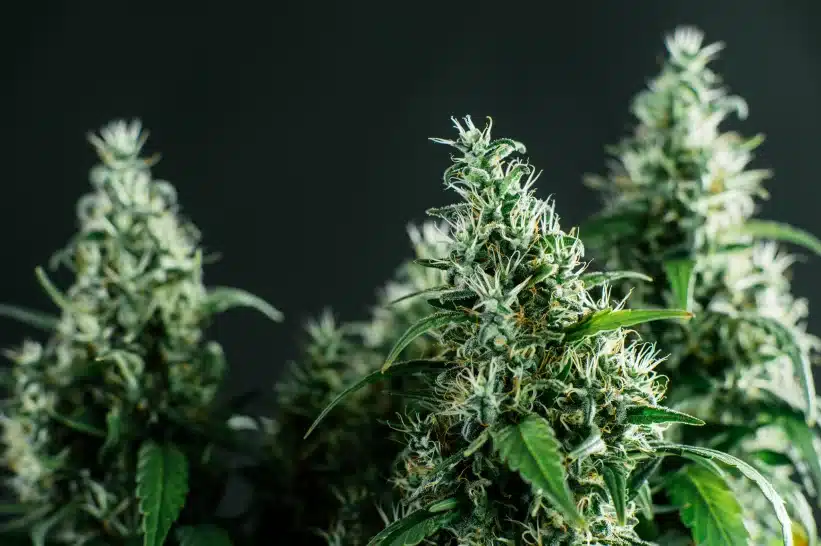
Big buds are the large, dense flowers that develop on the upper parts of the cannabis plant. They get more light and airflow, so they naturally grow larger and appear more frosty than smalls. These buds are sometimes called colas or top-shelf flower.
Big buds are usually considered premium because they look good and often smell stronger. They’re trimmed neatly and used in photos to showcase a strain.
Here’s the catch: while big buds might look more appealing, the actual effects depend on the plant’s genetics and how it was grown.
See more below.
-
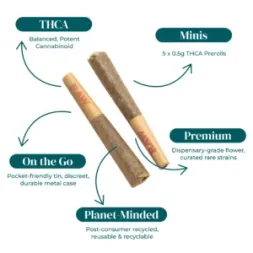
THCA SUGAR DIAMOND INFUSED PRE-ROLLS | 5-PACK TINS
$29.95Shop Now This product has multiple variants. The options may be chosen on the product page - Sale!On SaleBack in Stock
3.5G PREMIUM THCA FLOWER | ROTATING STRAINS
Original price was: $24.95.$15.00Current price is: $15.00.Shop Now This product has multiple variants. The options may be chosen on the product page
Does Size Matter?
So, let’s get to it. Does the size of cannabis buds affect your smoking experience?
In most cases, no. Size rarely matters when it comes to the strength and qualities of a strain. The potency of cannabis, meaning the concentration of cannabinoids like THC and CBD, depends more on the strain and how the plant was grown than on how big the bud is. A small nug from the top of the plant can be just as potent as a big one from lower down, and vice versa.
Both small and big buds contain cannabinoids and terpenes. These compounds affect how high you get, how long the effects last, and how the flower smells and tastes. If you’re worried that smalls are less potent, lab tests usually show minimal differences, if any.
However, there are a few practical differences. Big buds may burn slower and offer a more consistent experience in a bowl or bong. Small buds may burn quicker, especially in joints. They’re also more likely to dry out if not stored properly since they have more surface area in proportion to their size.
In short, if you care most about effects and value, smalls can do the job. Go for big buds if you’re after appearance, aroma, or a slower burn!
Big Buds Versus Small Buds Comparison Table
| Factor | Big Buds | Small Buds (Smalls) |
|---|---|---|
| Visual Appeal | Large, frosty, and more visually appealing | Smaller with less visual appeal |
| Burn Quality | Slower, more even burn | Burns faster, less consistent |
| Potency | Depends on grow quality, not size necessarily | Often as potent as larger nugs |
| Price | Higher due to appearance | More affordable |
| Usage | Great for bowls and bongs, mostly used by connoisseurs | Ideal for joints and edibles, a favorite of budget smokers |
| Storage | Retains moisture longer | Loses moisture faster, can dry out easily |
Small Buds vs Big Buds: Price Comparison
The second thing you’ll notice when comparing small buds vs big buds is the price tag. Smalls are almost always cheaper, even when they come from the same high quality flower.
At dispensaries, smalls are usually sold in bulk or pre-packaged bags at discounted rates. This isn’t because they’re low quality. They don’t have the same shelf appeal as big buds. Customers associate larger buds with higher quality, even though the actual chemical content can be similar.
On the flip side, big buds often fetch a premium price. They’re trimmed to look good, packaged for display, and marketed as top-shelf flower. If you’re paying more, you usually pay for the look and presentation rather than a big difference in potency.
If you’re shopping on a budget or using weed regularly, small buds might be a smarter buy. You get more for less without losing much in strength or flavor. One good example of that is The Hemp Doctor THCA bulk buds smalls, THCA concentration-wise, there’s not much difference with the brand’s top-shelf exotic ZAZA THCA flower strains.
Big buds make sense if you’re buying for a special occasion or want the whole sensory experience, from the smell when you open the bag to how the flower looks when breaking it down. But for day-to-day use, smalls can deliver just as much satisfaction at a lower cost.
Small Buds vs Big Buds in Terms of Experience
When it comes to how cannabis actually feels and performs, the difference between small and big buds isn’t as vast as you might think.
Let’s start with smoking or vaping. Small and big buds will usually produce similar effects if the buds come from the same strain and grow cycle. The high you get depends more on the cannabinoids and terpenes than the size of the flower. So if a strain is known for its relaxing effects or energizing buzz, both the smalls and big buds should reflect that.
That said, big buds are more visually appealing and often have a more pungent aroma when you crack them open. The trichomes, tiny resin glands containing cannabinoids and terpenes, are more noticeable on larger nugs. This can enhance the smell and give the flower a stickier, denser feel when handling it.
Smalls sometimes feel drier or less sticky, especially if they’ve been sitting in a bag longer or weren’t cured as carefully. But most users won’t notice a huge difference once ground and packed into a joint, vape, or bowl. Some prefer smalls because they’re easier to break apart and require less effort to prepare.
In edibles or homemade concentrates, the difference in experience is further diminished. Whether you start with small or big buds, the active compounds are the same if the flower quality is high. You’re not missing out on potency by using small nugs in your recipes.
Overall, unless you’re after the best-looking flower or a specific terpene-rich nose hit, the experience between small and big buds is very close. Both can deliver the same body high, cerebral buzz, or therapeutic effects you’re looking for.
| Pro tip: The difference in smalls versus big buds is usually not in potency or flavor but visual appeal. |
Small Buds vs Big Buds: How Each Are Prepared
The preparation of cannabis flower, meaning how it’s harvested, trimmed, and packaged, can vary depending on whether it’s destined to be sold as smalls or big buds.
Big buds usually come from the upper parts of the cannabis plant, where they get the most light and airflow. Because they’re the most visible part of the harvest, growers often take extra care when trimming and curing them. These buds are trimmed either by hand or with precision machines to preserve their shape and trichomes. They’re dried slowly and cured in controlled environments to bring out the best aroma, flavor, and appearance.
Preparing big buds is time-consuming, which is part of why they cost more. They’re sorted, packed, and sometimes even weighed one by one to keep each jar looking perfect. These buds are more likely to be placed in costly glass jars or high-end packaging.
Small buds are usually collected during or after trimming. They come from the lower branches of the plant or may be broken off from larger colas during harvest. Some smalls are trimmed like their bigger counterparts, while others are lightly machine-trimmed. The curing process can vary. Some smalls are cured just like big buds, while others may be rushed through the process, depending on the grower.
While the slightly different ways of preparing smalls affect moisture or aroma, many smalls are still well-prepared and primed to deliver quality smoke. Some brands even do a second round of sorting to remove underdeveloped nugs or leafy material, keeping only the best smalls for sale.
Ultimately, how a bud is handled after harvest has just as much impact as where it grew on the plant. Good post-harvest practices like proper drying, curing, and storage matter more than size alone.
The Environmental Factor: Size and Sustainability
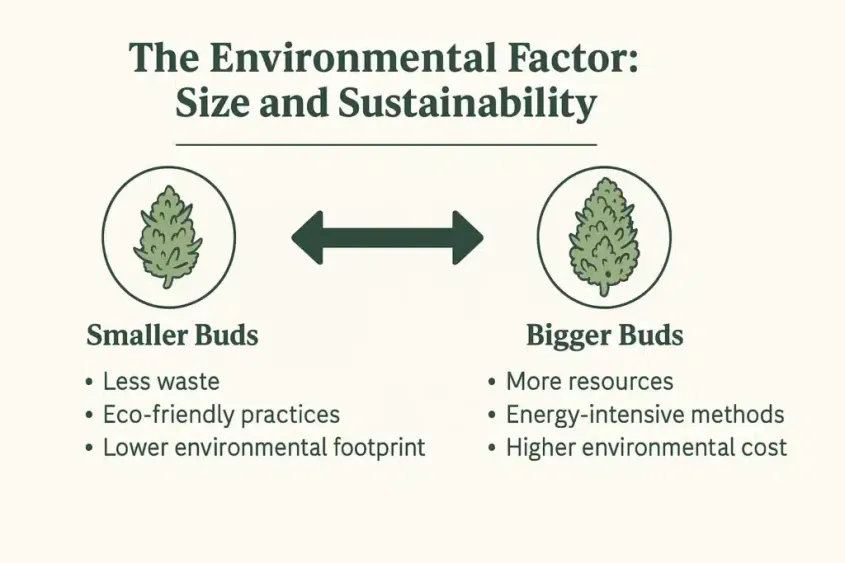
Bud size isn’t just about appearance or smoking experience, it also reflects impact on environmental footprint. Let’s see how small buds vs big buds compare when it comes to adapting sustainable growing and preparation practices.
Smaller buds, which develop on the lower parts of the cannabis plant, are a natural byproduct of the harvest. Rather than being discarded, these buds are carefully collected, packaged, and sold, maximizing the use of the entire plant. This helps reduce waste and makes small buds a more sustainable and eco-conscious choice for mindful consumers.
Some growers specialize in producing high-quality smalls using low-impact methods. These might include organic soil, limited water use, or sun-grown practices. Because small buds are often sold in bulk, they also tend to involve less packaging, which lowers the overall environmental footprint.
On the other hand, growing big buds requires more resources. Cultivators need to use extra lighting, more nutrients, and controlled indoor environments to produce those large, dense flowers. This means higher energy use, more water, and more manual labor. While the final product might look better, the environmental cost is often higher.
That said, it’s not always a black-and-white issue. Many growers strike a balance, producing both big and small buds through sustainable practices.
If you’re looking to make a more environmentally conscious purchase, it’s a good idea to ask about how the cannabis was grown rather than just how it looks.
Pros and Cons of Small Buds
| PROS | CONS |
| Lower price: Small buds are cheaper than large ones, even from the same strain and harvest. | Not as visually striking: Smalls might look less impressive than large nugs. They’re smaller, sometimes less frosty, and may have a looser structure. |
| Same cannabinoids and terpenes: If grown and cured correctly, small buds offer the same chemical profile as big buds. | May burn faster: Because they’re smaller and sometimes drier, small buds can burn quicker than dense, big buds, especially in joints or bowls. |
| Easy to grind and use: Small nugs don’t need much breaking down. | Less consistent trimming: Some smalls may not be trimmed as carefully, which could mean more stems or leaves in your bag if the grower cuts corners. |
| Less waste: Buying smalls helps reduce waste in the cannabis supply chain by using all plant parts. |
Pros and Cons of Big Buds
| PROS | CONS |
| Eye-catching appearance: Big buds are dense, resin-coated, and look good in a jar. | Higher cost: You’ll usually pay more for big buds. The price includes extra labor and premium packaging, even though potency may be similar to smalls. |
| Stronger aroma: Larger buds tend to hold terpenes better. | Harder to break apart: Big buds often need to be broken down before use, which can be sticky or time-consuming without a grinder. |
| Slower burn: Because they’re denser, big buds burn slower and more evenly. | Less portable: Large nugs aren’t always the easiest to carry or use discreetly if you’re on the go. |
| Hand-trimmed quality: Big buds are usually trimmed with more care, meaning less stem and better presentation. |
Choosing What’s Best for You—Real Talk
Whether stocking up for the week or gearing up for a weekend with friends, choosing between small and big buds comes down to your current lifestyle and needs. It’s all about what fits your vibe and your budget.
See if you identify with any of these situations:
Take Alex, a graphic designer who uses cannabis to unwind after long workdays. He goes through flower pretty quickly, so he buys smalls in bulk. They’re cheaper, easy to grind, and still deliver the same effects as the big nugs. He’s not too worried about looks—just wants something that gets the job done and stretches his coin.
Then there’s Nia. She doesn’t smoke often, maybe once or twice a month. But when she does, she wants it to feel special. She picks up big, frosty buds in nice glass jars. The smell, the structure, the whole vibe—it’s part of the experience for her. Like uncorking a nice bottle of wine.
Marcus keeps both. Smalls for solo use when he’s chilling at home and watching Netflix, big buds when he’s hosting game night. People love the wow factor of those chunky nugs, and he enjoys passing around something that looks premium.
Tasha uses cannabis to manage chronic pain. She doesn’t care how the bud looks—as long as it works. Small buds let her buy more for less, and she always checks the terpene and cannabinoid profile anyway. For her, it’s all about effectiveness and routine.
Moral of the story: Your best choice depends on how you use cannabis, what you value most, and the kind of experience you’re after. It’s interesting to note that most people end up doing a mix depending on the situation.
How to Buy the Right Bud for Your Budget —Without Getting Fooled by the Size
When shopping for cannabis, size isn’t everything. Here’s how to choose the right product without getting distracted by how big or small the buds look.
Look Beyond Size
Don’t buy based on appearance alone. Instead, focus on the quality of the strain, the cannabinoid and terpene profile, and how the flower was grown. A small, well-cured bud from a reputable grower can deliver better effects than a large, dry nug that looks good but lacks potency.
Here’s what to check:
- Lab test results: Look for products with Certificates of Analysis (COAs). These show the THC/CBD content and terpene profile and confirm that the product has been tested for contaminants.
- Smell: A strong aroma often means the terpenes are still intact, affecting flavor and experience.
- Feel: The bud should be slightly sticky, not bone dry or too soft.
| Pro Tip: Forget the fluff. Whether small or big, the right bud for your budget is the one that hits well, smells right, feels fresh, and comes from a grower who does things right. Trust your senses, and check those lab results. |
Where to Shop
Stick to licensed dispensaries or trusted online hemp stores like The Hemp Doctor. These sellers often provide detailed product descriptions, strain names, and third-party lab reports.
If you’re shopping in person, ask to see or smell the flower before buying. Check the packaging for harvest dates and storage tips.
Questions to Ask Your Budtender
Not sure which size or strain to pick? Here are a few questions to help guide your choice:
- Do the smalls come from the same harvest as the big buds?
- Are the smalls hand-trimmed or machine-trimmed?
- Has this flower been lab-tested?
- Is there a price difference between the smalls and big buds of the same strain?
- How does this strain typically make people feel?
A good budtender will help you compare products and steer you toward the best option based on your needs.
Small Buds vs Big Buds – Final Verdict
When it comes to small buds versus big buds, your preference calls the shots. If you’re looking for cost-effectiveness, convenience, and the ability to smoke regularly, smalls are the way to go. On the other hand, big buds have their appeal, offering a premium experience with their visual allure, strong aroma, and a slow, smooth burn. They are ideal for special occasions or when you want to indulge.
Fortunately, you don’t have to choose one over the other. Many people enjoy mixing and matching based on their budget and preferences. Ultimately, whether you opt for smalls, big buds, or a combination of both, the most important thing is to purchase from trusted sources, ensure lab testing, and select strains that meet your needs.