Is THCA Regular Weed? You’ve Been Misunderstanding It All Along

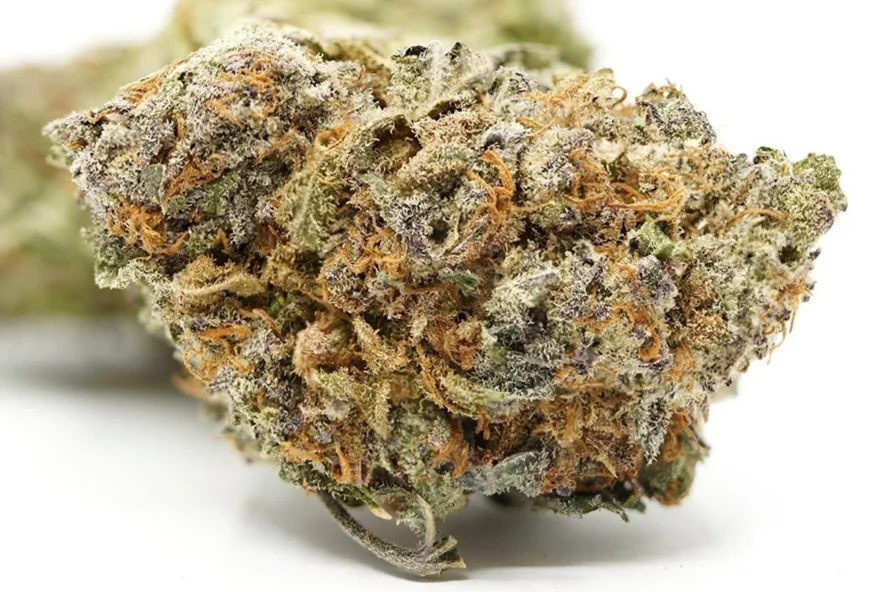
No, THCA isn’t “regular weed” in the way people usually mean it. It’s typically hemp-derived flower marketed as THCA-rich that stays legally “hemp” on paper.
As far as modern cannabis trends go, THCA flower has been one of the most exciting. It smartly utilizes a legal loophole in the 2018 Farm Bill, which classifies cannabis products containing under 0.3% THC as hemp, and THCA isn’t THC, not yet. But once you smoke or vape it? Well, that’s another story entirely. Let’s explore what THCA is and how it actually differs from THC.
What Is the Difference Between THCA and Regular Weed?
We actually have two questions to tackle here:
- What’s the difference between THCA and THC?
- What sets THCA flower apart from traditional cannabis bud?
Ultimately, these will help us answer the major third question: Is THCA the same as regular weed, in actuality?
THCA vs Delta-9 THC
If we’re only considering the cannabinoids themselves—not a specific THCA product type—tetrahydrocannabinolic acid (THCA) and delta-9-tetrahydrocannabinol (delta 9 THC, or simply THC) are closely linked within the cannabis plant’s lifecycle. But unlike THC, THCA isn’t intoxicating and won’t produce that trademark euphoria. At least not in its current form.
Both are produced naturally by cannabis with or without human interference, just at different stages in the biosynthetic pathway. Cannabigerolic acid (CBGA), sometimes called the mother cannabinoid) comes first, which later converts into THCA via THCA synthase. THCA is the acidic precursor compound to delta 9 THC. All it takes is environmental conditions like heat, sunlight, or even prolonged oxygenation to convert THCA into THC.
Structurally, THC and THCA are also similar compounds. The only distinction is the addition of a carboxyl acid group in THCA, which is later removed as it converts to THC. This also means that the two compounds have unique formulas and molecular weights. Since THCA is heavier than its successor, there isn’t a one-to-one conversion; instead, you’ll need to use the following formula:
THC% = THCA% x 0.877
So, if we started with 10 milligrams of THCA, we’ll wind up with just 8.77 milligrams of delta 9 THC. This number, combined with any preexisting THC, is what’s referred to as “total THC.”
What is THCA Flower?
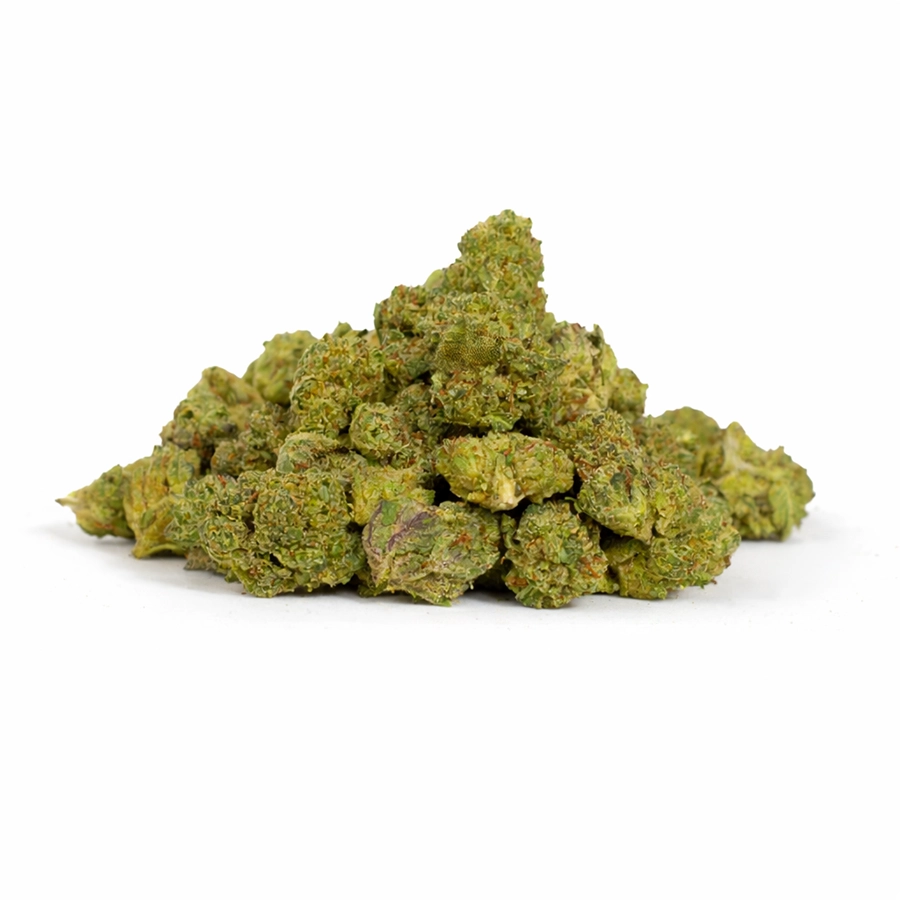
“THCA flower” refers to federally legal hemp bud with high levels of THCA, and thus, substantial delta 9 THC content post-decarboxylation. While THCA itself has no psychotropic qualities, THCA bud has the potential to be highly intoxicating—you’re not generally consuming it raw, after all. By smoking, vaping, or cooking, you’re applying enough heat to convert it into THC.
Ever since the legalization of hemp containing less than 0.3% delta 9 THC by dry weight, THCA has become an extremely popular substitute for “regular” weed, particularly in regions without legal recreational or medical access. It contains less already-converted THC than the weed you’d find at a dispensary, which can fall closer to the 1% or above mark. That said, all intoxicating cannabis flower contain predominantly THCA before they’re aged or exposed to heat.
We might not use the term “THCA flower” to refer to all buds regardless of legality or origin, but in reality, all unsmoked marijuana flower could be accurately described in this way. In practice, “THCA flower” usually refers to a hemp-derived category bred and handled to be THCA-forward while staying compliant on Δ9 THC by dry weight. Traditional hemp flower is typically CBD/CBDA-dominant, which is why THCA-forward hemp stands out.
Is THCA as Strong as Regular Weed?
Yes, THCA bud is as strong as regular weed—legality is what sets the two apart, not intensity of effects. Hemp-derived THCA can still be decarboxylated and converted into delta-9 THC. The body has no way of distinguishing between marijuana-derived THC and THC sourced from federally legal hemp, meaning that the effects are all the same.
The only time THCA might not be as strong as regular weed is if you’re buying from less trustworthy or lower-quality sellers. Compared to the highly regulated legal marijuana market, the hemp space is far more variable, as far as quality is concerned. These differences in strength have less to do with THCA itself and more with the industry’s overall state.
Always check certificates of analysis (COAs) to verify potency before purchasing THCA products of any kind (whether flower or edibles).
It’s also worth noting that some products containing raw THCA never become psychotropic, and in that sense, are far less strong than “regular” weed. This is basically limited to capsules and raw THCA tincture, which don’t need to be heated first.
For people shopping by potency, note the most potent THCA flowers on the market.
Is THCA Legal?
Hemp-derived THCA is federally legal under the 2018 Farm Bill. It gets a bit more complicated than that in practice, however.
You’ll want to keep the “federal” distinction in mind, first and foremost. Although THCA products with under 0.3% delta 9 THC by dry weight are compliant, some states take a harder stance against THCA than others, and flower could be banned outright. You’ll want to investigate your state’s rules around “total THC” content, specifically, to verify that this isn’t the number used to determine legality. Again, this would account for potential THC content after THCA converts through decarboxylation.
Delta 9 THC itself is still classified as a controlled substance by the U.S. government, while THCA isn’t. That’s ultimately what this all comes down to, at least on the federal level.
Beyond that, keep an eye out for the next addition of the Farm Bill, which has been delayed well past its original 2023 deadline. There’s a chance that intoxicating hemp-derived cannabinoids will see a change in legal status.
What Are the Effects of THCA Flower?
THCA flower induces all the same effects as standard dispensary regular weed, assuming you’re buying from a reputable grower or manufacturer. Effects can differ depending on the individual and their product of choice (including the bud’s strain, strength, and terpene content), but you can expect to experience:
- Euphoria or an elevated mood
- Relaxation or physical calm
- Altered sensory perception
- Increased appetite
Similarly, THCA flower comes with the same potential side effects as marijuana—it’s not a lower-risk substitute for those sensitive to THC. If that’s what you’re after, delta 8 THC products are a better bet. These are around half as potent as traditional delta 9 THC.
Adverse reactions to THCA bud could include, but aren’t limited to:
- Dry mouth and dry eyes
- Dizziness
- Increased heart rate
- Anxiety or paranoia
- Impaired coordination
Some users are at a higher risk of side effects than others, including those with an anxiety or panic disorder.
THCA Flower Availability
If you’re wondering how easy it is to find THCA flower, you’ll probably be relieved to learn: it’s extremely simple to find online. In that sense, THCA flower is an accessible way to enjoy THC. You might also have access to THCA flower from a local smoke shop or hemp retailer.
But, once more, it’s not always so straightforward. Some online sellers may be unable to ship to your state due to its legal restrictions. THCA is federally legal in the United States, but it can get more complicated at the state level. Similarly, it’s not always easy to find THCA bud from a brick-and-mortar seller.
Availability can also depend on the retailer. Some hemp shops avoid carrying THCA flower entirely, while others specialize in high-THCA products. If ordering online, reputable brands will clearly list shipping restrictions and provide lab testing results for each batch.
Traditional THC flower is usually easiest to buy in states with licensed dispensaries. It’s generally not something you can legally order and have shipped across state lines the way hemp-market products sometimes can.
THCA Flower Testing and Safety
Always verify the safety and contents of hemp products purchased online, including THCA flower.
Until proper regulations are in place, we’re going to find untrustworthy hemp sellers peddling products with inaccurate claims. That said, high-quality THCA bud isn’t too challenging to get a hold of, as long as you’re doing your due diligence by reviewing COAs and researching the brand. Checking reviews—through outside channels, not exclusively the brand’s own site—is just one important step.
Most THCA sellers include COA links in the product description or their website header. Some also include a handy QR code right on their product’s packaging, which, if scanned, will direct you to that batch’s COA. These reports should confirm cannabinoid strength and may also verify that the flower has been screened for contaminants such as pesticides, heavy metals, residual solvents, and microbial growth.
If a seller outright fails to provide testing results, take it as a sign to move on. Transparency is one of the clearest indicators of a trustworthy hemp brand. Plus, you don’t want to waste your money on products with little to no actual THCA.
Regulated dispensary products are generally subject to state-mandated testing rules, which can make lab testing more standardized within that state’s legal market. With THCA flower, the burden is a bit more on the buyer to verify what’s in the jar.
How Much Does THCA Flower Cost?
The cost of THCA flower varies widely online, with ounces going anywhere from $70 to $250 or more, depending on the brand, cultivation method, and overall quality.
Just be cautious if you’re searching for the best deals out there. Affordable, high-quality THCA flower exists, though you probably aren’t going to pay $30 for an ounce you’d actually want to smoke or vape. Safety is a concern, as well as strength—that’s one of the most common complaints you’ll hear about subpar THCA bud, and rightfully so. Without verifiably high concentrations of THCA (testing matters), you won’t get high levels of THC.
With that in mind, some hemp sellers do offer THCA flower subscription services at a discount. That’s an easy way to save money (maybe even 20% or more) for routine users. You can also keep an eye out for sales or promotions, which pop up every now and again.
It depends on your state. In mature, competitive dispensary markets, dispensary flower is often cheaper. In high-tax or limited-license states, dispensary ounces tend to cost much more, so THCA flower sold online often ends up cheaper.
Will THCA Flower Make You Fail a Drug Test?
Yes, you’ll almost certainly fail a drug test if you’ve recently vaped or smoked THCA flower.
As far as your metabolism is concerned, there’s no difference between THCA flower and old-fashioned bud. Drug screenings search for delta 9 THC’s metabolites—namely, THC-COOH—which are the compounds produced by the liver after processing substances like THC. These are what linger in your system for extended periods of time. THC itself doesn’t last nearly as long, at least not intact.
Stop consuming THCA flower as soon as possible if you learn of an upcoming drug test. Metabolites don’t stick around for too long if it’s a one-time session, but routinely smoking or vaping requires a far more generous break than, say, one week. You could need as long as three months to clear out your system enough to pass, as a chronic or long-term user.
That’s for urine tests, though, which are the most common choice for pre-employment screenings. Blood tests generally have a shorter detection window, while hair tests are absolutely the harshest. Even without frequent, long-term use, it’s possible that THC metabolites could be found in your hair two to three months after consumption.
The only means of passing a drug screening as a THC flower consumer is by eating bud raw. Which, understandably, isn’t the vast majority of people’s first choice.
Pros and Cons Between THCA Flower and Weed
THCA isn’t ideal for every cannabis connoisseur. Still, it is for many, at least until delta 9 THC is federally legalized. We’re still waiting on that one.
Both traditional cannabis and THCA flower come with their own pros and cons. You’ll want to review these before determining the best option for you.
THCA Flower Pros and Cons
To begin, the main perks of THCA flower include:
- Federally legal under current hemp laws (provided delta 9 THC stays under 0.3% by dry weight)
- Widely available online and often shipped directly to consumers
- Not subject to the same cannabis excise taxes as dispensary marijuana
- Accessible in states without legal recreational or medical cannabis programs
Of course, there are some downsides to be aware of:
- Legal status can vary at the state level, and regulations are subject to change
- Quality control can be inconsistent, depending on the seller
- Fewer regulatory protections compared to licensed dispensaries
- Some retailers won’t ship to certain states due to legal uncertainty
Before coming to your final decision, it’s also worth looking at the advantages and disadvantages of traditional dispensary cannabis.
Traditional Weed Pros and Cons
Dispensary cannabis has its own set of advantages, such as:
- Sold through licensed retailers with clearer regulations and consumer protections
- Consistent testing requirements for potency and contaminants
- Possibly greater transparency regarding cultivation, strain lineage, and terpene profiles
At the same time, traditional weed isn’t always the most convenient option:
- Still illegal at the federal level
- Cannot legally be shipped across state lines
- Subject to (sometimes significant) excise taxes in legal markets
- Generally requires visiting a dispensary, or in some states, maintaining a medical cannabis card
When Does It Make Sense to Buy THCA Flower Instead of Regular Weed?
There are two main reasons to buy THCA flower over “regular” weed: legality and accessibility.
If you live somewhere where marijuana bud containing over 0.3% delta 9 THC is still prohibited, then picking up THCA flower instead is by far the safest (and only legal) bet—well, assuming that isn’t illegal in your region, as well. You’ll want to review your state’s laws around THCA and how total THC is calculated before shopping, even if you plan to order online from a legal state.
Speaking of ordering online, that’s another big reason to buy THCA flower over bud from a dispensary. It isn’t legal to ship marijuana across state lines, even between states where recreational cannabis is legal. Meanwhile, hemp products can generally be shipped nationwide as long as they abide by federal guidelines.
Cost isn’t typically a reason to choose THCA flower, however. Even online, THCA bud can get expensive, although budget-friendly sellers do exist. But the lack of regulation also makes the territory more precarious. Meaning, if you’d like to purchase something extra cheaply, you’ll need to do thorough research into the manufacturer first. You could save money by switching to high-THCA hemp, though not necessarily.
Conclusion
And so, to answer the big “is THCA regular weed” question: Essentially, yes, except THCA bud takes clever advantage of a legal loophole in the 2018 Farm Bill. It’s federally legal and potentially even more accessible than traditional cannabis flower, depending on where you live.
THCA itself doesn’t produce the same type of psychoactive effects as delta 9 THC. And unlike THC, it isn’t a controlled substance in the United States—you’ll just need to ensure that the THCA flower you’re buying contains under 0.3% THC by dry weight, which is the legal limit. Heated THCA converts into THC, but as long as the bud’s THC content is low enough at the time of testing and sale, it’s federally legal in the United States.
The cannabis industry is evolving, and THCA is perhaps one of the most exciting innovations to come out of this era. We’ll just need to wait until the next Farm Bill drops to see what the future holds for THCA bud and other intoxicating hemp products.
Want to keep exploring? Check out our THCA Flower collection and read the COAs so you know exactly what you’re getting.