
How Long Does Weed Stay In System After Quitting: Urine, Saliva, Hair, Blood


So you’ve decided to quit consuming cannabis, either for an upcoming drug test, for health reasons or simply for the need to take a break. Naturally, your next question would be, “How long does weed stay in the system after quitting?”
The answer is, as you can imagine, complicated due to several factors involved, like frequency of use, dosing, consumption method, and bodily sample. To give accuracy on the length of stay of cannabis compound metabolites in the body, let’s look at the several methods of drug testing detection windows.
By the end of this article, you’ll know how long weed metabolites stay in the system per bodily sample after quitting.
🔑 Key Takeaways
- “THC” or Delta-9-tetrahydrocannabinol is the metabolite varying drug screening methods detect to be considered marijuana-positive.
- The amount of time weed stays in the system after quitting will depend on several factors: metabolism, frequency of use, potency of the strain, and method of screening.
- For habitual users who consume cannabis daily, 30 days is the longest amount of time before THC can be expelled entirely from the body.
- Hair tests have the longest detection window for drug screenings at 90 days. Urine tests, the most common testing method, have a detection window of up to 30 days. Blood tests have the shortest amount of time, with 12 hours.
Why Does Weed Stay In the System So Long?
The body absorbs THC similarly to any other edible. This cannabinoid is taken up by various tissues and essential organs, including the brain, is metabolized in the liver, and subsequently enters the bloodstream. The duration each system takes to process and eliminate THC varies by organ, resulting in inconsistent timelines.
65% of the THC that enters the body is excreted through feces, while 20% comes out in urine. The remaining 15% is stored in fat cells because THC is a fat-soluble compound. Over time, that stored THC gets released back into the bloodstream before going through another round of metabolization in the liver.
However, the metabolites that build up in fatty cells are more challenging to eliminate. This is the main reason why weed stays in the system for so long. It’s a problematic situation for heavy and chronic users since THC may accumulate and remain in their bodies for weeks and months. It may then result in possible drug test failures.
How Long Do Weed Metabolites Linger in Your System After Abstaining?
The presence of THC metabolites in the body after quitting or abstaining is mainly due to its fat-soluble nature. These particles may remain for longer, especially for someone overweight who has more fat molecules.
The answer to this question will depend on the preferred testing method. For example, a saliva test has a different detection window than a blood, urine, or hair follicles test.
It will also depend on the individual as personal factors like gender, diet, genetics, and the like play a role in the timeline.
In general, the longest reported detection time of cannabis metabolites is 90 days (roughly three months) after consumption within a hair follicle test premise. The shortest is about hours, under a breath test.
Let’s explore the various testing methods and detection windows in greater detail. This will provide a clearer understanding of how long cannabis metabolites remain in the body.
How Long Does Weed Stay In Urine After Quitting?

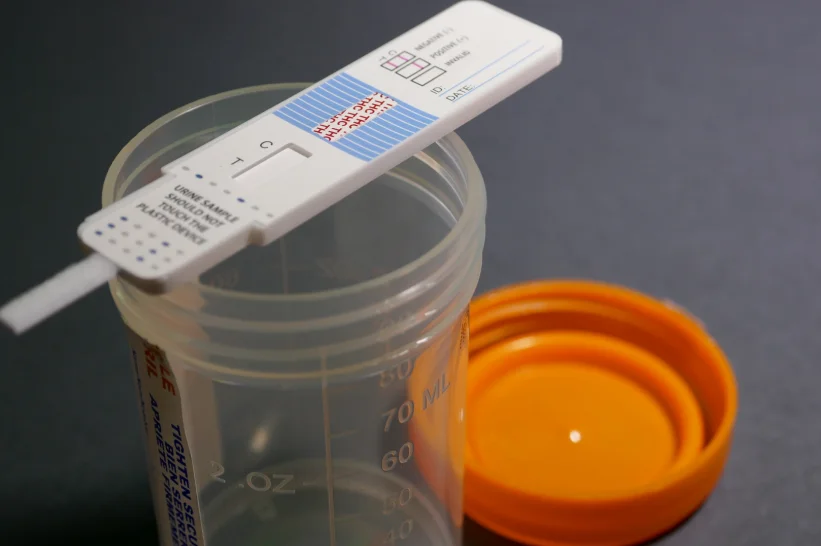
Collecting urine samples is one of the most common drug testing methods. It’s quick and effective at detecting a wide variety of substances, from nicotine to methadone, opioids, and, of course, THC. Urine testing is a relied-upon approach by medical professionals, employers, and sports officials.
As for detection windows, it depends on the individual’s frequency of use, which means these numbers are variable. However, a 2017 study published in the Mayo Clinic suggests a rough timeline:

It’s important to note that these estimates do not factor in the person’s metabolism and level of activity, as these also play a role in the length of time THC remains in the body.
How Long Does Weed Stay In the Blood System After Quitting

Blood tests for cannabis have the shortest detection window and are the most invasive method. This is why employers don’t utilize it as often as urine tests. However, they are a go-to method of law enforcement for investigations of possible DUIs, injuries, and accidents.
Typically, blood tests detect marijuana in the body within the first two to 12 hours after consumption. However, like with urine tests, frequency of use matters. In this case, these screenings can detect the presence of THC among heavy and chronic consumers for up to 30 days.
How Long Does Weed Stay In Hair Drug Test?

Any individual or company that intends to measure a person’s quantity of usage and wants a longer detection window may rely on hair tests. These are usually for organizations with employees who perform jobs with a high injury risk, such as construction.
For the uninformed, hair follicle drug tests involve procuring a small sample from the person’s scalp before sending it to a lab for testing.
These screenings can detect THC metabolites for up to 90 days after consumption. However, the downside is that there is a high likelihood of false positive results for these tests because they rely on skin oil that transfers to the hair, making them less accurate.
How Long Does Weed Stay In Your Saliva?

Like blood screenings, saliva tests have a short detection window. The amount of time will also depend on the manner of consumption, whether smoking or oral ingestion.
A saliva drug test can detect the presence of cannabis after 24 to 30 hours of smoking. For other dosing methods like Delta 9 edibles or tinctures, these tests can detect THC for up to 44 hours after consumption.
Saliva tests aren’t as invasive as blood tests and require fewer steps than urine and hair screenings. Police officers usually prefer saliva tests when conducting roadside tests for potential DUI violators, and healthcare providers also use them to monitor substance abuse patients.
How Long Does Weed Stay In System After Quitting Smoking
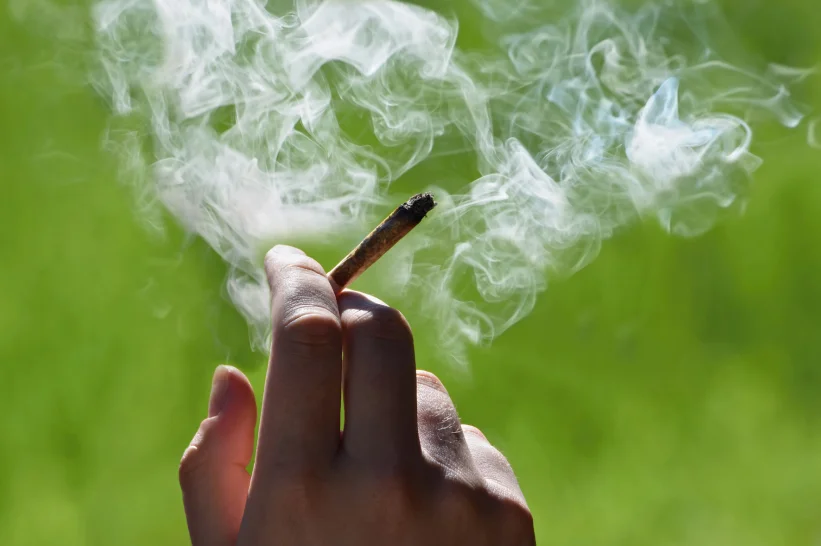
As previously mentioned, the amount of time will depend on the screening method and frequency of use. The THC levels in smoked cannabis may appear in a urine test in as short as three days after consuming a joint or a bowl.
The most prolonged detection period to date is 30 days, and this is for chronic consumers who have made cannabis a part of their routine.
How Long Do Weed Gummies Stay In the System After Quitting

Edibles like D9 gummies get absorbed by the body differently compared to smoking. It goes through the same process as food, where the liver metabolizes the THC before it enters the bloodstream.
Because of the lengthy digestive process, THC may remain in the system longer than when combusted. Chronic users may have THC remnants for more than a month, while casual users may only need up to a week to expel it from their system.
Aside from frequency of use, dosage also matters as edibles with higher THC dosage take longer to get expelled from the body compared to low-dosed edibles.
How Long Does Weed Pen Stay In the System After Quitting

The amount of time it takes to rid the body of THC through vaping is the same as when it is smoked. Likewise, factors like frequency of use, the person’s metabolism, body fat percentage, and product potency are at play here. The manner of testing also determines the detection windows.
That said, habitual cannabis vapers may need up to 30 days to have THC completely washed out from their bodies. Meanwhile, casual users may need between three and five days.
How Long Does THC Disposables Stay In Your System?
THC disposables are vape pens you can throw after use. They are a much more affordable and low-maintenance option for cannabis consumers who don’t want the abrasiveness of smoking but want a faster-acting high.
Therefore, the length of time it takes to expel THC is exactly the same as it is when using a vape pen.
How Long Does It Take for Your Brain to Recover From Weed?
The brain is one of the major organs that react to THC, creating a mind-altering, psychotropic effect for its users. With THC interacting with the brain, a person may feel stress relief, calmness, a euphoric sensation, or an increased appetite.
How does THC interact with the brain?
The cannabinoid activates the reward system and promotes the release of dopamine, a chemical responsible for positive emotions. However, there are some downsides, such as anxious feelings, memory and cognitive problems, coordination and balance issues, and disorientation.
In a nutshell, the brain takes a hit with cannabis consumption. Teenagers may experience long term and permanent damage from the chronic heavy use of weed. This is why cannabis use isn’t encouraged among younger people.
For adults, it may take up to one to two months of abstinence for the brain to recoup from THC’s effects. Many experts advise taking THC breaks, with a minimum period of 21 days. Doing so also helps lower tolerance levels.
| 🩺 Dr. Villanueva Says: It’s also important to note that cannabis withdrawal symptoms can occur 24-48 hours after quitting and may last for 3 weeks or longer for heavy and chronic users. |
How Long Does Anxiety Last After Quitting Weed?
Anxiety is one of the withdrawal symptoms after abstaining or quitting weed altogether. The person may feel antsy and restless at best, but it may worsen for some people to the point of concern.
The duration of this anxiety period may be different from one person to another, but the height of it can last for up to two weeks. Users who experienced this unsettling feeling report that it lasted up to a few months.
Individuals struggling with anxiety after quitting weed are encouraged to undergo healthy coping techniques like mindfulness practices. However, professional help may be necessary if the condition worsens.
Factors Affecting How Long Weed Stays in Your System After Quitting
Besides the variance in the sensitivity of different types of drug tests, the following factors impact the window of detection of THC among individuals:
The potency of THC per product used.
The higher the THC potency consumed, the longer it may stay in your system. Products like weed concentrates, edibles, or tinctures have elevated levels of THC detectable for extended periods.
Dosage
The total amount of THC consumed has a direct effect on the detection window of THC metabolites. A small dosage of THC clears out faster than a repeated dose.
How the THC product was consumed.
There are three main ways weed is consumed: via inhalation, oral, and sublingual. The inhalation and sublingual methods are neck and neck in the detection window, with the oral route as the one with the longest THC detection window.
Frequency of use.
Casual users and beginners have the fastest clearance period, often clearing out THC metabolites in just days. In contrast, frequent users may have trouble eliminating THC faster, with detection windows lasting months.
Unique individual metabolism rate and overall health status.
Those with faster metabolism have higher chances of clearing weed the fastest, while those with slower metabolism have prolonged detection windows. Factors like liver health, enzyme activity, and overall physical condition are crucial in how quickly the body can process and eliminate THC.
Gender
Hormonal differences between females and males impact THC metabolism, with women harboring longer detection windows because of higher fat percentages than men.
Diet
A diet high in fat may prolong detection times as fat influences the storage and release of THC from fat cells. Whereas a healthy and balanced diet expedites the clearance of THC.
Body Mass Index (BMI)
Individuals in the higher BMI spectrum naturally have more fat tissues where THC can be stored for a long time.
Genetics
Our genetics dictate several things simultaneously, such as enzyme activity (specifically cytochrome P450) responsible for THC metabolism.
| 🤓 Did You Know? Level of hydration, though it doesn’t affect the timeline of THC detection, affects your chance of getting a positive or negative marijuana test result. Dehydration can concentrate THC metabolites in your urine, increasing the likelihood of a positive test. Meanwhile, staying hydrated helps dilute the metabolite concentration in your urine. |
How Long Does It Take To Feel the Effects of Weed?
The answer to this question depends on the preferred manner of consumption. Vaping and smoking are the fastest ways to get high. You may feel its initial effects within the first five minutes and are expected to peak in 30 minutes.
Tinctures are the second longest to take effect. After that first sublingual drop, the high begins to kick in within the first 15 minutes. For some people, it may take half an hour. However, you must let the tincture drops sit under the tongue for at least 30 seconds, as swallowing it directly may hinder its efficacy.
Edibles take the longest time to take effect because of the extensive process the THC goes through before it reaches the bloodstream. You may have to wait at least 30 minutes to feel an altering effect, but it may take up to two hours for some people.
How Long Does It Take for the Effects of Weed to Wear Off?
The answer to this question also depends on several factors, namely the method of consumption and the potency and type of strain. The high from vaping and smoking typically lasts for an hour and a maximum of three hours.
However, cannabis consumed orally, whether eaten or drunk, may last for much longer. Some people report feeling high until the morning after they’ve ingested an edible.
Specific strains also have a longer-lasting effect. Some notable names on the list include Durban Poison, Girl Scout Cookies, Bruce Banner, and Purple Haze. THC-H, a cousin to the Delta-9 THC that we all know is also reputed to have a kick that takes longer to wear off.
Busting Myths: How to Make The High From Weed Last Longer?
Staying high longer may be challenging if you’re an experienced user because you’ve probably built a tolerance for it. However, some known practices for staying afloat longer might not be factual. Here are some myths to break.
Myth #1: The Mango Theory
Some cannabis users believe eating mangoes while consuming cannabis helps lengthen the effects of weed, but there’s no supporting hard fact for theory. Hence, it remains a theory. The explanation is that mangoes contain Myrcene, a terpene found in cannabis and that it increases feelings of an almost sedating effect similar to an Indica strain.
| 🩺 Dr. Villanueva Says: According to a 2022 study, Myrcene doesn’t significantly affect CB1 receptors, which helps produce the cannabinoid effect. However, this doesn’t rule out the possibility that eating mangoes might work for other receptors (like CB2 or non-cannabinoid receptor-associated pathways). |
Myth #2: Tea
Tea is also an excellent supplement to a smoking session, as it can help enhance the calming effect of weed. It is known to create a balanced experience by eliminating the paranoia associated with cannabis. It also helps keep the mouth hydrated to combat the annoying dryness.
| 🩺 Dr. Villanueva Says: There’s no proven interaction between caffeine and marijuana, but some research does suggest that minimal amounts of caffeine can enhance “high.” Users need to exercise caution in drinking large amounts of tea, whether while consuming cannabis or not. |
How to Eliminate Weed From System Faster?
You may have read about supposed foolproof methods of eliminating weed from your system faster, like vinegar detox or drinking cranberry juice and excessive amounts of water. You may even come across sites that try to sell you “detox kits.”
Unfortunately, these are myths. The fastest way to expel and eliminate THC from your body is to stop using it. Give your body a break and allow your system to recover.
Exercising more helps because it removes excess fat, which THC binds with. A clean diet is an excellent supplement for fat loss and a healthier lifestyle.
Do You Want to Lessen the Risk of Testing Positive and Still Enjoy Cannabinoids?
Disclaimer! All cannabis products, even those labeled as containing only CBD isolate, have a slight chance of leading to a positive marijuana test. However, if you want to lessen your risk, opt for THC-free or “isolate-formula” CBD products.
Here are some of The Hemp Doctor’s THC-free CBD products to explore:
- Sale!On SaleBack in Stock


REVIVE | Broad Spectrum CBD Softgels | THC Free
Original price was: $79.95.$19.99Current price is: $19.99. — or subscribe to save 25%Shop Now This product has multiple variants. The options may be chosen on the product page - Sale!On Saledoctor recommended


THC-FREE CBD HIGH-OCTANE TINCTURES | 30ML
Price range: $12.49 through $24.99 — or subscribe to save 25%Shop Now This product has multiple variants. The options may be chosen on the product page - Sale!On SaleCustomer Favorite


33:1 USDA ORGANIC CBD TINCTURE | 2000MG
Original price was: $59.95.$23.98Current price is: $23.98. — or subscribe to save 25%Shop Now This product has multiple variants. The options may be chosen on the product page
- 33:1 CBD USDA Organic Tincture
- Broad Spectrum CBD Softgels | THC Free
- THC Free High Octane CBD/CBG/CBN Tincture