How Long Does CBD Cream Last: Effects and Shelf Life


CBD cream effects typically last 2 to 6 hours after application, while the product itself stays shelf-stable for 12 to 24 months if stored correctly. Both numbers matter: one tells you when to reapply, the other tells you whether what’s sitting in your cabinet is still worth using.
How long your specific cream lasts depends on the formula, concentration, ingredients, and how you store it. Here’s what you need to know on both fronts.
🔑 Key Takeaways
- CBD cream effects last between 2 and 6 hours.
- Topical CBD products have an average shelf life of 12 to 24 months.
- CBD in standard topicals does not enter the bloodstream, unless it’s through a specialized transdermal patch.
- CBD creams past their best-by date may still be usable, but with diminished potency.
- Heat, light, humidity, and air exposure are primary enemies of CBD cream shelf life.
- Certificates of Analysis show the quality and safety of a CBD topical product.
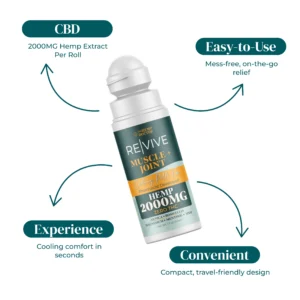
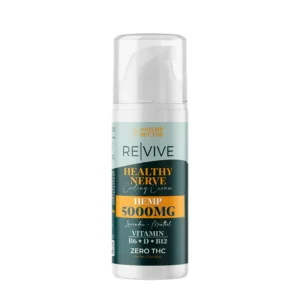
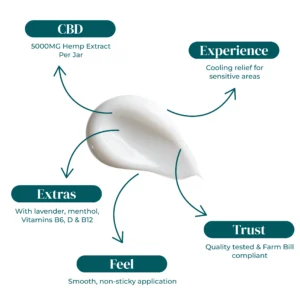
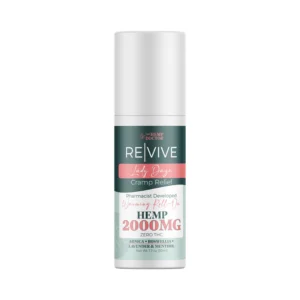
How Long Do CBD Cream Effects Last?
CBD creams, CBD balms, CBD lotions, and CBD patches belong to a category of products called “CBD topicals.” These are hemp products applied directly to the skin for localized effects.
So, how long does CBD cream last?
On average, the effects of topical CBD cream last between 2 and 6 hours.
There’s some anecdotal evidence suggesting that CBD topical effects may last between 2 and 6 hours. However, it’s important to note that these time frames come largely from user reports. Clinical research on CBD topicals is still emerging, so exact durations have not yet been confirmed in controlled studies.
What we know for now is that the exact duration depends on the product’s concentration, formulation (such as full-spectrum, broad-spectrum, or isolate), personal biology, and the condition of the skin where it’s applied.

“Anecdotal reports will never be as accurate as controlled studies, but with a large sample size of reports, you can more or less have a closer range of how long the topical effects of CBD last.
Take note that the effect of any topical substance on you will depend on your type of skin, the formulation you use, and even the body part you apply on. So make sure that you’re using the right formulation for your skin type to have longer effects.”
The Hemp Doctor Medical Reviewer
More on a CBD cream’s duration of effects later; let’s first take a look at how long it takes before you start feeling its effects.
Typical Onset Time for Topical CBD
Most CBD cream users report experiencing the effects within 15 to 45 minutes of application. However, this varies depending on several factors, including your skin type, product type, CBD concentration, and other ingredients.
For example, it may take longer to experience the effects if the CBD cream is applied to thicker skin areas, such as the soles of your feet, than to a thinner-skinned area like your face.
Average Duration of Relief
How long does CBD cream last? On average, the effects of topical CBD creams last between 2 and 6 hours.
Most users report that the effects peak at the 1-2 hour mark after application, then gradually taper off. If the formulation contains penetration-enhancing ingredients, peak effects may last longer.
However, not all CBD topicals work on the same timeline. Thicker formats like balms and creams usually take longer to absorb but may last longer, while lighter formulas like lotions, gels, and serums tend to work faster but wear off sooner.
Here’s a table that compares how each format stacks up.
| Topical Type | Onset Time | Duration of Effects | Why It Differs |
| Balms / Salves | 20–45 minutes | 4–6+ hours | Thick, oil/wax-based formulas create a barrier that slows absorption but extends effects |
| Creams | 15–45 minutes | 2–6 hours | Rich texture allows for steady absorption and longer-lasting coverage |
| Lotions | 10–30 minutes | 2–4 hours | Water-based, absorbs faster but doesn’t stay on the skin as long |
| Serums | 5–20 minutes | 2–3 hours | Lightweight and fast-absorbing, but minimal staying power |
| Gels / Roll-ons | 5–25 minutes | 2–4 hours | Quick absorption with cooling effect, shorter duration depending on formulation |
Note: If it’s your first time using topical CBD products, we recommend observing how your body responds over time before switching products or drawing conclusions about their effectiveness.
How CBD Cream Compares to Other Methods In Terms of Lasting Power?
CBD topicals stand out compared to other delivery methods because they are designed for targeted, localized use only. They don’t enter the bloodstream unless you are using transdermal patches.
Here’s how topical CBD cream compares to other CBD product formats:
| Delivery Method | How It’s Used | Onset Time | Duration of Effects | Systemic or Local |
| Topical Cream | Applied directly to the skin for targeted effects | 15–45 minutes | 2–6 hours | Local (does not enter bloodstream) |
| Sublingual Oil | Placed under the tongue for absorption | 10–30 minutes | 3–4 hours | Systemic (enters bloodstream) |
| Edibles | Ingested and processed through digestion | 30–90 minutes | 6–8+ hours | Systemic |
| Vapes | Inhaled for rapid absorption | Almost immediate | 2–4 hours | Systemic |
What Factors Affect the Duration of CBD Cream Effects?
As mentioned earlier in this article, individual experiences vary due to a range of factors. In this section, we break down each factor that affects how long you will experience the effects.
Application Amount and Concentration
In theory, applying more CBD cream delivers more CBD to the skin, which may help prolong its effects. But more isn’t always better and in some cases can lead to wastage. We recommend applying a generous amount, just enough to cover the targeted area.
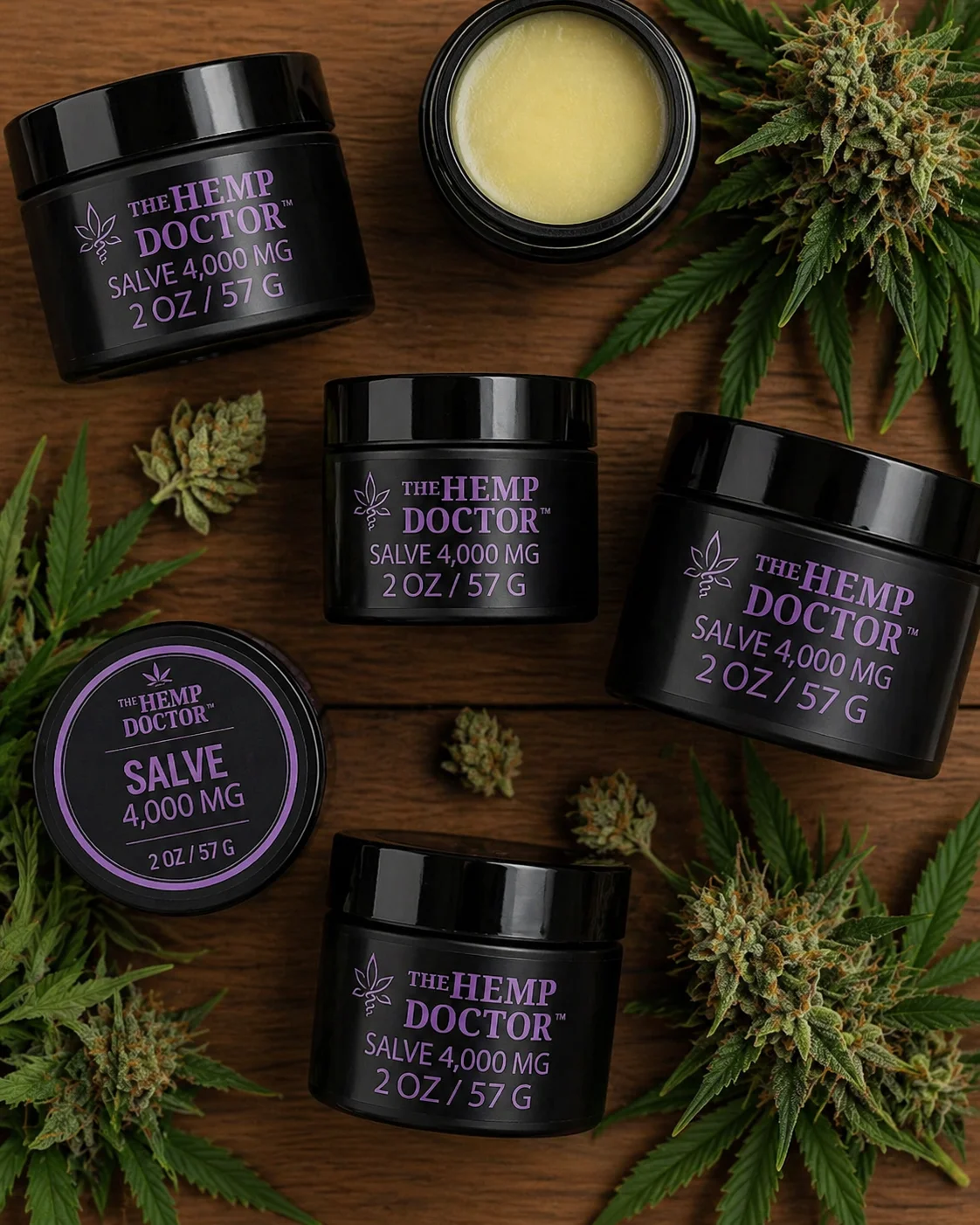
Concentration also matters. For example, a standard 500mg CBD cream delivers way less CBD per application than a 4,000mg product like The Hemp Doctor CBD+ CBG Salve. Even if the application amount is the same, the more potent product will provide a longer-lasting effect.
Body Weight and Metabolism
CBD is highly fat-soluble. A 2025 study published in Pharmaceuticals found that consuming CBD with a high-fat meal can increase its bioavailability by up to four times.
People with a faster metabolism clear cannabinoids from their bodies more quickly. However, since standard topical CBD products like CBD creams, balms, and lotions do not enter the bloodstream, body weight and metabolism are less significant. The exception is transdermal CBD.
Such as patches or penetration-enhanced formulations are specifically designed to cross the skin barrier and reach systemic circulation. For these products, body weight and metabolism are just as relevant as they are for oral CBD.
Full-Spectrum vs Broad-Spectrum Formulas
Full-spectrum CBD creams contain all the compounds found in the hemp plant; this means all cannabinoids, including <0.3% THC, terpenes, and flavonoids. Broad-spectrum formulations include all the cannabinoids, terpenes, and flavonoids, but without THC.
Isolate products differ from full and broad spectrum formulations in that they only contain one cannabinoid – CBD. CBD isolate is 99% pure CBD; no other cannabinoids or terpenes are present.
While isolate products can deliver a higher CBD dose per application, having multiple hemp compounds may contribute to the entourage effect, a proposed mechanism in which cannabinoids and terpenes work more effectively together than when used individually.
As such, both full-spectrum and broad-spectrum CBD topicals may provide more intense, longer-lasting effects than CBD isolate creams.
Always check the labels for product type before purchasing. Full-spectrum, broad-spectrum, and CBD isolate differ in their purposes.
How Long Does CBD Cream Stay in Your System?
Some specialized topical products, such as transdermal patches, are designed to deliver CBD into the bloodstream. These topical formulations contain penetration enhancers such as alcohol, which can cross the skin barrier and enter the bloodstream.
So, what does this mean for someone who applies full-spectrum CBD cream and is drug tested regularly?
A 2023 study published in Phytochemistry Reviews found that topical CBD shows minimal systemic absorption, if it occurs at all. As a result, the trace THC in a full-spectrum formula is unlikely to trigger a positive drug test. However, this is not a guarantee, especially with frequent use, higher-THC formulations, or mislabeled products.
If you use a transdermal patch containing THC, the compound can still enter your bloodstream and may increase the risk of a positive drug test, even though it typically doesn’t produce any psychoactive effects, says Dr. Villanueva.
Even CBD isolate or broad-spectrum topicals cannot guarantee a completely THC-free result. While these formulas are made to remove or exclude THC, extraction and manufacturing processes are not perfect across all hemp companies. Trace amounts of THC may still be present, which is why anyone subject to regular drug testing should choose third-party tested products with current COAs.
The COA or Certificate of Analysis is a lab report issued by an independent testing facility that confirms the cannabinoid content, potency, purity, and safety of a product.
What Is the Shelf Life of CBD Cream?
Shelf life is the length of time a product remains stable and safe for use while maintaining the expected quality. Taking that into account, how long does CBD cream last?
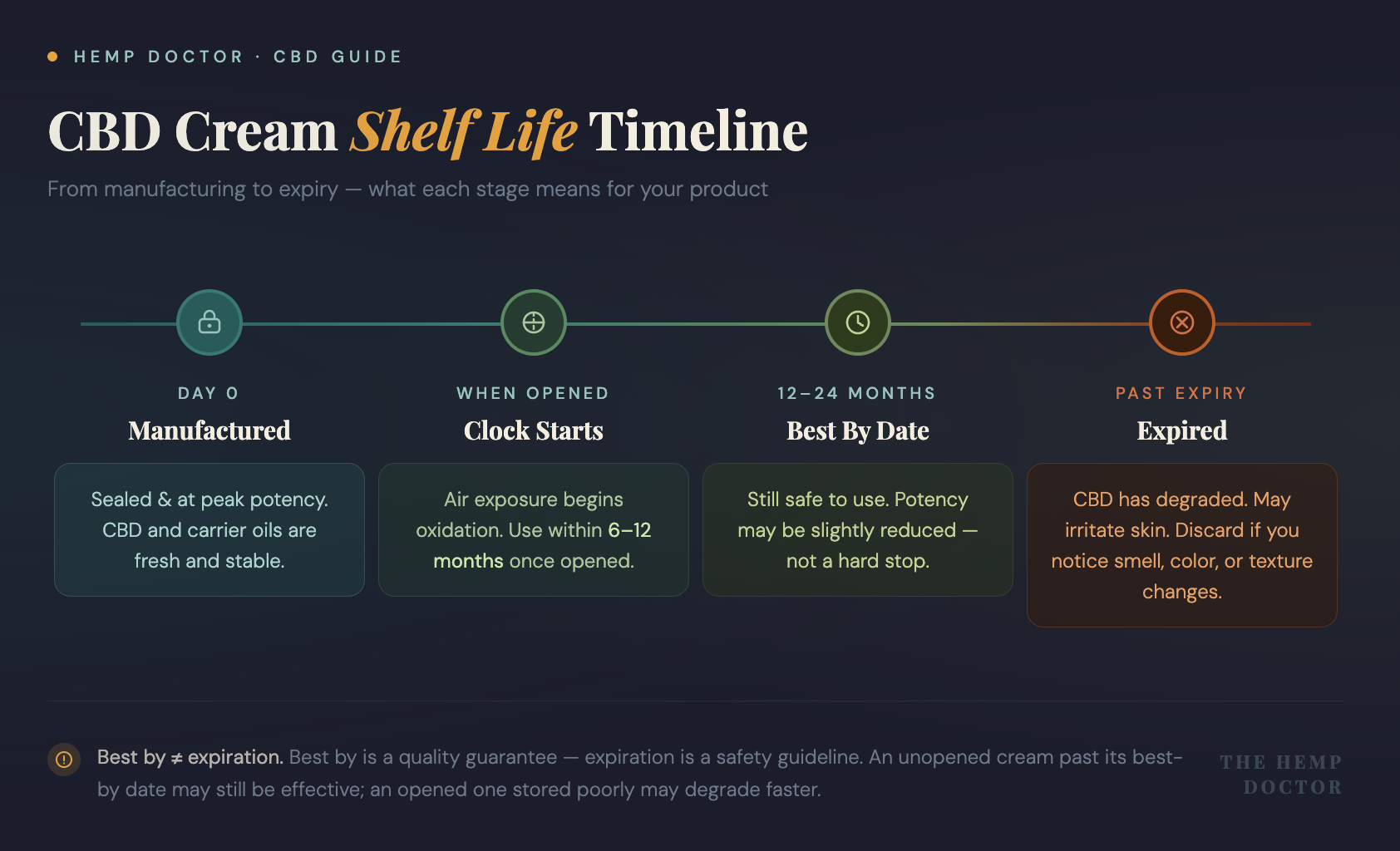
CBD creams remain at optimal quality for between one and two years from the date of manufacture under proper storage conditions. To find the exact best-by date range, check the bottom of the jar, the back label, or the crimped edge of a tube for the printed “Best By” or “BB” followed by a date (for example, Best By: 08/2026).
Most products have a best-by date, which is the manufacturer’s estimate of the period during which the product will retain its peak potency and quality. After that date, the CBD product does not immediately or automatically become unsafe; it only means the manufacturer cannot guarantee that it will retain the same quality or potency levels it had when packed.
An expiration date, on the other hand, means the product is unsafe to use after and should be discarded.
Most CBD topical products will have a best-by date and not an expiry date.
Opened cream typically has a shorter shelf life than unopened cream. This is because when you open the package, you expose the product to air, bacteria, and light, which begin to degrade it.
How Ingredients Affect CBD Cream Shelf Life
CBD cream isn’t all CBD. A topical product typically contains carrier oils such as coconut or hempseed oil, which serve as the base for diluting CBD. It may also contain water, emulsifiers, and other active ingredients, such as menthol, magnesium, eucalyptol, arnica, boswella, lavender, vitamins, and more.
While CBD isolate powder can last for more than 2 years when properly stored, the other ingredients have shorter shelf-lives. The carrier oils and water-based ingredients are usually the first to degrade, and while preservatives may help extend their shelf-life, there are limits.
CBD salves and balms that use wax bases instead of water-oil emulsions last longer as they are less likely to separate. The water also promotes microbial growth, which shortens shelf life.
How to Tell If CBD Cream Has Expired?
Here’s how to tell if your CBD cream has gone bad. You may want to stop using it, even if it has not reached its expiration date, if you notice any of the following signs:
Changes in Color or Consistency
The CBD topical product should have a consistent color and smooth texture. If you notice color changes, such as yellowing, darkening, or spots forming, that’s a sign the formulation is destabilizing.
The product should also have an even consistency. Check for separation in addition to texture changes, which often occur when emulsifiers break down, allowing water and oils to separate.
The CBD cream or lotion should not feel “lumpy” or “grainy” when applied.
Unusual Smell
A fresh CBD cream will have a “clean” scent that may be herbal, minty, or neutral, depending on the specific ingredients used. If the topical develops a sour, rancid, or simply smells “off,” it may be a sign that it has gone bad.
Reduced Effectiveness
If the cream you have been using suddenly stops delivering the same level of relief, it may be a sign that degradation has begun or is in an advanced stage. CBD degrades over time, especially if exposed to air, heat, and light.
With CBD potency loss, the product may retain its integrity, but it is no longer effective.
Always note the purchase or open date of your new CBD cream on the container with a marker. This helps you keep track of the shelf-life and eliminates guesswork months later.
Is It Safe to Use Expired CBD Cream?
An expired topical product does not become unsafe in the same sense as food. However, it’s best to replace the product rather than risk it.
“Over time, skin products tend to oxidize and degrade. These may not be harmful, but they’re certainly no longer beneficial for you. It’s advisable you throw out anything past its expiration date, especially if you have conditions where you have a sensitive skin barrier or immunological problems like allergies.
There’s the possibility of increased microbials that can cause infection when you apply these old products on your skin, and if there’s a break on your skin, you’ve got a skin infection waiting to happen. They may also cause conditions like contact dermatitis, especially if you have a history of eczema and allergies to begin with.”
The Hemp Doctor Medical Reviewer
Note that the expiry date concerns safety, while the best-by date concerns quality.
How to Store CBD Cream for Maximum Freshness?
Improper storage conditions significantly reduce CBD cream shelf life. Here’s how to store CBD cream to ensure it retains maximum freshness and potency:
1. Keep It in a Cool and Dark Place
Light and heat exposure are the biggest enemies of CBD products. They degrade CBD and break down carrier oils, accelerating loss of potency and separation.
The best way to store your cannabis cream is in a cool, dark place away from direct sunlight, such as a drawer or cabinet.
Want to get into more details on the subject? Here’s our deep dive on how to store CBD products by product type.
2. Avoid Humid Environments
Moisture promotes microbial growth, which can compromise the safety and quality of your CBD cream. We recommend storing CBD creams in a dry environment, such as a bedroom drawer, hallway cabinet, or any cool, dry, climate-controlled space away from bathrooms and kitchens.
3. Always Seal the Container Tightly
Oxygen oxidizes and degrades CBD and carrier oils, reducing the product’s effectiveness and quality. After each use, ensure the seal is tight to minimize air exposure.
Here’s where CBD topical products with airless pump dispensers shine, as they minimize exposure to air with each use.
4. Check the Expiration Date
CBD cream can degrade gradually over time, even when stored properly. Checking the expiration or best-by date helps ensure you are using the product at its intended potency and quality.
If you purchase in bulk, consider how quickly you can realistically use the product to avoid unnecessary waste.
How Quality Affects CBD Cream Longevity
The quality of a CBD cream directly affects its effectiveness and how long that effectiveness lasts.
High-quality topical products deliver long-lasting effects and often have longer shelf lives because they contain properly extracted and processed CBD. Products made with low-quality or poorly handled ingredients are less effective and may degrade significantly before the indicated date.
When shopping for high-quality CBD creams, lotions, and balms, look for:
- Third-party lab testing (COA): Independent testing verifies the product’s potency and purity. These results are shown in a Certificate of Analysis (COA), which lists cannabinoid levels and checks for contaminants like pesticides and heavy metals.
- Extraction method: How CBD is extracted affects the preservation of cannabinoids. CO2 extraction tends to produce cleaner, more stable extracts that better preserve the cannabinoid profile.
- Packaging: Airless pumps on opaque containers with tight seals protect the contents from air, light, and contamination, helping maintain the product’s quality and potency longer.
Shop Lab-Tested CBD Cream from The Hemp Doctor
CBD cream is all about targeted use, timing, and quality. While most topical products deliver effects for 2 to 6 hours, how long they last ultimately depends on the formulation, concentration, and storage. Understanding these factors helps you get more consistent results and avoid wasting product that has degraded over time.
Just as important as how you use CBD cream is what you choose to use. From proper extraction methods to airtight packaging and verified lab results, product quality plays a major role in both effectiveness and shelf life.
If you’re looking for CBD creams that check every box, from potency to freshness, explore The Hemp Doctor CBD topical collection.
Every product is:
- Third-party tested with accessible COAs
- Formulated with high-quality hemp-derived ingredients
- Designed for consistency, stability, and real-world use
“Make sure you do your research first and check the components carefully to ensure they’re safe for you to use, especially if you have allergies. It can also be overwhelming to choose, but you can always ask your doctor or a dermatologist what type of formulation they recommend that works best for your type of skin.
Most importantly, before using any new topical product, it’s important to do a skin test first by applying a coin-sized amount on your inner forearm or the bend of your elbow 1-2 times for 7-10 days and check for any skin reaction.”
The Hemp Doctor Medical Reviewer