How Long Do Tinctures Last? Shelf Life, Effects & What to Expect

A tincture is a liquid cannabis extract usually made using alcohol or a carrier oil. To enjoy a tincture, you can either place a few drops under your tongue or add them to food or a beverage.
If you’re new to using cannabis, you’re likely wondering how long do tinctures last. To answer this, we must first distinguish between tincture shelf life and the duration of effects, which are often confused.
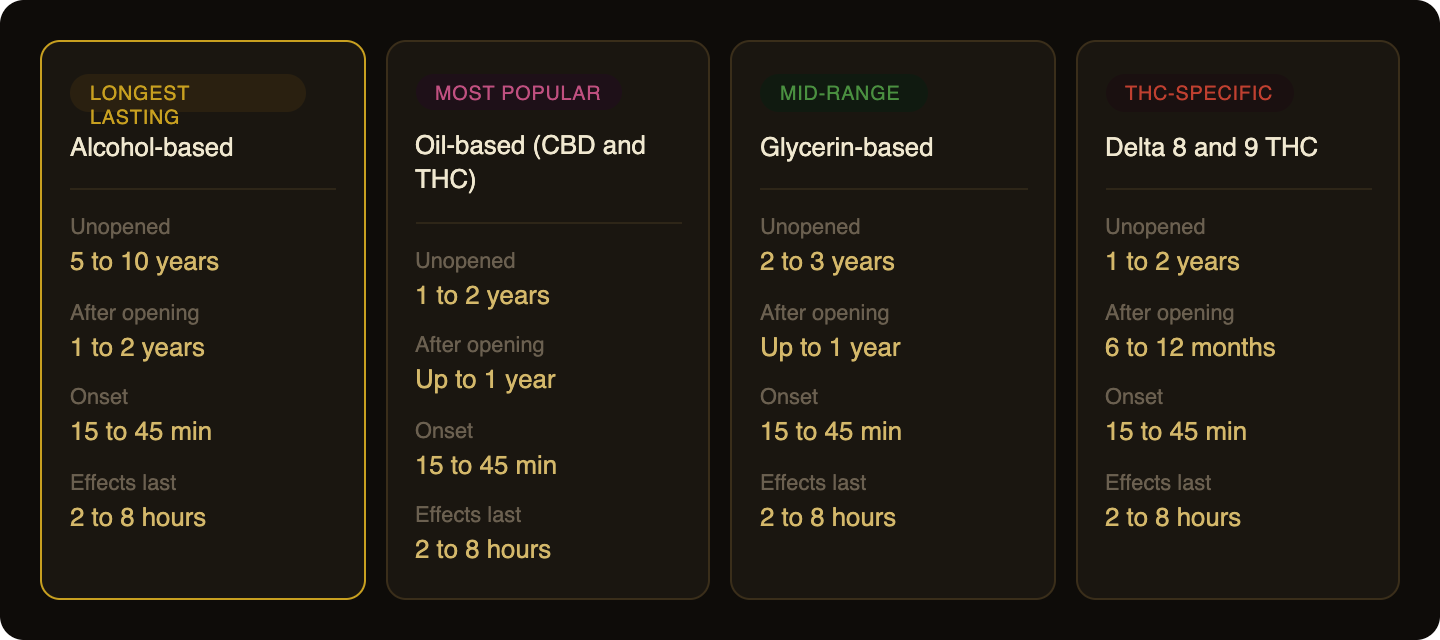
While cannabis tinctures deliver effects that can last anywhere between 2 and 6 hours, their shelf life is much, much longer. Alcohol-based tinctures last 5–10 years unopened; oil-based tinctures last 1–2 years. Stored well, an opened bottle stays potent for up to a year.
That said, alcohol-based and oil-based tinctures do have separate shelf lives. We’ll discuss this and more in this guide to tincture shelf life.
🔑 Key Takeaways
- Tinctures have the longest shelf life of any cannabis product. Stored well, alcohol-based tinctures can last up to a decade.
- Shelf life (how long the product stays potent and fresh) and effects duration (how long you feel the dose) are two entirely different things.
- Cannabis tinctures don’t expire the way edibles do. They gradually lose potency rather than going bad.
- Alcohol-based tinctures last the longest (5–10 years unopened), while oil-based tinctures typically last 1–2 years.
- Heat, direct sunlight, air exposure, and poor production quality are the main causes of early potency loss.
- Store tinctures in a cool, dark place: a cabinet away from windows, or the fridge for oil-based tinctures.
- When taken sublingually, the tincture’s effects kick in within 15–45 minutes and last 4–6 hours. When swallowed with food, the onset is slower, but the effects can last 6–8 hours.
- How long effects last depends on your dose, tolerance, metabolism, body composition, and whether you’ve eaten recently.
Do Tinctures Expire? Understanding Tincture Shelf Life
Yes, cannabis tinctures do expire, but probably not in the way you think. If you know how to store tinctures, they’ll hold up much better than cannabis flower, Delta 9 edibles, and other popular cannabis products.
They’re different from milk, which curdles and goes bad, and bread, which literally grows mold overnight.
Alcohol-based tinctures, for instance, are incredibly long-lasting because the alcohol serves as a natural preservative. However, they do lose potency past their best-by date, becoming weaker and less effective.
So, instead of a mold layer, you’ll simply notice that the CBD tincture that used to knock you right to sleep has lost potency.
If you were wondering how long do tinctures last, here’s a quick breakdown of tincture shelf life based on the carrier:
| Tincture Type | Shelf Life (Unopened) | Shelf Life (Opened) | Onset Time | Duration of Effects |
| Alcohol-based | 5–10 years | 1–2 years | 15–45 min (sublingual absorption) | 2–6 hours (sublingually)4–8 hours(taken with food) |
| Oil-based tinctures(CBD & THC) | 1–2 years | Up to 1 year | 15–45 min(sublingual absorption) | 2–6 hours (sublingually)4–8 hours(taken with food) |
| Glycerin-based tinctures | 2–3 years | Up to 1 year | 15–45 min(sublingual absorption) | 2–6 hours (sublingually)4–8 hours(taken with food) |
| Delta 8 & 9 THC | 1–2 years | 6–12 months | 15–45 min(sublingual absorption) | 2–6 hours (sublingually)4–8 hours(taken with food) |
Remember, several factors affect how long THC and CBD tinctures last. We’ll discuss them in just a bit.
Tincture Shelf Life vs. Tincture Effects: What’s the Difference?
There are a couple of terms that many cannabis enthusiasts confuse when it comes to THC tinctures. These are expiration, potency loss, onset, and duration.
Let’s differentiate them, once and for all.
Expiration: When it comes to tinctures, expiration simply means degrading to the point that quality, potency, and flavor are noticeably affected.
Potency Loss: Before THC tinctures expire, they undergo a process where cannabinoids start to degrade. This results in potency loss and is often caused by improper storage conditions.
Onset Time: This is the amount of time it takes for you to start feeling the effects after consuming THC tinctures. Onset time mostly depends on body metabolism, the product’s formulation, and how you consume your tincture.
When taken sublingually (under the tongue), the onset time is 15–45 minutes. Swallowed with food, you’ll begin to feel the effects after 45 minutes to 2 hours.
Duration: This refers to how long the tincture’s effects last once they kick in. The duration of effects depends on the potency of the product, how much you use, how you consume it, and your personal tolerance.
While sublingual application keeps you elevated for 2–6 hours, the effects remain for 6–8 hours when you swallow it with food.
As you can see, tincture shelf life and duration of effects are two completely different conversations.
-
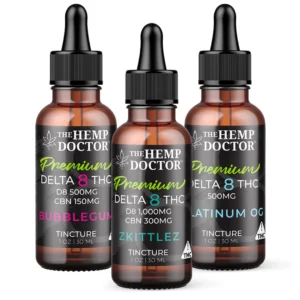
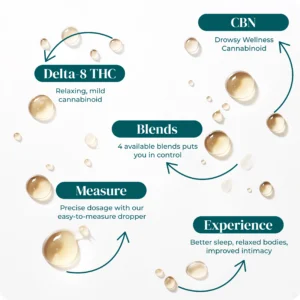
DELTA 8 THC TINCTURE | 30ML
Price range: $29.95 through $49.95Shop Now This product has multiple variants. The options may be chosen on the product page -
doctor recommended
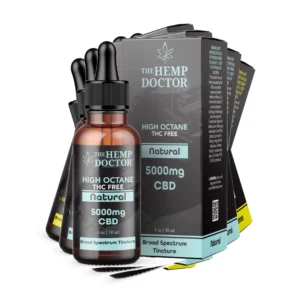
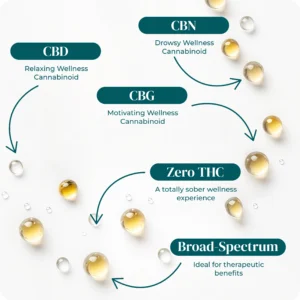
THC-FREE CBD HIGH-OCTANE TINCTURES | 30ML
Price range: $49.95 through $99.95 — or subscribe to save 25%Shop Now This product has multiple variants. The options may be chosen on the product page -
Customer Favorite
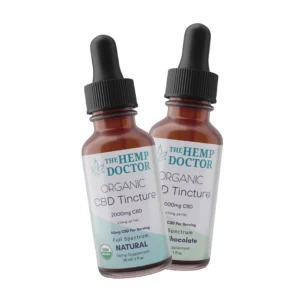
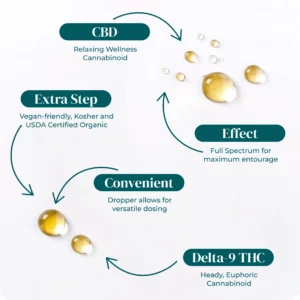
33:1 USDA ORGANIC CBD TINCTURE | 2000MG
$59.95 — or subscribe to save 25%Shop Now This product has multiple variants. The options may be chosen on the product page
What Affects Tincture Shelf Life?
Five main factors impact how long a THC or CBD tincture lasts. These are:
The Base/Carrier
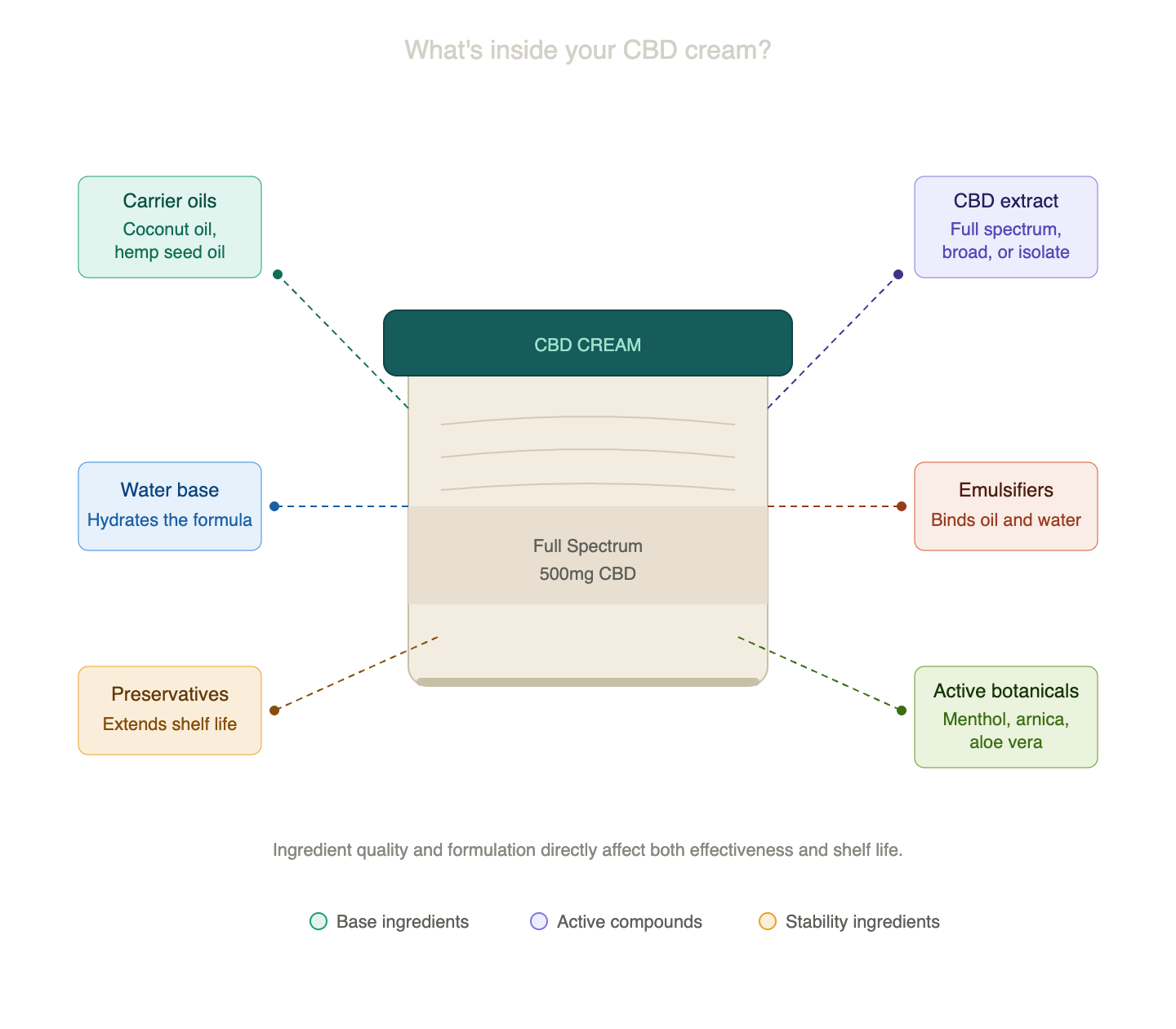
Cannabis tinctures are typically made using alcohol, glycerin, or a carrier oil like MCT oil. Products with alcohol bases tend to last longer since they have a natural preservative that inhibits mold growth and limits cannabinoid degradation.
Glycerin bases and carrier oils, on the other hand, are more likely to go rancid and undergo potency loss due to oxidation. If you’d like to buy THC tinctures in bulk, we recommend choosing products with an alcohol base.
Light Exposure
Nothing causes potency loss like direct sunlight. UV rays from the sun accelerate cannabinoid degradation, resulting in a weaker tincture.
Heat Exposure
Heat also causes cannabinoid degradation and potency loss. When consistently stored above room temperature (21°C), the quality of tinctures degrades rapidly.
Air Exposure
Oxidation wreaks havoc on both cannabinoids and terpenes. This means you lose both the product’s flavor and intensity. To prevent this, always seal caps tightly after use.
Production Quality
How well a product was made significantly impacts its shelf life. Since they have fewer impurities, premium THC tinctures extracted from high-quality plant material and then expertly filtered tend to be more stable. This results in a longer tincture shelf life.
“At The Hemp Doctor, we put a lot of thought into what goes into our tinctures before they ever reach you. The carrier base we choose isn’t just about texture or taste. It directly affects how long your tincture stays fresh and potent on your shelf at home. We also set our best-by dates based on actual potency testing, not guesswork, so when you see that date on the bottle, it means something. Our biggest advice to customers? Store it right. Keep it away from heat and light, seal it tightly after every use, and it’ll take care of you for a long time.”
— Lauren Shade, Customer Service and Retail Warehouse Manager
How Should Tinctures Be Stored?
As you’ve seen, storage conditions play a huge role in determining how long tinctures last. Let’s go through a list of best practices that seasoned cannabis users swear by:
- Store Your Tinctures in a Cool, Dark Place
For oil-based tinctures (such as those made with MCT or hemp seed oil), refrigeration can help extend shelf life, especially if you don’t use them often. Just note that the oil may become cloudy or thicker when cold, which is normal and reversible at room temperature.
Alcohol-based tinctures are naturally shelf-stable due to alcohol’s preservative properties, so refrigeration or freezing is usually unnecessary. In most cases, a cool, dark cupboard is sufficient for long-term storage.
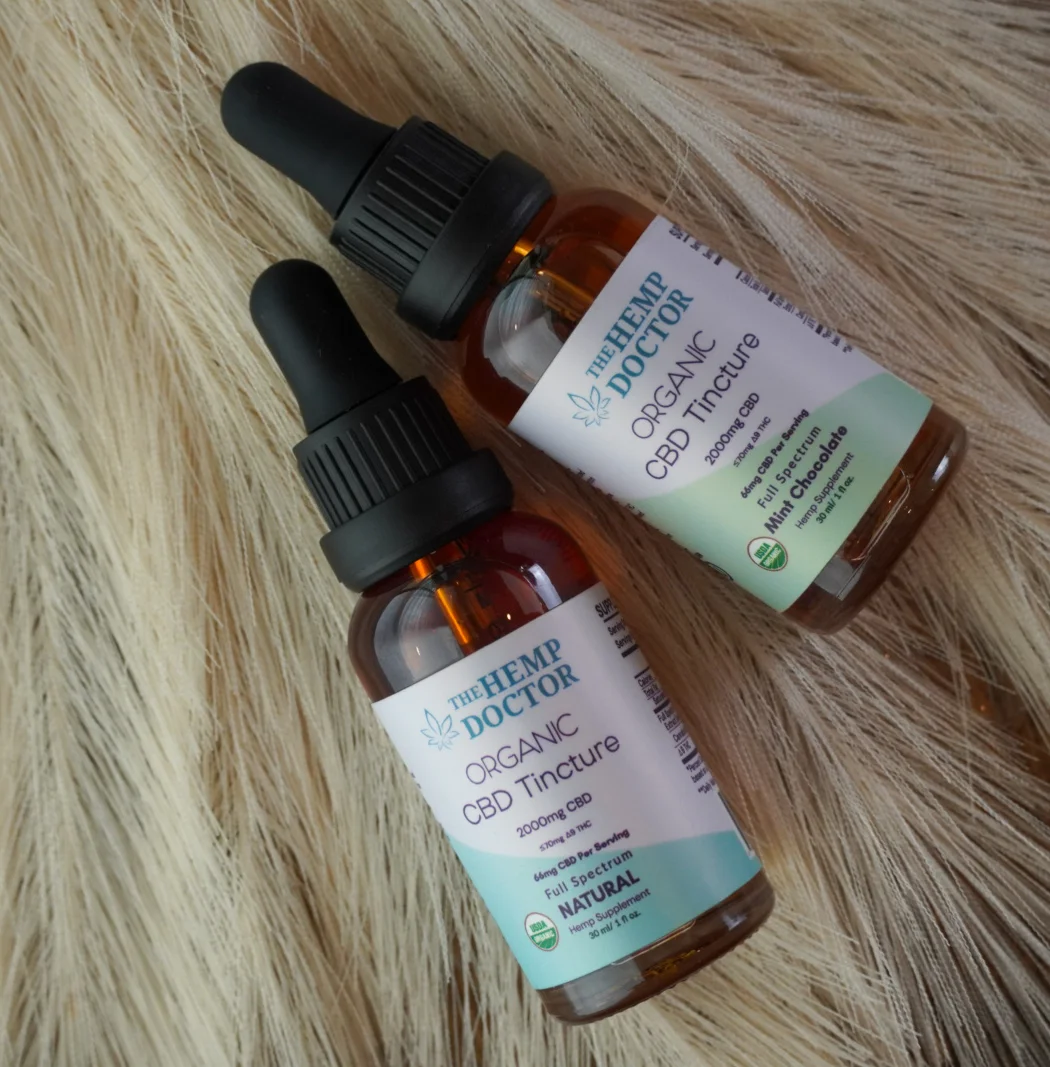
The Hemp Doctor’s USDA Organic CBD Tincture is made with MCT oil and comes in a 2,000mg full-spectrum formula. Because it’s oil-based, it does its best work when stored in a cool, dark place.
- Always Seal the Caps Tightly
Oxidation never stops, so make sure your tinctures are always sealed tightly. Don’t forget to cap the bottle tightly after use.
- Don’t Contaminate the Dropper
If you’re using a dropper bottle, don’t let the dropper’s tip touch your tongue or skin, as this may contaminate it. This would introduce new bacteria to your CBD tincture, which could cause it to spoil sooner.
- Dark Blue/Amber Bottles Work Best
Tinted glass bottles protect THC tinctures against the onslaught of direct sunlight. By blocking UV rays, these bottles help prevent cannabinoid degradation and loss of potency. If you’d like to buy THCA tinctures in bulk, we recommend choosing products with tinted vials.
- Use Them Before They Expire
When it comes to cannabis tinctures, you’ve got to use them or lose them. Once you’ve opened a bottle, aim to consume it within a year or two max to ensure you always get the best results.
Signs a Tincture Has Expired or Degraded
You’ve found an old THC tincture in the back of the cabinet, way past its expiration date, and you’re wondering whether the oil inside is still good. Well, tinctures degrade slowly, so the signs may not be super visible. That said, here are the signs to look out for:
Color Darkening: You may start to notice your tincture change color slightly, which is normal over time. However, if you see significant clouding or darkening, the product has likely broken down.
Off Smell: Common in oil-based tinctures, you may notice a sour, rancid, and almost stale smell. This indicates that the carrier oil has oxidized, which is closely tied to potency loss and quality degradation.
Flavor Changes: If you notice a flat, harsh, or stale taste that’s significantly different from when you bought it, chances are the tincture has expired.
Weaker Effects: If the product takes longer to kick in and wears off faster than it used to, it’s likely experiencing potency loss.
Layer Separation: Settling in normally when it comes to tinctures, but it easily corrects itself when you shake it. If your tincture has separated into different layers that won’t reintegrate, that’s a sign the formula has broken down.
Here’s something most people don’t know. A tincture can look and smell completely fine and still have lost 15–20% of its potency. You won’t catch it with your eyes or nose. The real tell is in the experience: if you’re using the same dose you always have and it’s just not hitting the same way, that’s your tincture telling you it’s past its prime.
Is It Safe to Use a Tincture Past Its Best-By Date?
While tinctures don’t necessarily go bad after their expiration date, we don’t recommend using them after that point.
This is especially crucial to note if the product is oil-based. A sharp, rancid smell is a sign you need to throw that CBD tincture out.
At the same time, it depends on how the tinctures were stored. While a well-stored CBD tincture could remain effective more than a year past its best-by date, a poorly stored product will be stale and weak before that date even arrives.
How Long Do Tincture Effects Last?
The duration of effects you experience will depend heavily on the primary cannabinoid in the tincture you use. Here’s what we mean:
Delta 9 THC Tinctures
Delta 9 THC tinctures deliver the classic cannabis experience: intense psychoactive effects, physical relaxation, and a calm mind. Sublingual absorption has an onset time of 15–45 minutes, with effects lasting 2–6 hours, or even longer, depending on the potency.
CBD Tinctures
CBD tinctures are non-psychoactive. However, they do have various effects, including sedation and calmness. You’ll experience effects 15–30 minutes after placing the drops under your tongue, and they last for 2–6 hours.
Did You Know: CBD is a more stable cannabinoid than THC, which explains why CBD tinctures have a longer shelf life. This is because CBD lacks the psychoactive double bond that THC has, which makes it less susceptible to oxidation.
Delta 8 THC Tinctures
Delta 8 THC is a cannabinoid that allows users to enjoy the benefits of the cannabis plant without getting too intoxicated. While it is psychoactive, it is much milder than regular THC. The effects of a Delta 8 THC tincture last 3–6 hours.
Hemp-Derived THCA Tinctures
THCA is the non-psychoactive, acidic precursor to THC that manufacturers derive from hemp flower. This federally compliant compound delivers similar effects to regular THC: the difference is the source. While they both have a similar onset time of 15–45 minutes, THCA tinctures deliver a milder, clearer sensation that lasts 3–5 hours.
What Affects How Long Tincture Effects Last?
Several factors impact how long THC tincture effects last. These include:
How You Take It
This is the most crucial part of the equation. As we’ve mentioned, you can consume your tinctures in two main ways.
One is sublingual absorption, where you place a few drops of a THC tincture under your tongue and hold them there for a minute or more, then swallow. This method has a quick onset time of 15–45 minutes, but effects tend to last about 3 hours.
The other method is placing a few drops of a tincture onto your food or drink. It acts the same way as edibles, with an onset window of 2–3 hours, and stronger effects that last 6 hours or longer.
The Dose
The more THC you consume, the longer the intensity and duration of effects. In contrast, a small serving size delivers a chill, manageable high that doesn’t last too long.
Your Tolerance
People build a tolerance for THC over time. That’s why long-time users need a few more drops of a THC tincture to feel the same effects as someone who’s new to cannabis. If your tolerance is high, a short detox break will help you reset it.
Your Metabolism & Body Composition
Different people metabolize THC differently. If you have a fast metabolism, you’ll feel the sensation quickly, but the duration of the effects will be pretty short. On the other hand, people with more body fat and a slower metabolism will take a while to feel the effects, but will enjoy them for longer.
Whether You’ve Had a Meal
Sublingual absorption works great on an empty stomach. Effects feel more intense, and the product is metabolized faster. A full stomach, on the other hand, can create a longer onset window and dampen the effects, especially if you swallow the tincture with food.
How Brands Determine Best-By Dates
Cannabis manufacturers don’t guess their best-by dates. Instead, they perform stability tests, placing product samples under controlled conditions and analyzing cannabinoid integrity at regular intervals. This could be after 3, 6, 9, or 12 months, or even longer. When potency drops 10–20% from the original, that point is recorded as the ideal best-by date.
It’s worth noting that:
- No federal regulation governs how cannabis brands set their best-by dates. Instead, they’re determined based on internal and third-party lab data.
- Best-by dates assume proper storage conditions at all times. If you fail to create a similar environment, your THC tinctures could become weak well before their expiration date.
- Alcohol-based tinctures tend to have longer best-by windows than oil-based ones.
The best-by date isn’t an expiration date in the classic sense. It’s simply an indication of when the product is at peak potency.
Conclusion
Cannabis tinctures are one of the most practical products a cannabis user can buy, especially for long-term storage. They can last anywhere between 1 and 10 years, depending on their formulation and how you store them.
Tinctures are also simpler to use, a lot more discreet, and much easier to dose. If you’d like to order cannabis in bulk, THC tinctures are the ideal option.
Just make sure to store them in a cool, dry place (preferably in a refrigerator) away from direct sunlight, heat, and oxidation. Buy high-quality, store it well, and you’ll be surprised how long that THC tincture will serve you.
The Hemp Doctor’s CBD tinctures and Delta 8 tinctures are crafted for long shelf life, consistent potency, and a clean experience from the first drop to the last. Whether you’re new to tinctures or restocking a favorite, there’s a formula made for you.