Why Does My Vape Taste Burnt? 10 Reasons & Quick Fixes

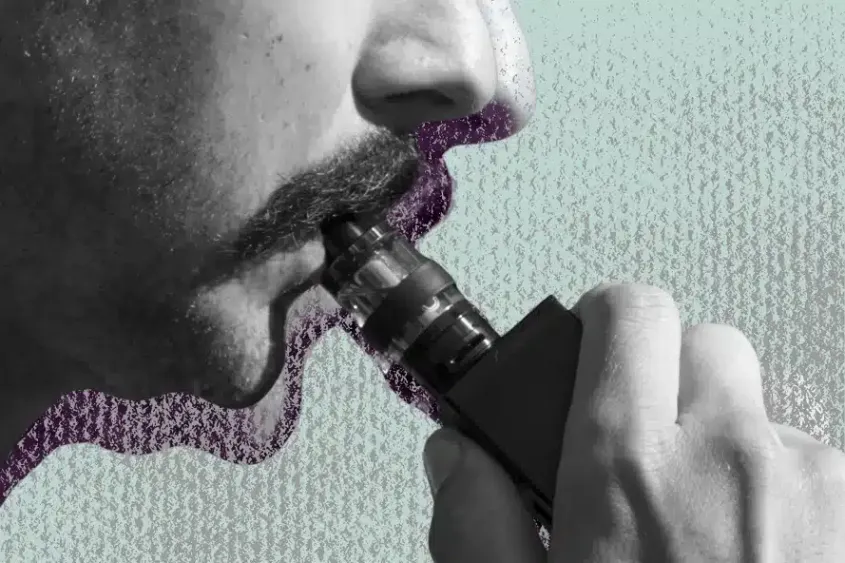
Even if you’re someone who prioritizes effects over taste and aroma—or the experience, if you will—a bad-tasting vape can be a session killer.
While you can’t always fix a burnt vape and the solution relies heavily on the taste’s source, there are plenty of quick and easy strategies to bring your product back into working order. Learn how to get rid of the burnt taste in a vape, or simply when it’s time to switch to a fresh cart or disposable.
1. Excessive Voltage ⚡
Let’s start with one of the most common sources of a burnt-tasting cannabis cartridge, as well as one of the simplest fixes: your voltage is a notch too high.
Your ideal voltage setting depends on both the type of oil and personal preference. There’s no universal number, but it’s possible to push things to an unpleasant extreme. Higher voltage settings will burn off more terpenes than lower numbers, leading to a loss of flavor and aroma.
Different types of cannabis oil have their own optimal voltage ranges. Terpene-rich live resin and full-spectrum oils typically perform best at lower voltages (2.4V to 2.8V), while distillates can generally handle slightly higher settings (2.8V to 3.4V).
Push beyond 3.6V, and you’re likely cooking off precious compounds that give your strain its unique character. At extra high power, you’re not just losing flavor. You’re fundamentally changing the chemical composition of what you’re inhaling.
You’ll generally want to keep your voltage between 2.4V and 3.4V for cannabis carts or disposable vapes. Try reducing your voltage to see if that resolves the issue. Other signs of too-high voltage could include harsh throat hits or rapid oil consumption.
While you can’t exactly adjust this setting on a clogged disposable with a fixed voltage, it typically won’t be an issue with high-quality products from reputable vape brands. These vape devices are designed to run within safe parameters for the oil they contain.
Since preference plays a part, it’s also worth experimenting with different voltages to see which you enjoy the most. Start low and gradually work your way up to find the sweet spot where you achieve great vapor production without compromising flavor.
2. Clogged Cartridge
When air can’t move smoothly through your cartridge, the coil has trouble pulling fresh oil.
Cold weather is a major culprit here. When temperatures drop, cannabis oil thickens considerably, making it a challenge for the heating element to vaporize cleanly. The oil struggles to reach the ceramic coil, resulting in overheating that produces burnt flavors instead of smooth vapor.
Then there’s the debris factor. Pocket lint, dust, or residue from previous sessions can accumulate around the mouthpiece or airflow holes. It might seem minor, but even small blockages can restrict airflow enough to throw off the heating balance and lead to scorched oil.
Try gently warming the cartridge with your hands or bringing it somewhere room temperature. You can also try taking a few light draws without activating the battery to help clear minor blockages. For persistent clogs, use a thin tool, such as a paperclip, to carefully clear the mouthpiece. However, avoid going too deep, as this could damage internal components.
3. Poor Storage Habits
Storage habits matter even before a vape touches your lips for the first time.
Cannabis oil is sensitive to heat and light. Leave a cart in a hot car, and the oil can thin out, seep into unwanted areas, and separate. Keep it on a sunny windowsill, and UV radiation will start breaking down cannabinoids and terpenes—and just like that, you’ve altered the oil’s composition. Sometimes you’ll be spared the burnt taste, but you probably don’t want to vape CBN (Cannabinol) when you’re interested in psychotropic THC (Delta-9-tetrahydrocannabinol).
CBN is the result of the degradation of THC at 120 °C or higher temperatures.
On the other hand, freezing temperatures can cause crystallization, which blocks wicking and results in dry hits.
Orientation matters, too. Carts stored sideways or upside down may not feed oil into the wick properly, increasing the chances of running the coil dry mid-hit.
Don’t turn storage into an afterthought. Stash cannabis vapes at room temperature (around 68-72°F), upright, and in a dark spot. A small case with individual slots is fantastic if you rotate between carts, but it’s not a requirement.
4. Low Oil
Maybe you’re aiming to take the economical path. In theory, vaping a cart or disposable down to the last drop extends the life of your product. It just comes at a cost, albeit not a financial one.
When oil levels are low, the vape coil begins heating air instead of oil, resulting in dry hits and burnt flavors. Without sufficient oil to saturate the coil, all you’ll be left with is sparse vapor production and harsh, unpleasant hits that can irritate your throat and lungs.
Heating elements aren’t designed to run dry, and forcing them to do so can damage both the coil and ruin any remaining oil. You’re better off starting fresh when a cart is around 90% to 95% depleted.
Learn to identify when your vape is almost empty. Once you start getting inconsistent vapor production or notice the oil level sitting below the visible intake holes, it’s time to move on. Trying to squeeze every last drop isn’t worth the irritating experience.
5. Expired or Degraded Oil
While you’ll want to stay away from oils packed with dangerous additives like vitamin E acetate—truly, it’s never worth the risk. Minimally processed vapes require minor sacrifices on the user’s part. They won’t endanger your long-term lung health, but high-quality cannabis products aren’t eternal. Like any organic product, they go bad eventually.
THC and CBD (Cannabidiol) naturally degrade over time. Terpenes are even more fragile, often being among the first components to go when storage conditions aren’t ideal. As these compounds break down, they can create flavors that range from simply unpleasant to genuinely harsh.
The degradation process is accelerated by exposure to heat, light, and oxygen. Even properly stored cannabis oil will eventually lose potency and start tasting off, but poor storage can speed this process dramatically.
If you still have the packaging, check for an expiration date. With responsible storage, cannabis vapes stay fresh for around a year after production, sometimes slightly longer. Visual signs of degradation include darkening of the oil and crystallization, although some color change is normal over time.
Prevention is key here. Proper storage can significantly extend the oil’s shelf life; therefore, be sure to keep vapes in a cool, dark location with minimal temperature fluctuations.
If you suspect your oil has degraded or expired, it’s best to move on to something newer. Out-of-date cannabis products can produce a harsh, unpleasant burnt taste that no amount of voltage adjustment will fix. When in doubt, start fresh with a new product from a reputable source.
6. Counterfeit Products ⚠️
Expired or otherwise, you’ll want to avoid counterfeit and low-quality vape products. These knockoff products often use substandard hardware, untested oil, and dangerous additives. That’s not even considering the fact that more often than not, they taste terrible.
Counterfeit carts often use cheap heating elements that burn too hot or distribute heat unevenly. The oil itself might contain harmful cutting agents that create harsh, chemical-tasting vapor.
Don’t put your health at risk for a subpar experience.
Research brands and products carefully. Check reviews or discussion boards for user feedback, and if you notice any troubling patterns, proceed with caution. Anecdotes won’t tell us the whole story, but they can serve as a solid jumping-off point.
Also, consider reviewing each product’s certificate of analysis (COA) before buying, particularly if you’re shopping on the hemp market. You don’t know exactly what’s in the oil until you’ve verified safety testing.
If there’s no COA available or you can’t verify the source, you’re better off going with products from reputable hemp sellers or licensed dispensaries.
7. Long Draws 🌬️
Taking massive hits might work with cannabis flower, but it’s less than ideal with cartridges and disposables.
Long, hard draws create excessive heat that can burn off delicate terpenes and overwhelm the heating element. This is an outcome that’s especially risky with thicker oils, which may need time to flow and saturate the ceramic properly. When you pull too hard or too long, you’re asking the coil to vaporize more oil than it can efficiently handle.
Stacking hit after hit without pause only makes things worse. The heating element doesn’t get a chance to cool, and the ceramic doesn’t have time to soak up more oil.
Try keeping your draws around two or three seconds, on average. Allow at least 10 to 15 seconds between hits to give the coil time to cool and the ceramic time to absorb fresh oil.
8. Dry or Unprimed Coil
Most cannabis cartridges and disposables arrive with pre-saturated ceramic coils, but dry or under-saturated hits can still happen under certain conditions.
When the coil isn’t adequately supplied with oil, it overheats without enough liquid to regulate temperature and produce vapor. This can happen if thick extracts haven’t fully wicked into the ceramic, or if the cart has been stored in a way that allows oil to settle away from the heating element. Cold temperatures slow the flow of viscous oils, extending the time needed for the coil to re-saturate.
Unlike cotton-wicked coils, which can scorch permanently, ceramic coils are generally more resilient and often recover once oil reaches them again.
To minimize the risk of issues, allow new cartridges to sit upright for at least five to 10 minutes before use, and longer (up to 15 minutes) for thicker oils or in cold conditions. Taking a few gentle, unpowered draws can also help pull oil into the ceramic before firing the device.
9. Rapid Temperature Changes 🌡️
Environmental temperature shifts can significantly impact your vape’s performance, even if you’re storing it correctly most of the time.
Moving a cartridge from a cool car into a warm room (or vice versa) causes oil to expand and contract rapidly. This can create air bubbles in the oil or cause it to separate temporarily from the heating element. When you puff on a vape with air pockets around the coil, you’re primarily heating air instead of oil, resulting in a harsh, burnt flavor.
Temperature shock can also affect the ceramic coil’s ability to maintain consistent heat distribution. Rapid cooling and heating cycles stress the materials and can cause temporary performance issues until everything reaches equilibrium again.
When bringing a vape in from extreme temperatures, let it acclimate to room temperature for 15 to 20 minutes before use. If you’re determined to use it immediately, start with very gentle, short draws until the oil and hardware stabilize.
10. Manufacturing and Quality Control Issues
When heating elements malfunction or run too hot, you’ll wind up with harsh, burnt-tasting vapor instead of the smooth hit you were hoping for. Manufacturing slip-ups can leave you with coils that heat unevenly or don’t maintain consistent temperatures, and no amount of troubleshooting will fix a fundamentally broken piece of hardware.
If a product tastes burnt right out of the package despite proper setup, it could be a manufacturing defect. Consider contacting the retailer or manufacturer for a replacement. Reputable companies will typically honor returns for defective products.
Is It Bad to Smoke a Burnt Vape?
If we’re looking at it from a safety angle, how “bad” it is to puff on a burnt vape depends on the source of the taste.
Hitting a burnt-tasting vape isn’t inherently hazardous to your health. It’ll absolutely be an unpleasant session (possibly leading into a lackluster high), but occasional exposure to overheated cannabis oil won’t cause immediate harm. The real concern comes from repeatedly vaping burnt material, which can irritate your throat and lungs over time.
That said, if the burnt taste is a byproduct of counterfeit products or degraded oil with unknown additives, safety becomes a major concern. These knockoff products may contain harmful chemicals that become more hazardous when heated. Vitamin E acetate is a classic example of this, converting into ketene gas when exposed to high temperatures.
How to Make a Disposable Vape Not Taste Burnt? Prevention Tips
Seeing as you can’t replace individual components in disposables, taking care of them from day one is crucial to avoid scorching your oil.
Practice the following to prevent a burnt taste on disposables:
- Storage is everything: Keep disposables upright in cool, stable environments. Avoid cars, pockets during exercise, or anywhere temperatures can fluctuate wildly.
- Use proper technique: Take shorter, gentler puffs and pause between hits. Disposables aren’t known for offering voltage or temperature control, making them more susceptible to overheating with aggressive use.
- Rotate your products: If you’re a heavy user, consider keeping multiple disposables in rotation rather than using one continuously.
- Remember to preheat: Some modern disposables offer preheat functionality to help ensure proper oil flow before your first draw.
- Choose reputable vape brands: Research brands, read reviews, and stick with manufacturers that have positive reputations for quality control, which is extra crucial if you’re shopping on the hemp market, rather than a tightly regulated dispensary.
- Know when to call it quits: When a disposable is almost empty or starts tasting burnt consistently, it’s reached the end of its life.
Final Puff: Keeping Your Vape Smooth
It’s a red flag, but a burnt-tasting vape doesn’t always spell the end of your session. You might be one quick and easy solution away from a flavorful, aromatic experience. Maybe that involves bumping down your voltage, improving storage habits, or simply recognizing that it’s time for a new cartridge.
Prevention is always the best strategy. Proper storage, moderate usage, and purchasing from reputable sources can prevent most burnt taste problems before they start. When issues do arise, systematic troubleshooting usually identifies the culprit quickly.
Remember that some factors (manufacturing defects, out-of-date oil) are outside your control. Don’t hesitate to replace faulty products or contact manufacturers when necessary. Your vaping experience should be enjoyable, not a test of endurance against scorched flavors.
If you’re tired of constantly getting disappointed and want to avoid burnt hits for good, switch to our premium THC vape cartridges and vape disposables.
-
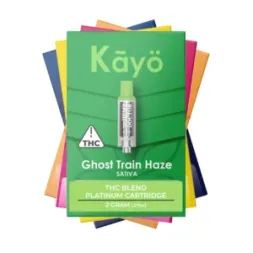
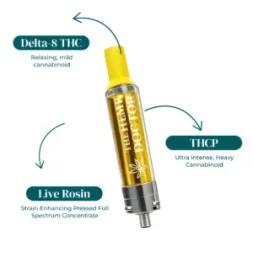
KAYO | THC BLEND VAPE CARTRIDGE | 2G
$15.00Shop Now This product has multiple variants. The options may be chosen on the product page -
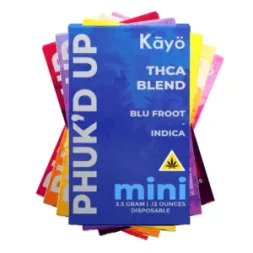
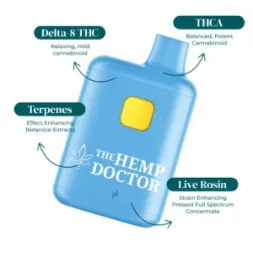
PHUK’D UP | THC BLEND DISPOSABLE VAPE | MINI 3.5G
$25.00Shop Now This product has multiple variants. The options may be chosen on the product page