Candyland Strain: Complete Profile Breakdown
Candyland
THC
18% to 24%
CBD
Less than 1%
Flowering time
About 8-9 weeks
Outdoor: mid-October
Intensity
Strong
Strain class
Sativa-dominant
Grow difficulty
Moderate
Dominant terpenes
Flavor profile
Primary effects
Side effects
Lineage
Best for
Candyland is a sativa-dominant hybrid known for sweet berry-candy flavor, uplifting effects, and a strong but usually functional high. Bred by Ken Estes of Grand Daddy Purp Genetics, the Candyland strain crosses Granddaddy Purple with Bay Platinum Cookies, which is closely tied to the Platinum GSC family.
You may also see this strain listed as Kandyland strain on menus. THC numbers can vary by grower, phenotype, harvest timing, cure quality, and lab test. A strong batch may feel very different from a lower-testing batch, so always review the product’s COA when available.
Candyland Strain Information
Candyland is a sativa-dominant hybrid, most often described as about 70% sativa and 30% indica. Some menus list it closer to 75/25 or even 80/20, but the overall consensus is clear: Candyland is a sativa dominant hybrid with an upbeat, functional personality.
As a candyland cannabis strain, it is best known for sweetness and fruitiness, candy like flavors, berry and honey notes, pine undertones, and a bright mental lift. Many adult consumers describe it as happy, creative, social, and more daytime-friendly than most heavy indica strains.
This is not usually a sleepy, couch-lock style cultivar. Its Granddaddy Purple parent brings color potential, resin, and body comfort, but Bay Platinum Cookies gives Candyland more lift, vigor, potency, and modern dessert-style appeal.
Potency is moderate to strong. The candyland strain THC level is commonly reported around 18%–24%, although broader reports put some batches as low as about 14% and others near 29%. That range matters. A 17% Candyland flower and a 27% Candyland concentrate or high-THCA batch are not the same experience.

“Candyland is one of those strains that earned its name the right way. It has the sweet aroma people expect, but the real appeal is the upbeat, functional high. For many experienced consumers, it lands in that useful daytime zone without feeling flat or boring.”
The Hemp Doctor CEO
Is Candyland Indica or Sativa?
Candyland is usually classified as a sativa-dominant hybrid, commonly listed as 70% sativa and 30% indica. Some sources may describe it as 75/25 or 80/20, but Candyland consistently leans sativa.
It is not a pure sativa. The indica influence comes through Granddaddy Purple, which can add light body relaxation, resin production, and occasional purple coloring. Still, most consumers report uplifting, creative, happy, energetic, and social effects rather than deep sedation.
Compared to a classic indica, Candyland usually feels more functional. Compared to a sharp sativa, it may feel smoother, sweeter, and more balanced.
“Sativa” does not guarantee energy, and “indica” does not guarantee sleepiness. Effects depend on cannabinoids, terpenes, freshness, dose, product type, and your personal tolerance.
Candyland Strain Genetics & Origin
Candyland was bred by Ken Estes of Grand Daddy Purp Genetics. It is generally understood to be a cross of Granddaddy Purple × Bay Platinum Cookies.
Ken Estes is strongly associated with Granddaddy Purple genetics, and Candyland is one of the more recognizable sativa-leaning cultivars connected to that family. The strain is often reported to have emerged around 2011, during a period when Cookies-family genetics and purple legacy lines were becoming major market forces.
The goal was reportedly to create a more vigorous, daytime-friendly expression linked to GDP-family genetics. Candyland’s appeal comes from that contrast. It has the sweetness and resin people expect from dessert-style flower, but it usually behaves brighter than a traditional Granddaddy Purple child.
Candyland Lineage Breakdown
| Parent Strain | Contribution to Candyland |
| Granddaddy Purple | Purple color potential, berry/grape sweetness, body comfort, dense resin |
| Bay Platinum Cookies | Cookies-family sweetness, potency, hybrid uplift, bag appeal, resin production |
Candyland is interesting because it does not act exactly how many people expect a Granddaddy Purple descendant to act. GDP is famous for its relaxing, indica-heavy reputation. Candyland’s Bay Platinum Cookies influence, often associated with platinum gsc genetics, helps move the experience toward a brighter and more creative profile.
Why Is Candyland Also Called Kandyland?
Candyland is sometimes spelled Kandyland. In most shopping contexts, Candyland and Kandyland refer to the same or closely related strain name, but you should still check the listed genetics.
The alternate spelling is partly practical. It helps distinguish the cannabis strain from the well-known Hasbro board game name. In Oregon, regulators previously restricted certain cannabis product names that could appeal to children or resemble candy or children’s brands. Spellings like “Kandyland” became a common workaround in some markets.
If a product is labeled Kandyland, check the genetics. Most menus use Kandyland as an alternate spelling for Candyland, but cannabis naming can vary by grower, seed source, and market.
Candyland strain genetics
Candyland Awards and Market Reputation
Candyland won gold at KushCon 2012 in Denver, helping establish it as more than another sweet strain with a catchy name. It later gained additional recognition in competitive cannabis events, including reported wins in sativa flower categories.
That award history matters because Candyland sits between legacy genetics and modern dessert cannabis. It is older than many hype-era candy strains, but its sweet flavor, uplifting profile, and colorful bag appeal still feel current.
Candyland also developed a strong following on the West Coast and in other mature cannabis markets. Community discussions often mention older Candyland batches as unusually blissful, functional, and harder to find today. That scarcity has become part of the strain’s modern reputation.
Candyland Strain Effects
Common candyland strain effects include happiness, uplifted mood, creativity, euphoria, energy, social ease, and light body relaxation. Many consumers describe it as a functional daytime strain rather than a couch-lock strain.
| Reported Effect | What It May Feel Like |
| Uplifted mood | Brighter mindset, easier conversation, more positive outlook |
| Creativity | Useful for music, art, brainstorming, or low-pressure tasks |
| Energy | More daytime-friendly than many GDP-family strains |
| Euphoria | Warm head high and cheerful mental effect |
| Body relaxation | Mild physical ease without immediate couch-lock |
| Focus | Possible at low to moderate servings |
Candyland may feel focused in smaller amounts and more euphoric or hazy in larger amounts. As with any THC-forward flower, dose and tolerance make a major difference.
How Does Candyland Make You Feel?
Candyland usually makes people feel uplifted, happy, creative, and lightly energized. The high often starts with a euphoric head effect, then settles into a smoother hybrid body feel.
| Dose Level | Possible Experience |
| Small amount | Mood lift, creativity, focus, light energy |
| Moderate amount | Euphoria, social ease, stronger body comfort |
| Larger amount | Hazy thinking, dry mouth, dizziness, possible anxiety or fatigue |
Higher doses can become uncomfortable for THC-sensitive adult consumers. If you are newer to THC, Candyland’s sweet taste can make it easy to overdo.
Candyland Effects Timeline
| Time After Inhalation | What Consumers May Notice |
| 0–15 minutes | Fast head lift, sweet flavor, brighter mood |
| 15–45 minutes | Creative, social, euphoric peak |
| 45–90 minutes | Smoother body relaxation and calmer energy |
| 1.5–3 hours | Gradual fade, possible tiredness depending on dose |
Edibles are different. They can take 30 minutes to 2+ hours to kick in and may last 4–8 hours or longer depending on serving size, metabolism, and product formulation.
Is Candyland a Strong Strain?
Yes, Candyland is usually considered a strong strain, but not always an extreme one. Most sources report Candyland around 18%–24% THC, while some phenotypes and batches may range from about 14% to 29% THC.
A batch above 20% THC can feel strong for many adult consumers. A 25%+ batch can feel intense, especially for beginners or anyone sensitive to sativa-leaning effects.
THC percentage is not the whole story. Terpenes, minor cannabinoids, freshness, product type, and personal tolerance all influence the final experience.
User-Reported Candyland Strain Effects
Community-style candyland strain review discussions often describe Candyland as a “no couch-lock” strain with a blissful, productive feel. That is one reason the strain still has a loyal following, even when it is not always easy to find.
| Reported Theme | What Consumers Mention |
| Functional uplift | Many describe Candyland as happy and productive rather than sleepy |
| Mood support | Consumers often mention feeling more positive or socially open |
| Body comfort | Some report light physical relaxation without heavy couch-lock |
| Flavor appeal | Sweet berry, candy, vanilla, honey, and pine notes are commonly mentioned |
| Availability frustration | Some consumers say Candyland is harder to find than it used to be |
Users report Candyland as a reliable daily driver that delivers consistent results across multiple grows. The strain is noted for its dense bud structure and high potency despite its sativa-dominant profile.
Note: Individual experiences vary and are not based on laboratory testing.
- Sativa-Forward Effects: This 80/20 sativa-dominant strain is described as a go-to daily choice, suggesting uplifting and functional effects without overwhelming sedation.
- Potency and Density: Multiple growers highlight surprisingly dense buds for a sativa-leaning strain, with reports of high potency that impresses across repeated cultivations.
- Reliable Genetics: Users consistently praise the strain’s stability and performance across multiple grows, with strong yields and healthy plant vigor throughout the cultivation cycle.
- Repeatability: Candyland stands out as a strain growers return to regularly, indicating reliable effects and quality that justify continued selection over other available options.
Candyland Side Effects
Common Candyland side effects include dry mouth, dry eyes, dizziness, anxiety, head pressure, hazy focus, and paranoia, especially with higher-THC batches or larger servings.
Candyland can be stronger than its sweet flavor suggests. If you are new to THC or prone to uncomfortable sativa-leaning effects, start with a very small amount and wait before taking more.
Do not drive or operate machinery after using THC products. Avoid mixing THC with alcohol. If you are THC-sensitive, use Candyland in a comfortable setting and avoid stacking servings too quickly.
Candyland Strain Flavor and Aroma
Candyland is known for a sweet, candy-like flavor layered with berry, vanilla, honey, pine, earth, and light spice. Its aroma can be sugary and fruity, but many batches also carry earthy, peppery, or herbal notes from the strain’s terpene profile.
The candyland strain taste usually starts with a fruity candy inhale. Berry or grape-like sweetness may show up first, followed by creamy vanilla, honey, pine, and a lightly peppery or earthy finish.
Common aroma and flavor notes include sweet candy, berry, honey, vanilla, pine, earth, spice, and sometimes citrus. The best batches balance sweetness and fruitiness with enough herbal depth to avoid tasting one-dimensional.
What Does Candyland Taste Like?
Candyland usually tastes sweet, fruity, and lightly earthy. Many consumers describe berry, candy, honey, vanilla, and pine flavors, with a spicy or herbal finish depending on the batch.
-
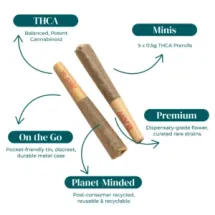
THCA SUGAR DIAMOND INFUSED PRE-ROLLS | 5-PACK TINS
$29.95Shop Now This product has multiple variants. The options may be chosen on the product page - Sale!On Sale

The Flower Connoisseur Box
Original price was: $175.00.$119.95Current price is: $119.95. / month
Dominant Candyland Strain Terpenes
The dominant Candyland strain terpenes are most often reported as caryophyllene, myrcene, and limonene, though exact percentages vary by grower and lab test.
| Terpene | Reported / Possible Range | Aroma Contribution | Possible Role in Candyland |
| Caryophyllene | Up to around 1.23% in some profiles | Pepper, spice, wood | Adds bite, depth, and earthy spice |
| Myrcene | Around 0.5%–1.5% in some reports | Earth, musk, herbs | Adds body and smoothness |
| Limonene | Varies by batch | Citrus, fruit peel | Adds brightness and upbeat character |
| Linalool | Minor terpene in some batches | Floral, soft spice | May soften the profile |
| Pinene | Minor terpene in some batches | Pine, herbs | Adds freshness and sharper green notes |
Caryophyllene
Caryophyllene gives Candyland some pepper, spice, and woody depth. It can keep the strain from tasting purely sugary, which helps balance its candy-like profile.
Myrcene
Myrcene brings earthy, musky, herbal notes. In Candyland, it may contribute to the smoother body feel that keeps the strain from feeling too sharp.
Limonene
Limonene adds citrus brightness and fruit-peel aroma. It may be one reason many Candyland batches feel cheerful and upbeat rather than heavy.
For broader cannabis and hemp chemistry education, the National Center for Complementary and Integrative Health offers a helpful overview of cannabis and cannabinoids.
Cannabinoid Profile: THC, CBD, CBG, and CBN
Candyland is usually a THC-forward strain with low CBD. Some sources also report small amounts of CBN and CBG, making it more interesting than a simple THC profile.
| Cannabinoid / Metric | Typical or Reported Range | What It Means |
| THC | Commonly 18%–24% | Main intoxicating cannabinoid |
| Full THC range | Around 14%–29% depending on phenotype | Shows batch variation |
| CBD | Usually around 1% or lower | Not a CBD-rich strain |
| CBN | Around 1% in some reports | Minor cannabinoid that may appear with oxidation or age |
| CBG | Around 1% in some reports | Minor cannabinoid associated with early plant development |
| Total terpenes | Varies by batch | Impacts aroma, flavor, and experience |
If you are shopping hemp-derived THCA flower, remember that THCA converts to THC when heated. Raw THCA percentage is not the same as total THC. Total THC uses conversion math because THCA loses mass when it decarboxylates into THC.
For a deeper breakdown, read The Hemp Doctor’s guide to THCA vs THC.
What Is Candyland Strain Good For?
Candyland is commonly chosen for daytime mood lift, creativity, social settings, light physical relaxation, and functional euphoria. Some adult consumers also report choosing it for stress-filled days, low-energy afternoons, minor physical tension, and general unwinding, but that should not be treated as medical advice.
| Use Case | Why Candyland May Fit |
| Creative work | Uplifting, idea-friendly head effect |
| Social settings | Happy, talkative, less couch-locking |
| Daytime relaxation | Calming without usually being overly sedating |
| Mood lift | Commonly reported euphoric and uplifting effects |
| Light body comfort | GDP genetics may add physical ease |
| Outdoor activities | Functional energy for tolerant consumers |
Candyland is usually better for low-pressure activities than high-stakes tasks. If you need to drive, work with equipment, or stay fully sharp, save it for later.
Best Time To Use Candyland
Candyland is usually best for daytime or early afternoon use, especially for people who want an uplifting hybrid that does not immediately feel heavy.
Morning use may work for experienced adult consumers with higher tolerance. Afternoon is often the safest “functional” window because the strain has time to fade before evening obligations.
Evening use may be fine if you do not need a sedating strain. However, higher servings can become less functional and may lead to tiredness after the peak.
Who Should Choose Candyland?
Candyland may be a good fit for adults who like sativa-dominant hybrids, sweet fruity strains, daytime-friendly effects, creative sessions, and social flower. It may also appeal to Granddaddy Purple fans who want a brighter, more energetic expression.
Candyland may not be ideal for THC-sensitive beginners, anyone prone to paranoia from sativa-leaning strains, shoppers looking for CBD-rich flower, or consumers who want a heavy knockout indica. It may also miss the mark if you dislike sweet cannabis flavors.
Is Candyland Good for Beginners?
Candyland can be manageable for some beginners, but it is not the best choice for a first THC experience if the batch tests above 20% THC.
If you are new to THC, choose a lower-THC batch if available. Take one small puff and wait 10–15 minutes before deciding whether you want more. Avoid concentrates, infused pre-rolls, and high-potency edibles at first.
If you are using edibles, wait at least 2 hours before increasing your serving. Edibles can feel stronger and last much longer than inhaled flower.
Beginners should prioritize COAs, product type, and serving size over strain hype. A famous strain name does not tell you how strong your specific product will feel.
Physical Characteristics
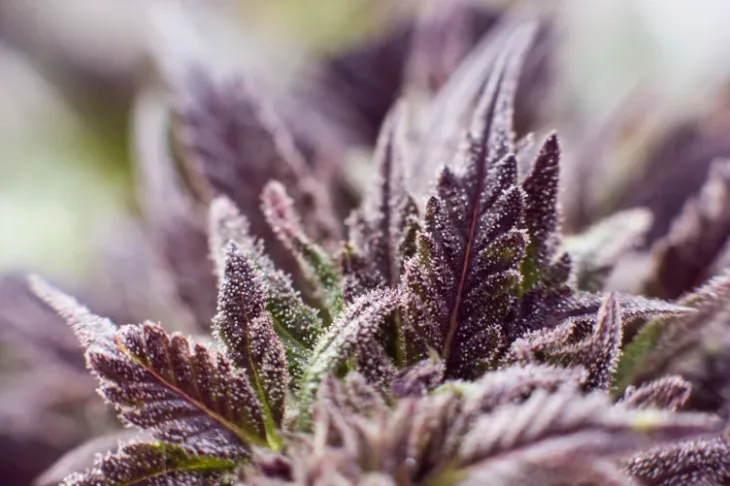
Candyland typically has strong bag appeal, with dense green buds, bright orange pistils, and a thick coating of frosty trichomes. Some phenotypes may show purple hints from the Granddaddy Purple side.
Expect compact to medium-dense buds, sticky resin, orange or gold pistils, green bud structure, and a sugary appearance that matches the name. A well-grown Candyland flower often looks bright, frosty, and colorful rather than dull or leafy.
Cultivation and Growing Tips
Candyland is generally considered a moderately approachable strain for growers, with an indoor flowering time of about 8–9 weeks and outdoor harvest around mid-October. The candyland strain flowering time makes it practical for many indoor setups where legal.
Always check local laws before buying candyland strain seeds, germinating cannabis, or growing plants. Cannabis cultivation laws vary widely by state, city, plant count, product type, and license status. For federal context, the USDA provides information on the U.S. Domestic Hemp Production Program.
Growing Difficulty
Candyland is often described as moderately easy to grow, but quality results require attention to humidity, airflow, feeding, and harvest timing.
Mold resistance is often mentioned as part of its appeal, but that does not mean growers can ignore airflow. Dense buds and resin-heavy flowers still need humidity control, especially late in flower.
Environmental Needs
| Factor | Recommendation |
| Temperature | Around 70–85°F |
| Humidity | Lower in late flower to reduce mold risk |
| Airflow | Strong airflow recommended |
| Odor control | Carbon filter recommended indoors |
| Storage after harvest | 60–70°F and 58%–62% RH |
Flowering Time and Harvest
Candyland typically flowers indoors in about 8–9 weeks. Outdoor plants are usually harvested around mid-October, depending on climate and phenotype.
Use trichome color to confirm harvest timing. Mostly cloudy trichomes with some amber is a common target. Earlier harvests may feel brighter, while later harvests may feel heavier.
Yield Expectations
Some sources report Candyland yields around 14 oz/m² indoors and up to 35 oz per plant outdoors, but actual yield depends on genetics, environment, lighting, veg time, training, and grower skill.
Seed source matters. Be cautious with seed sellers using popular strain names without breeder transparency or genetic details.
Cure and Storage Tips
Dry Candyland slowly in a cool, dark space and avoid overdrying. After drying, cure in airtight jars or suitable containers, keeping the environment stable and protected from heat, light, and excess oxygen.
For storage, aim for about 60–70°F and 58%–62% relative humidity. Proper storage helps protect Candyland’s sweet berry aroma, terpene profile, and texture.
Can Candyland Be Used in Edibles?
Yes, Candyland flower can be used in edibles if it is properly decarboxylated first. Because Candyland is THC-forward, edible servings should be measured carefully.
A common decarb guideline is around 240°F for 30–40 minutes, though time and temperature can vary by oven and material. Once infused into butter, oil, or another carrier, edible effects may take 30 minutes to 2+ hours to appear and can last 4–8 hours or longer.
Start with a low serving. Do not re-dose too quickly.
Homemade edibles can be difficult to dose evenly. Label them clearly, store them away from children and pets, and never mix them with regular snacks.
Candyland Awards, Scarcity, and Availability
Yes, Candyland is still around, but it may be harder to find than newer hype strains. Availability depends on your state, licensed dispensary menus, hemp-derived THCA flower menus, seed sources, and whether local cultivators are still running a true Candyland or Kandyland cut.
Older award-winning strains can become less common as the market chases newer genetics. If you are trying to find it, search both “Candyland” and “Kandyland.” Look for listed genetics: Granddaddy Purple × Bay Platinum Cookies.
Also review COAs when available. A product name alone does not prove potency, terpene profile, or authenticity.
The candyland strain price can vary widely depending on the market, product type, grow quality, and whether you are buying flower, pre-rolls, concentrates, or seeds. Premium indoor flower and verified genetics usually cost more than generic menu listings.
If Candyland itself is not available, The Hemp Doctor inventory rotates often. You can browse current THCA flower, sativa flower, hybrid flower, current deals, and the strain guide hub for similar options.
Related Strains Similar to Candyland
| Strain | Genetics / Family | Usually Best For |
| Candyland | Granddaddy Purple × Bay Platinum Cookies | Sweet, uplifting, functional daytime hybrid |
| Granddaddy Purple | Purple Urkle × Big Bud | Relaxing berry indica effects |
| Girl Scout Cookies / GSC | Durban Poison × OG Kush lineage | Sweet potency and hybrid euphoria |
| Sweet Cindy | Sweet Tooth × Cindy 99-style genetics | Uplift, sweetness, creative energy |
| Jack the Ripper | Jack’s Cleaner × Space Queen | Sharp sativa energy and focus |
| Black Diamond Cherry Diesel | Cherry/gas hybrid family | Fruit, gas, heavier body feel |
| Permanent Marker | Modern candy-gas hybrid | Loud aroma and euphoric relaxation |
Choose GSC if you want more Cookies-style potency. Choose Granddaddy Purple if you want a heavier nighttime version. Choose Jack the Ripper if you want sharper sativa energy. Choose Permanent Marker if you want louder modern candy-gas flavor. Choose Sweet Cindy if you want another sweet, upbeat profile.
Find Your Match
Answer 5 quick questions to get your strain recommendations
Where Can You Find Candyland Strain Near You?
Candyland may appear in licensed dispensaries, hemp-derived THCA flower menus, seed banks, or rotating flower menus depending on local law and availability.
The Hemp Doctor’s inventory rotates, so Candyland itself may not always be available. For similar options, browse THCA flower, sativa flower, hybrid flower, current deals, and our strain guide hub.
You can also check product lab reports before choosing your next strain.
Looking for sweet, uplifting, terpene-rich flower? Browse The Hemp Doctor’s current THCA flower selection and check product COAs before you buy.
Unique Information About Candyland Strain
- Took home first place gold in sativas at the 2012 Denver KushCon.
- Its known ability to keep users focused has made it a top choice for people who are diagnosed with ADHD.
- Candyland’s analgesic properties have also made it a go-to strain for users.
- Given its milder side effects, Candyland’s high is easier to handle, especially for beginner users.
- The relaxing body high that occurs with slightly higher intakes makes Candyland a viable nighttime strain. That speaks volumes about its versatility.
Final Verdict: Is Candyland a Good Strain?
Candyland is a strong, flavorful, sativa-dominant hybrid that still deserves attention. Its biggest strengths are its sweet flavor, functional uplift, creative energy, and award-winning Granddaddy Purple lineage.
It is especially appealing for adults who want a happy daytime strain without immediate couch-lock. It also has real strain history behind it, which gives it more credibility than many sweet-named cultivars that appear briefly and disappear.
The drawbacks are worth noting. Candyland can be too strong for THC-sensitive consumers, some batches may cause anxiety or paranoia at high servings, and availability can be inconsistent. True genetics may also vary by grower.
Candyland is worth trying if you enjoy sweet, uplifting hybrids with cannabis history and a balanced sativa-forward personality.
Frequently Asked Questions About Candyland Strain
Hopefully, this strain guide provided enough information about Candyland. But before we end, here are answers to some frequently asked questions.