
How to Reset Cannabis Tolerance: T-Breaks, Tapering, and Lower-THC Strategies


Quick Answer: To reset cannabis tolerance, many adults either pause THC use for a set period, consume less often, or choose products with lower THC content. A short break of 48 to 72 hours may help occasional consumers notice stronger effects, while frequent consumers may choose one to four weeks for a more noticeable reset.
If one or two puffs used to do the trick but now you barely feel anything from a whole joint, you may be dealing with THC tolerance. This happens when regular cannabis intake starts to feel less noticeable, and the same amount of THC no longer produces the same experience. It is one of the most common experiences among adult consumers who use cannabis products regularly.
This guide is a practical, nonjudgmental resource for anyone who wants to use less cannabis to get the same effects, spend less on THC products, make a favorite product feel effective again, take a planned T-break, or lower tolerance without quitting completely. If you take prescription medications or have an existing health condition, check with your healthcare provider before making changes to your routine. This article is for general education only.
🔑 Key Takeaways
- Cannabis tolerance means your usual amount of THC no longer feels as noticeable as it once did, often leading consumers to use more to achieve the same experience.
- The clearest way to reset THC tolerance is to pause THC use for a planned period, often called a tolerance break or T-break.
- You can lower tolerance without a full break by reducing serving size, taking THC-free days, delaying first use, and avoiding high-potency products.
- The way you restart cannabis after a break matters just as much as the break itself, since returning to your old amount can rebuild tolerance quickly.
- CBD-forward or low-THC products may help reduce total THC exposure, but they should not be treated as a guaranteed shortcut.
What Is Cannabis Tolerance?
Cannabis tolerance is when you need more cannabis or THC than before to feel the same effects. It can happen with any THC product, including THCA flower, Delta 9 edibles, Delta 9 vapes, THCA concentrates, and tinctures. If your usual Delta 8 gummy or Delta 9 edible feels weaker than it used to, tolerance may be the reason.
Among our customers, 39.3 percent say they need more product over time to get the same effect. That is a meaningful share of regular consumers who have run directly into this experience. It is also a sign that tolerance management is worth thinking about before the amounts keep climbing.
Tolerance does not develop the same way for everyone. Several factors influence how quickly it builds, including how often you consume cannabis, how much THC you take per session, product type and potency, time of day and routine habits, and individual differences. Someone who uses high-THC vape cartridges daily may build tolerance faster than someone who enjoys a low-THC edible on weekends.
How Does Cannabis Tolerance Develop?
Repeated THC exposure can make the same amount feel less noticeable over time. Rather than thinking of tolerance as a complicated process, it may help to think of it as your overall cannabis routine becoming more familiar to you.
The practical takeaway is simple: the more often and the more strongly you consume cannabis, the more likely tolerance is to build. This is why heavy daily consumers often report needing significantly higher amounts compared to when they first started.
Signs Your Cannabis Tolerance May Be Too High
Recognizing high tolerance early can help you take action before it becomes harder to adjust your routine. Consider whether any of these apply: you need more cannabis than before to get the same effect, your usual edible, vape, or flower product feels weaker, you finish products faster than expected, you keep choosing stronger products or larger servings, you use earlier in the day than planned, you spend more than you want to on cannabis, you have a hard time taking cannabis-free days, or sessions feel automatic rather than intentional.
If cannabis use is interfering with responsibilities, relationships, finances, or personal goals, it may be worth seeking outside support. High tolerance does not automatically mean there is a problem, but it can be a useful signal to pause and evaluate your routine.
How Long Should a Cannabis Tolerance Break Be?
There is no single perfect timeline for a cannabis tolerance break, often called a T-break. The right length depends on your current use pattern, product potency, and personal goals. Some people notice a difference after just a couple of days, while others prefer several weeks for a fuller marijuana tolerance reset.
| Current Use Pattern | Possible Reset Approach |
|---|---|
| Occasional or weekend use | 48 to 72 hours may be enough to notice a difference |
| Several times per week | 7 to 14 days may help lower tolerance |
| Daily flower use | 14 to 21 days may be more realistic |
| Daily vape, edible, or concentrate use | 21 to 30+ days may be needed for a stronger reset |
| Cannot stop completely | Try a taper, THC-free days, lower-potency products, or smaller servings |
These are general starting points, not guaranteed outcomes. A quick sensitivity boost might come from a 48-hour break, while a moderate tolerance reduction often requires one to two weeks. A fuller reset, especially for high-potency consumers, may take three to four weeks or longer.
Choose Your Goal: Full Reset, Reduction, or Maintenance
Not everyone needs the same strategy. Before starting, consider what you actually want to achieve. Someone hoping to make their favorite Delta 9 gummies feel stronger again has different needs than someone trying to spend less on cannabis each month.
| Goal | Best Approach |
|---|---|
| Full reset | Take a planned THC break for 2 to 4 weeks or longer depending on use pattern |
| Quick sensitivity boost | Try a 48 to 72 hour mini-break |
| Lower spending | Set serving caps, use lower-potency products, and schedule THC-free days |
| Avoid a sudden stop | Gradually taper THC instead of stopping all at once |
| Keep tolerance lower long-term | Restart low, avoid frequent high-THC use, and track serving size |
| Lower tolerance without quitting | Reduce serving size, frequency, and product potency |
The best plan is the one you can realistically follow. A perfect four-week break that you abandon after three days is less useful than a realistic one-week break you actually complete.
How to Take a Cannabis Tolerance Break Step by Step
This section walks through the practical steps of a T-break, from planning to completion.
Step 1: Pick a Realistic Break Length
Start by choosing a specific duration based on your use pattern. Options include 48 hours, 7 days, 14 days, 21 days, or 30 days. Pick a calendar start date and end date so the break has clear boundaries rather than being open-ended and easy to abandon.
Lauren Shade, Customer Service and Retail Warehouse Manager at The Hemp Doctor, has seen customers successfully reset their tolerance with different approaches. “Some people do great with a short break, but I’ve noticed that daily consumers usually need at least two weeks before they really feel a difference,” she says. “The key is picking something you’ll actually stick to.”
Step 2: Set Your Rules Before You Start
Decide exactly what your break means before day one. Will you avoid all THC, or just high-potency products? Is daytime use off-limits while evening use is allowed? Are CBD-forward or non-intoxicating options acceptable? Would a gradual taper work better than a full stop?
Clear rules prevent “just this once” decisions that can derail a break. Write your rules down or share them with someone who can help you stay accountable.
Step 3: Remove Easy Triggers
Put away vape pens, flower, edibles, rolling papers, grinders, dab tools, and other reminders. Keeping cannabis within arm’s reach makes it much harder to follow through on a break. Consider changing routines tied to use, such as your usual smoking spot or evening ritual.
If you live with others who consume cannabis, ask for their support during your break. Even if they continue using, having products out of your direct line of sight can help.
Step 4: Replace the Habit Loop
Cannabis often fills a specific slot in your day, whether that is unwinding after work, settling into your evening, or enhancing a creative project. The break may feel harder if you simply remove cannabis without replacing that time slot with something else.
Consider walks, exercise, stretching, cooking, journaling, gaming, reading, calling a friend, evening tea, or creative projects. The goal is not to find something “better” than cannabis but simply to fill the gap so the absence feels less noticeable.
Step 5: Track Your Progress
Keep notes on your mood, sleep quality, appetite, cravings, energy, boredom triggers, and money saved. Tracking helps you understand what situations increase your desire to use cannabis and can reveal patterns you had not noticed before.
You do not need a complicated system. A simple note on your phone or a few lines in a notebook each evening is enough to build useful insights over the course of your break.
Step 6: Plan Your First Session Back Before the Break Ends
Do not wait until the break ends to decide how you will restart. Planning ahead prevents the common mistake of immediately returning to your old amount and rebuilding tolerance within days.
Decide now that you will start with a much lower serving than before. The post-break restart section below offers specific guidance on how to approach your first sessions back.
Personalized T-Break Planner
Four quick questions about your current cannabis routine. Get a recommended break length, a day-by-day milestone schedule with real calendar dates, and your personalized first-week-back plan — so you know exactly what to do starting tomorrow.
How often do you currently use cannabis?
CBD, CBN, and CBG products to keep in your routine without raising THC tolerance.
This tool provides general educational planning guidance based on commonly reported cannabis tolerance patterns. Individual experiences vary. This is not medical advice. If cannabis use is interfering with your responsibilities, relationships, or wellbeing, consider reaching out to a healthcare provider or support resource. If you take prescription medications or have existing health conditions, speak with your healthcare provider before changing your routine.
How to Reset Cannabis Tolerance Without Quitting Completely
Yes, though a full THC break is usually the clearest way to reset your tolerance. If stopping completely does not fit your situation, reducing total THC exposure may still help many adult consumers regain sensitivity over time.
Practical strategies include taking THC-free days each week, delaying the first session of the day by a few hours, using smaller servings, stopping the habit of automatic redosing, avoiding high-potency vapes and concentrates, switching to lower-THC flower or lower-THC edibles, choosing CBD-forward or balanced products when appropriate, setting a weekly THC limit, and avoiding using cannabis only because of boredom. For a deeper look at one of the most effective methods, see the guide to microdosing THC.
A 7-Day THC Taper Plan
If you prefer not to stop suddenly, a gradual taper can help reduce THC exposure while easing into a lower-tolerance routine. This is not a professional plan. It is a practical approach for adult consumers who want to step down their intake over the course of a week.
| Day | Strategy |
|---|---|
| 1 to 2 | Reduce your usual serving by about 25% and avoid using immediately after waking |
| 3 to 4 | Delay your first use by 2 to 4 hours and skip high-potency products |
| 5 | Switch to a lower-THC or CBD-forward option if available |
| 6 | Limit cannabis to one planned session |
| 7 | Try a cannabis-free day or your lowest-serving day |
You can repeat this taper week if needed. Consistency matters more than perfection. If you slip on day four, simply continue with day five rather than starting over or giving up entirely.
Can CBD Help During a Cannabis Tolerance Break?
CBD does not create the same intoxicating effects as THC, which is why some people use CBD products during a T-break or while tapering. However, CBD should not be presented as a guaranteed way to reset THC tolerance.
CBD-forward products may be one way to reduce total THC consumption. Balanced THC:CBD products may help some consumers step down from high-THC options without feeling like they are going without entirely. Full-spectrum CBD tinctures or CBD edibles can be part of a lower-THC routine, though they are not a magic reset button.
Samantha Evers, Retail Location Marketing Strategist, The Hemp Doctor, notes that CBD can play a supporting role. “I’ve had customers tell me that having a CBD option available made their break feel more manageable,” she says. “It’s not about replacing the high. It’s about having something in the routine that doesn’t push tolerance higher.”
Clay Kramm, Education Specialist, The Hemp Doctor, adds a useful detail on how cannabinoids interact on the cannabis side: “If you mix your Delta 9 and CBD together, the CBD kind of mellows out the psychoactiveness effects of Delta 9.” That interaction applies to the cannabis experience itself and does not mean CBD reverses alcohol impairment or changes how the body processes other substances. For more on how these cannabinoids interact, see the guide to 1:1 THC and CBD ratios.
Always check cannabinoid content and serving size before choosing a product. Some products marketed as CBD-forward may still contain meaningful amounts of THC.
Reset Tips by Product Type
Tolerance can build differently depending on how you consume cannabis. Here are specific considerations for each product type.
Flower Users
Flower tends to offer more natural serving limits than concentrates, but tolerance can still climb with daily use. Try smaller bowls or pre-rolls, choose lower-THC THCA flower strains, space out sessions, and avoid turning every session into a large one. If you typically smoke multiple times per day, reducing to once daily may make a noticeable difference.
Vape Users
Vapes make frequent small hits easy, which can increase total THC intake without you realizing it. A quick puff here and there adds up faster than many people expect. Set limits on sessions or puffs, keep the vape out of reach between planned sessions, and consider switching to a lower-potency vape cartridge or taking vape-free days.
Concentrate Users
Dabs and extracts are high-potency and may push tolerance up quickly. If concentrates are your primary format, consider stepping down to flower or lower-THC products before taking a full break. Avoid returning to concentrates immediately after a T-break, as this can rebuild tolerance rapidly.
Edible Users
According to a survey of 10K+ The Hemp Doctor customers, 55.5 percent name gummies or edibles as their primary product format. That makes tracking milligrams especially important for this group, since it is easy to let edible servings creep up over time.
Edibles can lead to increasing serving sizes, especially when consumers redose before the first serving fully takes effect. Track milligrams per serving carefully, wait at least 90 minutes before considering a second serving, and restart with a much lower serving after a break. Low-THC options can help you maintain control over your intake.
Evening-Only Users
If cannabis is mostly part of an evening routine, focus on building a new nighttime routine before and during your break. A consistent bedtime, limiting screens, stretching, reading, or calming non-THC habits like herbal tea may help fill the gap. CBN products intended for evening use may be an option for those who want a lower-THC or non-intoxicating product.
What to Expect During a Weed Tolerance Break
Some people feel totally fine during a T-break, while others notice changes in routine, mood, sleep, appetite, or cravings for a short period. The experience varies depending on how long and how heavily you have been consuming cannabis.
Common Short-Term Changes
During the first few days of a break, some people report difficulty falling asleep, vivid dreams that feel unusually intense, irritability, boredom, cravings, appetite changes, restlessness, and a heightened awareness of how habitual their use patterns had become. These changes are usually most noticeable in the first week and may ease as your routine adjusts.
Tips That May Make a T-Break Easier
Maintaining a consistent sleep and wake schedule may help you establish new rhythms. Staying active during the day may reduce restlessness and support a more restful night. Drinking water and eating regular meals can be part of a balanced routine during the transition.
Avoid replacing cannabis with heavy alcohol use, as this trades one habit for another without addressing tolerance. Tell a trusted friend about your break so you have accountability. Keep cannabis products out of sight to reduce temptation. Use journaling, breathing exercises, or distractions during cravings. Plan something rewarding at the end of each milestone, whether that is a nice meal, a new book, or simply acknowledging your progress.
How to Restart Cannabis After a T-Break Without Rebuilding Tolerance Quickly
This is one of the most important parts of the reset process. Returning to your old serving immediately can undo progress within days or weeks, leaving you right back where you started.
Start with 25 to 50 percent of your previous serving. If you used a 25mg edible before, try 10 to 12mg for your first session back. Avoid concentrates for the first week back, as their high potency can increase tolerance quickly. Wait longer between servings than you did before, and resist the urge to chase your old experience.
Use lower-THC or balanced CBD:THC products when possible. Keep at least two THC-free days per week built into your routine. Track serving size, product type, effects, and cravings so you can catch tolerance creeping back up before it gets out of hand. If the first session feels strong, do not increase the serving the next day.
First 7 Days Back: A Mini-Plan
| Day | Restart Strategy |
|---|---|
| Day 1 | Use 25 to 50% of your old serving |
| Day 2 | Take a THC-free day or keep the same low serving |
| Day 3 | Use only one planned session if desired |
| Day 4 | Avoid increasing potency |
| Day 5 | Review your notes and adjust only if needed |
| Day 6 | Keep the serving low and avoid redosing |
| Day 7 | Decide on your long-term tolerance-maintenance routine |
How to Keep Cannabis Tolerance Low Long-Term
Preventing tolerance from climbing again requires ongoing attention to your habits. Use the lowest serving that gives the desired effect rather than automatically reaching for more. Avoid daily high-THC use if your goal is maintaining low tolerance over the long term.
Schedule THC-free days as a regular part of your week rather than an emergency measure. Rotate in lower-THC or CBD-forward products to give your cannabis routine a break. Avoid making concentrates your default format, as their high potency may speed up tolerance buildup.
Track servings, especially with edibles where it is easy to lose count of milligrams. Do not redose automatically just because time has passed. Buy lower-potency products intentionally rather than always reaching for the strongest option available. Take mini-breaks before tolerance gets too high rather than waiting until your usual amount of THC feels less noticeable.
When High Tolerance May Be a Sign to Get Support
High tolerance does not automatically mean there is a serious problem. Many adult consumers notice tolerance changes without any negative impact on their lives. But if cannabis use feels hard to control or is getting in the way of your goals, support may help.
Consider seeking outside guidance if you keep trying to cut back but cannot, cannabis affects work, school, relationships, or finances, you often use more than planned, you feel like you need cannabis to get through normal routines, or you keep using despite unwanted effects.
People in the U.S. can find support resources through SAMHSA’s National Helpline at 1-800-662-4357. This is a free, confidential service available 24 hours a day, 7 days a week. Reaching out does not mean you have failed. It means you are taking your well-being seriously.
Choosing Lower-THC and Lab-Tested Hemp-Derived Products
If your goal is to reduce THC exposure, checking product labels carefully is essential. Look for serving size, cannabinoid content, and third-party lab results before making a purchase. Guessing potency, especially with edibles and concentrates, can make tolerance management more difficult.
Consider lower-THC, CBD-forward, or balanced products when appropriate. The Hemp Doctor publishes lab results for all products, making it easier to verify exactly what you are getting. Review cannabinoid content before choosing what fits your routine, and start with lower-potency options if you are coming off a tolerance break.
Conclusion
Resetting cannabis tolerance is usually about reducing total THC exposure, whether through a full T-break, a short mini-break, or a gradual reduction in serving size and frequency. The approach that works best is the one you can realistically follow.
Remember that the restart plan matters just as much as the break itself. Going back to your old serving immediately can rebuild tolerance within days. Start low, track your use, and keep THC-free days in your routine to prevent tolerance from climbing back to where it was.
Choose a realistic plan based on your current use pattern and goals. Whether you opt for a few THC-free days or a full three-week break, the effort you put into resetting your tolerance may pay off in stronger effects from smaller amounts and more control over your cannabis experience.
If you are planning to restart with a lower-THC routine, explore The Hemp Doctor’s CBD, CBG, and CBN products and review each product’s cannabinoid content and lab results before choosing what fits your goals.
FAQs: Resetting Cannabis Tolerance
-
Sale!On Sale
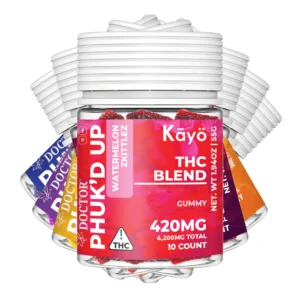
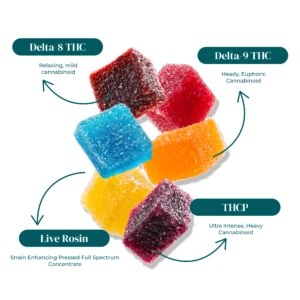
PHUK’D UP | THC BLEND GUMMIES | 420MG
Price range: $19.98 through $25.97Shop Now This product has multiple variants. The options may be chosen on the product page -
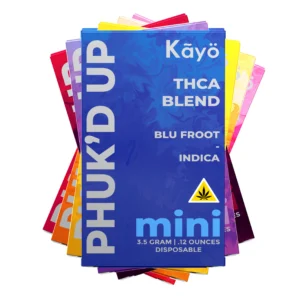
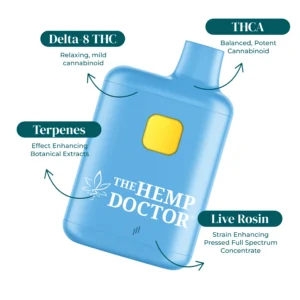
PHUK’D UP | THC BLEND DISPOSABLE VAPE | MINI 3.5G
$25.00Shop Now This product has multiple variants. The options may be chosen on the product page