Is CBD Legal in Kansas? 2026 Guide to CBD Oil, Gummies, THC Limits & Hemp Laws

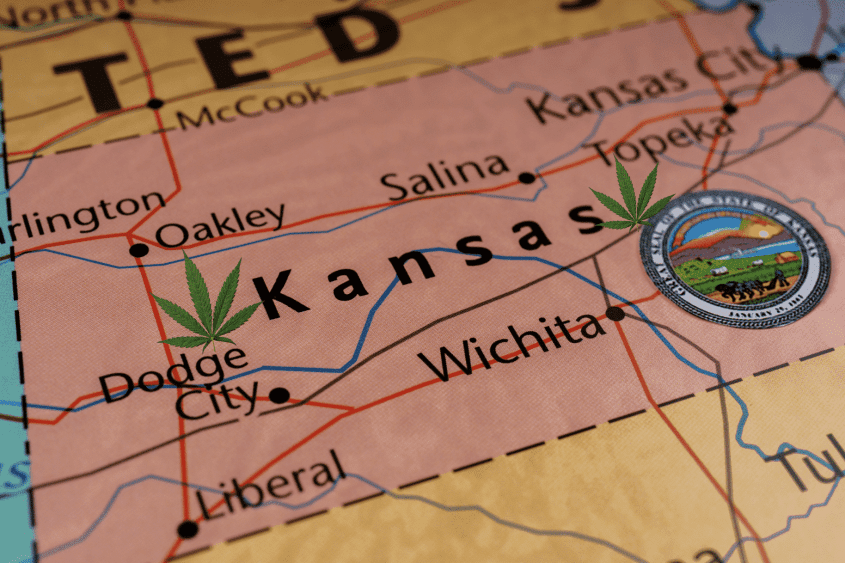
Quick Answer: CBD legality in Kansas depends heavily on THC content and product type. Kansas and Idaho are the only two states in the country that also require CBD products to be 0.0% THC, which is stricter than the federal 0.3% standard. Smokable hemp flower is explicitly banned under Kansas law. The lowest-risk options in Kansas are generally CBD isolate or verified broad-spectrum products with lab reports showing non-detectable THC.
The question “is CBD legal in Kansas?” sounds simple, but the answer is more complicated than many websites suggest. Many online guides rely only on the 2018 Farm Bill to claim hemp-derived CBD is legal anywhere under 0.3% THC. That shorthand skips the state-specific restrictions that make Kansas one of the strictest states for CBD consumers in 2026.
Kansas is one of only nine states that lacks a comprehensive cannabis access law, and one of only 19 states that still punishes simple possession of cannabis with jail time. This guide walks through Kansas CBD laws, the zero-THC vs. 0.3% THC confusion, product-specific rules for CBD oil, gummies, topicals, and vapes, plus the elevated risks around delta-8, THCA, and hemp flower. You’ll also learn how to read a certificate of analysis (COA), what to know about buying and traveling with CBD in Kansas, and how to avoid common mistakes.
This article is for general information only and is not legal advice. Always verify current Kansas rules before buying, selling, shipping, or traveling with hemp-derived products.
🔑 Key Takeaways
- Kansas CBD laws are stricter and more confusing than many states because the state has historically interpreted CBD products as requiring 0% THC, not the federal 0.3% threshold.
- “Federally legal hemp” does not automatically mean every CBD product is low-risk in Kansas.
- THC-free CBD isolate is generally the lowest-risk option, while full-spectrum CBD, delta-8, THCA flower, and hemp flower carry elevated legal and enforcement risk.
- A current COA showing non-detectable THC is essential before buying CBD in Kansas.
- This guide is for general information only and is not legal advice.
Is CBD Legal in Kansas? Plain-English Breakdown
CBD itself is not the central issue under Kansas law. Kansas legality depends heavily on THC content, product format, and how the state interprets “total THC” at retail.
Hemp-derived CBD simply means CBD extracted from the hemp plant rather than marijuana. Under the 2018 Farm Bill, hemp and its derivatives may only possess a THC content of 0.3% or less. The Kansas Department of Agriculture (KDA) is responsible for hemp regulation and licensing in the state.
Kansas law exempts CBD products containing zero percent THC from the state’s criminal definition of marijuana, making them legal to possess and sell in accordance with applicable licensing requirements. Hemp-derived products with any detectable THC occupy a gray area under state law, though the federal 0.3% standard applies to cultivation and interstate commerce.
What this means for Kansas consumers is straightforward: focus on whether a product contains detectable THC or intoxicating cannabinoids before purchasing. Because laws and enforcement can change, consumers and retailers should verify current rules before purchasing or selling.
Federal Hemp Law vs. Kansas Law
The federal hemp framework, established by the 2018 Farm Bill, defines hemp based on a THC threshold. Plants and products testing at or below 0.3% delta-9 THC on a dry-weight basis are classified as hemp rather than marijuana under federal law.
Federal law does not prevent states from having stricter rules. Many CBD websites use the federal 0.3% THC rule as a shortcut, which may be incomplete for Kansas.
In 2018, SB 282 was signed by Governor Jeff Colyer, legalizing CBD products containing 0% THC. Kansas applied this strictly: 0.0% THC, not the federal 0.3% standard. This is where Kansas hemp law diverges from the generic federal guidance most consumers expect.
The practical point is this: a product that appears federally compliant may still carry risk under Kansas interpretation or enforcement. If you’re buying CBD in Kansas, state-specific compliance matters more than federal labeling alone.
Zero THC vs. 0.3% THC in Kansas
This is the biggest source of confusion for Kansas CBD consumers. Some sources say CBD is legal under 0.3% THC, while others say Kansas requires THC-free products. Both have some basis, which is why the situation is frustrating.
Here’s how to understand the common terms:
| Term | What It Typically Means | Kansas Relevance |
|---|---|---|
| Less than 0.3% THC | Product meets the federal hemp threshold | May not be enough for Kansas retail compliance |
| Zero THC | No THC at any detectable level | Generally lower risk in Kansas |
| Non-detectable THC, or ND | Lab test shows THC below detection limit | Recommended for Kansas purchases |
| “THC-Free” marketing claim | Usually indicates THC below detection, but verify with COA | May or may not reflect actual lab results |
In Kansas, qualifying minors may access hemp-derived CBD products with a maximum THC level of 5% under Claire and Lola’s Law. Other residents of the state can only use hemp-derived CBD products with no THC at all. This means standard Kansas consumers face a stricter standard than most states.
For Kansas consumers trying to minimize legal risk, choose products with lab reports showing non-detectable THC rather than trusting “under 0.3%” labeling.
Product-by-Product CBD Legality in Kansas
Different CBD products carry different levels of risk in Kansas. This table helps you quickly assess which products are lower risk and which require more caution.
| Product Type | Legal Risk in Kansas | Why It Matters |
|---|---|---|
| CBD isolate | Lower | Should contain no THC if accurately manufactured and tested |
| Broad-spectrum CBD | Low to moderate | Marketed as THC-free, but lab testing matters |
| Full-spectrum CBD | Moderate to high | Often contains trace amounts of THC |
| CBD oil/tinctures | Depends on formula | Isolate or verified THC-free oil is lower risk; full-spectrum oil is riskier |
| CBD gummies | Depends on THC content | Gummies labeled under 0.3% THC may still create risk |
| CBD topicals | Lower to moderate | Risk depends on THC content and labeling |
| CBD vapes | Higher | The Kansas Commercial Industrial Hemp Act bars hemp cigarettes, cigars, chew, teas, and vape products at retail under K.S.A. 2-3901(d). (Is Hemp Delta-9 Legal in Kansas? KDA Total-THC Reading, Format Bans, and H.R. 5371) |
| Hemp flower | High | May be difficult to distinguish from marijuana and may contain measurable cannabinoids |
| Delta-8 THC | High | Intoxicating hemp-derived cannabinoids are risky in Kansas |
| Hemp delta-9 products | High | Products containing THC may create legal risk even if hemp-derived |
| THCA flower | High | Kansas applies what it interprets as a “total tetrahydrocannabinol concentration” standard that includes THCA in its compliance calculation. (Is THCA Legal in Kansas? 2026 State Law Explained) |
| FDA-approved CBD product | Separate category | Regulated product category, not the same as retail CBD |
CBD Isolate vs. Broad-Spectrum vs. Full-Spectrum CBD in Kansas
CBD Isolate
CBD isolate is a product designed to contain CBD without THC or other cannabinoids. It is generally the lowest-risk CBD category in Kansas when verified by lab results. Isolate may appeal to consumers who want to avoid THC exposure due to Kansas regulations, personal preferences, or workplace testing policies.
Broad-Spectrum CBD
Broad-spectrum products are usually marketed as containing multiple hemp compounds but no THC. They may include other cannabinoids like CBG or CBN and terpenes while removing the THC through additional processing.
Kansas consumers should confirm “non-detectable THC” on a COA instead of relying on front-label claims. The term “broad-spectrum” is not strictly regulated, so some products may still contain trace THC.
Full-Spectrum CBD
Full-spectrum CBD commonly includes trace THC along with the broader range of cannabinoids naturally present in the hemp plant. Some users prefer this product style as part of their personal wellness routine, but it creates a higher-risk option in Kansas because trace THC can still matter legally and for workplace testing.
If you’re concerned about Kansas legal risk or workplace testing, full-spectrum products are generally not the safest choice. Review the THC types page to understand the differences between cannabinoids before deciding.
Are CBD Oil, Gummies, Topicals, and Vapes Legal in Kansas?
Is CBD Oil Legal in Kansas?
CBD oil may be lower risk if it is THC-free and supported by current lab testing. CBD oil tinctures made from isolate or verified broad-spectrum formulas are generally safer options for Kansas consumers.
Full-spectrum CBD oil or products with detectable THC may create risk. Always request a batch-specific COA showing the exact THC content before purchasing.
Are CBD Gummies Legal in Kansas?
Gummies are not automatically legal or illegal in Kansas. Legality depends on ingredients and THC content. Gummies labeled “hemp-derived” or “under 0.3% THC” should still be checked carefully against the stricter Kansas interpretation.
CBD edibles made with isolate or verified THC-free broad-spectrum CBD are generally safer. Watch for products that contain delta-9, delta-8, or other THC variants, which increase risk.
Are CBD Topicals Legal in Kansas?
CBD topicals may be lower risk when they contain verified THC-free CBD. Creams, salves, and roll-ons designed for external use follow the same THC rules as ingestible products.
Check labels and lab reports just as you would with oils or gummies. Products with vague THC labeling or no accessible COA should be avoided.
Are CBD Vapes Legal in Kansas?
Kansas uses total THC calculations that include THCA, and products must test at 0.3% total THC or below. However, vapes, cigarettes, cigars, teas, and loose flower are banned at retail. (Is THCA Legal in Kansas? (2026 Guide) – Elevate)
CBD vape products can carry higher legal and enforcement risk regardless of cannabinoid content. If you’re trying to minimize risk in Kansas, vape cartridges and similar products are not recommended.
Are Delta-8, THCA, Hemp Flower, and Intoxicating Hemp Products Legal in Kansas?
These products should not be treated the same as basic CBD isolate. Products marketed for intoxication are higher risk in Kansas.
In the absence of a legal adult-use cannabis market, Kansas has developed a sprawling hemp-derived intoxicant retail sector that has filled the demand gap. As of early 2026, this gray market is the most consequential cannabis-related commerce in the state and the most legally precarious. Federal Farm Bill loopholes have allowed delta-8 THC, delta-10, hemp-derived delta-9, and THCA flower to flood Kansas vape shops, CBD boutiques, gas stations, and convenience stores.
Delta-8 derived from hemp is technically legal in Kansas as the state hasn’t passed a specific ban. However, enforcement actions in late 2025 targeted shops selling delta products, creating practical risk even if technical legality is debated.
A product can be 100% federally compliant and still be illegal in Kansas. This is true for any product with high THCA that passes delta-9-only testing, and for all smokable/vapeable formats regardless of THC content.
Kansas consumers should avoid assuming these products are legal just because they are hemp-derived. Delta-8 gummies, delta-9 gummies, THCA vapes, and similar items carry elevated risk.
Kansas CBD Risk Matrix
This matrix compares common products by consumer risk, retailer risk, workplace-testing risk, and recommendation.
| CBD Product | Consumer Risk | Retailer Risk | Workplace-Testing Risk | Recommendation |
|---|---|---|---|---|
| CBD isolate oil | Low | Low to moderate | Low | Best option for avoiding THC exposure |
| Verified broad-spectrum CBD | Low to moderate | Moderate | Low to moderate | Buy only with COA showing non-detectable THC |
| Full-spectrum CBD | Moderate to high | High | Moderate to high | Avoid if concerned about Kansas legal risk |
| CBD gummies with THC | Moderate to high | High | Moderate to high | Check COA carefully; higher-risk category |
| CBD flower | High | High | Moderate to high | Avoid if minimizing risk |
| CBD vape products | Moderate to high | High | Moderate | Use caution; verify full cannabinoid testing |
| Delta-8 gummies or vapes | High | High | High | Avoid if concerned about Kansas enforcement |
| THCA flower | High | High | High | Avoid if minimizing legal and workplace-testing risk |
Why Are Kansas CBD Stores Being Raided If Hemp Is Legal?
State law enforcement raided several CBD stores across Kansas in October 2025, prompting some to close their doors to customers. The Kansas Bureau of Investigation claims there is too much THC in the items seized.
The Kansas Bureau of Investigation seized hundreds of pounds of marijuana and tens of thousands of pre-rolled joints, THC vapes and edibles during raids at 18 retail stores across Kansas. “And so this is an announcement that that period of lax enforcement is ending, and the KBI has taken the lead in identifying places that have become particularly brazen in their selling of marijuana products.”
Enforcement activity can happen when authorities believe products contain THC above legal limits, intoxicating cannabinoids, mislabeled ingredients, or otherwise violate Kansas law. The distinction between hemp cultivation law and retail sale of finished cannabinoid products matters here.
A Kansas CBD shop filed suit against the KBI and Kansas Attorney General to get its products back following a raid. The owners said they believe the products sold were legal. “The crackdown on these products is creating a lot of confusion and questions for these shop owners who believe what they are selling is legal.”
Part of what drives the confusion in Kansas is how quickly the market moved ahead of consumer and retailer education. Clay Kramm, Sales, The Hemp Doctor, puts it plainly: “The biggest issue there is just education. The industry is still in its beginning stages. Hemp alone fired up in 2018. There’s a lot of people within the industry that really just don’t have the knowledge around the products.” That knowledge gap is amplified in a state like Kansas, where the rules are stricter than most and enforcement is active.
The market is unsettled, and news about raids and lawsuits should not be ignored. Kansas consumers and retailers face a higher level of scrutiny than many other states.
Consumer Risk vs. Retailer Risk in Kansas
A consumer buying one CBD product and a retailer selling many cannabinoid products may face different levels of scrutiny. Retailers may face higher compliance burdens around labeling, testing, inventory, shipping, and product claims.
SB 292 proposes prohibiting the transfer of hemp-derived cannabinoid products to any person under the age of 21, establishing packaging and labeling requirements for such products. All hemp-derived products intended for human consumption must undergo independent third-party laboratory testing under this proposed framework. Results must be accessible to consumers, typically via QR code or batch number, and must demonstrate compliance with Kansas’s new potency and contaminant limits.
Consumers still need to be careful, especially with products containing THC or intoxicating hemp derivatives. But the bar is even higher for those selling these products commercially.
Can You Buy CBD in Kansas?
Buying CBD Online
Some companies ship CBD to Kansas, but buyers should not assume every shipped product is compliant with Kansas rules. Avoiding full-spectrum or intoxicating hemp products may reduce Kansas-related risk.
Many hemp-derived CBD products can be shipped to Kansas by retailers that serve the state. However, online availability does not guarantee legality or low risk. Buy only from sellers that provide current, product-specific lab results showing non-detectable THC.
Buying CBD in Smoke Shops or Vape Shops
These stores may carry a wide range of products, including higher-risk delta, THCA, vape, and flower products. “Since the Farm Bill passed, there’s been a growing acceptance of some of these products, whether they’re CBD or THC,” KBI Director Mattivi said. “Over time, these shops, I think, have pushed the envelope and pushed the envelope and pushed the envelope.”
Ask for lab reports before buying. Be especially cautious with products that look or smell like marijuana flower.
Buying CBD in Wellness Stores or Pharmacies
These stores may carry lower-risk CBD formats like isolate tinctures, softgels, and topicals. Buyers should still confirm THC content and lab testing even when purchasing from more mainstream retailers.
Kansas CBD Buyer Checklist
Follow these guidelines when purchasing CBD in Kansas:
- Choose CBD isolate or verified broad-spectrum CBD if avoiding THC.
- Look for “non-detectable THC” on the lab report, not just “under 0.3% THC.”
- Ask for a recent certificate of analysis.
- Confirm the COA tests for delta-9 THC, total THC, THCA, delta-8, delta-10, and other cannabinoids.
- Avoid products marketed as intoxicating.
- Be cautious with full-spectrum oils, flower, vapes, delta products, and THCA products.
- Keep packaging and lab reports if traveling with CBD.
- Avoid products with vague labels, missing batch numbers, or no accessible COA.
- If you take prescription medications or have an existing health condition, check with your healthcare provider before adding CBD products to your routine.
How to Read a CBD Certificate of Analysis Before Buying in Kansas
A COA, or certificate of analysis, is a lab report from a third-party testing facility that shows what a product actually contains. It matters because label claims can be inaccurate, and Kansas enforcement focuses on actual THC content.
According to a survey of 848 Hemp Doctor customers, 26.7 percent say trust in lab testing and COA transparency is a key reason they chose The Hemp Doctor. That reflects how much verification matters to informed buyers – and it matters even more in a state like Kansas where the standard is zero detectable THC.
Match the batch number on the product to the batch number on the lab report. If they don’t match, the COA may not reflect what’s in your specific container.
Look for the testing date, lab name, cannabinoid profile, and THC results. Check whether the product says “ND” or “non-detect” for THC. Confirm the report includes more than just CBD potency because you need to see the full cannabinoid panel.
Watch out for outdated, incomplete, or brand-created testing documents. A legitimate COA should come from an independent, accredited lab and include a recent testing date. Review The Hemp Doctor’s lab results as an example of what current, third-party testing documentation looks like. For a step-by-step walkthrough on interpreting a COA, see the guide on how to read a COA.
Can CBD Be Shipped to Kansas?
Shipping CBD into Kansas depends on the product’s contents and the seller’s compliance practices. Some online retailers ship a wide range of hemp products to Kansas addresses, but that does not mean every product is low-risk under state rules.
State and federal hemp regulations can change as lawmakers update existing rules. Buy only from sellers that provide current, product-specific lab results. Full-spectrum, delta-8, THCA, and other THC-containing products are higher risk even when ordered online.
Can You Travel With CBD in Kansas?
Traveling with CBD can create practical risk if the product contains THC, lacks clear labeling, or looks like cannabis flower. Law enforcement may not be able to distinguish legal hemp from illegal marijuana on sight.
Kansas is surrounded by states with very different hemp and cannabis frameworks. If you live near a state border or travel regularly, understanding these differences is important. Kansas residents who cross the border to purchase and bring the product back into Kansas may violate Kansas law.
Carrying only verified THC-free products may help reduce risk. Keep the original packaging and COA available if questioned. Crossing state lines can add complexity because neighboring states may have different rules.
Will CBD Show Up on a Workplace Test in Kansas?
CBD itself is not usually the focus of standard THC-focused workplace tests. Most workplace screening looks for THC-related markers, not CBD. However, some CBD products contain THC or are mislabeled, which is where problems arise.
THCA typically does not create a positive result by itself. However, THCA converts to THC when heated, which may affect workplace screening results if smoked or vaped. Many employers maintain zero-tolerance policies regardless of legal status.
Full-spectrum CBD, delta products, THCA products, and mislabeled products can increase the risk of an unwanted THC-related screening result. If you’re subject to workplace testing, choose THC-free products with current lab reports showing non-detectable THC.
Common Mistakes Kansas Consumers Make With CBD
The following errors create unnecessary risk for Kansas CBD buyers:
- Assuming “hemp-derived” means risk-free is the first mistake. Kansas has specific THC restrictions that go beyond the federal hemp classification.
- Assuming “under 0.3% THC” is always enough in Kansas is another common error. The state has historically applied a stricter 0% THC standard for CBD products sold at retail.
- Buying full-spectrum CBD without reading the COA can lead to unintended THC exposure. Even trace amounts matter in Kansas.
- Buying delta-8 or THCA products and treating them like regular CBD ignores the elevated enforcement risk these products carry.
- Trusting front-label claims without batch-specific lab reports leaves you without verification of what’s actually in the product.
- Traveling with loose flower or unlabeled products creates immediate problems if you’re stopped by law enforcement.
- Ignoring employer workplace-testing policies while using CBD with trace THC can create employment consequences even if the product itself is technically legal.
Conclusion
CBD legality in Kansas is nuanced and depends on THC content, product type, and enforcement interpretation. Verified THC-free CBD isolate and carefully tested broad-spectrum CBD are generally lower-risk choices for Kansas consumers who want to avoid legal complications.
Full-spectrum CBD, delta-8, THCA, hemp flower, vapes, and products with measurable THC carry higher risk under Kansas law and enforcement. The October 2025 raids demonstrated that the state takes enforcement seriously, even when product legality is debated.
Consumers should check current Kansas law, review COAs showing non-detectable THC, and seek legal guidance for specific situations. This article is informational and not legal advice. Laws and enforcement can change, so always verify current rules before purchasing or traveling with CBD products in Kansas.
If you’re comparing lower-risk options, start with lab-tested, THC-free choices like CBD oil tinctures and CBD products and review each product’s COA before deciding what fits your needs.
- Sale!On Sale
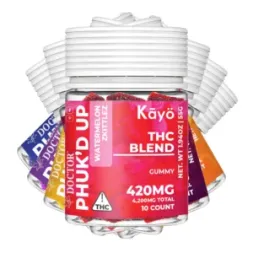

PHUK’D UP | THC BLEND GUMMIES | 420MG
Price range: $19.98 through $25.97Shop Now This product has multiple variants. The options may be chosen on the product page -
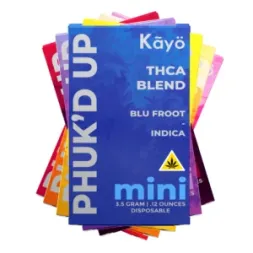
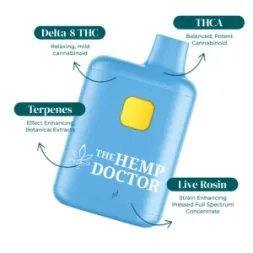
PHUK’D UP | THC BLEND DISPOSABLE VAPE | MINI 3.5G
$25.00Shop Now This product has multiple variants. The options may be chosen on the product page - Buy More Save More
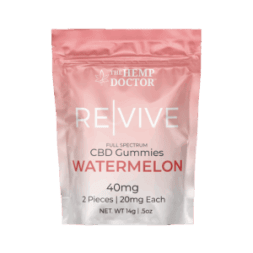
REVIVE | CBD WATERMELON GUMMIES | 20MG
Price range: $2.99 through $35.00 — or subscribe to save 25%Shop Now This product has multiple variants. The options may be chosen on the product page
FAQs