
Raspberry Lemonade Strain: Complete Profile Breakdown
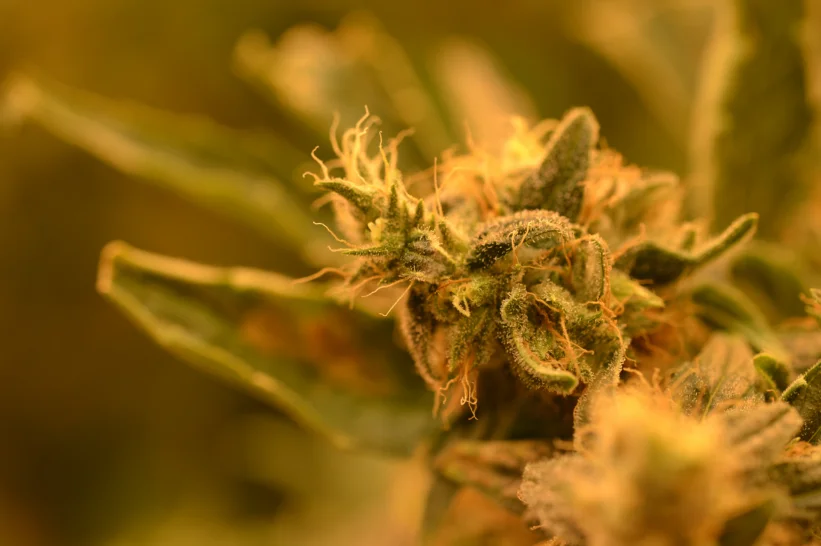
Raspberry Lemonade
THC
18% to 24%
CBD
Less than 1%
Flowering time
About 9 weeks
Intensity
Strong
Strain class
Sativa-dominant
Grow difficulty
Moderate
Dominant terpenes
Flavor profile
Primary effects
Side effects
Lineage
Best for
Raspberry Lemonade Strain Information
Raspberry Lemonade is a sweet-tart, sativa-dominant hybrid built for adult consumers who like citrus-heavy strains with a berry finish. It usually delivers an energetic, happy, and creative high rather than a heavy couch-lock effect.
The Raspberry Lemonade strain is most commonly described as a cross of Lemonade and Raspberry Kush, though the name is used across different growers and product types. That means the exact Raspberry Lemonade strain lineage can vary from one menu, seed source, or THCA flower label to another.
Most reported batches are THC-forward, often landing around 18% to 24% THC, with CBD usually under 1%. That makes Raspberry Lemonade THC levels approachable for experienced daytime consumers, but not automatically mild for true beginners.
As a strain description, Raspberry Lemonade is best understood as a citrus berry, sativa-leaning hybrid with a flavor profile centered on lemonade and raspberry. Raspberry Lemonade typically appeals to people who want upbeat effects, bright bag appeal, and a flower or vape profile that is more fruit-forward than gas-heavy.

“Raspberry Lemonade is the kind of strain people usually choose for flavor first, then come back to for the upbeat daytime effect. The best batches have that sweet lemon-zest aroma with a berry candy finish, but shoppers should pay close attention to the label because the lineage can vary by grower.”
The Hemp Doctor CEO
Is Raspberry Lemonade Indica or Sativa?
Raspberry Lemonade is usually considered a sativa-dominant hybrid, often listed around 70% sativa and 30% indica. It is not normally described as a pure sativa, even when menus simplify it as “sativa.”
Its common effect profile leans uplifting, creative, and mood-brightening. The Raspberry Kush side may add a softer body feel, sweetness, and light relaxation that keeps the experience from feeling too sharp.
At higher doses, Raspberry Lemonade can feel more physically relaxing. Even then, it is generally more daytime-friendly than heavier Kush hybrids or sleep-focused indica strains.
“Sativa” does not guarantee energy for every person. Effects depend on THC level, terpenes, dose, tolerance, freshness, consumption method, and the specific batch.
Raspberry Lemonade Strain Genetics & Origin
The most repeated Raspberry Lemonade strain lineage is Lemonade × Raspberry Kush. AllBud and Leafly both cite this parentage, which lines up with the strain’s lemon-forward aroma, berry sweetness, and upbeat hybrid character.
That said, Raspberry Lemonade has real naming confusion in the market. Some versions are reported as Lemon Haze × Raspberry Kush. Exotic Genetix-related descriptions cite Lemon Tree × Triple Berry. Some hemp and THCA brands may use in-house versions such as Super Lemon Haze × Raspberry Kush or similar citrus-and-berry crosses.
This matters because two jars labeled Raspberry Lemonade may not deliver the exact same aroma, color, potency, or effects. One version may lean haze-like and zippy. Another may taste more like berry candy and finish with a calm Kush feel.
Raspberry Lemonade Lineage Debate: Which Version Is Correct?
| Reported Version | Possible Parents | What It May Mean for the Experience |
| Common database version | Lemonade × Raspberry Kush | Bright lemon flavor, berry sweetness, upbeat hybrid effects |
| Alternate market version | Lemon Haze × Raspberry Kush | More haze-like energy, sharper citrus, possible longer-lasting head high |
| Exotic Genetix-style version | Lemon Tree × Triple Berry | Stronger dessert-fruit profile, deeper berry flavor, modern bag appeal |
| Flow Gardens / hemp-market version | Super Lemon Haze × Raspberry Kush | More sativa energy, citrus haze, berry Kush finish |
| Razzberry Lemonaid | Often used as an alternate spelling/name | Check the label; may or may not be the same cut |
The safest way to describe Raspberry Lemonade is this: it is a citrus-and-berry sativa-dominant hybrid, most commonly listed as Lemonade × Raspberry Kush, but the exact parentage can vary by breeder, grower, and product label.
Clay Cram, our Wholesale Sales and Strains Expert, says, “When you are looking at a newer strain, go back through its lineage and genetic profile. The parent strains can help explain where the terpene profile, flavor, and overall character are coming from.”
Parent Strain Breakdown
The Lemonade side likely contributes lemon zest, citrus candy, bright acidity, and daytime energy. It also helps explain why limonene is commonly reported as the dominant terpene in many Raspberry Lemonade profiles.
The Raspberry Kush side brings berry sweetness, a softer body finish, and possible purple or darker hues in some phenotypes. It can round out the sharper citrus notes with sweet fruit, mild earth, and a calmer backend.
Raspberry Lemonade strain genetics
Raspberry Lemonade Strain Effects
Common Raspberry Lemonade strain effects include energy, happiness, creativity, focus, sociability, light body relaxation, and an overall lifted mood. Leafly consumers commonly report energetic, happy, and creative effects.
Some adult consumers report choosing Raspberry Lemonade for daytime fatigue and low-mood moments.
Raspberry Lemonade usually makes people feel uplifted, energetic, happy, creative, and mentally clear. It can have a light, relaxing body finish, but it is not usually described as a heavy couch-lock strain.
| Dose Level | Possible Experience |
| Small amount | Clear-headed, bright, social, lightly focused |
| Moderate amount | Euphoric, creative, energetic, mood-lifting |
| Larger amount | Stronger THC effect, possible racing thoughts, dry mouth, or heavier body finish |
If you are THC-sensitive, the difference between a small amount and a moderate amount can be noticeable. A single puff of high-THC flower or a Raspberry Lemonade strain cartridge may feel stronger than expected.
Raspberry Lemonade Effects Timeline
| Time After Inhalation | What Consumers May Notice |
| 0 to 5 minutes | Quick citrus-berry flavor, light head lift, initial mood shift |
| 5 to 15 minutes | Brighter mental energy, talkative or creative feeling |
| 15 to 45 minutes | Peak euphoria, focus, creative flow, upbeat body feel |
| 45 to 90 minutes | Steadier mood, light relaxation, less sharp energy |
| 1.5 to 3 hours | Gradual taper, mild calm, possible tiredness depending on dose |
| Edibles | Onset may take 45 to 120 minutes and effects may last 4 to 8 hours |
Duration varies by product type, dose, tolerance, metabolism, and consumption method. Vape carts and flower usually come on quickly, while edibles take longer and last much longer.
Is Raspberry Lemonade a Strong Strain?
Raspberry Lemonade is usually moderately strong to strong, with most reported batches around 18% to 24% THC. Some batches may test higher depending on the grower and lab.
AllBud reports Raspberry Lemonade around 20% to 22% THC. Leafly lists it at around 20%. JointCommerce reports 18% to 24%, with some potent selections reaching 25% to 27%.
A Raspberry Lemonade strain THC number should always be treated as batch-specific. User reviews may mention higher THC batches, but that does not mean every Raspberry Lemonade cannabis strain product will match that potency.
User Reported Effects
Consumers report that Raspberry Lemonade delivers a well-balanced experience combining calm physical sensations with uplifting mental clarity. The strain appears to provide sativa benefits without the jittery edge some consumers find undesirable.
- Balanced Calm & Clarity — Users consistently describe a relaxed body feel paired with excellent mental stimulation, avoiding the anxiety or restlessness sometimes associated with sativas.
- Flavor & Aroma Profile — The strain features a sweet, fruity character reminiscent of raspberry and citrus candy with subtle peppery and gassy undertones. Initial nose can be subtle until the flower is broken apart, with taste translating well when vaporized.
- Consistency & Curing — Several reviewers noted the flower arrives relatively dry with muted aromatics initially, though effects improve noticeably after a few days to weeks in a jar with humidity control.
- Duration & Potency — Consumers report solid, sustained effects with good vaporizer performance, yielding multiple flavorful hits per session.
| Reported Theme | What Consumers Mention |
| Mood and energy | Uplifted, happy, upbeat, mentally bright |
| Creativity and focus | Useful for art, writing, light work, social brainstorming |
| Body feel | Usually light relaxation rather than full-body sedation |
| Flavor appeal | Sweet raspberry, lemon candy, citrus peel, pink lemonade |
| Common use occasions | Daytime, afternoon, social events, creative sessions, outdoor activities |
| Noted drawbacks | Dry mouth, dry eyes, anxiety at high doses, possible headache in sensitive consumers |
Raspberry Lemonade Side Effects
Raspberry Lemonade can still produce unwanted effects, especially in high-THC batches or larger doses. Common side effects include dry mouth, dry eyes, racing thoughts, and coughing from smoke or vapor.
High-limonene, high-THC strains can feel too stimulating for some adult consumers. If you are prone to feeling overstimulated from sativa-leaning products, start with one small puff and wait before taking more.
For edibles, wait at least 2 hours before increasing your dose. Do not mix Raspberry Lemonade with alcohol, and do not drive or operate machinery after consuming intoxicating hemp-derived cannabinoids.
Raspberry Lemonade can still be intoxicating even if it is sold as hemp-derived THCA flower or another compliant hemp product. Always check local laws, start low, and review the product COA.
Flavor and Aroma
Raspberry Lemonade is known for a sweet-tart flavor profile that combines lemon zest, citrus candy, raspberry syrup, mixed berries, and subtle floral or herbal notes. When the buds release their aroma after grinding, the scent can shift from light citrus to a fuller lemonade and raspberry profile.
| Layer | Flavor / Aroma |
| Top note | Lemon zest, citrus peel, sour lemonade |
| Middle note | Raspberry candy, red berries, sweet fruit |
| Base note | Light earth, herbs, floral softness, mild Kush |
| Exhale | Sweet-tart pink lemonade, berry citrus, smooth fruit |
What Does Raspberry Lemonade Taste Like?
Raspberry Lemonade usually tastes like sweet raspberry, sour lemon, citrus zest, and berry lemonade. Some batches are candy-sweet, while others lean more herbal, floral, or lightly earthy.
The best batches are not just “fruity” in a generic way. They are smelling and tasting like lemon peel, raspberry candy, and soft floral sweetness, with just enough earthy Kush underneath to keep the profile balanced.
Dominant Raspberry Lemonade Strain Terpenes
The dominant terpene in Raspberry Lemonade is most often reported as limonene, with beta-caryophyllene, myrcene, linalool, ocimene, terpinolene, and beta-pinene appearing in some profiles.
Terpenes are aromatic compounds found in cannabis and many everyday plants. They help shape aroma and may influence how a strain feels alongside cannabinoids. This interaction is often called the entourage effect, though individual experiences vary and the science is still developing.
| Terpene | Aroma Contribution | Possible Role in Raspberry Lemonade Profile |
| Limonene | Lemon peel, citrus, bright fruit | Drives the lemonade character and upbeat aroma |
| Beta-caryophyllene | Pepper, spice, wood | Adds structure and mild spice under the fruit |
| Myrcene | Earth, herbs, musk | Adds body and keeps the strain from feeling purely sharp |
| Linalool | Floral, lavender, soft spice | May smooth the citrus edge |
| Ocimene | Sweet herbs, tropical fruit | Can add fresh, airy fruit notes |
| Terpinolene | Citrus, pine, floral herbs | May contribute energetic, sativa-like brightness |
| Beta-pinene | Pine, herbs, sharp freshness | Adds lift and clean aromatic snap |
Why Does Raspberry Lemonade Smell So Fruity?
Limonene helps explain the citrus-forward profile. The berry aroma is usually not caused by one single terpene. It often comes from a combined mix of terpenes and other volatile aroma compounds.
Botanical terpene blends from companies like Abstrax and Lab Effects reference limonene, beta-caryophyllene, linalool, terpinolene, and beta-pinene as part of Raspberry Lemonade-style flavor systems. Real flower can vary more because genetics, growing conditions, harvest timing, drying and curing, and storage all affect the final nose.
Cannabinoid Profile: THC, THCA, CBD, CBG, and Terpenes
| Cannabinoid / Metric | Typical or Reported Range | What It Means |
| THC | Often around 18% to 24% | Main intoxicating cannabinoid after activation |
| THCA | May be higher in raw flower | Converts to THC when heated |
| Total THC | Depends on THCA conversion | Better estimate of activated potency |
| CBD | Usually under 1% | Not typically CBD-rich |
| CBG | Often trace to around 0.3% to 1.0% in some reports | Minor cannabinoid that varies by batch |
| THCV | Usually trace, if present | Batch-specific minor cannabinoid |
| Total cannabinoids | Often around 20% to 28% in strong batches | Broader potency picture |
| Dominant terpene | Limonene | Supports citrus-forward aroma |
THCA converts into THC through decarboxylation when smoked, vaped, or heated. The conversion uses the 0.877 factor, so 25% THCA equals roughly 21.9% potential THC before accounting for real-world loss.
“THC or THCA percentage is like the gas pedal in a car. It tells you how fast the car may be able to go, but it does not tell you what the full driving experience will be like. Percentage is only one part of the puzzle,” says Clay.
Best Time To Use Raspberry Lemonade
Raspberry Lemonade is usually best for daytime or afternoon use because it tends to feel energetic, creative, and mood-lifting. It can fit creative work, social activities, outdoor walks, light chores, music, art, daytime relaxation, and low-pressure productivity.
It is not the strongest choice for bedtime for most adult consumers. It is also not ideal before driving, precision work, or situations where a strong THC effect would be risky or distracting.
If you want something more evening-friendly, look for heavier indica-leaning strains or balanced hybrids with less stimulating terpene profiles.
Who Should Choose Raspberry Lemonade?
Raspberry Lemonade is a good fit for fans of fruity and citrus strains, sativa-dominant hybrids, daytime flower, and flavor-forward carts. It may also appeal to people who already enjoy Lemonade, Lemon Haze, Strawberry Lemonade, or Pink Lemonade.
It may not be the best match for consumers looking for deep sedation, CBD-rich flower, unsweetened or earthy flavor profiles, or a very gentle first THC experience. People who tend to feel uncomfortable from racy sativas should be cautious with larger doses.
Is Raspberry Lemonade Good for Beginners?
Raspberry Lemonade may be approachable for some beginners in low doses, but it is still a THC-forward strain and should be used carefully.
Leafly calls it an ideal choice for beginner cannabis consumers at around 20% THC. That may be manageable for some, but 20% THC can still be too strong for true first-timers.
A better way to frame it is this: Raspberry Lemonade has beginner-friendly flavor, but not automatically beginner-friendly potency. If you are new, choose lower-THC batches when available, start with one small puff, and avoid concentrates or infused pre-rolls as a first experience.
Consumption Method Guide: Flower, Vape Cartridge, Edibles, and Concentrates
| Method | Onset | Duration | Best For | Caution |
| Flower | 2 to 10 minutes | 2 to 3 hours | Full aroma and terpene experience | Smoke can be harsh |
| Vape cartridge | 1 to 5 minutes | 1.5 to 3 hours | Convenience and flavor | Easy to overuse |
| Edibles | 45 to 120 minutes | 4 to 8 hours | Longer-lasting effects | Start low and wait |
| Concentrates | Almost immediate | 2 to 4 hours | Experienced consumers | Can be very potent |
| Infused pre-rolls | 2 to 10 minutes | 2 to 4 hours | Stronger flower experience | Not ideal for beginners |
A Raspberry Lemonade strain cartridge may emphasize the candy-citrus flavor more than flower, depending on whether it uses cannabis-derived terpenes, botanical terpenes, live resin, or distillate. Always check the label and COA so you know what cannabinoids and terpenes are actually in the product.
Physical Characteristics
Raspberry Lemonade flower is commonly reported to have dense, bright green buds with reddish-orange hairs and frosty trichomes. Some batches may show purple or darker hues from berry and Kush genetics.
AllBud describes Raspberry Lemonade as having dense, heart-shaped neon green nugs with reddish-orange hairs and golden-white trichomes. The best examples have strong bag appeal, with visible resin and a citrus-berry aroma when opened.
Well-cured flower should smell like citrus and berries when the jar is opened. If the flower smells flat, grassy, or overly dry, storage or curing may have affected the terpene profile.
Cultivation and Growing Tips
Raspberry Lemonade is usually considered moderately difficult to grow and may be best for growers with some experience. Check your local laws before purchasing seeds, germinating seeds, or cultivating cannabis.
Growing Difficulty
Raspberry Lemonade plants may stretch because of the sativa-dominant structure. Regular topping, pruning, and canopy management can help control height and improve airflow.
This is a better option for growers who are already comfortable with training, trimming, and monitoring flower-room conditions.
Environmental Needs
Good airflow is important to reduce mold and mildew risk. Humidity should be controlled carefully during flower, especially if the buds grow dense.
Excessive heat can flatten the aroma and burn off volatile terpenes. Indoor growers may also need odor control, though Raspberry Lemonade is typically fruitier than gas-heavy strains.
Flowering Time and Harvest
Raspberry Lemonade usually flowers in about 9 weeks indoors. Some growers may harvest around 63 days depending on the phenotype.
Outdoor harvest may land in early to mid-fall depending on climate. Use trichome color and plant maturity rather than the calendar alone.
Yield Expectations
Some grow sources cite yields up to around 450g/m² indoors. Actual yield depends on genetics, grow skill, lighting, veg time, container size, plant training, and environment.
Sativa-leaning phenotypes may benefit from trellising or netting to support stretch and improve light distribution.
Cure Tips for Better Lemon-Berry Flavor
Dry slowly in a cool, dark space. Avoid overdrying, since overly dry flower can lose aroma and feel harsher when smoked.
A proper cure can help preserve limonene and fruit aromatics. Store finished flower away from heat, air, and light to protect the citrus berry profile.
Raspberry Lemonade vs Similar Strains
| Strain | Type | Flavor | Common Effects | Best For |
| Raspberry Lemonade | Sativa-dominant hybrid | Raspberry, lemon, sweet-tart citrus | Energetic, happy, creative | Daytime flavor and mood lift |
| Strawberry Lemonade | Sativa-dominant hybrid | Strawberry, lemon, sweet citrus | Uplifting, social, euphoric | Fruit lovers and social use |
| Pink Lemonade | Hybrid / indica-leaning in some cuts | Pink citrus, berry, floral sweetness | Relaxed, happy, calm | Balanced fruit-forward relaxation |
| Blue Raspberry Lemonade | Hybrid, varies by breeder | Blue raspberry candy, lemon | Euphoric, sweet, uplifting | Candy terp fans |
| Lemon Haze | Sativa-dominant | Sharp lemon, haze, spice | Energetic, focused, cerebral | Classic daytime energy |
| Lemon Cherry Gelato | Hybrid | Lemon, cherry, cream, gas | Euphoric, relaxing, potent | Dessert strain fans |
Is Raspberry Lemonade the Same as Pink Lemonade?
No. Raspberry Lemonade and Pink Lemonade are usually different strains, though both can share citrus, berry, and sweet-tart flavor notes.
Raspberry Lemonade vs Pink Lemonade usually comes down to energy level and genetics. Raspberry Lemonade is commonly reported as more sativa-leaning, while Pink Lemonade may feel more balanced or calming depending on the cut.
Is Raspberry Lemonade the Same as Blue Raspberry Lemonade?
No. Blue Raspberry Lemonade is generally a different strain or product flavor profile. It may be bred for blue raspberry candy notes rather than the red raspberry and lemon zest profile associated with Raspberry Lemonade.
Is Raspberry Lemonade the Same as Razzberry Lemonaid?
Sometimes. Razzberry Lemonaid may be used as an alternate spelling or related name, but it can also refer to a different breeder’s cut.
If the label does not list parent strains, ask the retailer or grower for more detail.
Where Can You Find Raspberry Lemonade Strain Near You?
Raspberry Lemonade may appear in dispensaries, hemp-derived THCA flower shops, vape cartridges, pre-rolls, and concentrates. Leafly reports average pricing around $10 to $20 per gram, but pricing varies by state, product type, taxes, and quality tier.
Vape cartridges may cost more per unit, especially if they use live resin, live sauce, or strain-specific terpene blends. THCA flower pricing can also vary based on bud size, indoor versus greenhouse cultivation, and batch potency.
The Hemp Doctor inventory rotates, so Raspberry Lemonade may not always be available. You can browse similar product categories here:
| Browse | Link |
| THCA Flower | Shop THCA Flower |
| Sativa Flower | Shop Sativa Flower |
| Vape Cartridges | Shop THC Vape Cartridges |
| Deals | Browse Current Deals |
Final Verdict: Is Raspberry Lemonade a Good Strain?
Raspberry Lemonade is a good strain for adult consumers who want fruity flavor, bright daytime effects, and a creative mood lift. Its biggest strengths are flavor, aroma, energetic effects, and an approachable hybrid balance.
Its drawbacks are worth noting. Lineage can be confusing, potency varies by batch, and higher doses may feel overstimulating for THC-sensitive consumers.
If you like sweet-tart terpene profiles, citrus-heavy flower, and sativa-leaning hybrids that still carry a little body relaxation, Raspberry Lemonade is worth keeping on your radar.
-
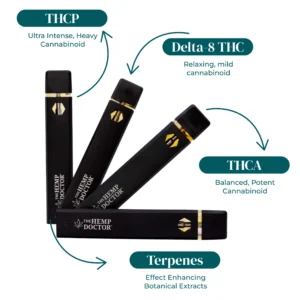
PHUK’D UP | THCA LIVE SAUCE DISPOSABLE VAPE | 1G
$15.00Shop Now This product has multiple variants. The options may be chosen on the product page -
Customer Favorite
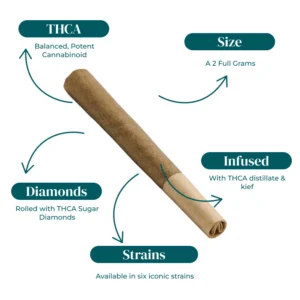
THCA SUGAR DIAMOND CAVIAR BLUNTS | 2G
$19.95Shop Now This product has multiple variants. The options may be chosen on the product page -
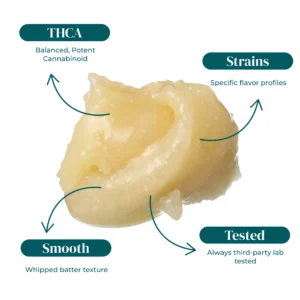
THCA BATTER | 2G
$49.95 — or Original price was: $49.95.$37.46Current price is: $37.46. every 2 weeksShop Now This product has multiple variants. The options may be chosen on the product page


