Is Weed Legal in Colorado in 2026?
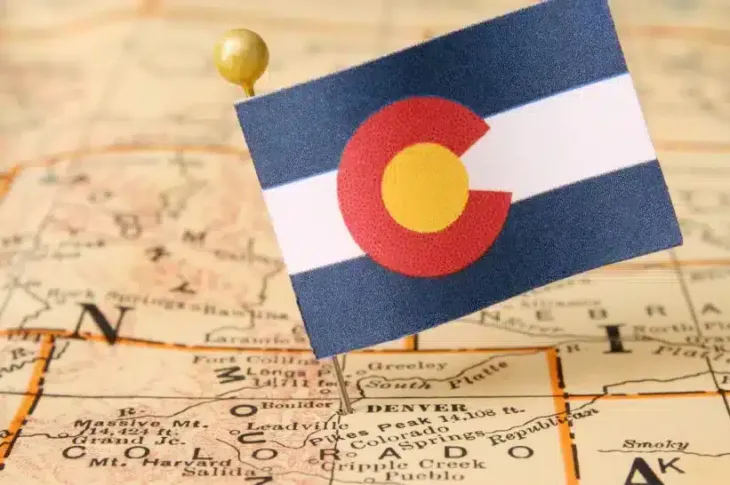
Yes, recreational marijuana is legal in Colorado for adults 21 and older, and Colorado has allowed registered cannabis access under a separate state program since 2000. Colorado was one of the first states to legalize adult-use cannabis under Amendment 64, and licensed dispensaries began selling recreational marijuana on January 1, 2014. That said, Colorado law treats state-regulated marijuana and hemp-derived products very differently, and understanding that split matters before you buy anything online.
The Hemp Doctor ships federally compliant, hemp-derived products across the country, including select categories that align with Colorado’s hemp regulations. Our full catalog spans CBD, CBG, and CBN tinctures, softgels, CBD topicals, and CBD pet products, along with lawful hemp-derived THC beverages where allowed. Every product ships with a published Certificate of Analysis, so you know exactly what’s inside before it lands on your doorstep. If you’re shopping for intoxicating hemp categories like Delta 8, or converted hemp-derived isomers, keep reading, because Colorado has specific rules that shape what can and can’t be sold in the state.
Ship It or Skip It?
Here’s a quick look at which hemp-derived cannabinoids The Hemp Doctor can ship to Colorado, and where each one stands legally as of 2026.
| Cannabinoid | Ships to Colorado? | Legal Status |
| Delta 8 | ✗ | Restricted. Colorado’s SB22-205 authorized CDPHE to prohibit chemically converted or synthetically derived Delta 8. Products made by converting CBD or other hemp cannabinoids into D8 cannot be manufactured, sold, or consumed in Colorado. |
| Delta 9 | ✓ | Legal. Hemp-derived D9 products at or below the federal 0.3% threshold ship to Colorado. Lawful THC beverages under SB26-164 are capped at 10 mg total THC per serving. Verify your product’s COA before ordering. |
| THCA | ✓ | Legal. Hemp-derived THCA ships under the 2018 Farm Bill. Colorado applies its intoxicating hemp framework to products that convert or concentrate cannabinoids, so verify format and COA before ordering. |
| THCP | ✗ | Restricted. Synthetic and semi-synthetic cannabinoids are prohibited under CDPHE hemp regulations. THCP products are not eligible to ship to Colorado. |
| CBD | ✓ | Legal. Non-intoxicating CBD products including tinctures, softgels, topicals, and pet products ship freely to Colorado. Always verify COA for cannabinoid content. |
Key: ✓ Ships · ✗ Restricted · ⚠ Verify before ordering
What Can Ship to Colorado, Format by Format
Not every cannabinoid comes in every product format, and Colorado law can affect what’s available in your state. Here’s which format and cannabinoid combinations are eligible to ship.
| Product Format | Delta 8 | Delta 9 | THCA | THCP | CBD |
| Gummies / Edibles | ✗ | ✓ | ✓ | ✗ | ✓ |
| Vapes / Carts | ✗ | ✗ | ✗ | ✗ | ✗ |
| Tinctures / Oils | ✗ | ✓ | ✓ | ✗ | ✓ |
| Flower / Pre-Rolls | ✗ | ✗ | ⚠ | ✗ | ⚠ |
| Concentrates | ✗ | ✓ | ⚠ | ✗ | ✓ |
| Topicals | ✗ | ✓ | ✓ | ✗ | ✓ |
| Drinks / Seltzers | ✗ | ⚠ | ✓ | ✗ | ✓ |
| Softgels | ✗ | ✓ | ✓ | ✗ | ✓ |
Key: ✓ Ships · ✗ Restricted · ⚠ Verify before ordering
Colorado’s SB22-205 (effective 2022) restricts chemically converted D8 and D10 products. SB26-164 caps lawful THC beverages at 10 mg total THC per serving. Format availability is subject to change as state regulations evolve. Check current Colorado regulations before ordering.
Order online at thehempdoctor.com — every product ships with a published COA.
State-Specific Restriction Notes
Colorado has one of the strictest hemp frameworks in the country when it comes to distinguishing lawful hemp products from intoxicating hemp-derived cannabinoids. Here is the current picture:
Intoxicating Hemp Products: Restricted or prohibited outside the state’s regulated marijuana system. Colorado statute and CDPHE rules separate lawful hemp products from intoxicating hemp-derived items and authorize prohibitions on synthetic, semi-synthetic, or chemically converted intoxicating cannabinoids.
Delta 8 THC: Restricted when produced by chemical modification, conversion, or synthetic derivation from industrial hemp. Colorado’s SB22-205 authorized CDPHE to prohibit chemical modification, conversion, or synthetic derivation of intoxicating THC isomers originating from hemp. The Colorado Department of Transportation also states that intoxicating hemp products, including Delta 8 and Delta 10 items made from CBD conversion, are illegal to make, sell, or consume in Colorado.
Delta 10 THC: Restricted under the same conversion framework applied to Delta 8.
Synthetic or Semi-Synthetic Cannabinoids: Restricted in hemp products where the product is also considered a synthetic cannabinoid. CDPHE hemp regulations prohibit certain synthetic cannabinoid uses.
Marketing and Promotion: A person may not market or promote a hemp product as containing THC or another potentially intoxicating cannabinoid.
Testing and Labeling: Regulated hemp facilities must test cannabinoid content and maintain certificates of analysis, and labels must disclose any cannabinoid claimed on the product.
Safe Harbor Hemp Products: Colorado recognizes “safe harbor hemp products” for manufacture or handling in the state for export only, not for sale or distribution within Colorado.
THC Beverages: Colorado has moved forward with a separate framework. SB26-164 defines a lawful THC beverage as a nonalcoholic beverage infused with hemp-derived THC containing no more than 10 mg total THC per serving, allowing CDPHE-registered hemp manufacturers to produce them under agency rules. Source references include C.R.S. § 25-5-427 and Colorado SB22-205.
Format availability is subject to change as state regulations evolve. Check current Colorado regulations before ordering.
What Colorado Locals Are Buying
Here are the compliant hemp products Colorado adults can order from The Hemp Doctor — D9 edibles and beverages within state limits, and non-intoxicating CBD options available across formats. Confirm availability at checkout, as state rules can affect what ships to your address.
| Product | Category |
| DELTA 9 THC GUMMIES | 25MG | Delta 9 Gummies |
| 21 SOUTHERN HIGH | D9:CBG SELTZER | Delta 9 Drink |
| RAPID RELEASE NANO THC GUMMIES | Delta 9 Gummies |
| CBD OIL TINCTURES | CBD Tincture |
| FULL SPECTRUM CBD SOFTGELS | CBD Softgel |
| CBD FREEZE CREAM | CBD Topical |
⚠️ Product editor note: Verify and update all product URLs before publishing.
Hemp and Cannabinoid Laws in Colorado
Legal Landscape Overview
Colorado is famously cannabis-friendly on the state side. Adults 21 and older can purchase and possess marijuana from state-licensed dispensaries, and the state has strict age requirements, requiring adults to be 21 years of age or older to purchase, possess, or consume retail cannabis. Voters approved a registered cannabis access program in 2000 and passed Amendment 64 in 2012, making Colorado the first state, alongside Washington, to legalize recreational marijuana.
The hemp-derived side looks very different. Colorado has moved aggressively to separate its regulated adult-use market from converted hemp cannabinoids, and lawmakers passed SB22-205 to authorize prohibitions on chemically converted intoxicating THC isomers from hemp. That means many products sold freely in other states, including converted Delta 8, Delta 10, and other synthetic or semi-synthetic cannabinoids, face limits or outright bans in Colorado. Non-intoxicating hemp goods like CBD tinctures, CBG blends, and topicals remain broadly available. The state’s mature marijuana enforcement system and consumer-safety priorities drive much of this framework, so buyers should always check current regulations from official sources like the Colorado General Assembly and CDPHE.
Hemp Law Timeline: Colorado
- 2000 — Colorado voters approve Amendment 20, creating a registered cannabis access program.
- 2012 — Amendment 64 passes, legalizing recreational cannabis for adults 21 and older.
- 2014 — Colorado becomes the first state to open licensed recreational marijuana stores on January 1, 2014.
- 2018 — The federal Farm Bill legalizes hemp and hemp-derived cannabinoids containing no more than 0.3% Delta 9 THC by dry weight. Colorado aligns state hemp definitions with the federal standard.
- 2019 — SB19-224 restructures Colorado’s regulated marijuana codes, folding adult-use and registered access programs into a unified framework and extending them for sunset review.
- 2022 — Colorado passes SB22-205, Intoxicating Hemp and Tetrahydrocannabinol Products, authorizing CDPHE to prohibit chemical modification, conversion, or synthetic derivation of intoxicating THC isomers from hemp. This effectively restricts converted Delta 8 and Delta 10 products.
- 2024 — Colorado tightens hemp product rules under 6 CCR 1010-24, requiring testing, certificates of analysis, and clear cannabinoid disclosures on labels.
- 2025 — Colorado Springs opens recreational sales for adults 21 and older on April 15, 2025, ending a longstanding local ban on recreational retail.
- 2026 — Current status: State-licensed marijuana remains legal for adults 21+ with clear purchase and possession limits. Hemp-derived CBD, CBG, and CBN products in tinctures, softgels, topicals, and pet formats ship freely. Lawful hemp-derived THC beverages under SB26-164 are capped at 10 mg total THC per serving. Converted intoxicating hemp cannabinoids like Delta 8 and Delta 10 face restrictions outside the regulated marijuana system. Public consumption, driving under the influence, use on federal land, and crossing state lines with cannabis all remain prohibited.
Local Restrictions by City and County
Colorado Springs: Retail recreational sales were prohibited for years, then approved for adults 21 and older beginning April 15, 2025. Older local guidance may still reference the prior ban, so double-check store status before visiting in person. Online delivery of federally compliant hemp products is not affected by the earlier retail rule.
Fort Collins: The city has been considering new rules to reduce minors’ access to psychoactive products at smoke shops and gas stations. This affects brick-and-mortar retail rather than online orders of federally compliant hemp goods.
Vail: There are no licensed retail marijuana outlets within Vail town limits, and much of the surrounding mountain terrain sits on U.S. Forest Service land where federal law applies. Purchase happens in nearby licensed municipalities, and consumption is restricted to private property with owner permission.
Colorado Weed Laws at a Glance
Use this quick table to compare the key rules that shape day-to-day compliance in Colorado.
| Rule | Requirement |
| Minimum age | 21 for recreational; adults registered under the state program follow separate rules |
| Purchase limit | Up to 1 ounce of flower per transaction from a licensed retailer |
| Possession limit | Up to 2 ounces under current state guidance |
| ID requirement | Valid government-issued photo ID |
| Where consumption is allowed | Private property with owner permission or licensed cannabis hospitality businesses |
| Public consumption | Illegal, including sidewalks, parks, restaurants, and vehicles |
| Federal land | Illegal, including national parks, national forests, and federal ski areas |
| Driving | DUI applies to cannabis; do not drive under the influence of marijuana |
| Crossing state lines | Illegal, even to another legal state |
| Home cultivation | Up to 6 plants per adult in a locked, enclosed space; local rules may cap household totals |
Colorado law treats state-licensed marijuana and hemp-derived products as separate categories with distinct rules. Something legal at a licensed dispensary may not be legal to sell as a hemp product, and vice versa.
Who Can Buy Cannabis in Colorado?
Any adult 21 or older with a valid government-issued ID can buy recreational cannabis from a Colorado-licensed dispensary. Colorado residency is not required, so visitors can shop the same shelves as locals. Adults registered under Colorado’s separate cannabis access program follow separate purchasing rules based on state program requirements.
Store staff will ask for your ID twice, once to enter the store and again at the counter. That double check keeps compliance clean, since dispensaries operate under close state oversight from the Colorado Marijuana Enforcement Division. If you plan to purchase online hemp products from The Hemp Doctor, our age gate confirms you’re at least 18 or 21 depending on your state, then compliant products ship straight to your address.
How Much Weed Can You Buy or Possess in Colorado?
Purchase caps and possession caps are two different numbers, and confusing them is a common way people trip up. In Colorado, adults 21+ can typically buy up to 1 ounce of marijuana flower per transaction from a licensed dispensary. Concentrates and edibles have their own weight and milligram equivalents that count toward the same overall limit.
Possession limits currently allow adults to hold up to 2 ounces under state guidance, but you cannot legally possess more than the daily purchase amount you’re carrying home. Sharing between adults 21+ is allowed in small amounts, but selling to friends or non-licensed buyers is a separate offense. If you’re new to how flower weight breaks down, our how many grams in an ounce guide walks through the math.
Where Can You Legally Smoke or Consume Cannabis?
Colorado allows consumption in a private residence with the owner’s permission, at a licensed cannabis hospitality business, or at cannabis-friendly lodging that permits use on site. Smoking, vaping, or eating THC products in public spaces is illegal, and that includes sidewalks, parks, ski lifts, concert venues, and shared hotel spaces.
Licensed cannabis hospitality businesses came online after Colorado authorized them under regulations effective January 1, 2020. These venues, including cannabis lounges and tasting rooms, are the only public spaces where adult consumption is expressly allowed. Everywhere else, treat cannabis like a bottle of liquor: buy it legally, take it to a private space, and consume responsibly.
Ask your hotel or rental host before consuming anything, including edibles or vapes. Many Colorado properties have strict no-smoking and no-cannabis policies with cleaning fees attached.
Can Tourists Buy Weed in Colorado?
Visitors 21 and older can walk into any licensed dispensary and purchase recreational marijuana with valid ID. You do not need a state cannabis program card, and you do not need to be a Colorado resident. The purchase and possession limits are the same as those for residents.
The catch is where you can use what you buy. Public consumption is illegal statewide, most hotels prohibit smoking and vaping in rooms, and federal properties like Rocky Mountain National Park sit outside state law. That leaves cannabis hospitality businesses, cannabis-friendly rentals, or private homes with permission as your legal consumption options. And you absolutely cannot take Colorado marijuana back home across state lines, even into another legal state. Our Delta 9 travel guide covers the practical do’s and don’ts.
Is Weed Legal in Denver?
Yes, adult-use cannabis is legal in Denver for adults 21 and older, and the city has one of the densest dispensary networks in the state. Public consumption remains illegal, and Denver enforces its own rules on where hospitality-licensed lounges can operate.
Is Weed Legal in Colorado Springs?
Yes, as of April 15, 2025. Recreational sales were previously banned locally, but adults 21+ can now purchase from licensed retailers within the city. Colorado’s registered cannabis access program had been available before that shift.
Is Weed Legal in Vail and Ski Towns?
State law makes cannabis legal for adults 21+, but Vail town limits have no licensed retail outlets, and most surrounding terrain is federal land where marijuana is prohibited. Mountain-town rentals, ski lifts, and slopes are not consumption zones.
Can You Take Colorado Weed Across State Lines?
No. Transporting marijuana across state lines is a federal offense, even when both states have legal cannabis programs. That includes driving into Kansas, Utah, Wyoming, Nebraska, or New Mexico with product from a Colorado dispensary. Federal law applies to airports, so flying with cannabis from DIA is not legal either.
Dispose of any unused marijuana legally in Colorado before you leave. Hemp-derived products that meet the federal 0.3% Delta 9 THC threshold are treated differently under federal law, but state-level rules still vary, and Colorado’s own hemp restrictions apply within its borders. Our Delta 9 travel guide covers the practical do’s and don’ts.
Can You Use Cannabis on Federal Land in Colorado?
Marijuana remains illegal under federal law, which means consumption or possession on federal property is prohibited. That covers Rocky Mountain National Park, Great Sand Dunes National Park, Mesa Verde National Park, national forests, U.S. Forest Service land, and federal ski areas. Rangers can and do write citations for cannabis on federal ground.
A significant portion of Colorado’s most popular hiking, camping, and skiing terrain sits on federal land. Assume federal rules apply unless you can confirm otherwise.
How Is Weed Legal in Colorado but Not Federally?
Colorado voters legalized recreational cannabis through Amendment 64 in 2012, and licensed adult-use sales began in 2014. Federal law still classifies marijuana as a controlled substance, which creates a conflict that shows up in banking, employment, and interstate travel.
The 2018 Farm Bill separated hemp from marijuana federally by defining hemp as cannabis with 0.3% or less Delta 9 THC by dry weight. That’s why hemp-derived products can ship across state lines while marijuana cannot. Colorado layered its own restrictions on top of the federal hemp framework, especially for chemically converted intoxicating cannabinoids.
Is THCA Legal in Colorado?
THCA sits in a nuanced space. Federally, hemp-derived THCA flower containing no more than 0.3% Delta 9 THC on a dry weight basis remains lawful under the 2018 Farm Bill. Colorado, however, applies its intoxicating hemp framework to products that convert or concentrate cannabinoids in ways the state considers outside lawful hemp use. If you’re curious about THCA, our THCA explainer breaks down the compound and how it converts to Delta 9 when heated.
Is Delta 8 Legal in Colorado?
Delta 8 produced by chemically converting CBD from hemp is restricted in Colorado. SB22-205 authorized CDPHE to prohibit synthetic derivation of intoxicating THC isomers from hemp, and CDOT has stated that converted Delta 8 and Delta 10 products are illegal to make, sell, or consume in the state. If you want to learn how Delta 8 is produced and why conversion matters to regulators, our Delta 8 production guide covers the process.
Is Delta 9 Legal in Colorado?
Marijuana-derived Delta 9 is legal for adults 21+ through the state’s licensed dispensary system. Hemp-derived Delta 9 products that meet the federal 0.3% threshold are handled under Colorado’s hemp rules, and lawful hemp-derived THC beverages under SB26-164 are capped at 10 mg total THC per serving.
Is CBD Legal in Colorado?
CBD from hemp is broadly legal in Colorado for adults, and non-intoxicating hemp products like tinctures, softgels, and topicals are widely available. Our CBD, CBG, and CBN collection ships to Colorado.
Can You Grow Weed in Colorado?
Adults 21 and older can grow up to 6 marijuana plants in a locked, enclosed space, with local rules sometimes capping household totals. Landlords and HOAs can restrict growing further, and outdoor cultivation is subject to visibility and security requirements.
Local Landmark Ties
Colorado draws millions of visitors each year across its mountain ranges, red rock parks, and iconic outdoor venues. Here are a few landmarks and how hemp-derived options fit into the way adults plan their time around them.
Rocky Mountain National Park. It’s federal land, so cannabis is off-limits there, but a hemp-derived CBD tincture from our CBD oil tincture collection is a common pick for adults planning long drives, cabin stays, or quiet evenings between trailheads. Photo credit: NPS/public domain.
Red Rocks Park and Amphitheatre, Morrison. A legendary open-air concert venue built into red sandstone. Public consumption is illegal on-site, and shows enforce strict rules. Fans often stock up on hemp-derived beverages like our 21 Southern High D9/CBG Seltzer for private pre-show gatherings, well before the venue. Photo credit: Denver Mountain Parks tourism assets.
Garden of the Gods, Colorado Springs. A designated National Natural Landmark with towering red rock formations. It’s a city park, so consumption is not allowed. Our Rapid Release Nano THC Gummies are a popular reorder from Colorado Springs customers looking for hemp-derived options for at-home use after a day of exploring. Photo credit: Colorado.com official tourism assets.
What Your Co-Locals Say
Here’s what Colorado hemp users are saying online, drawn from a recent Reddit conversation among Colorado Springs locals and first-time visitors:
Theme 1: The dispensary experience feels familiar but has quirks. Multiple commenters compared walking into a Colorado dispensary to visiting a modern retail store, with staff greeting shoppers, verifying ID at the door and again at the counter, and helping first-timers browse products. Sentiment here is largely positive, with locals encouraging newcomers to lean on store staff for guidance. Several people flagged that many stores are cash-first because of federal banking limits, and on-site ATMs often carry steep fees.
Theme 2: Public consumption is where visitors get in trouble. A recurring point across the thread is that possessing cannabis legally and using it legally are two different things. Users pointed out that public smoking, driving under the influence, and consuming in shared hotel spaces can lead to citations even in a legal state. Sentiment is cautionary rather than negative, with commenters urging visitors to plan private consumption spaces before purchasing.
Theme 3: Federal rules still apply, even to residents. People with federal jobs, military ties, or other federally regulated obligations were repeatedly reminded that state legality does not override employment or federal restrictions. Commenters warned against carrying product across state lines, into national parks, or onto federal land. Sentiment is mixed, blending genuine excitement about legal access with sober reminders about federal risk.
Want the full discussion? See the complete thread on Reddit.
-
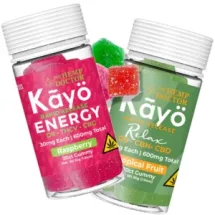

KAYO | RAPID RELEASE THC BLEND GUMMIES | 30MG
Price range: $29.95 through $54.95 — or subscribe to save 25%Shop Now This product has multiple variants. The options may be chosen on the product page - Sale!On Sale


KAYO | DELTA 9 THC BROWNIES
Price range: $10.95 through $79.95 — or subscribe to save 25%Shop Now This product has multiple variants. The options may be chosen on the product page
Estimated Delivery to Colorado
Standard estimated delivery from The Hemp Doctor’s Mooresville, North Carolina fulfillment hub to Colorado addresses runs about 24 to 48 business hours for processing, followed by carrier transit time. Final delivery depends on UPS or USPS routing across roughly 1,600 miles between our warehouse and Colorado destinations, so most orders arrive within 3 to 6 business days after shipment.
If your order includes items restricted in Colorado, our system will flag them at checkout. Holiday periods, severe weather, and peak sale windows like Black Friday and 4/20 can add 1 to 3 extra days. Lauren Shade, our Customer Service and Retail Warehouse Manager, notes that the fulfillment team preps and ships in the order received, and tracking is emailed as soon as your label prints.
Holiday periods such as Thanksgiving through New Year’s, plus 4/20 and other major shopping windows, can extend both processing and transit times by 1 to 3 days due to increased carrier volume. Order early if you are shopping around a specific date.
This page is for general informational purposes only and is not legal advice. Cannabis and hemp laws in Colorado change frequently; consult a qualified attorney or official Colorado resources like the Colorado General Assembly and CDPHE for guidance on your specific situation. Always consult a healthcare professional before adding any new supplement to your routine.