
Chimera Strain: Complete Profile Breakdown
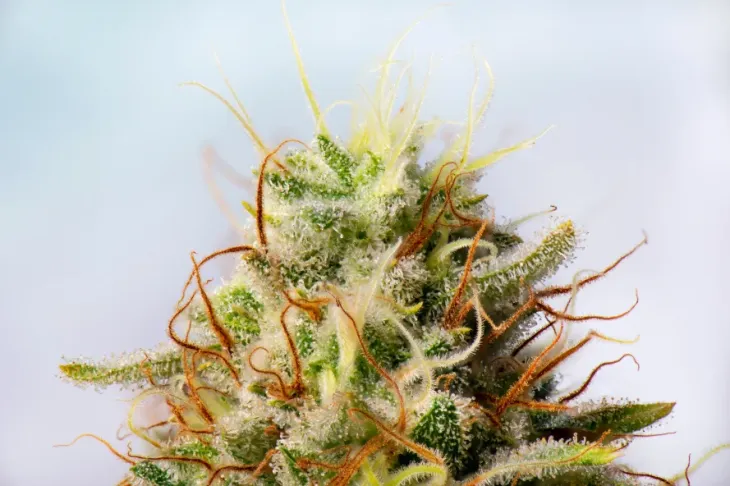
Chimera
THC
26% to 32%
CBD
2%
Flowering time
About 8-9 weeks
Intensity
Strong
Strain class
Hybrid
Grow difficulty
Intermediate
Dominant terpenes
Primary effects
Side effects
Lineage
Best for
Chimera Strain Information
Chimera is a potent hybrid cannabis strain commonly reported as a cross of White Truffle and The Creature. It is known for frosty buds, fruity-cereal aroma, creamy earthiness, and euphoric effects that may feel creative, focused, and physically relaxing. Most batches test around 20% to 30% THC, making Chimera better suited for experienced THC consumers.
The Chimera strain has become popular with adult consumers who like modern exotic flower with heavy resin, strong bag appeal, and a layered flavor profile. Depending on the grower and phenotype, the strain offers fruity cereal, jam, citrus, cream, butter, dough, earth, gas, skunk, and earthy pine notes.
You may see the Chimera weed strain listed in different ways across dispensary menus and strain databases. Some sources describe it as a balanced hybrid, others call it a sativa-dominant hybrid, and many simply label it as a hybrid cannabis strain. That variation is normal for modern genetics, especially when multiple cuts, S1 lines, and related variants are circulating.
Effects vary by batch, tolerance, dose, terpene profile, and product type.
Is Chimera Sativa or Indica?
Chimera is best described as a balanced hybrid. If you want the simplest answer, it is a strong modern hybrid that often feels sativa-leaning at the start and more physically relaxed later.
Many adult consumers describe the Chimera cannabis strain as bright, creative, euphoric, and mentally active during the first phase. That is why it often appears on menus as a sativa-leaning hybrid. The head effect can feel focused and upbeat rather than immediately heavy.
Labels also vary because “Chimera” is not always one standardized product. Different phenotypes, growers, batch-specific terpene expression, retailer naming, and family variants like Chimera #3 strain, Permanent Chimera strain, and Chimera Junky strain can all shift the experience.
For a deeper breakdown of category labels, read The Hemp Doctor’s guide to sativa, hybrid, and indica flower.
Chimera Strain Genetics & Origin
The accepted Chimera strain genetics are White Truffle x The Creature. That pairing explains why the strain can show both creamy, savory depth and a brighter fruit-forward top note. It also helps explain the strain’s popularity among fans of designer cannabis genetics.
Chimera gained attention because it checks several boxes at once. It can produce heavy resin, complex aromas, strong bag appeal, and hybrid effects that work for creative, social, or daytime-to-evening use. For many people, the appeal is not just the high THC level. It is the full strain package: aroma, appearance, potency, breeder story, and modern market reputation.
If you are searching for Chimera strain lineage, make sure the listing specifically mentions White Truffle and The Creature. Some menus may use “Chimera” loosely for a related cut, seed line, or cross. Chimera strain seeds may also appear under different breeder listings, including selected phenotypes and S1 lines, so verify breeder information before assuming it is the original BeLeaf-associated profile.
Chimera strain genetics
White Truffle Parent Strain
White Truffle is generally considered a phenotype of Gorilla Butter. Gorilla Butter is associated with Peanut Butter Breath x Gorilla Glue genetics, giving White Truffle a rich background of resin production, potency, and dense flower structure.
White Truffle likely contributes Chimera’s darker flower expression, creamy and buttery aroma, savory undertones, and physical relaxation. It also helps explain the strain’s dense trichome coverage and high-end bag appeal.
The Creature Parent Strain
The Creature strain is linked to BeLeaf and Love Seeds genetics. It is often described as sativa-leaning, with traits that can bring more brightness and lift to a cross.
In Chimera, The Creature may contribute fruity notes, uplifting effects, stretchy growth traits, resin production, and sharper citrus, peach, nectarine, and gas notes. Together, White Truffle and The Creature create a profile that can feel both flavorful and functional without landing cleanly in a simple indica or sativa box.
User-Reported Chimera Strain Effects
Commonly reported Chimera strain effects include euphoria, creativity, focus, uplift, relaxation, social ease, and mood lift. Many adult consumers describe the first wave as cerebral and bright, followed by a smoother body calm as the session develops.
The onset often feels mentally active. You may notice a lifted headspace first, with more interest in conversation, music, creative work, or light tasks. This is the part of the experience that makes some menus list the Chimera marijuana strain as sativa-leaning.
The middle phase is where Chimera’s hybrid balance becomes more obvious. The head effect may remain focused and upbeat, while the body begins to settle. For experienced consumers, this can make Chimera a good afternoon, social, or early evening option.
Later, the strain may finish with more physical relaxation. It does not always produce immediate couch-lock for everyone, but higher doses can become heavier. If you are sensitive to high THC or mentally stimulating strains, too much Chimera may feel intense, anxious, or overstimulating.

“With high-THC hybrid flower, I always tell customers to look beyond the strain name. The COA, terpene profile, and product format matter. A strain like Chimera can sound approachable because it is a hybrid, but the potency can still be strong.”
Sales
Users also highlight Chimera’s aromatic profile as one of its standout characteristics. In one Chimera strain review discussion, consumers described pungent raspberry jam and citrus notes that smelled fresh and loud. However, some said the flavor during consumption did not fully match the intensity of the nose, making it more aroma-forward than flavor-heavy.
Consumers in that discussion also noted a smooth, light smoke that felt clean and gentle, though some said the bud structure did not perform as well in portable vaporizers. They also praised the fresh cure, moisture level, dense chunky buds, and resinous appearance.
This thread discusses state-licensed marijuana products, not hemp-derived equivalents. Individual experiences vary, and none of this is medical advice.
How Does Chimera Make You Feel?
Chimera usually makes adult consumers feel euphoric, creative, focused, and relaxed. The high often starts with a bright mental lift before settling into a smoother body calm. Because many batches are high in THC, Chimera may feel intense for beginners or people sensitive to sativa-leaning hybrids.
Is Chimera a Strong Strain?
Yes, Chimera is generally considered a strong strain. Most reported flower ranges sit around 20% to 30% THC, although exact numbers depend on the grower, phenotype, harvest, cure, and lab.
AllBud reports Chimera around 27% to 30% THC. Leafly lists the Chimera strain around 27% on its strain profile, while some Leafly-associated batch data shows lower real-world results. SeedFinder-style information tends to place Chimera closer to the 20% to 27% range.
The best approach is simple: expect strong potency, but check the COA. A Chimera concentrate may test much higher than flower, so do not use concentrate numbers to judge a flower batch.
Best Time To Use Chimera
Chimera is often best for afternoon, creative work, social sessions, or early evening use. Experienced consumers may enjoy it during the day, especially when the batch leans brighter and limonene-forward.
If you are sensitive to uplifting strains, Chimera may not be ideal right before bed. Higher doses can feel more relaxing, but the initial cerebral effect may still be too active for some consumers.
Chimera Strain Side Effects
Chimera can be a high-THC strain, so side effects are more likely when the dose is too high for your tolerance. The most common reports include dry mouth, dry eyes, dizziness, anxiety, paranoia at higher doses, and coughing from dense smoke or vapor.
If you are new to high-THC flower, start with a very small amount. For inhaled products, take one small puff and wait 10 to 15 minutes before deciding whether to use more. For edibles, wait at least two hours before increasing your serving, since edible effects can take longer to build.
Avoid mixing Chimera with alcohol or other intoxicating products. Do not drive or operate machinery after using intoxicating hemp-derived or marijuana products.
Chimera can be a high-THC strain. Do not drive or operate machinery after using intoxicating hemp or cannabis products. Effects vary by product, serving size, tolerance, and local laws.
Flavor and Aroma
Chimera’s aromas and flavors are a major reason the strain gets attention. The jar aroma often opens with fruity cereal, raspberry jam, apricot, citrus, and creamy sweetness. Underneath that brighter layer, many batches carry earth, mushroom, dough, butter, pine, gas, skunk, and sweet tobacco.
When the flower is broken apart, the aroma can get sharper and more savory. Skunk, pine, tobacco, cream, and dough may come forward, especially in batches that lean into the White Truffle side. Other cuts bring out more fruit, citrus, and gas from The Creature side.
The smoke or vapor is usually described as sweet, creamy, earthy, and lightly gassy. Some adult consumers get fruit on the inhale, followed by earthy batter, pine and citrus, and a creamy finish. Others find the nose more impressive than the taste, with the flavor feeling softer than the aroma.
This phenotype variation matters. One Chimera batch may taste like fruity cereal and cream, while another may lean more earthy, savory, mushroom-like, or fuel-heavy. If flavor is your priority, check the terpene profile and recent product descriptions before buying.
What Does Chimera Taste Like?
Chimera usually tastes sweet, creamy, earthy, and slightly gassy. Many consumers describe notes of fruity cereal, jam, dough, citrus, pine, skunk, and sweet tobacco. Some phenotypes lean more dessert-like, while others bring out more earthy mushroom or fuel-heavy flavors.
Dominant Chimera Strain Terpenes
Chimera’s terpene profile varies by batch, but limonene, caryophyllene, humulene, and pinene are commonly associated with the strain. Terpenes are aromatic compounds found in cannabis and many other plants. They help shape aroma and may influence how a strain feels, though effects are never guaranteed.
Limonene
Limonene is associated with citrus aroma. In Chimera, it may help explain the bright, fruity, citrus-forward top note that many adult consumers notice when they first open the jar. It is also one reason the strain may feel more uplifting at the start for some consumers.
Caryophyllene
Caryophyllene carries peppery, spicy, and woody notes. It often appears in Chimera lab reports and product pages, and it helps explain the warm, earthy, skunky edge in the strain’s aroma. If a batch smells peppery, gassy, or savory, caryophyllene may be part of that profile.
Humulene
Humulene has an earthy, herbal, hoppy aroma. In Chimera, it can add depth to the savory side of the strain, especially when paired with caryophyllene. This terpene helps round out the sweeter fruit and cream notes so the profile does not feel one-dimensional.
Pinene
Pinene is known for pine and evergreen aroma. In Chimera, it may support the sharper, fresher notes that show up as pine, forest, or earthy pine. Batches with more pinene may smell brighter and cleaner, especially when combined with limonene.
Other Possible Terpenes
Other possible terpenes in Chimera include guaiol, linalool, and myrcene in some batches. These can shift the aroma toward floral, woody, herbal, or more relaxed-feeling expressions.
Terpene labels should be treated as batch-specific. A Chimera flower from one grower may smell fruitier and test high in limonene, while another may lean more earthy, peppery, or gassy.
Cannabinoid Profile: THC, CBD, and THCA
Chimera is usually not a CBD-rich strain. The main cannabinoid in raw flower is often THCA, which converts into THC when heated through smoking, vaping, or cooking. This heating process is called decarboxylation.
That distinction matters for hemp-derived THCA flower. Raw compliant THCA flower may contain high THCA while staying within federal Delta-9 THC limits before heating, but state laws vary. Always check the product COA and your local rules before buying or using any hemp-derived product.
| Cannabinoid | Typical / Reported Range | What It Means |
| THC | About 20% to 30% | Main intoxicating cannabinoid after decarboxylation |
| THCA | Often the dominant cannabinoid in raw flower | Converts to THC when heated |
| CBD | Usually below 1% | Not typically a CBD-rich strain |
| CBDA | Trace levels | Raw acidic form of CBD |
| CBG/CBGA | Usually low or trace | Varies by harvest and testing |
A Leafly-listed Gas Face batch tested at:
- 23.49% THCA
- 20.98% total potential THC
- 0.08% CBD
- 0.09% CBDA
Physical Characteristics
Chimera is known for frosty, trichome-heavy buds with strong bag appeal. The flower can look icy or sugar-coated because of its dense resin coverage, especially when grown and cured well.
Colors vary by phenotype and environment. You may see wintergreen, dark olive green, purple, orange, red, and even subtle blue hues. Orange pistils often thread through the buds, giving contrast against the darker green or purple base.
The bud structure is usually chunky, dense, and resinous. Some phenotypes may show slight foxtailing, where the flower forms small stacked towers or pointed growths. This trait can come from genetics, environment, or both.
A well-grown Chimera batch should look fresh, sticky, and heavily coated rather than dry or faded. Since this is a high-resin strain, appearance can tell you a lot about handling and cure quality. Still, looks alone are not enough. A COA and terpene report provide a clearer view of potency and batch quality.
Cultivation and Growing Tips
Chimera is generally considered an intermediate grower. It can reward skilled cultivators with resin-heavy, visually impressive flower, but it requires attention to structure, stretch, airflow, and humidity.
Flowering time is commonly reported around 60 days, or roughly 8 to 9 weeks. Chimera can be grown indoors or outdoors where cultivation is legal. Indoor growers should plan for stretch during the transition into flower, with some plants nearly doubling in height depending on phenotype.
Because Chimera produces dense, resinous buds, humidity control becomes especially important in late flower. Too much moisture around chunky flowers can create quality issues. Strong airflow, proper spacing, and careful canopy management all help protect the crop.
Chimera can also be a strong candidate for extraction when grown well because of its resin production. Some phenotypes may show foxtailing traits, which are not automatically a problem, but growers should watch whether the cause is genetic expression, light intensity, heat stress, or environmental imbalance.
If you plan to grow Chimera, check your local laws first. Cannabis cultivation rules vary by state and country.
Environmental Needs
Chimera prefers stable temperature and humidity. Indoor growers should avoid sharp swings, especially during flower. Strong airflow is important, but fans should not blast the plants directly.
Odor control is also recommended. Chimera can smell skunky, gassy, fruity, and creamy, which may become noticeable as the flowers mature.
Training and Plant Structure
Plan for a stretch when flipping Chimera into flower. Topping, low-stress training, and canopy management can help control height indoors and improve light exposure.
Avoid overcrowding. Dense canopies trap humidity, and dense buds need breathing room. If branches get heavy late in flower, supports or trellis netting may help.
Flowering Time and Harvest
Around 60 days is commonly reported, but harvest should be based on trichome maturity rather than calendar timing alone.
Cloudier trichomes may preserve a brighter effect. More amber trichomes may create a heavier finish. Growers should also evaluate aroma, bud density, pistil color, and overall plant maturity before cutting.
Chimera Awards and Recognition
Chimera’s award recognition helps separate it from many hype-driven modern hybrids. While many exotic strains become popular through social media alone, Chimera has also earned competitive attention, including a reported second-place finish for Best Sativa Flower at the 2023 High Times Cannabis Cup in Massachusetts.
That award matters because it supports Chimera’s reputation as a potent, well-rounded hybrid with strong market appeal. It also helps explain why some menus list the strain as sativa or sativa-leaning, even though the most accurate classification is still hybrid.
Awards should not replace batch-level research. A winning cut from one producer may not match a different grower’s Chimera flower. Still, the Cannabis Cup mention shows that Chimera has earned attention beyond strain database listings and online hype.
Chimera Family: Chimera vs. Chimera #2, Chimera #3, Permanent Chimera, Chimera Junky, and Chimera Crunch
The name “Chimera” can refer to more than one product in today’s market. That is one reason shoppers get confused when comparing Chimera strain Leafly listings, Chimera strain AllBud information, breeder notes, and dispensary menus.
Some products are original Chimera flower. Others may be selected phenotypes, S1 lines, related crosses, or branded variants. This matters because flavor, potency, terpene profile, and effects can change from one version to another.
| Strain / Variant | Likely Type | What To Know | Comparison of Effects |
| Chimera | Hybrid / often sativa-leaning | Original BeLeaf-associated White Truffle x The Creature profile | Not available |
| Chimera #2 | Hybrid phenotype | A selected phenotype or related cut; effects and flavor may vary by grower | Not available |
| Chimera #3 | Hybrid, often listed as sativa-leaning | Popular phenotype/S1 line; often discussed separately from original Chimera | May feel brighter and more creative than another grower’s Chimera. |
| Permanent Chimera | Hybrid | Related cross/variant; classification depends on breeder and product listing | May carry a different aromatic profile or a heavier body effect. |
| Chimera Junky | Hybrid | Name suggests a Chimera-related cross, but indica/sativa labeling varies | Not available |
| Chimera Crunch | Hybrid / specialty cross | Less standardized; verify breeder, lineage, and COA | Not available |
| Chimera #3 S1 | Feminized/selfed line | Not always the same as original Chimera flower on dispensary menus | Not available |
Related Strains of Chimera
If you like Chimera, you may also enjoy strains with creamy, gassy, fruity, or resin-heavy profiles. Some are direct relatives, while others share a similar modern exotic appeal.
| Strain | Why It’s Similar | Usually Best For |
| White Truffle | Parent strain; creamy, savory, relaxing | Body calm and exotic flavor |
| The Creature | Parent strain; fruity, uplifting influence | Creative and energetic effects |
| Gorilla Butter | Related through White Truffle | Creamy gas and heavy resin |
| Peanut Butter Breath | Related through Gorilla Butter | Nutty, relaxing hybrid effects |
| Gorilla Glue / GG4 | Related ancestry; resin and potency | Heavy hybrid relaxation |
| Permanent Marker | Similar modern exotic appeal | Gassy, sweet, intense hybrid effects |
| Gelato | Similar dessert-style complexity | Sweet flavor and balanced effects |
Still not sure? Find your match in 60 seconds.
Answer 5 quick questions and we’ll recommend the best strains from our library for what you’re actually looking for.
Find Your Match
Answer 5 quick questions to get your strain recommendations
Is Chimera Good For Beginners?
Chimera is usually not ideal for true beginners. The Chimera strain THC level often lands above 20%, and some batches push much higher. That can feel strong, especially if you are not used to high-THC flower or sativa-leaning hybrids.
Cautious beginners with some THC familiarity may still be able to approach Chimera carefully. Choose a lower-THC batch when possible, start with a very small amount, and use it in a comfortable setting. Avoid concentrates as your first Chimera experience, since concentrates can be much stronger than flower.
Where Can You Find Chimera Strain Near You?
Chimera availability varies by state, dispensary, grower, and market. You may find it as flower, pre-rolls, concentrates, or THCA flower depending on local law and the retailer’s product selection.
Some market examples associated with Chimera listings include Iion, Garden Greens, Lazy River, Method, and WholesomeCo. Availability changes often, so treat these as examples rather than guaranteed sources.
Before buying, check the licensed dispensary menu or hemp retailer product page carefully. Look for the exact strain name, cannabinoid results, terpene data, harvest or packaging date, and COA. This is especially important when a menu lists Chimera, Chimera #3, Permanent Chimera, or another related variant.
For more strain comparisons, visit The Hemp Doctor’s full strain guide. You can also browse hybrid THCA flower or sativa THCA flower if you want something with a similar daytime-to-evening profile.